


If you are planning a trip to Japan, you may be wondering what is a Ryokan exactly.
These traditional inns offer a deep look into Japanese culture through tatami rooms, communal baths, and seasonal food. They are essentially the original hotels of the country and a unique experience for any visitor.
What is a Ryokan?
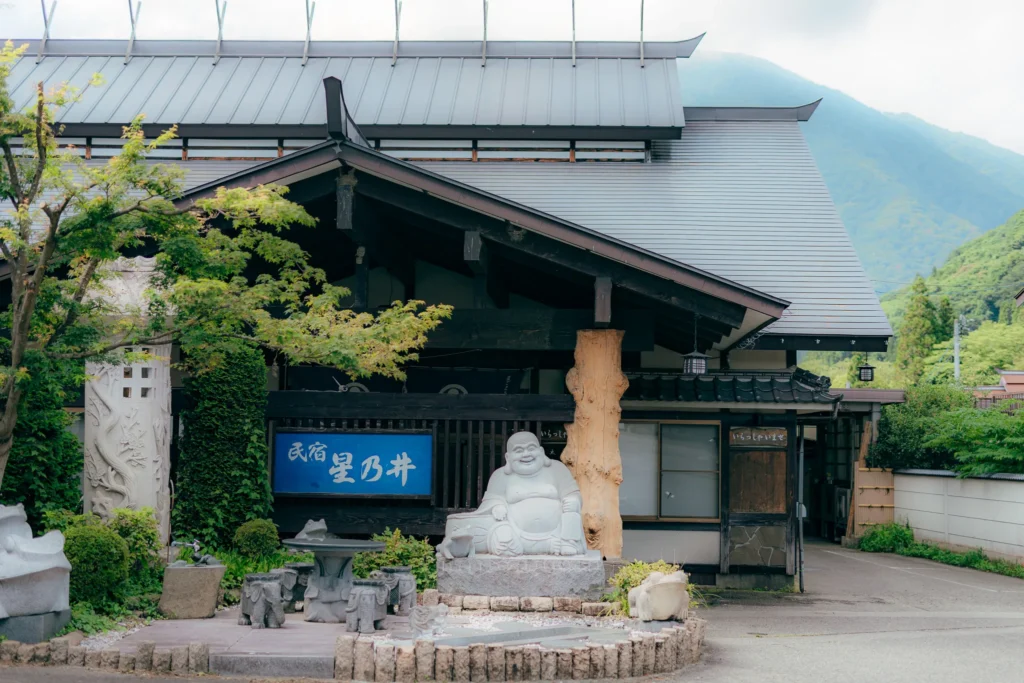
Staying at a ryokan is about more than just a place to sleep. It is a total immersion into Japanese culture.
The experience is built on three distinct pillars, such as the unique guest rooms, the elaborate cuisine, and the traditional clothing.
Understanding these elements is key to appreciating the unique charm of these historic inns.
A Traditional Alternative to Modern Hotels
At its simplest, a ryokan is a traditional Japanese inn, but describing it as just a place to sleep misses the point entirely. While a standard Western hotel often serves as a base for sightseeing, a ryokan is usually a destination in its own right.
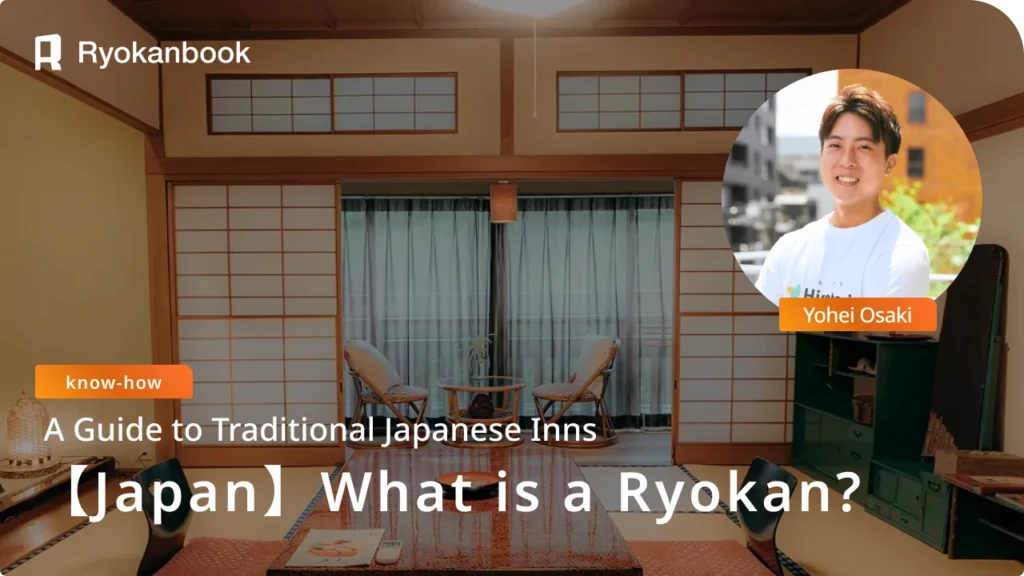
The atmosphere is distinct from the moment you arrive. Instead of carpeted corridors and standard beds, you step into a space defined by tatami straw mats, sliding paper screens, and low wooden tables. It forces you to slow down. You aren’t just checking into a room; you are stepping into a living piece of history designed for rest and appreciation of the seasons.
The Concept of Omotenashi (Japanese Hospitality)
Service at a ryokan is quite different from what you might be used to. In a typical hotel, your interaction with staff is often limited to the front desk, but here the hospitality is far more personal. You are often assigned a dedicated attendant called a nakai-san.
Think of this person as a personal butler who looks after you throughout your stay. They will handle your check-in, bring tea to your room, serve your meals, and even lay out your futon bedding in the evening. This close attention to detail is a hallmark of Japanese hospitality.
Key Elements of the Ryokan Experience
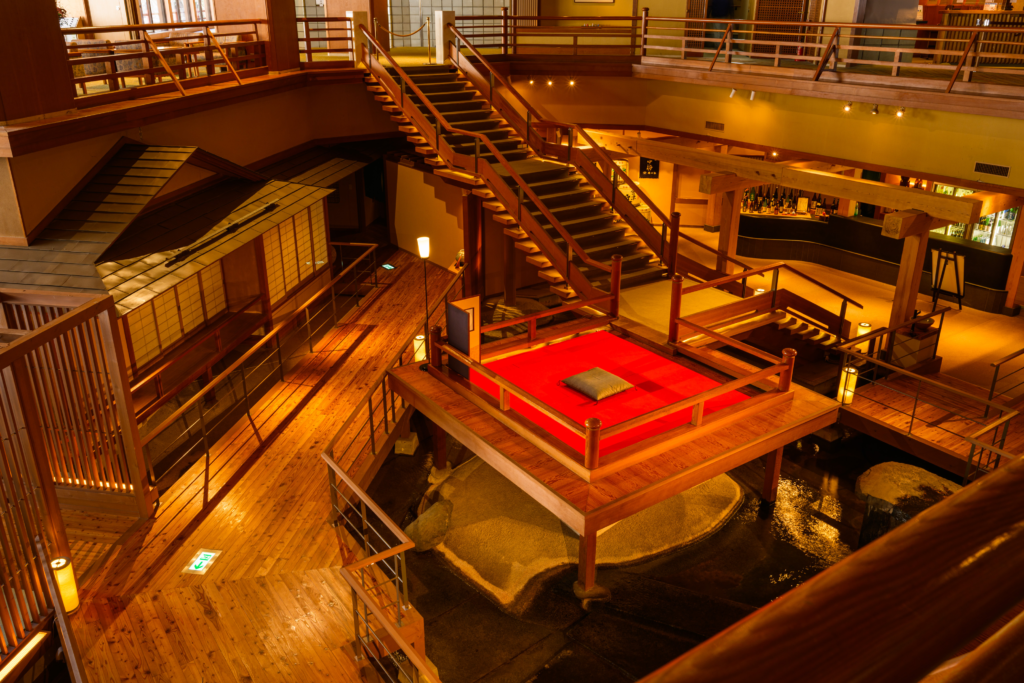
To truly understand the magic of these Ryokans, you need to look at the unique details that set them apart from Western hotels.
It is not just about where you sleep, but how you live during your stay. From the straw mats under your feet to the robes on your back, every element is designed to immerse you in traditional Japanese culture.
The Ryokan Room
Entering a guest room in a ryokan, you will notice the minimalist design immediately, dominated by tatami mats and shoji sliding doors. The room usually features a low wooden table and zabuton (floor cushions), rather than chairs and a desk.
One specific feature to look out for is the tokonoma, a decorative alcove often displaying a scroll or flowers. It is important to treat this space with respect.
When it comes to sleeping, do not expect a Western-style bed. In the evening, staff will come to your room to move the table aside and lay out a futon mattress directly on the tatami mats. The pillows are often filled with buckwheat husks, which can feel surprisingly firm compared to foam or feathers.
Ryokan Food
Most stays include dinner and breakfast, often serving elaborate kaiseki cuisine.

Kaiseki cuisine is a traditional multi-course meal that makes generous use of local specialties and seasonal ingredients.
At many traditional establishments, you do not go to a restaurant; the restaurant comes to you. Dinner is frequently served in the privacy of your own guest room. This allows you to relax completely and enjoy the meal at your own pace without worrying about other guests.
Ryokan Yukata
You will see guests wandering the corridors wearing cotton robes known as yukata. These are light, kimono-style garments provided by the inn for you to wear during your stay. They are not just for sleeping in.
You are encouraged to wear your yukata everywhere within the ryokan. It is perfectly acceptable to wear it to the public bath, to breakfast, and even while enjoying your kaiseki dinner. In many hot spring towns, you can even wear them outside to stroll through the streets.
Understanding Ryokan Etiquette and Manners
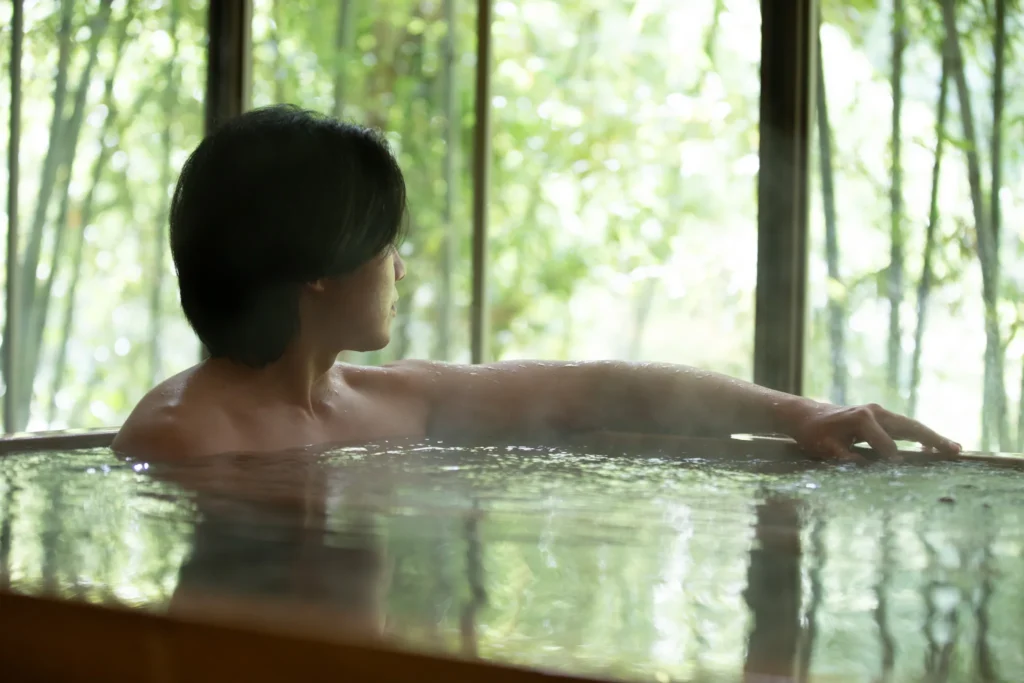
Navigating the unique customs of a traditional Japanese inn can feel a little daunting at first, but you don’t need to worry. These rules aren’t just arbitrary; they are there to show respect for the historic building and to ensure a peaceful environment for every guest. A few simple habits will help you fit right in.
Important Rules for a Respectful Stay
The most important rules concern your footwear.
After removing your shoes at the entrance, you will likely be given slippers to walk around the wooden corridors. However, you must take these slippers off before stepping onto any tatami mats.
One common mistake involves the restroom slippers. You will find specific plastic or leather slippers inside the toilet area, which are strictly for use in that room only. It is very easy to forget you are wearing them, but please make sure to switch back to your house slippers before stepping back out into the hallway or guest room.
You should also be mindful of your luggage. The wheels of a suitcase can easily damage the woven straw of the tatami mats. When you bring your bags into the room, be sure to lift them up rather than rolling them across the floor.
Common Do’s and Don’ts in a Traditional Inn
Unlike a standard hotel where you can come and go as you please, a ryokan operates on a tighter schedule, especially regarding meals. Dinner is often prepared to be served at a specific time so that hot dishes remain hot and cold dishes stay cold. For this reason, punctuality is highly appreciated.
You will also see guests wearing cotton robes known as yukata. These are provided for you to wear throughout your stay, not just for sleeping. You are encouraged to wear your yukata everywhere, including the lobby, the public bath, and the dining room.
There is just one crucial rule for wearing a yukata: you must wrap the left side over the right side. Wrapping the right side over the left is traditionally reserved for the deceased at funerals, so you will want to avoid that style. As long as you keep “left over right” in mind, you can relax and enjoy the comfort of traditional Japanese loungewear.
FAQ about Ryokan
Here are answers to some common questions first-time visitors often have.
-
How do I check in at a ryokan?
-
The arrival process is much more personal than at a standard hotel. Instead of standing at a busy front desk, you are often greeted at the entrance and guided to a seating area or directly to your room. A dedicated attendant, known as a nakai-san, will typically handle the registration paperwork while serving you welcome tea. This is your first taste of the immersive service that defines the stay.
-
What is the check-out procedure?
-
Departure is generally straightforward, but it is also the appropriate time to show appreciation if you received exceptional service. While tipping is rare in Japan, it is customary at high-end ryokan to leave a gratuity for your room attendant upon departure. If you choose to do this, place the bills in a small envelope and hand it to them respectfully rather than passing over loose cash.
-
Are ryokan onsen communal or private?
-
Most establishments feature large communal hot spring baths, which are almost always separated by gender. For those who prefer more privacy, many ryokan now offer private family baths that you can reserve for a set time. Higher-end rooms often come with their own private open-air bath attached to the guest suite, offering the ultimate luxury experience.
-
How much does it cost to stay at a ryokan?
-
Prices vary widely, but the average cost typically falls between 15,000 and 30,000 yen per person, per night. It is important to remember that this price usually includes a lavish kaiseki dinner and a traditional breakfast. Luxury options can easily exceed $1,000 a night, while more budget-friendly inns offer a simpler experience for much less.
-
Are ryokans tattoo-friendly?
-
Traditional rules can be strict regarding body art. Most ryokan still prohibit guests with tattoos from entering communal public baths due to historical associations with organised crime. However, some progressive inns are relaxing these rules. If you have tattoos, the safest option is to book a room with a private bath or reserve a private family bath where no restrictions apply.
-
Do I need to speak Japanese to stay at a ryokan?
-
While ryokan are steeped in tradition, they are increasingly popular with international tourists and are accustomed to hosting guests from overseas. Staff are generally friendly and will do their best to communicate and help you navigate the customs. Learning a few basic phrases is always appreciated, but it is certainly not a requirement for a wonderful stay.
Why You Should Choose a Ryokan for Your Japan Trip
Staying at a ryokan is often cited as one of the coolest and most memorable experiences you can have in Japan. While a standard hotel offers familiarity and convenience, these traditional inns provide a genuine immersion into the country’s culture and lifestyle.
The atmosphere is designed for complete relaxation. Japanese travellers often treat a ryokan stay as a retreat from urban life, using the time to slow down and re-energize in a serene environment.