


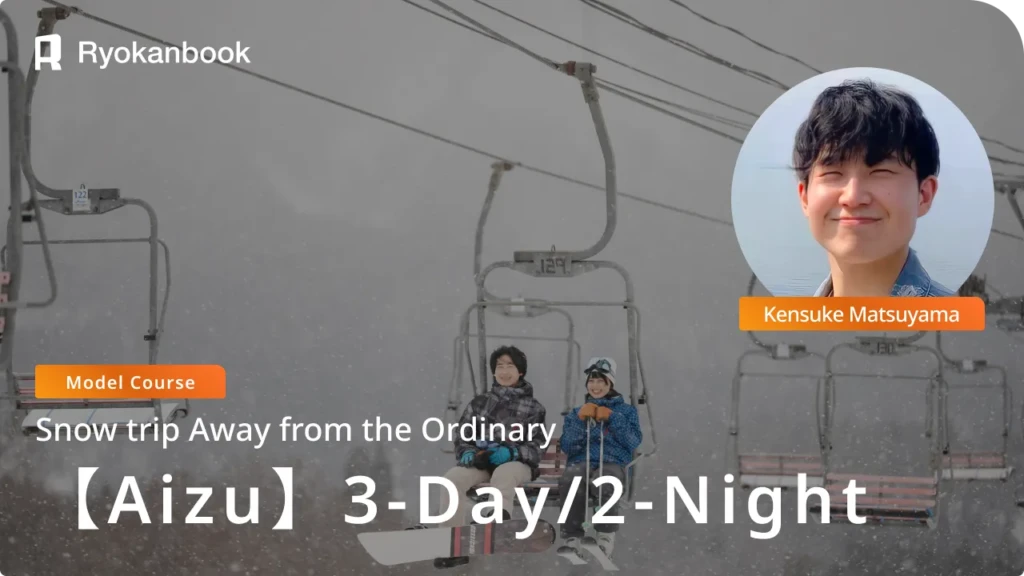
Japan’s powder snow, known as “JAPOW,” continues to attract skiers and snowboarders from all over the world. Light, dry, and incredibly soft, Japan’s snow is famous for its fine texture and the large amount of snowfall that continues steadily throughout the winter season.
The word JAPOW comes from combining “Japan” and “Powder.” Have you heard this term before?
Riding through JAPOW feels almost like floating on waves. With every turn, fine snow sprays into the air, creating a smooth and weightless sensation. The quality of this snow is often described as world-class. Once you experience it, it becomes easy to understand why so many people travel to Japan just for this snow.
In recent years, more international travelers have visited Japan in search of JAPOW.
Popular ski resorts such as Niseko and Hakuba are lively and crowded during the winter season. At the same time, there are still areas where JAPOW can be enjoyed quietly, away from large crowds. One of these hidden destinations is the Aizu area in Fukushima Prefecture.
Thanks to its location and climate, Aizu receives plenty of high-quality snow. Unlike famous resorts, however, it offers a calm and peaceful atmosphere, allowing visitors to enjoy JAPOW in a more relaxed setting. Surrounded by nature and a distinctly Japanese sense of place, Aizu is an ideal destination for travelers looking for a quiet and immersive snow trip.
Experiences that feel far from everyday life, like skiing in JAPOW, are not limited to the ski slopes.The places you visit next and the quality of your stay are what make the journey deeper and more memorable.
To create a smoother and more connected travel experience, we chose to use a private chartered car as our main mode of transportation for this trip.
Traveling by Private Car from Koriyama Station
The purpose of this trip was to enjoy snow resorts and a winter onsen ryokan stay.
On a snow trip surrounded by winter scenery from start to finish, choosing the right transportation can greatly affect the quality of the journey. For this reason, we decided to use the high-grade taxi service operated by Aizu Kotsu.
Unlike regular taxis, Aizu Kotsu’s high-grade taxis can be arranged in advance by reservation. They offer a more comfortable and reliable way to travel, suitable for both leisure trips and business use. In addition to private charter services, the taxis can also be booked by the hour, making them flexible enough for simple pick-ups and drop-offs.
One of the main advantages of using a private car is the ability to set your schedule freely, unlike public transportation, which runs on fixed routes and timetables. For this trip, however, the biggest benefit was the reassurance of driving on snowy roads.
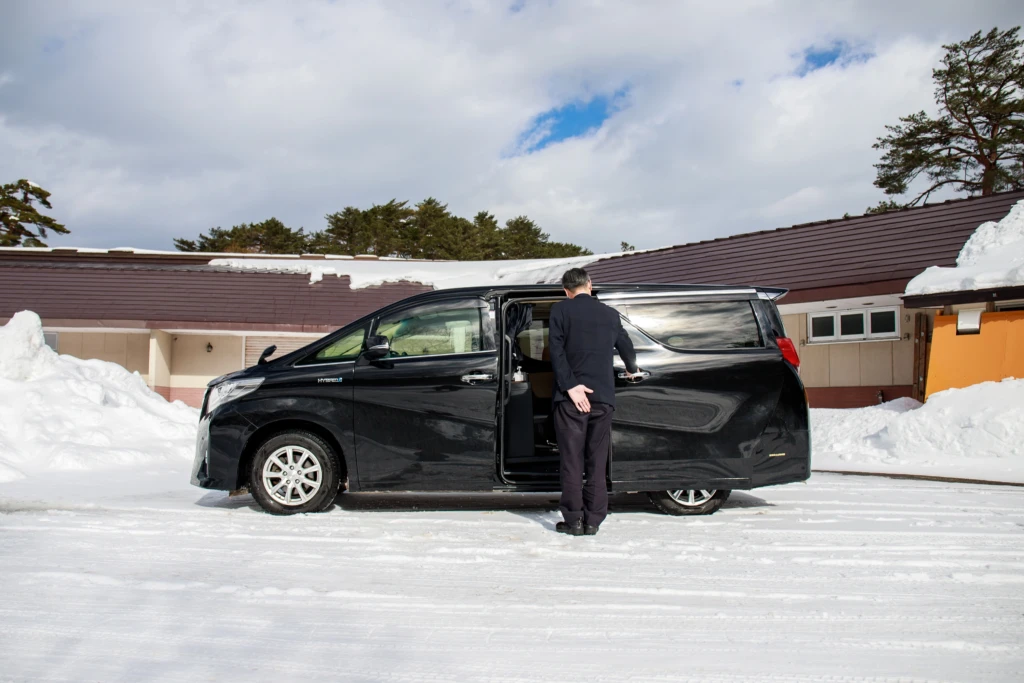
On this journey, most travel time was spent moving between ski resorts and accommodations, often along snowy mountain passes. Driving a rental car in unfamiliar conditions feels stressful and uncertain.
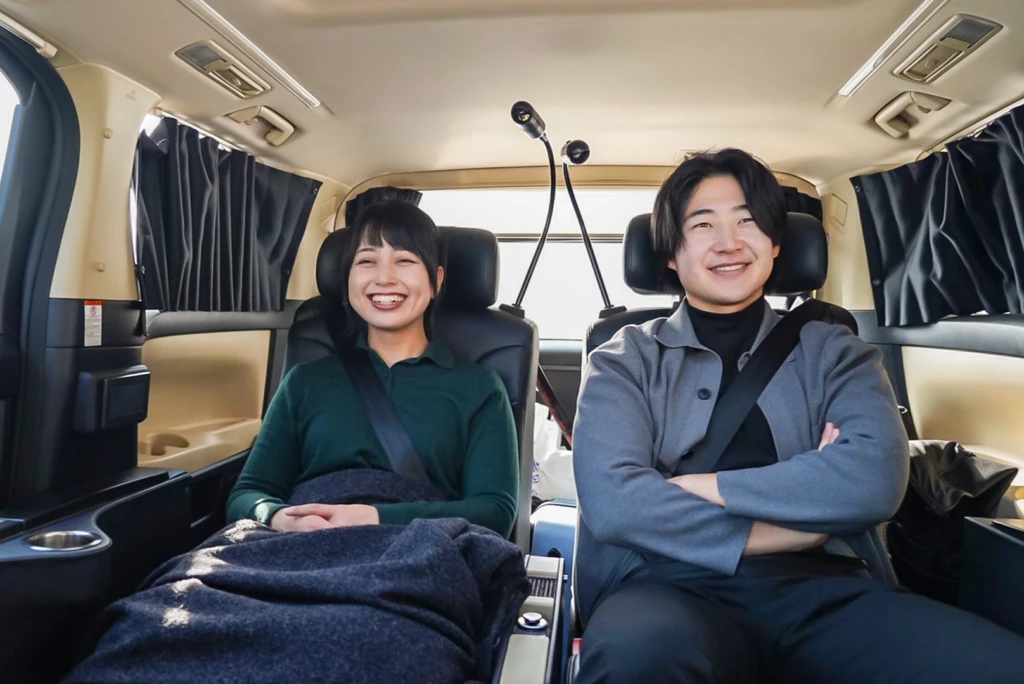
With a private taxi, there is no need to worry about driving skills or navigating unknown roads.
The drivers from Aizu Kotsu are all locals who know the region’s climate and roads well.
They may not provide guided sightseeing commentary, but their calm and confident driving creates a strong sense of trust and safety throughout the journey.
Nango Ski Area: A Hidden Aizu Resort for Beginners to Park Riders
Leaving Koriyama, our private car traveled deeper and deeper into the Aizu region.
The first stop on Day 1 was Aizu Kogen Nango Ski Area, located in Minamiaizu.
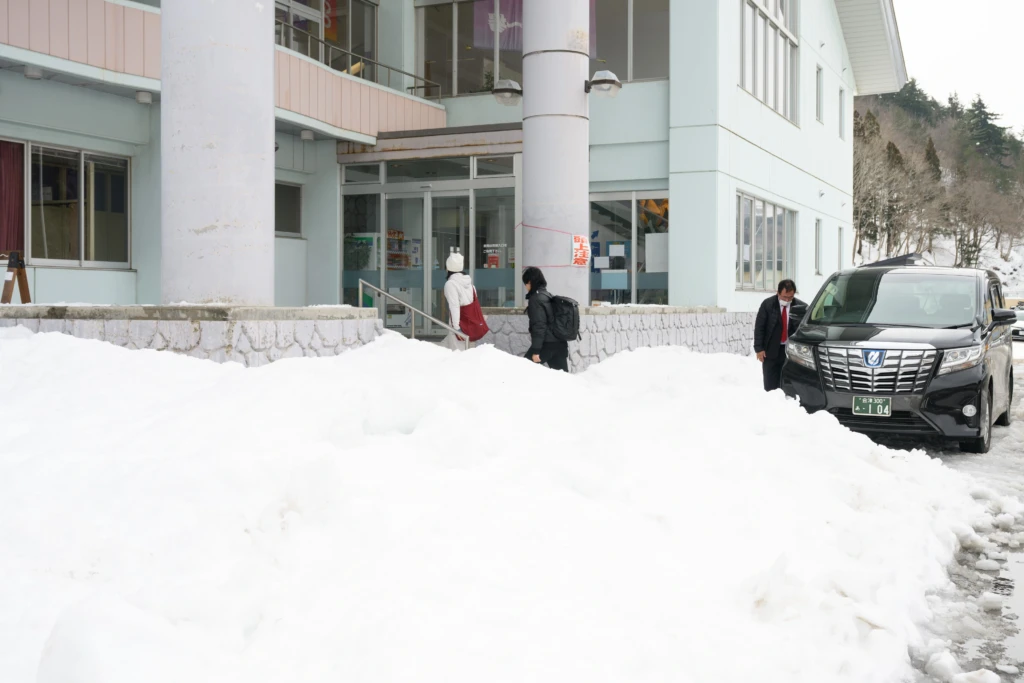
Nango Ski Area is so remote that it openly describes itself as a “hidden destination.” To be honest, reaching this ski area using public transportation alone is not very practical.
This is truly a local ski area known only to those in the know, with many loyal fans who return year after year. Choosing such a remote and slightly niche ski area was only possible because we were traveling by private car. But what makes this place worth the journey, and what kind of scenery can only be seen by those who come this far?
Aizu’s Powder Snow
Before that, let’s briefly look at why Aizu is blessed with such excellent snow. Located inland, Aizu is one of the regions in Japan known for its high-quality snowfall. Moist air from the Sea of Japan travels over the mountains and cools as it reaches Aizu, turning into snow along the way. Because much of the moisture is released before it arrives, the snow that falls here is light and dry. This is one of the reasons why Aizu’s snow has strong JAPOW potential.
Another key feature of Aizu is its consistent snowfall. Rather than heavy snow falling all at once, snow continues steadily throughout the winter season. This helps keep snow conditions stable, allowing visitors to enjoy good-quality powder whenever they visit—one of Aizu’s unique winter charms.
Renting Ski Equipment and Wear
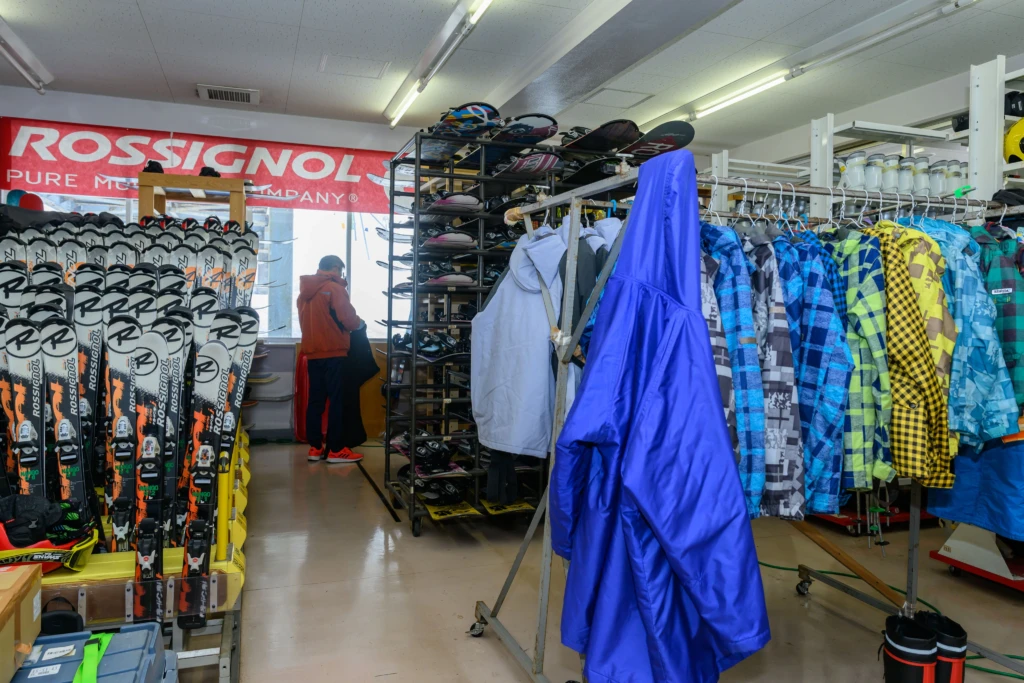
Since I don’t usually ski, I rented all the necessary equipment at the ski area. The rental counter is located inside the center house, allowing visitors to complete everything—from rental to preparation—within the ski resort.
Ski wear is also available in a wide range of sizes. By simply sharing your height and shoe size, you can receive well-fitted items and get ready for skiing without any trouble.
A Ski Slope That Feels Safe for Beginners
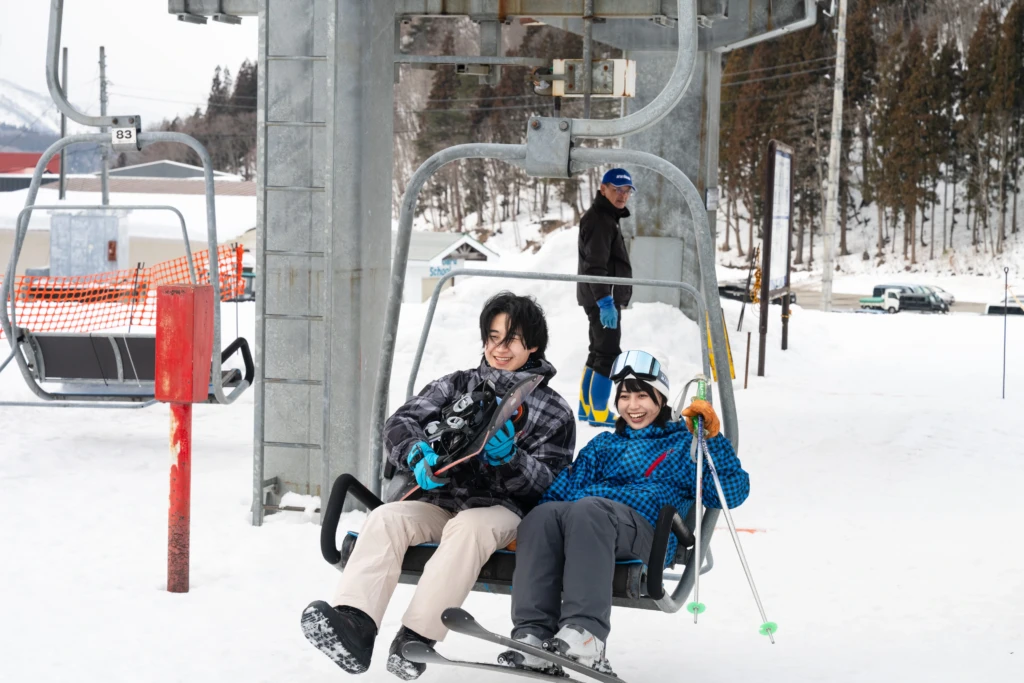
For many people, the most nerve-racking moment at a ski resort is not skiing itself, but getting on the lift for the first time.
When the lift staff noticed that we were not very experienced, they gently slowed the lift down before we boarded. Thanks to this small but thoughtful gesture, even beginners like us could ride the lift with confidence.
That kind of care reflects the warmth of the people in Aizu, and little by little, our nervousness began to fade.
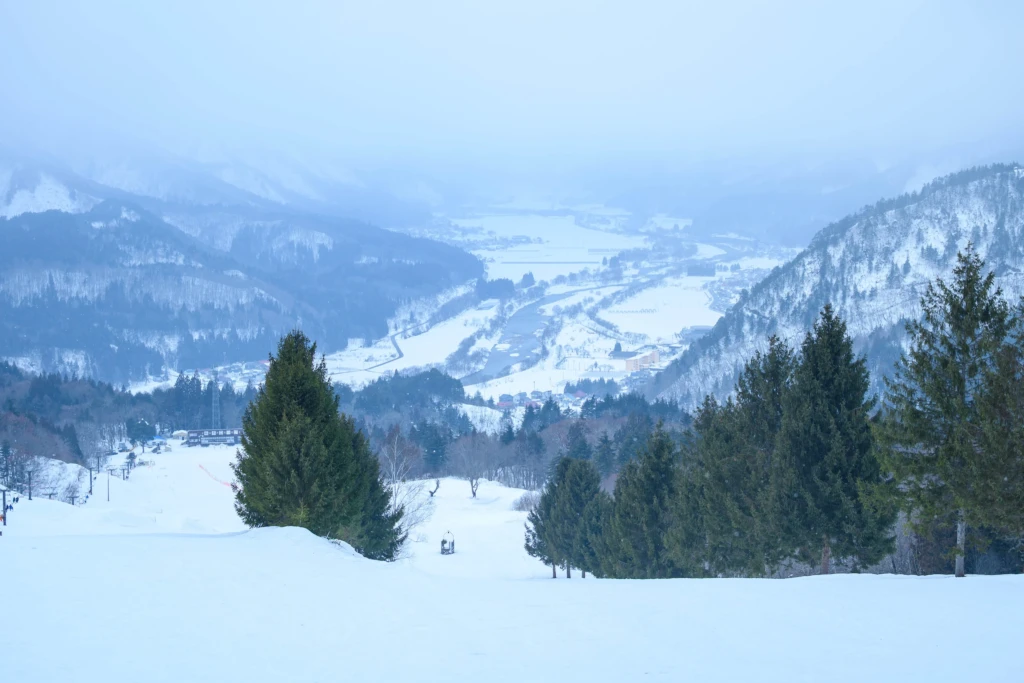
When we reached the middle of the ski area, we could look back at the snowy scenery we had just traveled through on the lift. Snow sports are often focused on skiing or snowboarding, but for me, simply enjoying the winter landscape from this ski area is also part of the experience.
Surrounded by gentle mountains, the view reveals a quiet rural landscape with a sense of nostalgia. It may not be dramatic or flashy, but it beautifully shows the harmony between nature and everyday life in the mountains.
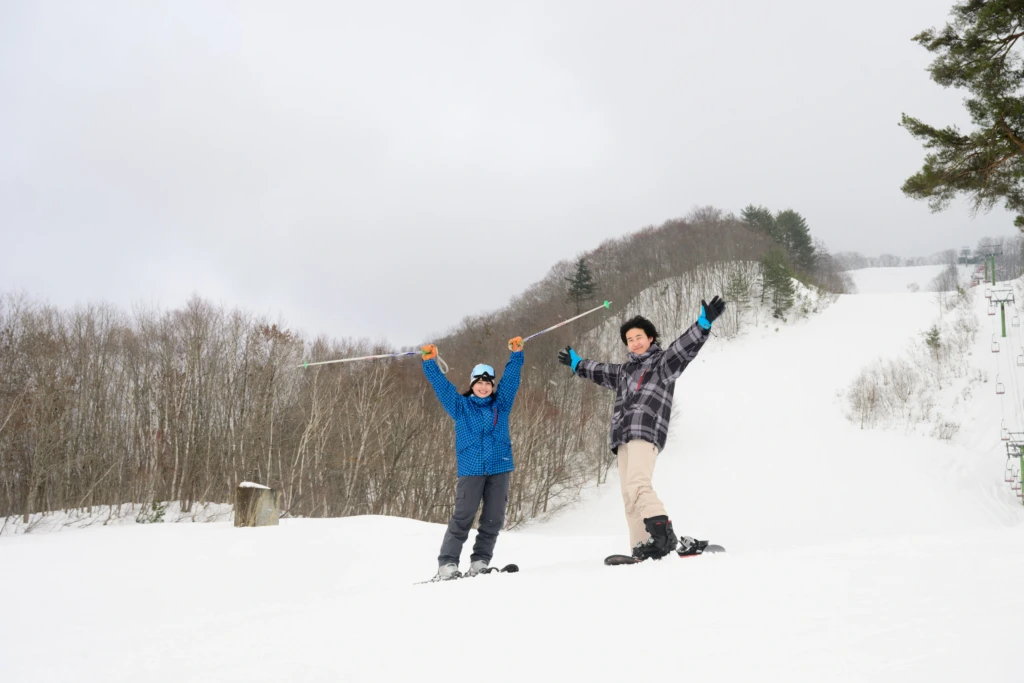
From there, we took things slowly and steadily, enjoying skiing again for the first time in a long while.
With its wide, open slopes and remote location, Nango Ski Area rarely feels crowded. This spacious and relaxed environment allows visitors to ski without worrying about others nearby, making it an ideal place for beginners and families to enjoy time on the snow at their own pace.
A Hidden Ski Area for Experienced Riders
Since this trip was a challenge for those of us who were not very experienced, we naturally focused on how beginner-friendly the slopes are.
However, Aizu Kogen Nango Ski Area is also an excellent destination for experienced skiers and snowboarders—especially park riders and powder lovers.
The terrain park is particularly well designed, offering a variety of kickers and jib features in different sizes. Another highlight is the halfpipe, which opens earlier than many others in Japan and has long attracted dedicated fans.
Every feature is carefully maintained, and you can feel a sincere desire to help visitors enjoy the mountain to the fullest—comfortably, confidently, and with a smile. For powder enthusiasts, there are also several ungroomed areas scattered across the ski area. After fresh snowfall, riders seeking JAPOW often make their way here.
Even then, this remains a hidden destination deep in Minamiaizu. There is no intense competition for fresh powder. Instead, the atmosphere is calm and relaxed, allowing each visitor to enjoy the snow at their own pace—one of the defining qualities of Nango Ski Area.
Surprisingly Authentic Food at the Ski Area Cafeteria
For lunch, we headed to the center house.
I ordered gapao rice, and the first thing that surprised me was the generous portion size.
After skiing for hours, you might worry, “What if it’s not enough?” That concern quickly disappeared when a full plate of gapao rice arrived. Still, seeing gapao rice at a ski area felt unexpected.
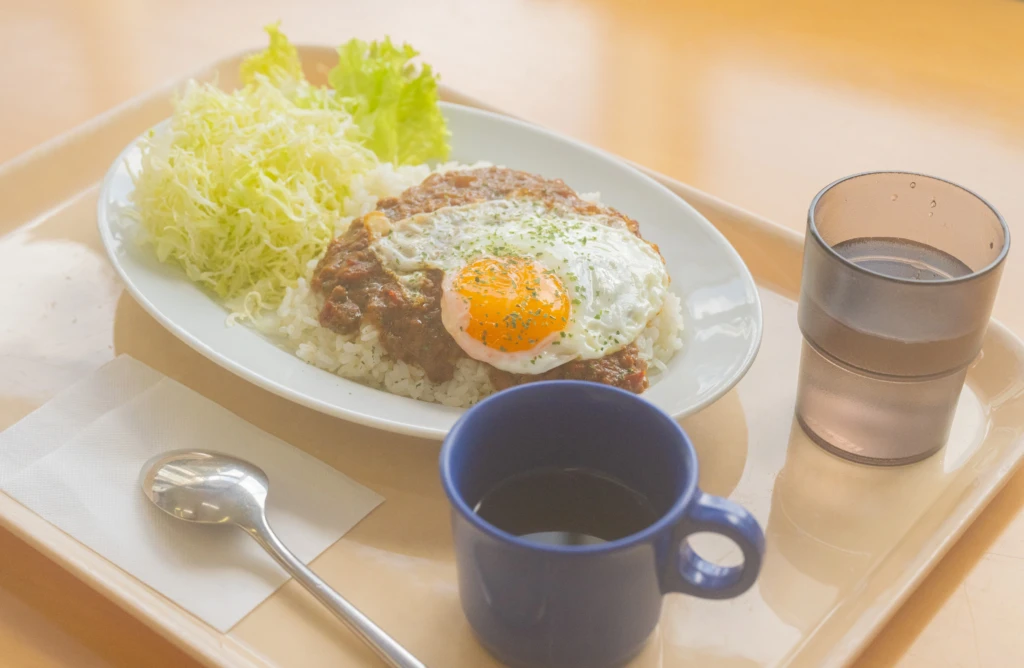
One bite was all it took to be impressed. I couldn’t believe such flavorful food was available at a ski resort.
The dish was well balanced, topped with a generous amount of shredded cabbage and a perfectly soft, half-cooked egg. Scooping everything together, the flavors lingered with a pleasantly spicy kick.
I even found myself wondering, “What kind of spices are used here?” I never imagined I would be thinking about spices while having lunch at a ski area.
The dish does have a bit of heat, so those who don’t enjoy spicy food should be aware.
Personally, I love spicy flavors, and this gapao rice quickly became a favorite.
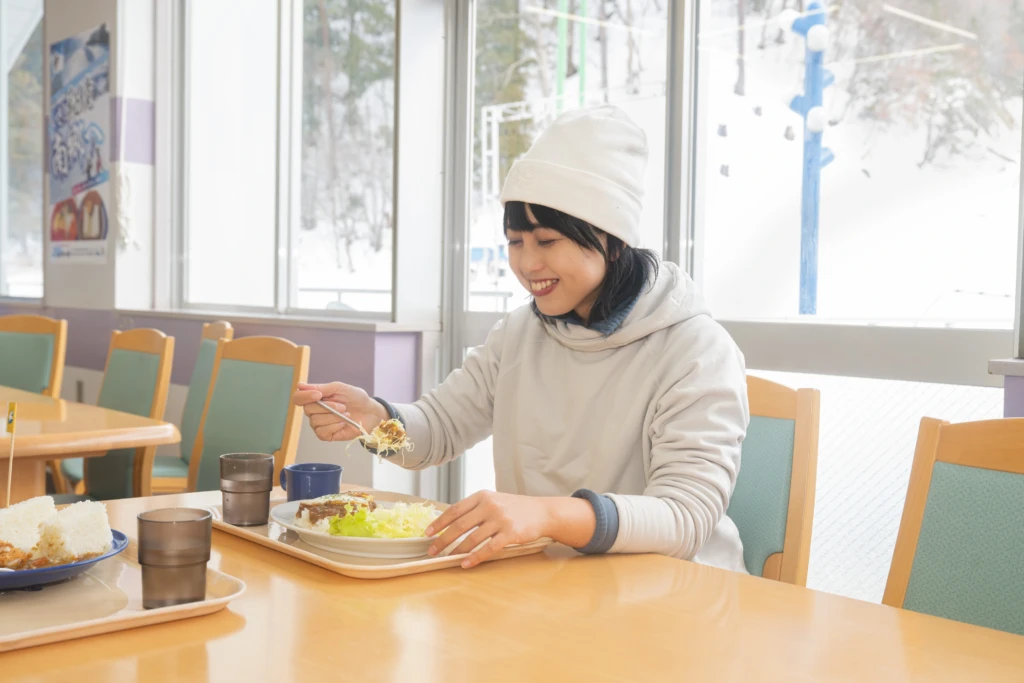
Many of the lunch menu items at Aizu Kogen Nango Ski Area are generously portioned and authentically prepared. Don’t underestimate ski resort food here—if you visit, be sure to try different dishes.
From time to time, limited and slightly unique menu items also appear. You can really feel the care and creativity put into making each visit enjoyable.
Most of the staff working here are locals, and many of them are tomato farmers during the summer months. Farming in summer and working at the ski area in winter, they help support and protect this region throughout the year—something that quietly reflects the strong spirit of the local community.
So why did we travel all the way into the depths of Aizu? After spending a full day here, the answer became clear. Light, high-quality snow. Uncrowded slopes. A ski area that welcomes everyone, from beginners to experienced riders.
Nango Ski Area may not be flashy, but it offers something far more meaningful—a genuine reason to come this far. The scenery and atmosphere found here are reserved for those who make the journey. It was a day at a local ski area where we quietly but deeply felt that value.
A Riverside Onsen Ryokan Where Japanese Culture Quietly Lives On
With the pleasant tiredness from skiing still lingering, we got back into our private car and headed to Ashinomaki Onsen, where our next stay awaited—Ookawaso.
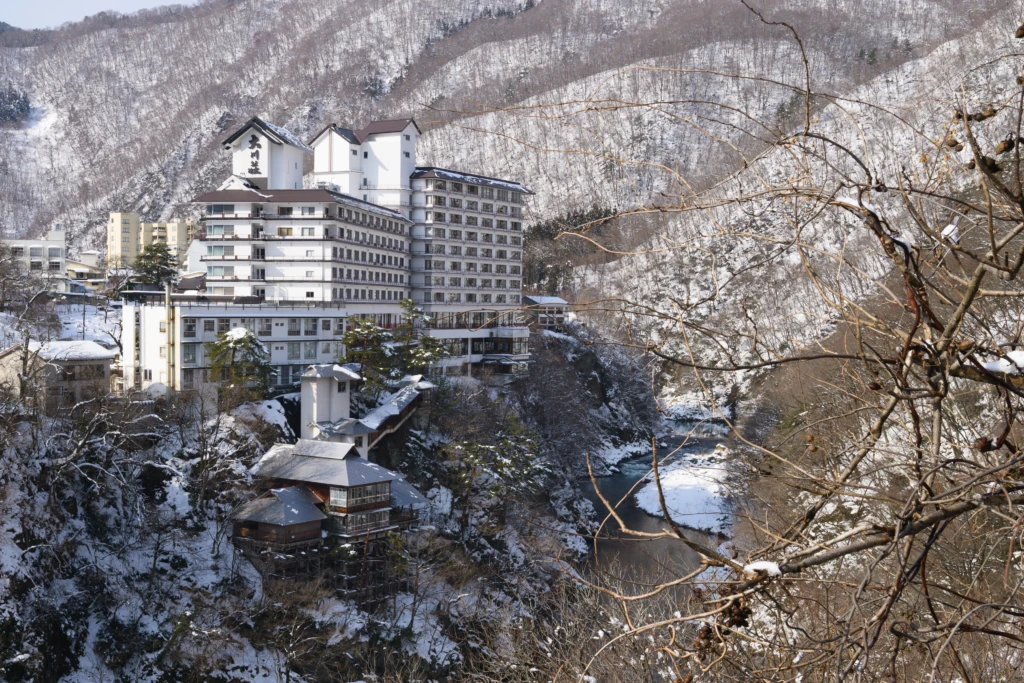
Ookawaso is not simply a place to rest and recover from fatigue. It offers something far deeper.
Built along the edge of a dramatic gorge, the ryokan’s striking exterior and layered interior spaces begin to gently separate the mind from everyday life the moment you step inside.
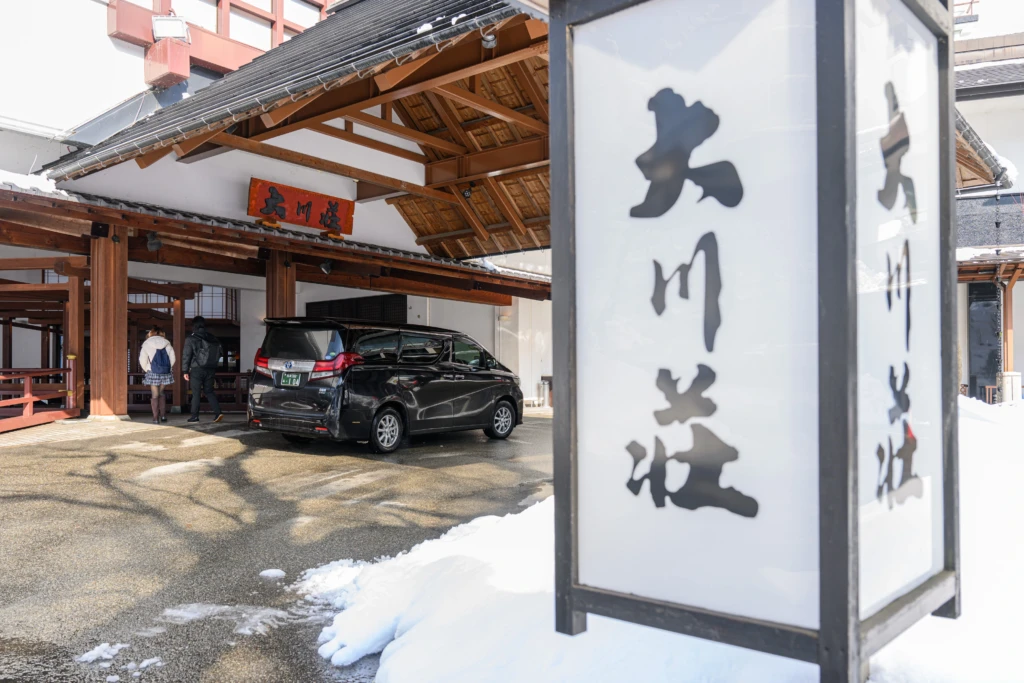
At the heart of the building is a floating stage, where the sound of the shamisen softly fills the air. Beyond it, snow-covered gorge scenery unfolds before your eyes.
The winter landscape, architecture, hot springs, and cultural elements all connect seamlessly. Together, they create a multi-layered experience that surrounds guests through sight and sound, leaving a lasting and quietly powerful impression.
The Floating Stage That Defines Ookawaso
As you walk through the lobby, guided by the sound of the shamisen, you are led to the floating stage, a defining symbol of Ookawaso.
Live shamisen performances take place every day from 4:00 p.m. to 6:00 p.m., filling the space with gentle, resonant sound.
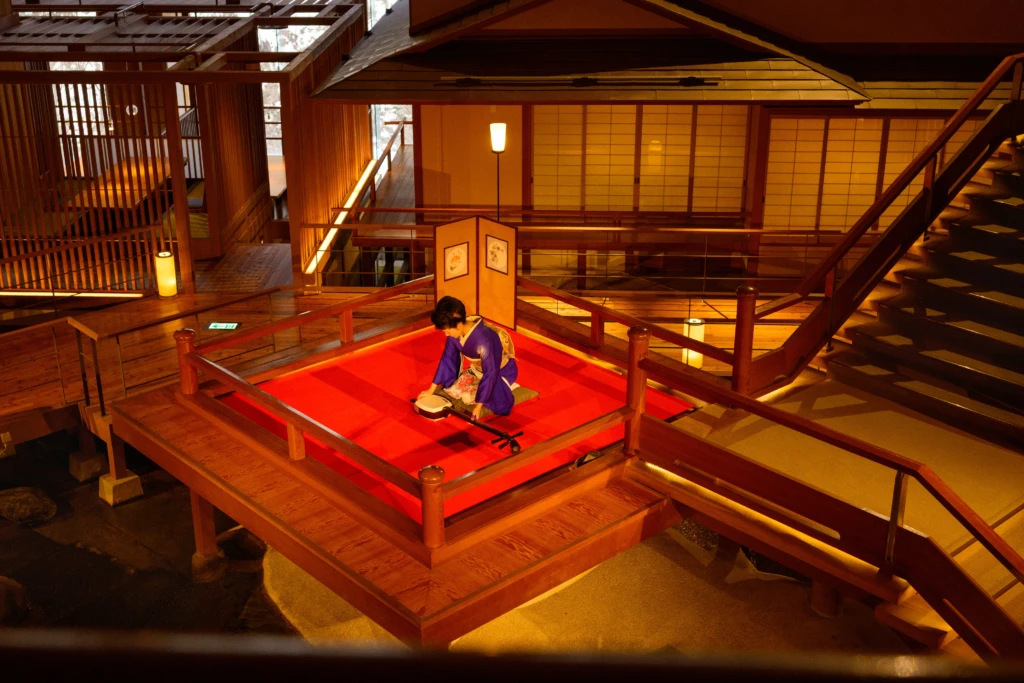
A woman dressed in an elegant kimono stands quietly on the stage. Each note she plays feels carefully placed, flowing naturally from movements refined down to her fingertips.
In her graceful gestures, you can sense the quiet beauty that lies at the heart of Japanese culture.
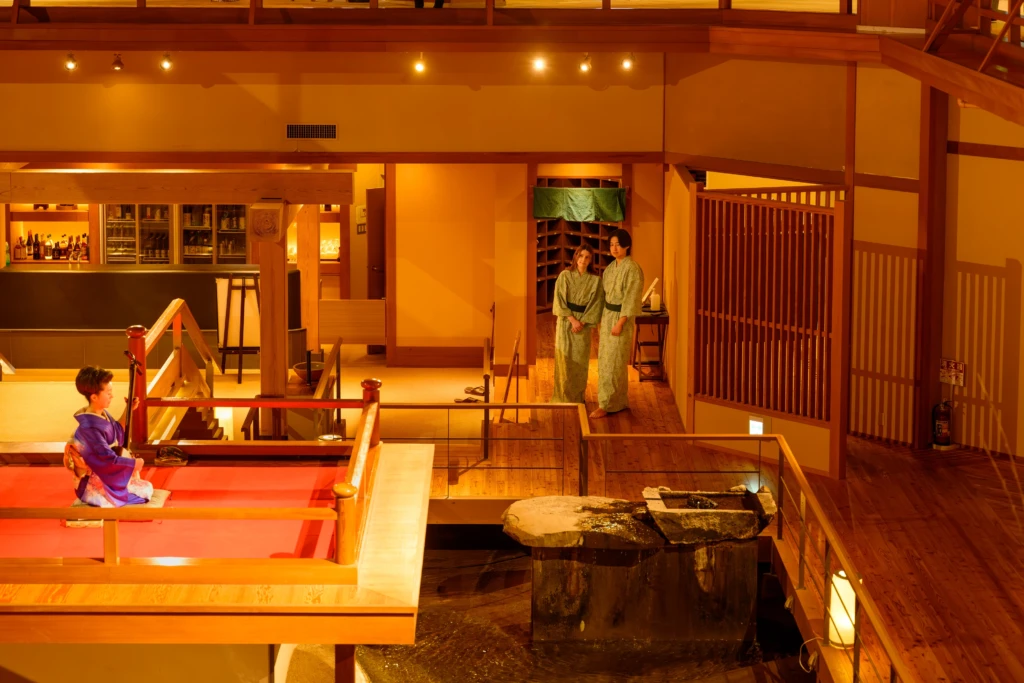
The movement of her fingers, the pauses between sounds, and the lingering echoes all begin to slow the passage of time within the ryokan. Little by little, the rhythm of the space changes, inviting guests to settle into a calmer and more mindful state.
A Stay in a Truly Special Room
After checking in at the front desk, we were guided to a one-of-a-kind special room within Ookawaso.
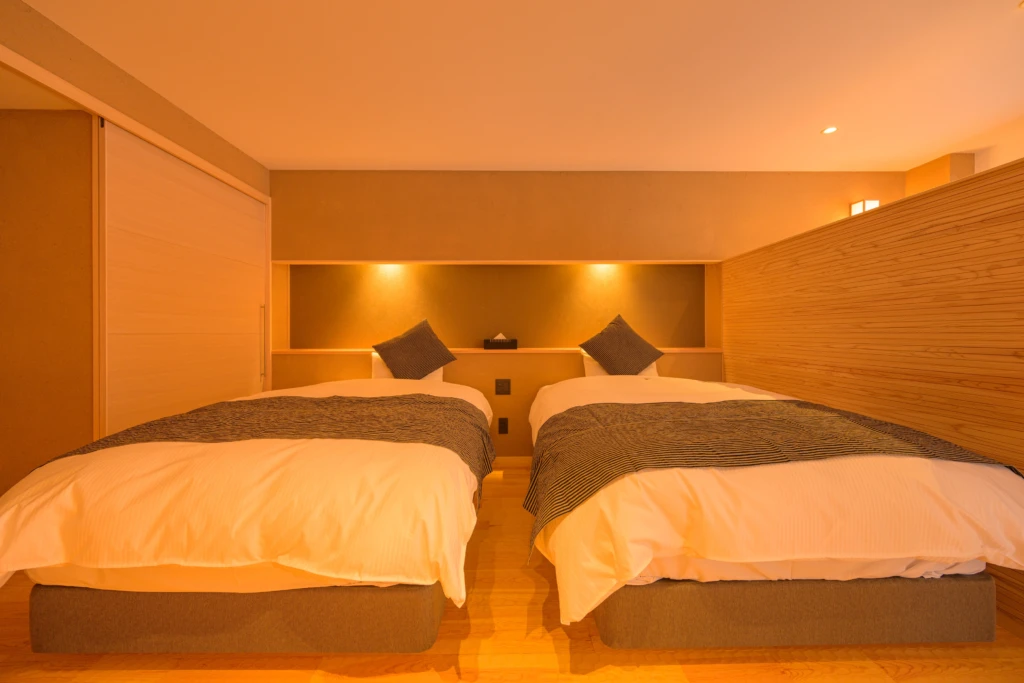
This corner room overlooks the Okawa River, but the reason it feels like a VIP stay goes far beyond the view.
The room is equipped with a private sauna and an open-air onsen bath with natural hot spring water flowing directly from the source. Everything can be enjoyed in complete privacy, all within the comfort of the room.
That said, Ookawaso is also known for its stunning open-air baths, designed in a terraced style and fed by free-flowing hot spring water. Since we would be staying another night, we decided to save the in-room experience for later and head to the shared onsen for the evening.
A Scenic Onsen Surrounded by Gorge Views
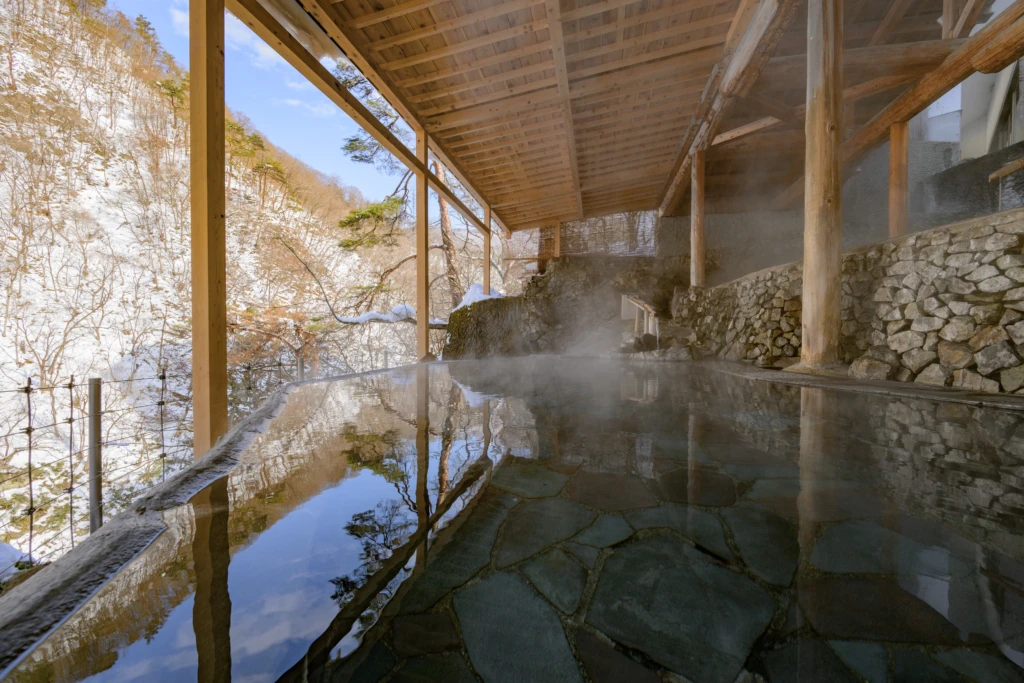
One of the highlights of Ookawaso is its terraced open-air bath, inspired by traditional rice fields, known as Shikibutai Tanada.
True to its name, this outdoor bath allows guests to soak while enjoying the ever-changing beauty of the gorge through the seasons. Surrounded by the nature of Ashinomaki, you can fully relax and take in the cool air, the sound of the wind, and the rising steam—all with your five senses.
It is a moment where time seems to slow, and you begin to feel at one with nature.
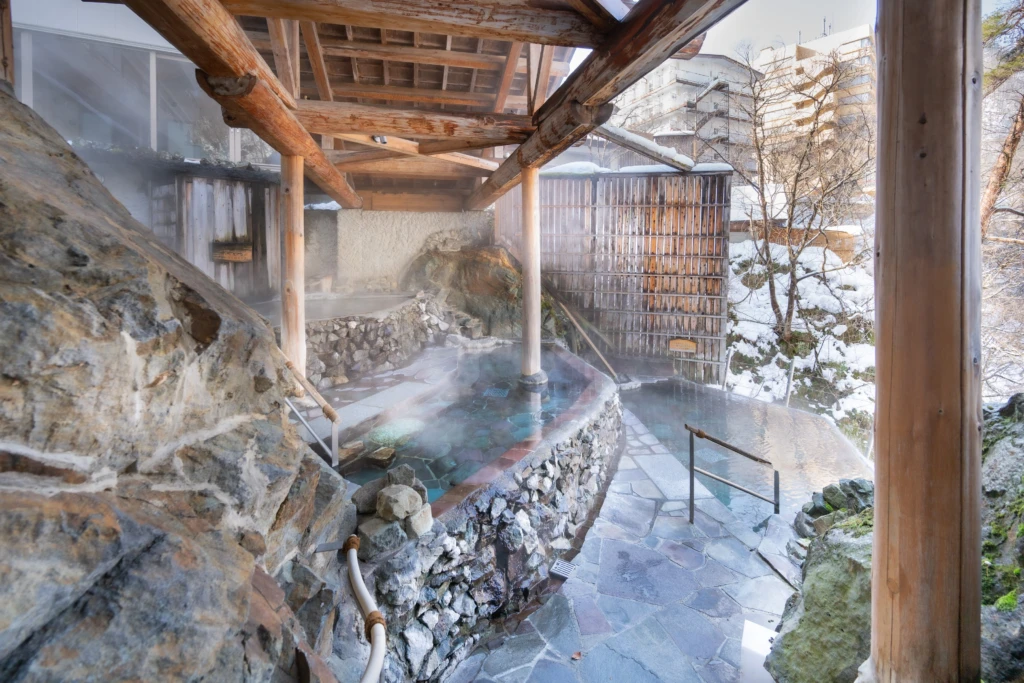
The hot spring water here flows directly from the natural source. Both the men’s and women’s baths feature three separate pools, each constantly filled with fresh onsen water.
Thanks to careful temperature control by the bath attendants, every bath is kept at a comfortable and relaxing temperature.
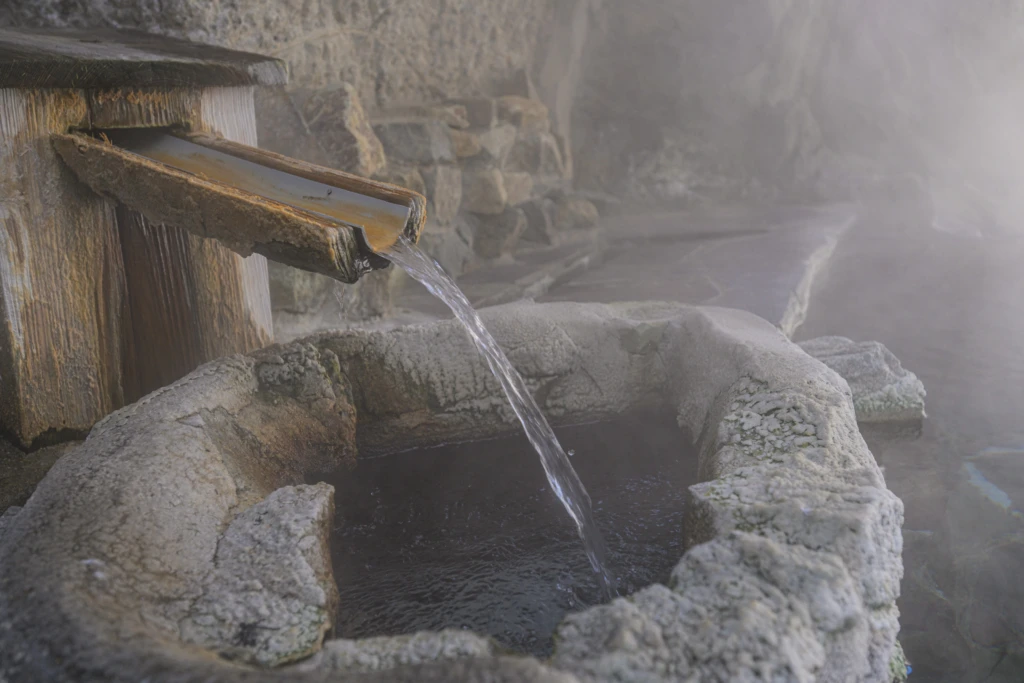
The water feels soft on the skin, making it easy to soak for a long time without feeling tired.
As your body warms from the core, tight muscles gently begin to loosen.
Although the baths are arranged in a stepped design, the water does not flow from one pool to the next. Instead, excess water is directed toward the mountain side, a thoughtful design made possible by the abundant supply of hot spring water.
Spending time immersed in such generously flowing onsen water felt truly luxurious—calm, restorative, and deeply soothing.
Enjoying Snow Quality and Terrain at Nekoma Mountain
On Day 2, we headed back into the mountains to continue enjoying Aizu’s exceptional snow.
After arranging a private car pick-up, we traveled toward the foothills of Mount Bandai.
Our destination was Nekoma Mountain, a large ski area created by combining the former Alts Bandai Ski Resort and Nekoma Ski Area. With its expanded scale and varied terrain, Nekoma Mountain offers a chance to fully experience both the snow quality and the unique landscape of the region.
Exceptionally Light JAPOW at Nekoma Mountain
The powder snow at Nekoma Mountain is known for being remarkably light and dry.
This is especially noticeable in the North Area (the former Nekoma Ski Area side), which sits at a higher elevation and receives less direct sunlight. Because cold air remains stable in this area, the snow is less likely to become moist and stays light and airy even as time passes.
With each turn, fine powder gently rises into the air, clearly expressing the unique character of Nekoma’s JAPOW. Moving smoothly along the natural curves of the terrain, you feel the snow lift and swirl around you.
Nekoma Mountain is a place that truly lets you experience—and appreciate—the joy of the snow itself.
Why the Park Is So Highly Regarded
When talking about Nekoma Mountain, one essential feature cannot be overlooked: the high quality of its terrain park.
The layout and placement of kickers and jib features, along with the wide range of sizes, are carefully designed so that everyone—from first-time park riders to advanced skiers and snowboarders—can find features that match their skill level. It’s easy to understand why many people visit Nekoma Mountain with a clear goal in mind: to ride the park.
Because the mountain’s excellent snow quality forms a solid foundation, riders can feel confident in both landings and speed. As a result, each run in the park flows smoothly and naturally, making every line feel comfortable and satisfying.
A Resort Ski Area with Room for Every Style
In recent years, the former Nekoma Ski Area and Alts Bandai Ski Resort were unified to create what is now Nekoma Mountain, which is currently operated by Hoshino Resorts.
As a result of this integration, skiers and snowboarders can now access both the south-facing and north-facing sides of the mountain with a single lift pass. This has greatly expanded the overall scale of the resort and increased the freedom of how visitors can enjoy the slopes.
You might start the morning chasing fresh powder, then move on to the terrain park or carving runs, and for families, the kids’ park is also available.Over the course of a full day, Nekoma Mountain has evolved into a resort that comfortably welcomes a wide range of riding styles and visitors.
Enjoying a Multi-Night Stay at Ookawaso
After finishing our time on the slopes, we returned once again to Ookawaso. There was no need to worry about check-in or luggage this time. We simply headed back to Tsukimitei, ready to relax.
Ookawaso is a large ryokan, offering a variety of experiences within the property. In addition to several hot spring baths with different atmospheres, guests can enjoy a sake bar, board games, karaoke, and other forms of entertainment. Even without going outside, there are many ways to spend your time.
This feeling of not needing to rush anywhere is one of the true luxuries of staying multiple nights.
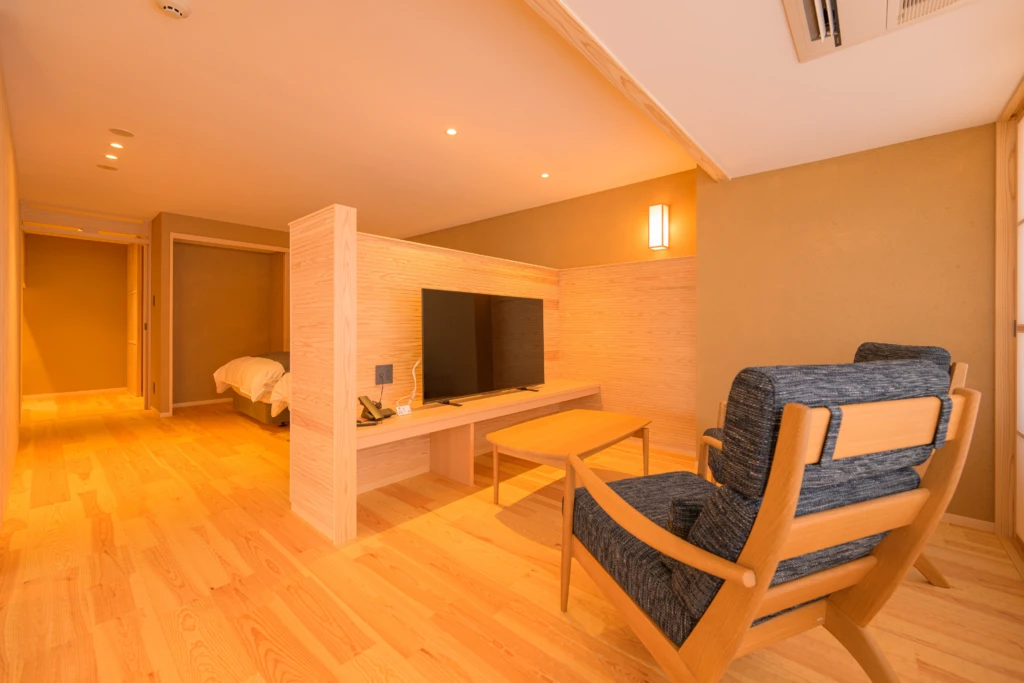
On the first day, we relaxed in the large communal baths to ease our travel fatigue. This evening, however, we chose to retreat to our room, spending quiet, unhurried time simply enjoying the calm of the space.
An Evening at Tsukimitei
We stayed in the Tsukimitei VIP Twin, a room designed in a modern Aizu style and equipped with a private onsen bath and sauna at Ookawaso.This evening, we chose to spend quiet, private time entirely in our room.
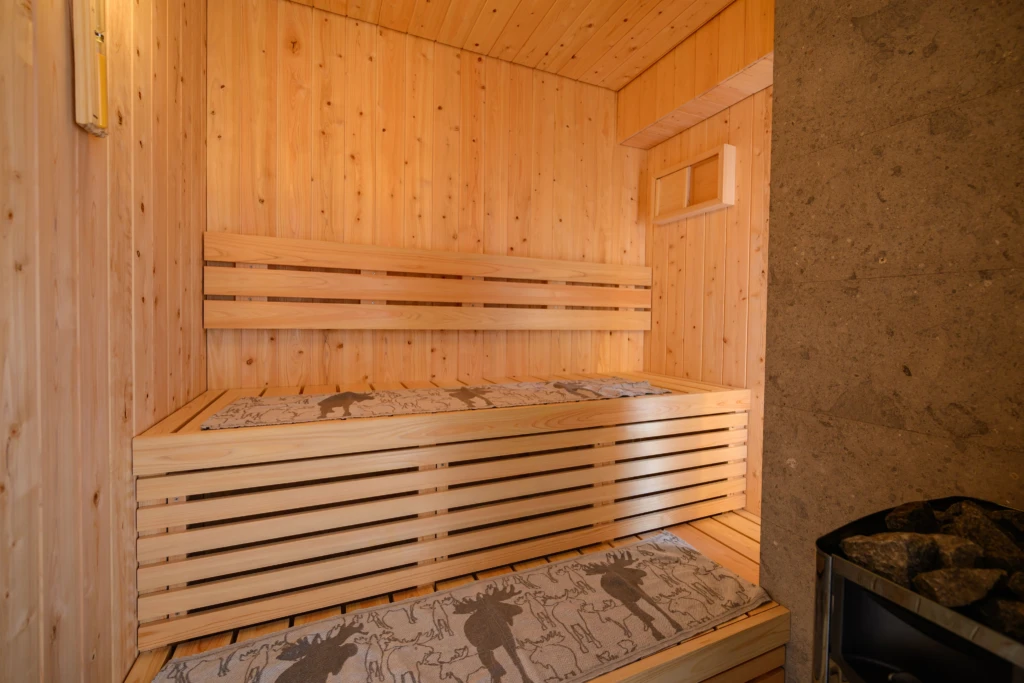
This evening, we chose to spend quiet, private time entirely in our room. The private sauna allows you to relax and reset at your own pace, for as long as you like. As warmth slowly reaches deep into the body, the fatigue from the snowy mountains gently begins to melt away.
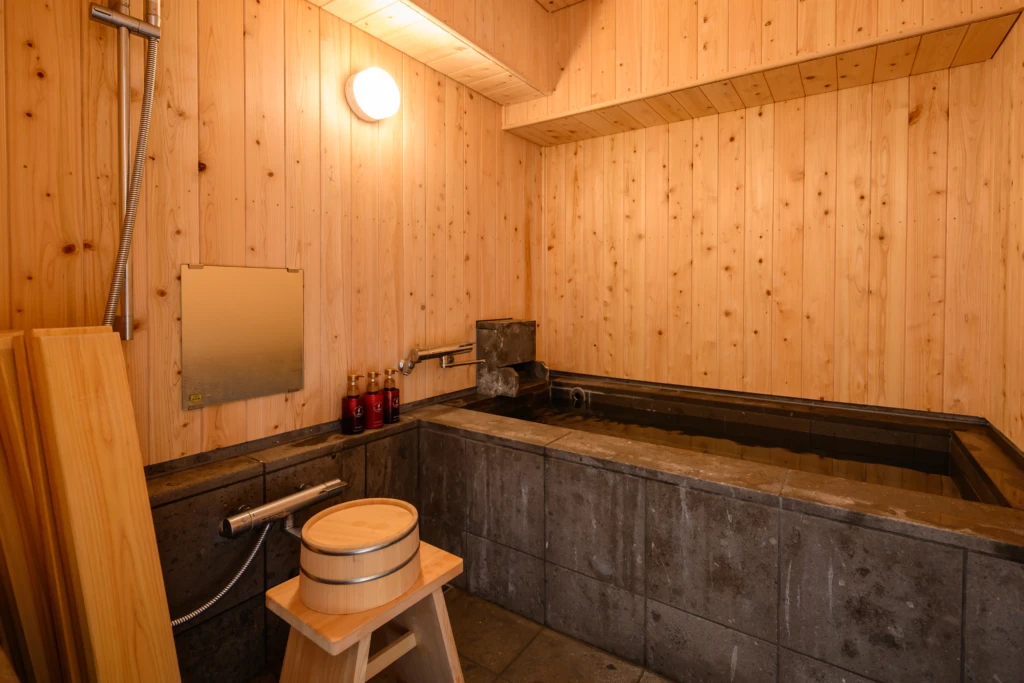
The in-room onsen bath is lined with Shirakawa stone and hinoki cypress, creating a calm and refined atmosphere. Filled with free-flowing natural hot spring water, the sulfate-rich onsen is known for its smooth, skin-friendly quality and is often called a “beauty bath.” Surrounded by the soft scent of hinoki, both body and mind are naturally guided into a state of deep relaxation.
After bathing, we were welcomed by a private tea room set within the guest room.
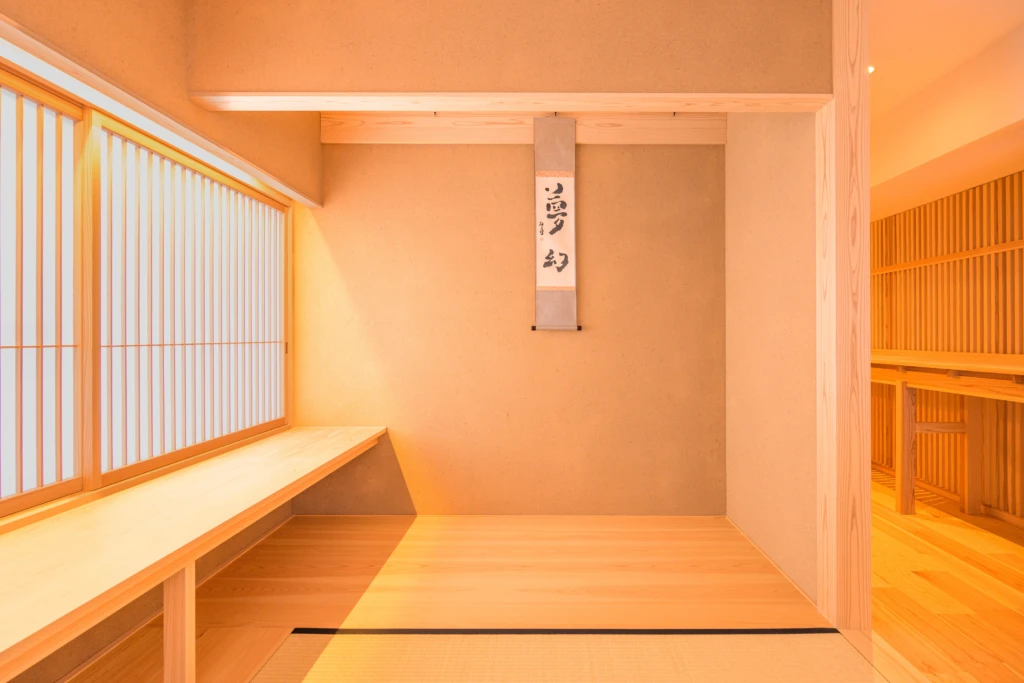
Aizu is a region where samurai culture continues to quietly live on. The tea ceremony here is not about elegance or display, but about calming the mind and being mindful of each movement. The tea room in this guest room reflects that spirit, offering a space where Aizu’s cultural values can be gently felt.
Preparing tea after a bath helps settle the heightened senses from a day in the snow, deepening the lingering feeling of the journey. A private sauna, an in-room onsen, and a tea room— time spent here, overlooking the gorge beyond the window, felt like more than just a stay.
It was a quiet and meaningful way to bring the journey to rest, allowing the experience to sink deeply into both body and memory.
Savoring Carefully Crafted Kaiseki Made with Local Aizu Ingredients
For dinner, we enjoyed a kaiseki meal prepared with an abundance of local ingredients from Aizu at Ookawaso.
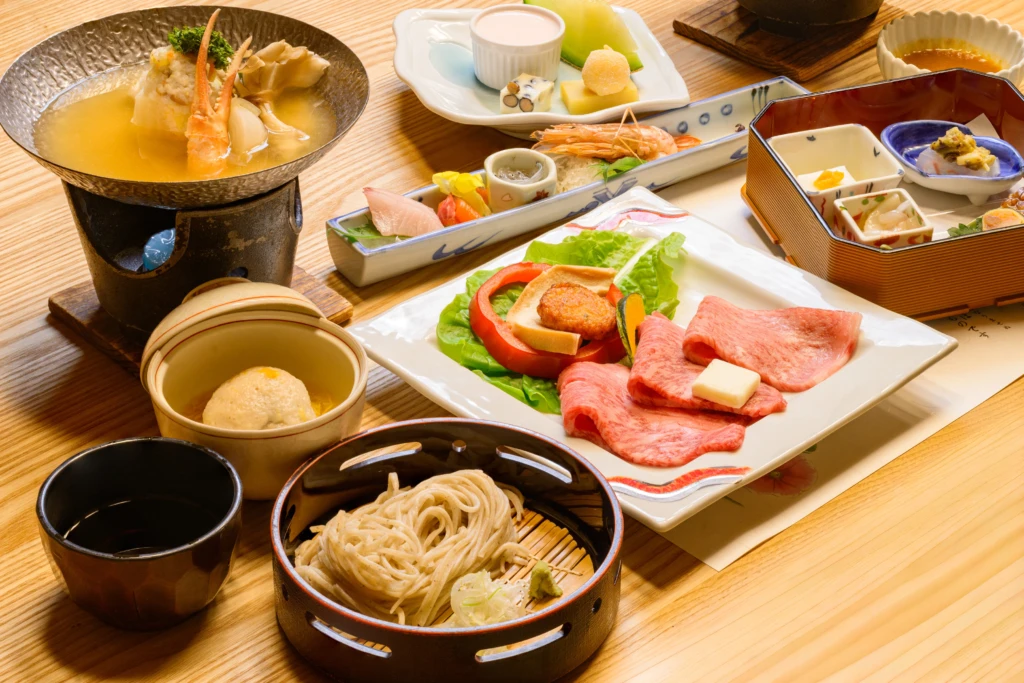
The special kaiseki course is carefully prepared dish by dish, using seasonal ingredients sourced fresh each day. The freshness and depth of flavor found in locally harvested produce once again highlight the richness of Aizu’s land.
Dinner is served at Bimikyushin KAWADOKO, an authentic Japanese kaiseki dining space.
The venue offers both private rooms separated by sliding doors and semi-private seating areas with a more open feel. This evening, we enjoyed our meal in a private room, taking our time to savor each dish in a calm and relaxed setting.
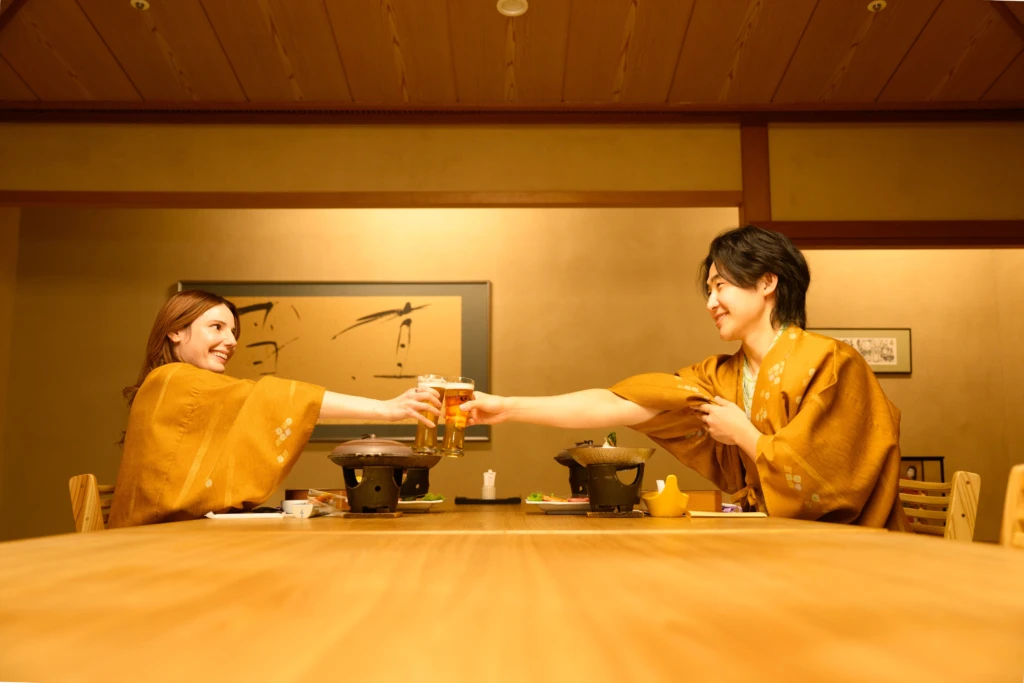
The calm space, filled with the warmth of wood, gently makes you forget the world outside. It’s a luxurious moment where your focus naturally settles on the dishes before you and the conversation you share.
Lifting the Fukushima-grown Wagyu sirloin with chopsticks, you’re surprised by its satisfying weight. As it touches the hot iron plate, a soft sizzle fills the air. With the first bite, the meat melts effortlessly, and light, high-quality fat slowly releases, spreading smoothly across the palate.
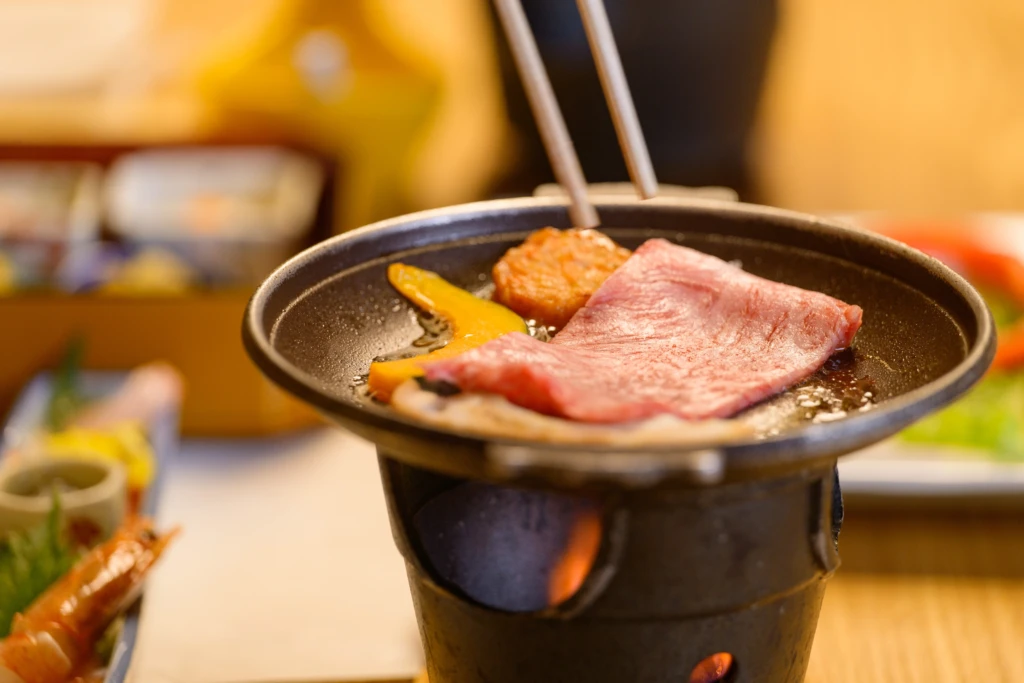
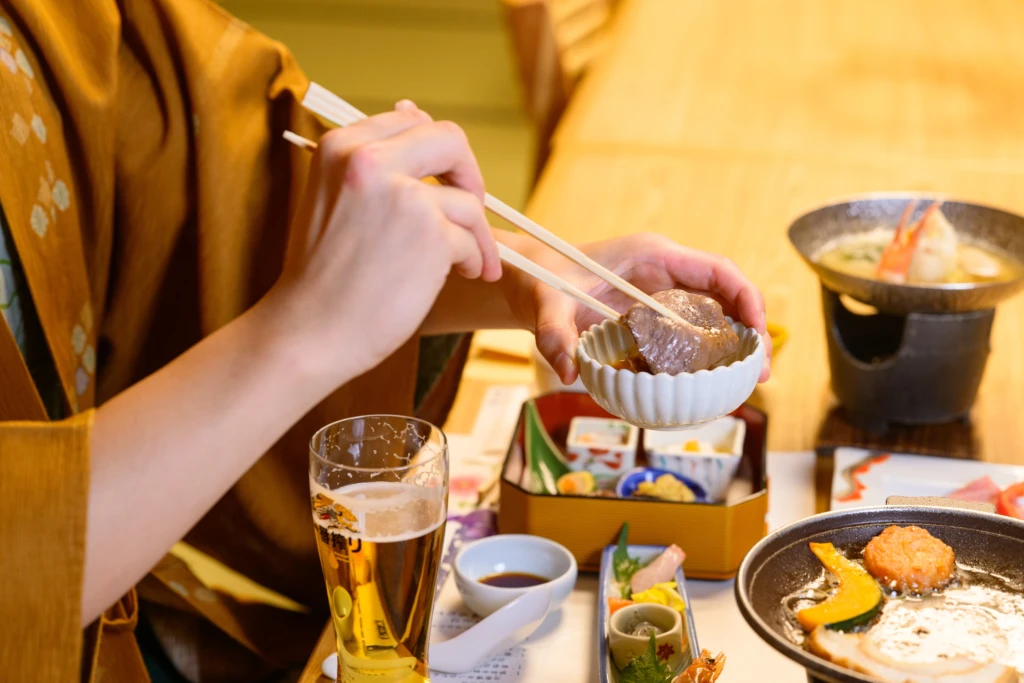
The meat and vegetables are grilled with butter, just the way you like. The Aizu-grown kuruma-fu soaked in butter is dangerously good.
The surface becomes crisp and fragrant, followed by a rich burst of melted butter that slowly spreads. Even this grilled course alone would feel satisfying, yet more beautifully presented dishes continue to fill the table before us.
The hot pot features crab claws, shrimp taro, and maitake mushrooms. Seasonal sashimi is followed by a steamed dish—lotus root and braised pork wrapped into a soft bun.
Each dish feels carefully crafted, carrying a quiet intention: to help guests forget everyday life and enjoy flavors that can only be experienced here.After savoring the rich flavors of meat and seafood, the final dish arrives—Aizu soba.
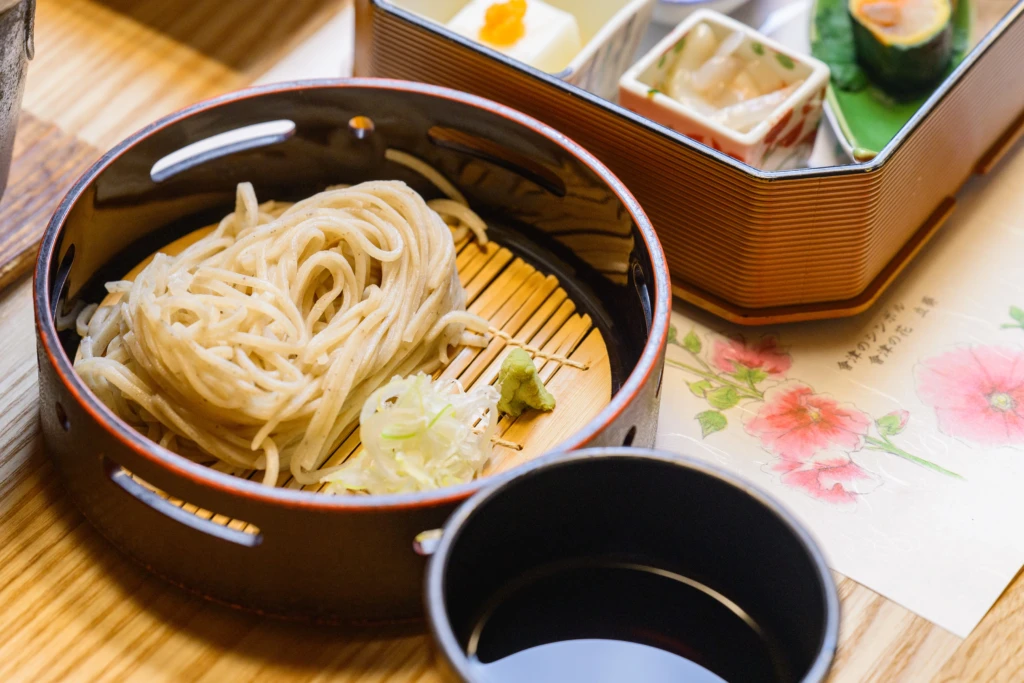
We were gently reminded to enjoy it while it was fresh, and as we tasted the freshly made soba, its texture felt light and smooth.
Clean and refreshing, yet filled with a rich buckwheat aroma, the flavor passed through the palate and left a crisp, pleasant finish.
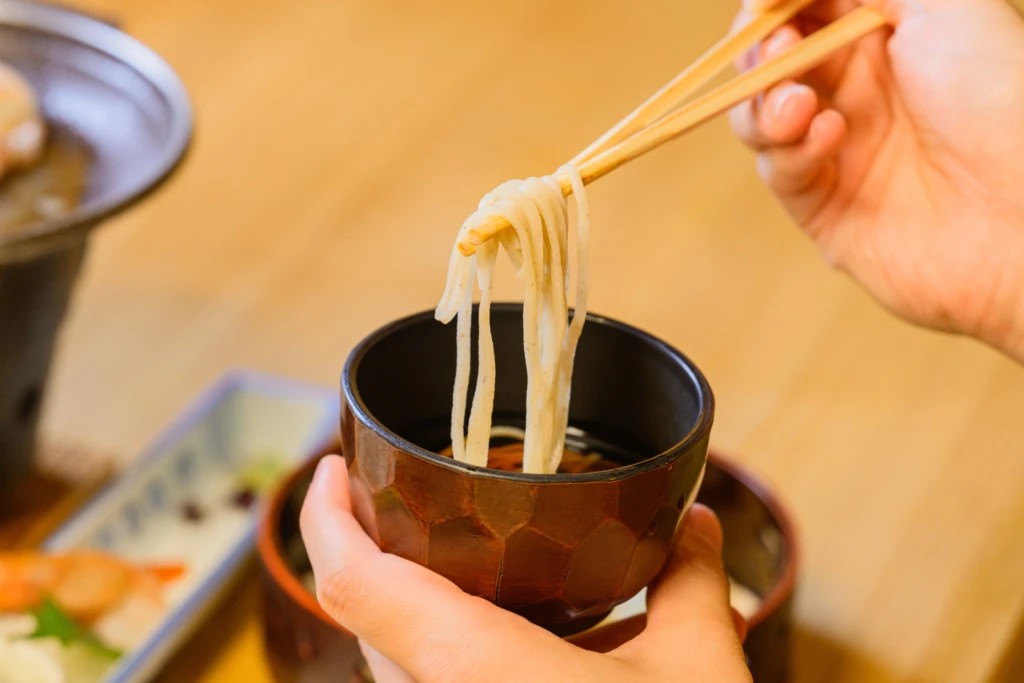
With no one rushing us, the time spent quietly focusing on the meal felt like the perfect way to close a full day in the snowy mountains. It wasn’t just about tasting the food, but about savoring the space itself. That evening’s dinner felt like a moment that quietly deepened the night in Aizu.
A Morning That Gently Sets the Tone for the Day at Ookawaso
Breakfast is served buffet-style at Ookawaso.
From the breakfast venue, you can also enjoy views of the gorge. Feeling the fresh morning air and the gentle flow of the river, the day begins in a calm and refreshing way.
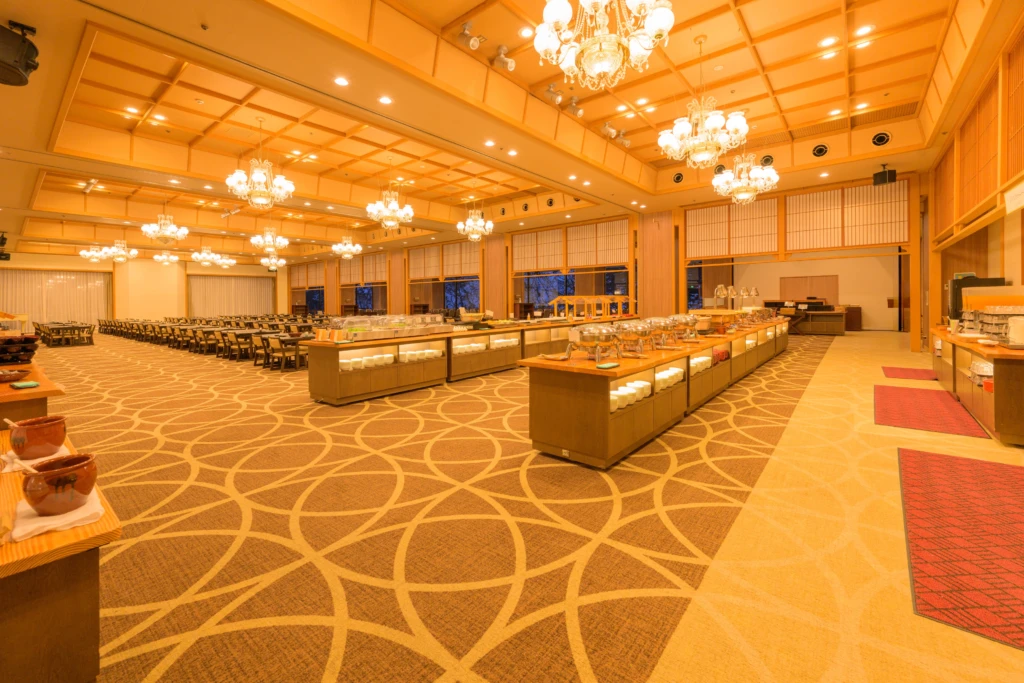
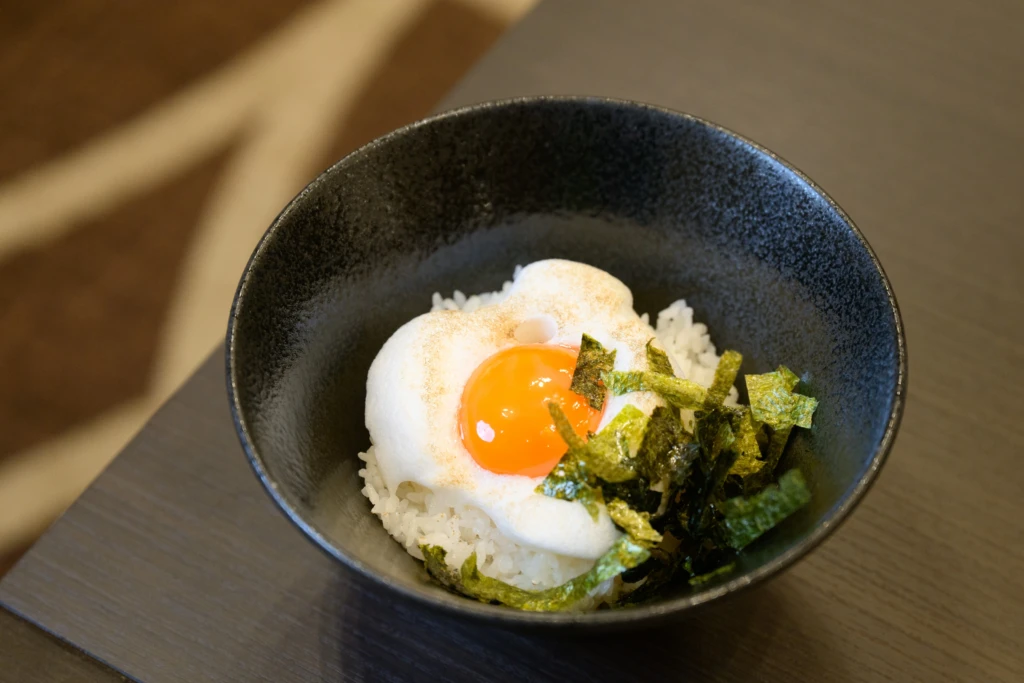
Each dish is carefully prepared using well-selected ingredients, with a strong focus on handmade cooking. One dish that comes especially recommended is Ookawaso’s original tamago kake gohan (egg over rice).
The rice is Aizu-grown Koshihikari, paired with eggs from Aizu jidori chickens. The egg whites are whipped into a fluffy meringue, lightly grilled, and topped with the rich yolk and nori(seaweed).
Because the meringue already contains dashi, it can be enjoyed without soy sauce. Adding soy sauce for a change in flavor is also recommended.
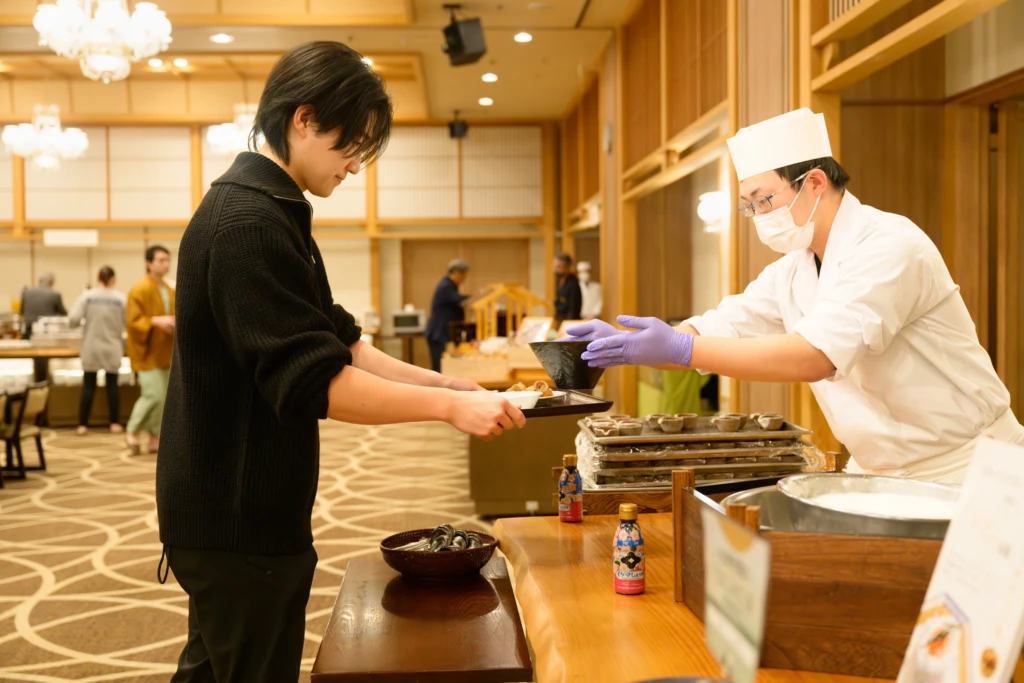
Light and airy in texture, with the deep richness of the yolk, the gentle taste of dashi and the aroma of nori and light grilling come together beautifully. It’s a dish that feels as though it softly awakens both body and senses, easing you into the morning.
As a small aside, Ookawaso is a very large ryokan. With a property of this size, you might expect it to feel somewhat impersonal—but that wasn’t our experience at all.
Throughout our stay, the staff quietly paid attention to us. Whenever we had a question, someone was always there to guide us with care. They were never intrusive, yet we were never left on our own. That subtle, well-balanced distance felt deeply comfortable.
It’s this accumulation of small, thoughtful moments that reflects Japan’s spirit of omotenashi.
More than its scale or sense of luxury, our time at Ookawaso was defined by the warmth of the people behind the experience.
One small detail stood out in particular: in the shared spaces, room-temperature water and hot water were prepared for families who need to make milk for young children.
It felt like a detail noticed by someone who truly understands parenting—perhaps a perspective shaped by the proprietress’s own experience. Despite being a large ryokan, Ookawaso quietly shows consideration for guests of all ages and backgrounds, with sincere care gently woven throughout the property.
Lingering Moments of the Journey
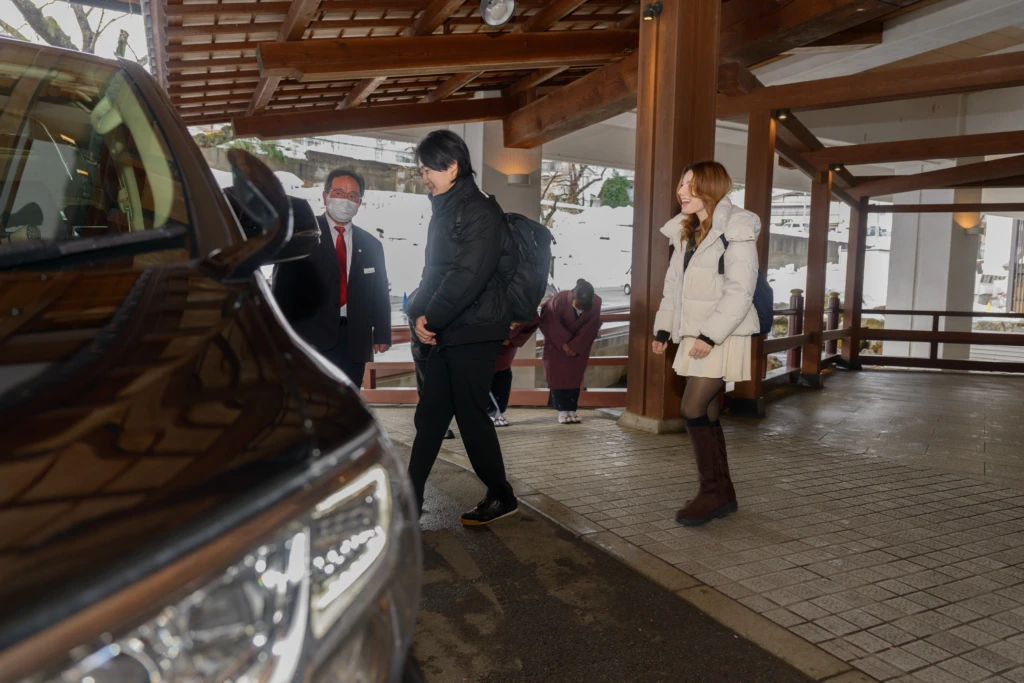
After calling for our private car once again, it was time to leave Ookawaso. Holding back our lingering feelings, we decided to quietly savor the afterglow of the stay as we rode away.
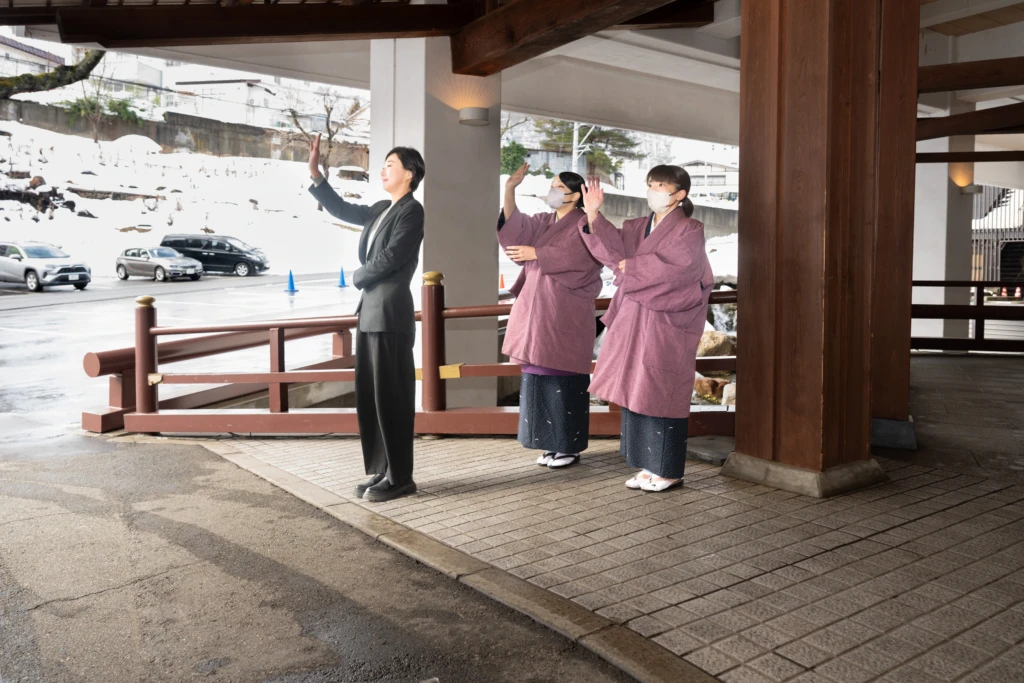
The proprietresses stood outside, turning their bodies to follow us as we disappeared from view, waving until the very end. For some reason, that scene stayed deeply with us.
More than the beautiful scenery or refined facilities, there was something else clearly alive here—the warmth of human connection. At the end of the journey, what remained in our hearts was not grandeur, but a gentle kindness that made us think,
“We want to come back again.”