


Oshokujidokoro Mitsubatsutsuji no Ie
Enjoying soba paired with rainbow trout dishes.

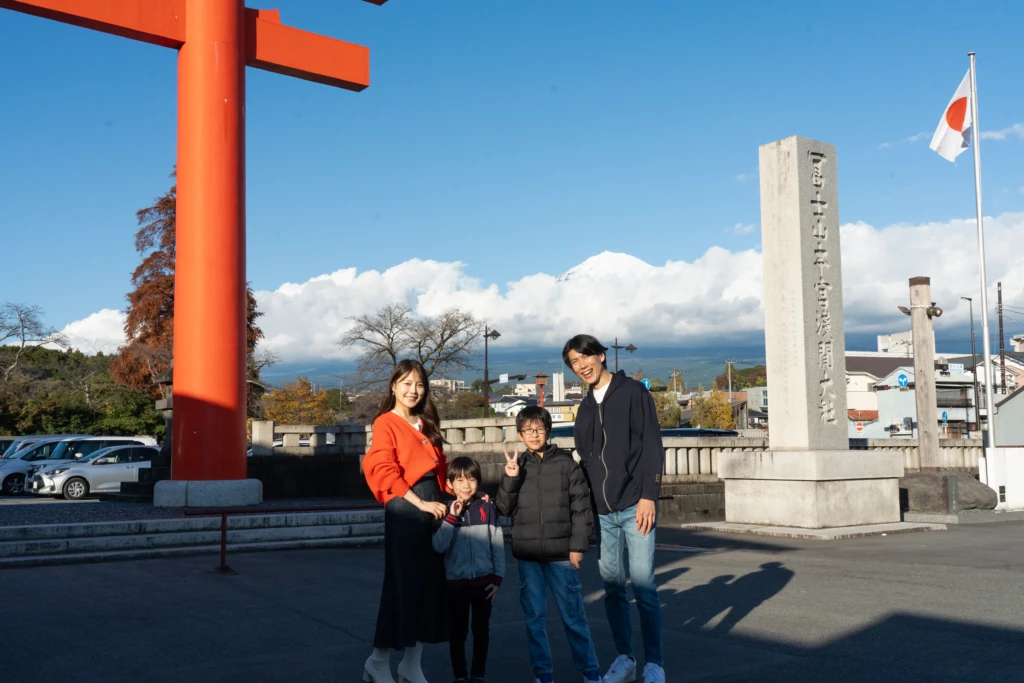
The head shrine of Japan's 1,300 Sengen shrines, dedicated to the deity of Mount Fuji.
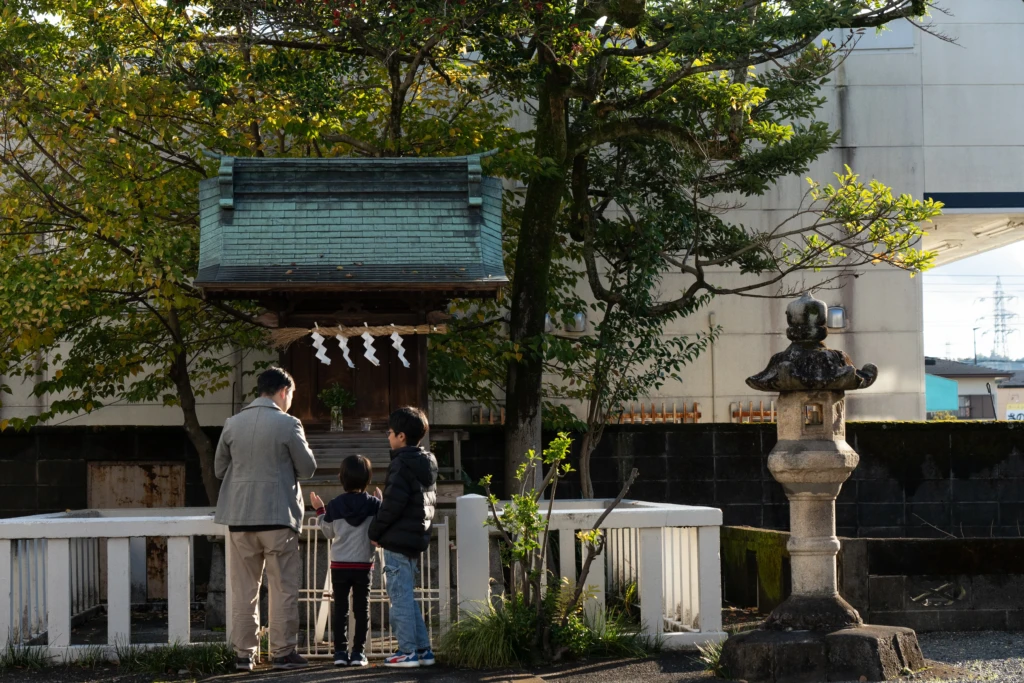
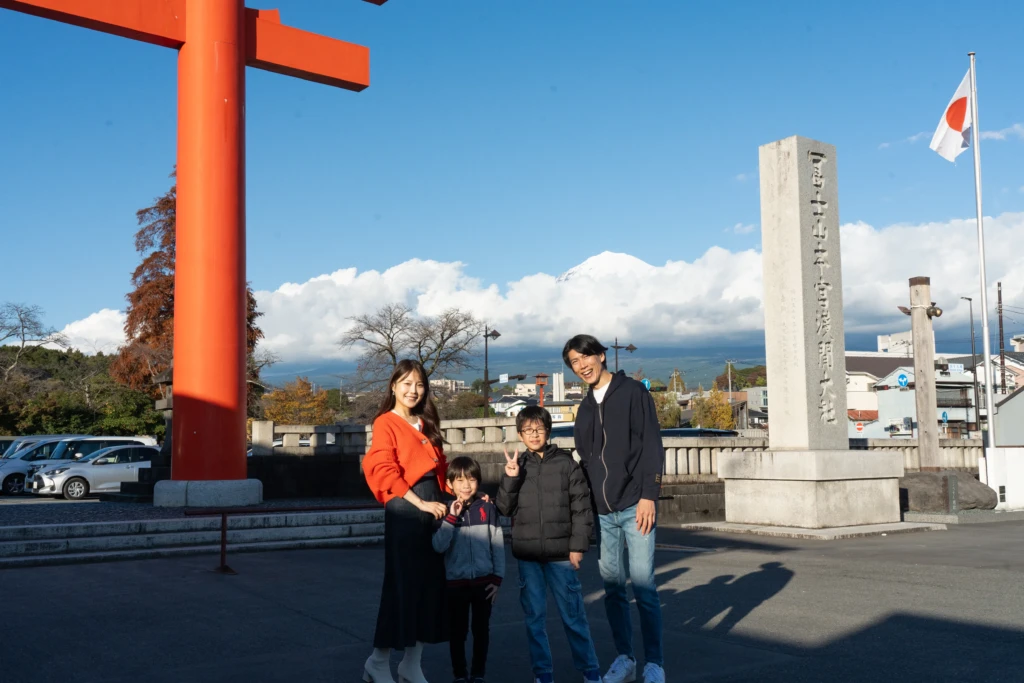
Fujisan Hongu Sengen Taisha is a historic Shinto shrine located in Fujinomiya City, Shizuoka Prefecture. It is the head shrine of over 1,300 Sengen shrines across Japan, the primary shrine of the former Suruga Province, and is considered the oldest shrine in the Tokai region. The shrine worships Mount Fuji itself as its sacred body, and its main deity is Konohanasakuya-hime-no-mikoto (also known as Asama Okami).
The shrine’s origins lie in calming the volcanic activity of Mount Fuji. According to shrine records, a massive eruption forced local residents to flee and left the area devastated. In response, the 11th Emperor Suinin enshrined Asama Okami in the third year of his reign (27 BC) to appease the mountain spirit. This was the first time the deity was enshrined to calm Mount Fuji, marking the origin of all Sengen shrines nationwide. In June 2013, it was registered as a component site of the Mount Fuji UNESCO World Heritage listing.
One of the primary highlights is the magnificent complex of shrine buildings donated by Tokugawa Ieyasu. Built in 1604, the structures that survive today include the main hall, the offering hall, the worship hall, and the tower gate. The main hall features a unique two-story architecture known as Asama-zukuri. This specific design is found nowhere else, and the building receives special protection as an important cultural property.
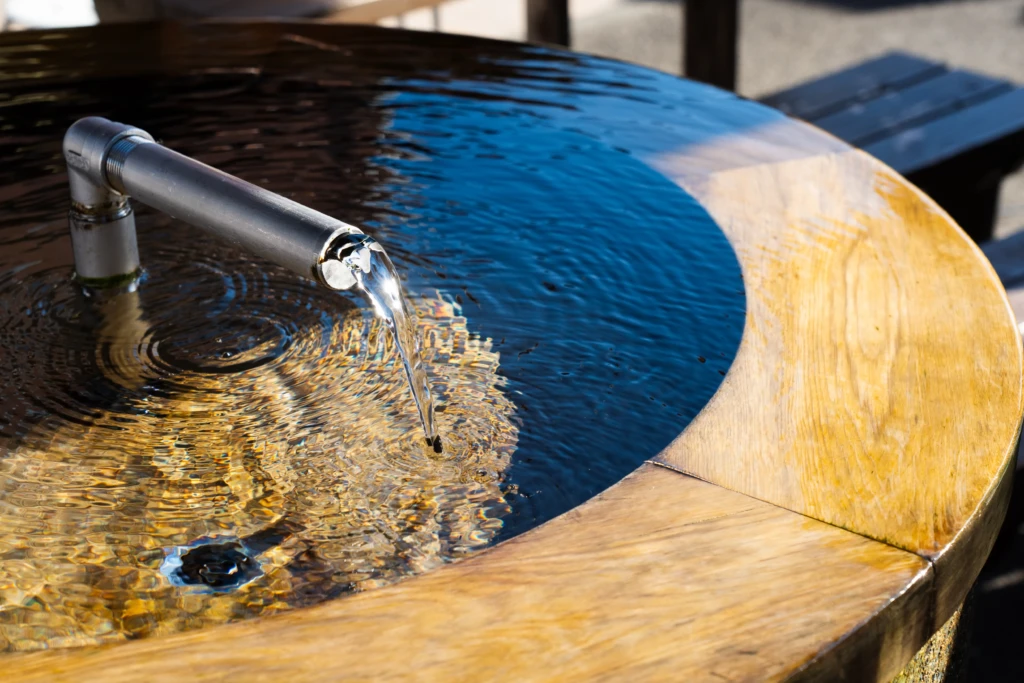
Another major symbol of the shrine is Wakamaike Pond, located on the eastern side of the grounds. Formed by Mount Fuji’s snowmelt filtering through layers of lava and emerging as a spring, it is designated as a National Special Natural Monument. Historically, climbers would purify themselves in these sacred waters before ascending Mount Fuji. Approximately 200,000 tons of spring water bubble up daily, maintaining a constant volume and a steady temperature around 13°C (55°F) year-round. Additionally, cherry blossoms are considered the sacred tree of the shrine due to the main deity’s name, and 500 cherry trees line the grounds, making it a popular cherry blossom viewing spot in spring.
In spring, it comes alive as a popular cherry blossom spot!
The shrine is a 10-minute walk from JR Minobu Line Fujinomiya Station. The standard route is to pass under the large torii gate, walk down the approach, and enter through the tower gate to pay your respects at the worship hall. Drawing deep reverence nationwide, the deity Konohanasakuya-hime-no-mikoto is worshipped as a guardian of family harmony, safe childbirth, and water, as well as protection against fire, and for safe seafaring, fishing, and agriculture. It is a great spot to visit to pray for matchmaking, safe childbirth, or family peace.
After参拝 (visiting the main hall), head to Wakamaike Pond located to the back right. At the rocky water source stands Mizuya Shrine, a graceful vermilion sub-shrine, and a nearby drinking station allows visitors to taste the fresh spring water from Mount Fuji. Strolling along the clear pond and the walking path by the Kanda River lets you experience the blessings of Mount Fuji firsthand. On clear days, you can also enjoy views of Mount Fuji.
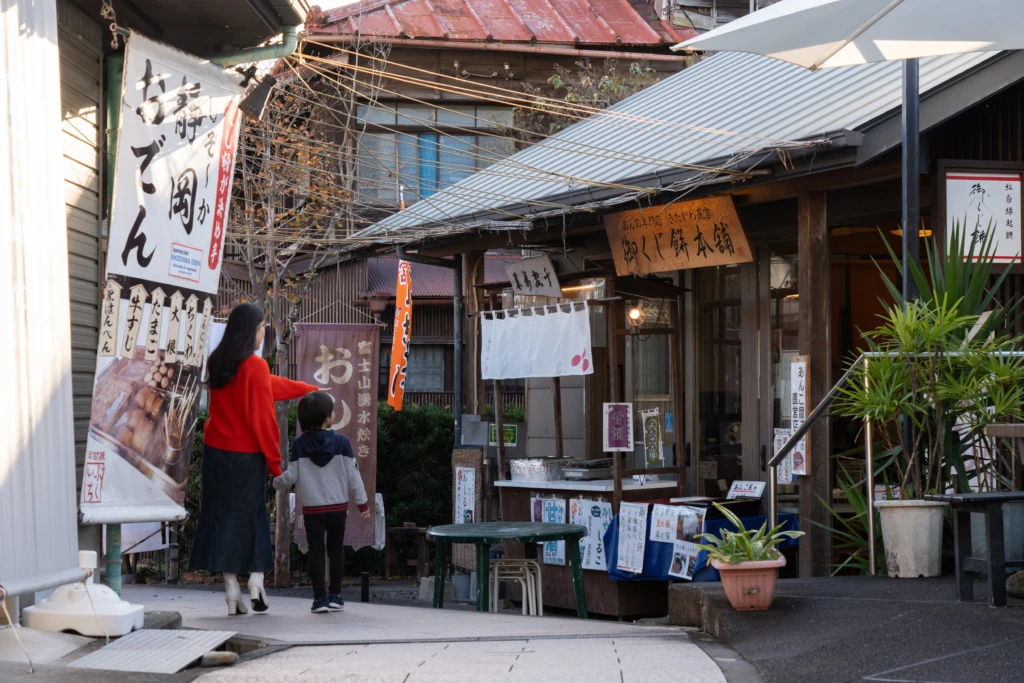
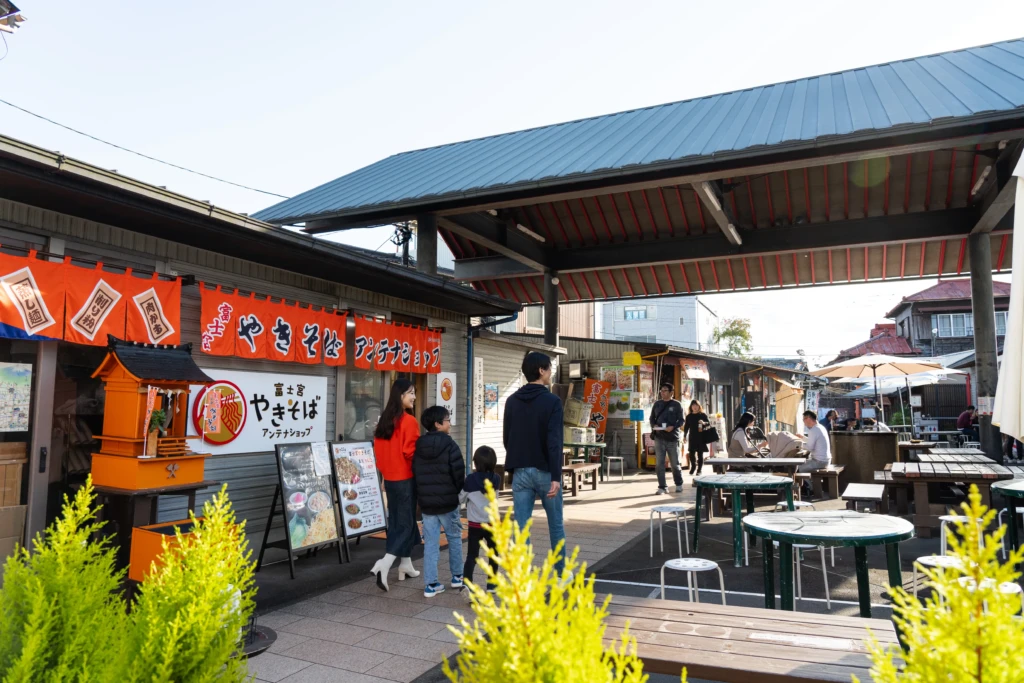
Visiting during seasonal festivals offers another great experience. Events include the Yabusame (horseback archery) Festival in May, which dates back to an offering by Minamoto no Yoritomo, the Mount Fuji Climbing Season Opening Festival in July, and the Autumn Annual Festival in November. After visiting, a popular half-day itinerary includes tasting local Fujinomiya yakisoba noodles at Omiya Yokocho street right in front of the large torii gate or walking to the nearby Mt. Fuji World Heritage Centre. Goshuin (shrine stamps) and amulets are also available.
Name: Fujisan Hongu Sengen Taisha Shrine
Hours: April to September: 5:00–20:00 / March and October: 5:30–19:30 / November to February: 6:00–19:00 (Prayer registration is available from 8:30–16:30).
Closed: None (Free to visit during opening hours).
Admission: Free
Parking: Available (Paid parking: ¥200 per hour / maximum ¥1,500 per day. Free for the first 30 minutes for all visitors, and free for 2 hours for those receiving formal prayers).
Address: 1-1 Miyacho, Fujinomiya City, Shizuoka Prefecture
Access:
Public Transport: About a 10-minute walk from JR Minobu Line Fujinomiya Station.
By Car: About 15 minutes from the Shin-Tomei Expressway Shin-Fuji IC via the Nishi-Fuji Bypass, or about 20 minutes from the Tomei Expressway Fuji IC via the Nishi-Fuji Bypass.