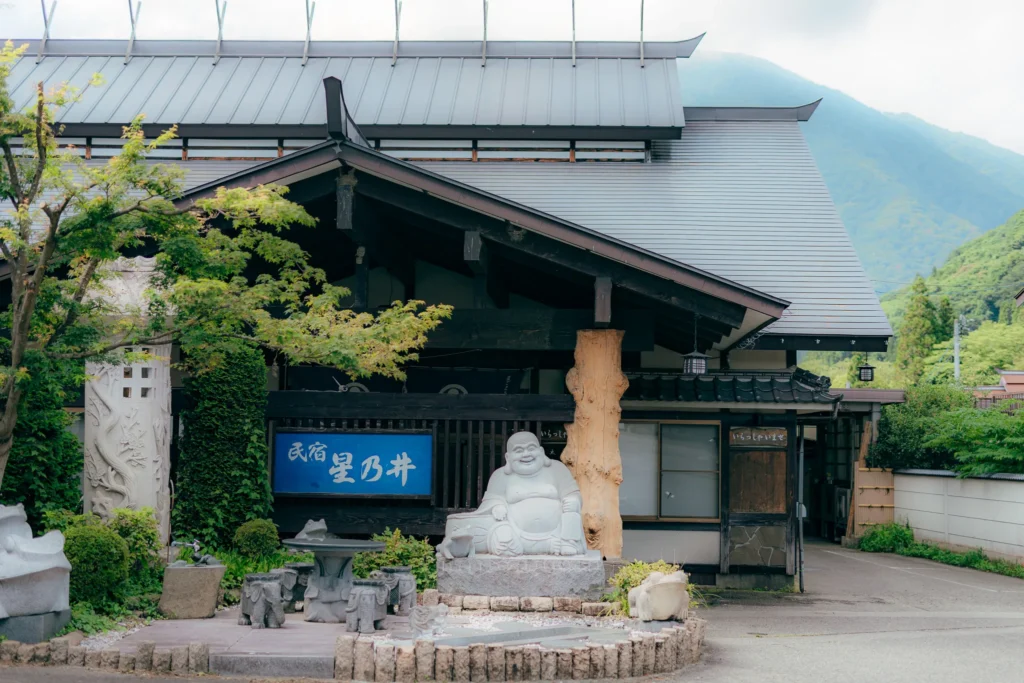
Aizu Local Food and Sakura Nabe Tsuruga Aizu Main Store
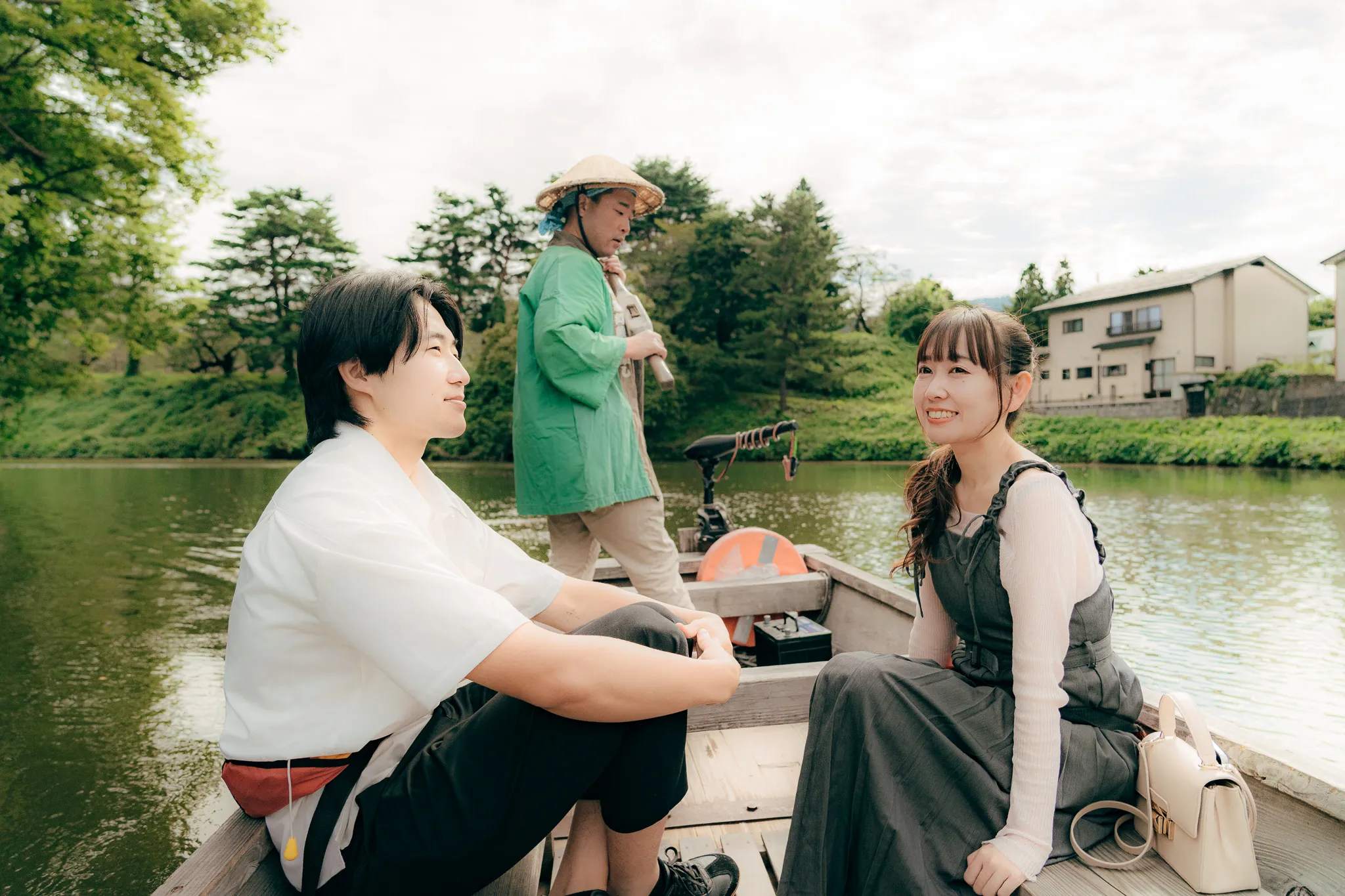
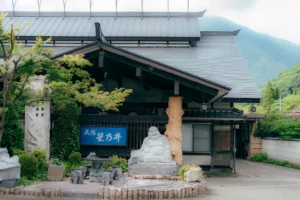
Cheers with premium "Basashi" and "Sakura Nabe". A renowned restaurant to enjoy Aizu's local cuisine in a relaxing atmosphere.

A Sacred Hall of the Aizu Thirty-Three Kannon, Living Heritage of Japan
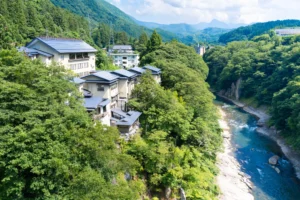
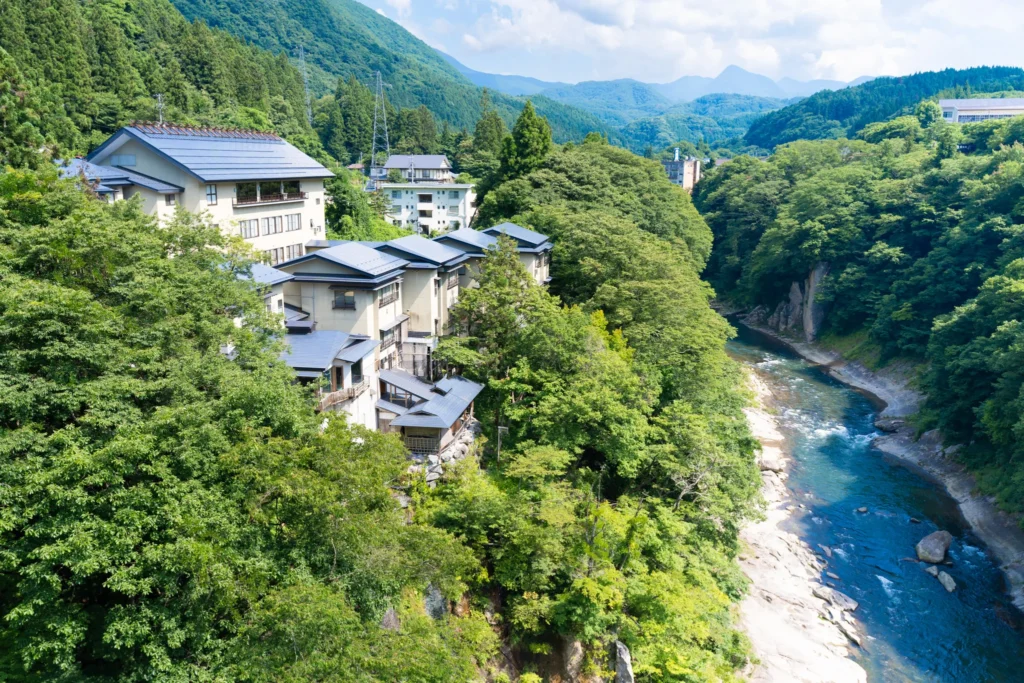
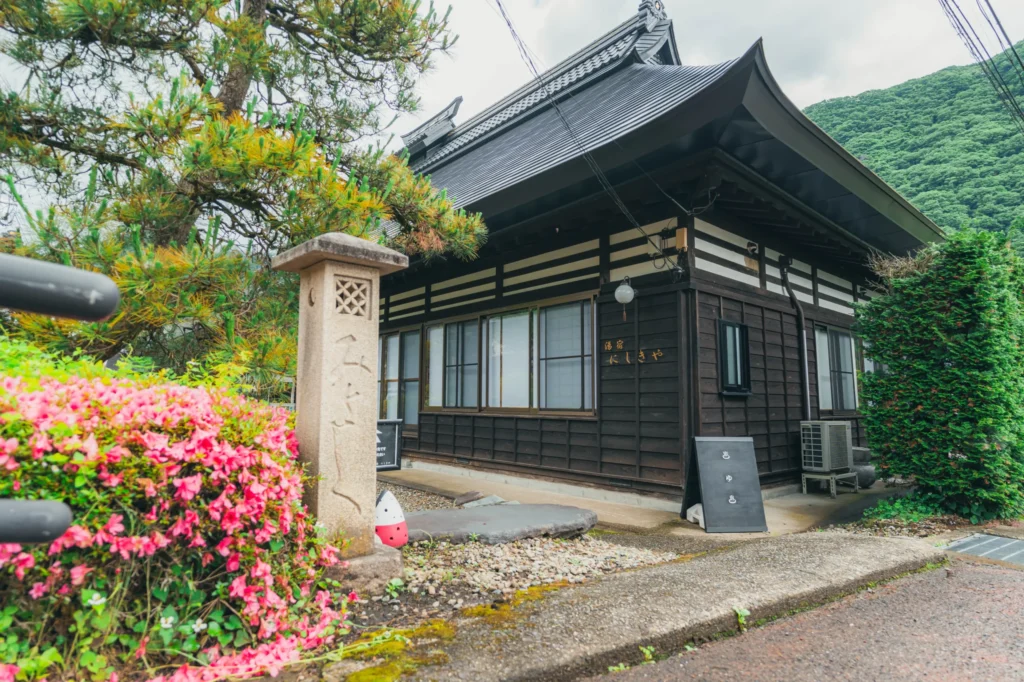
Nearby Ryokans
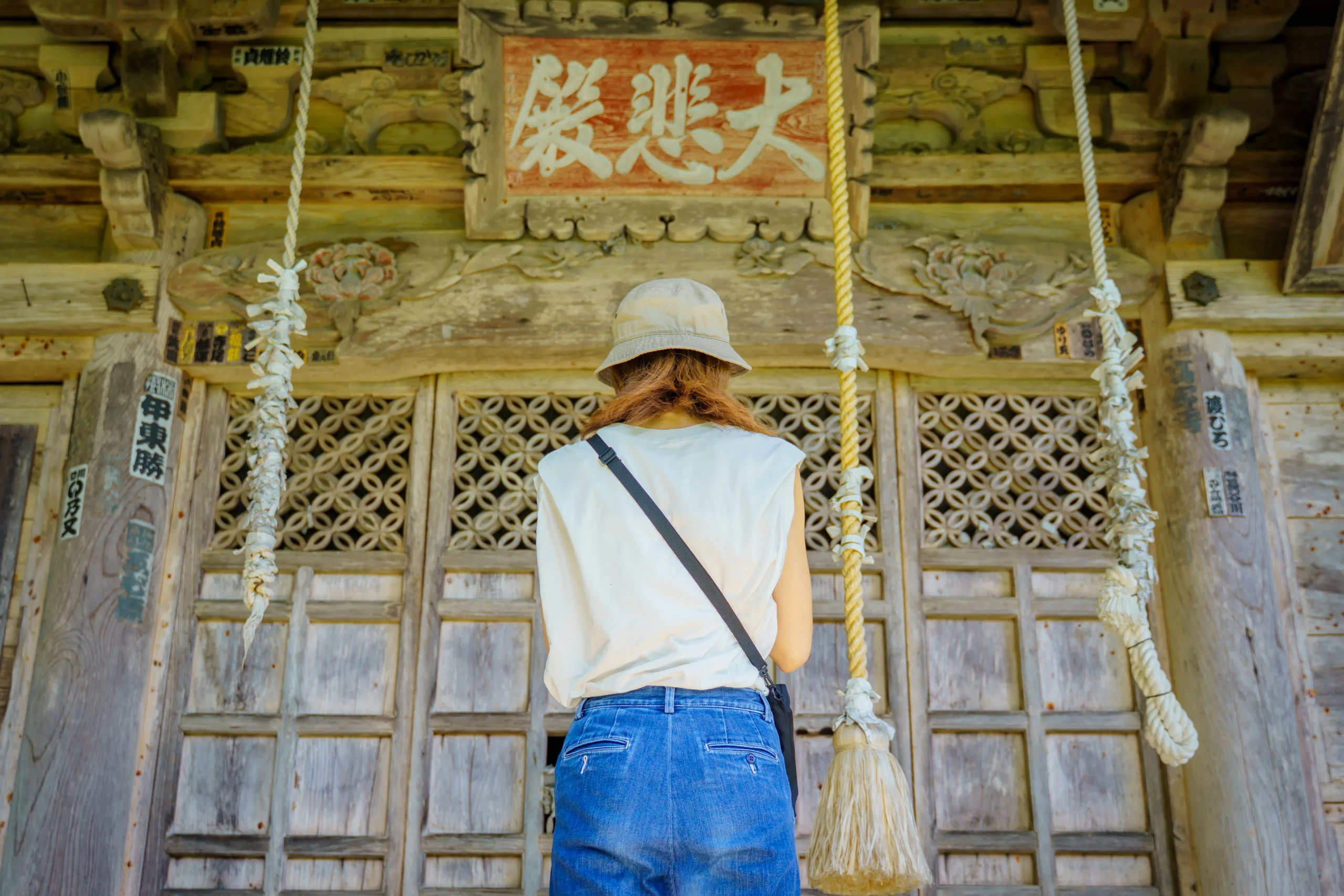
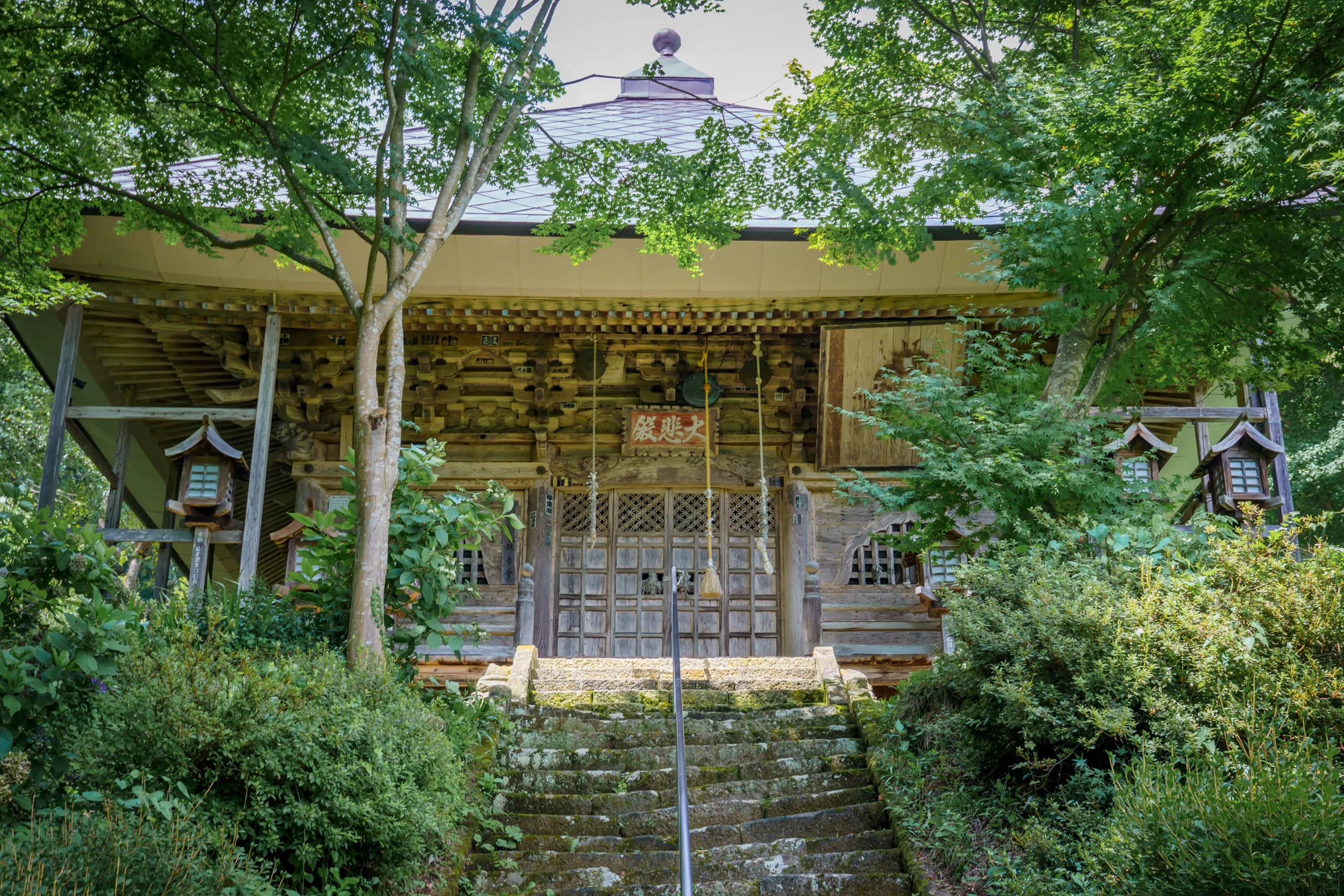
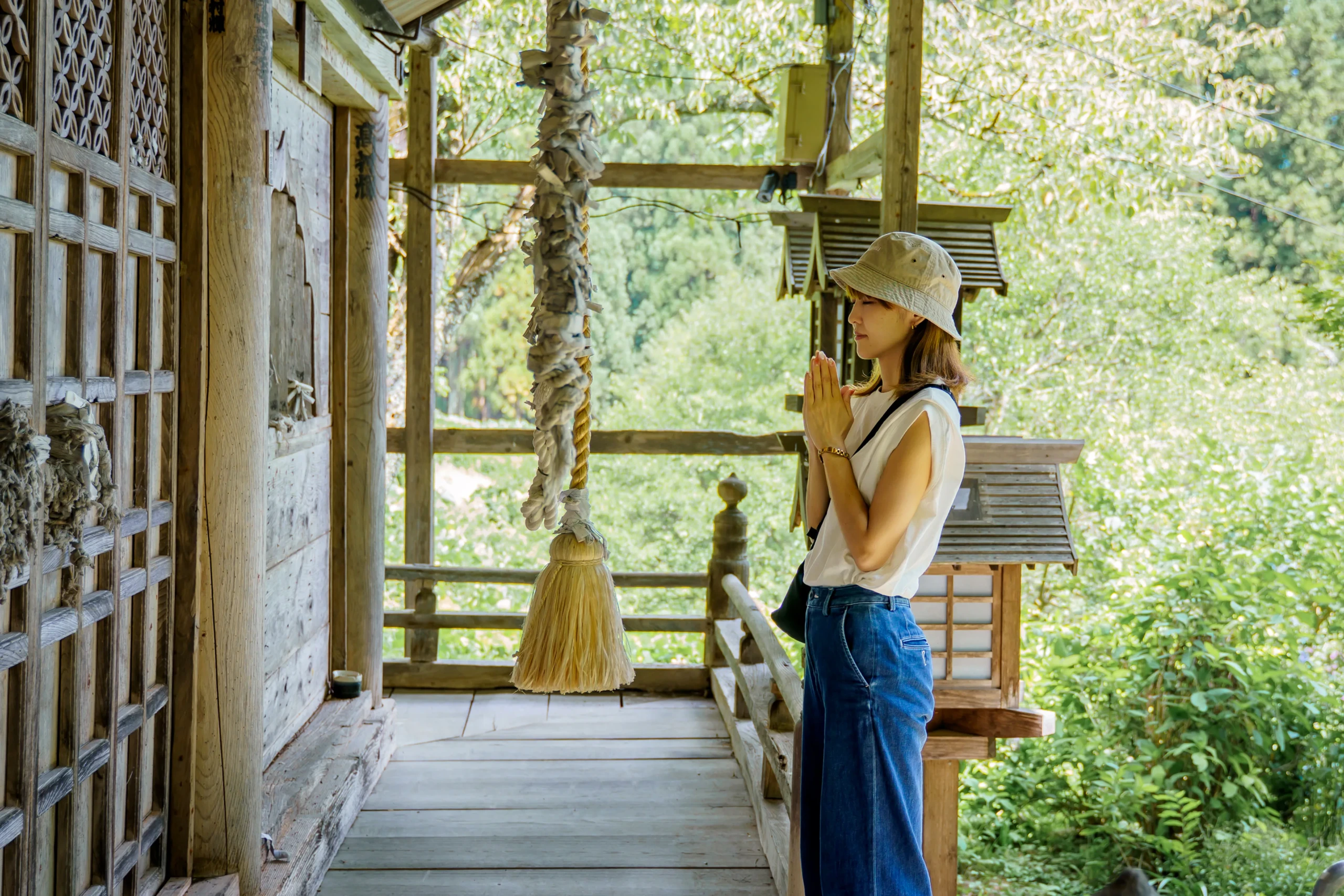
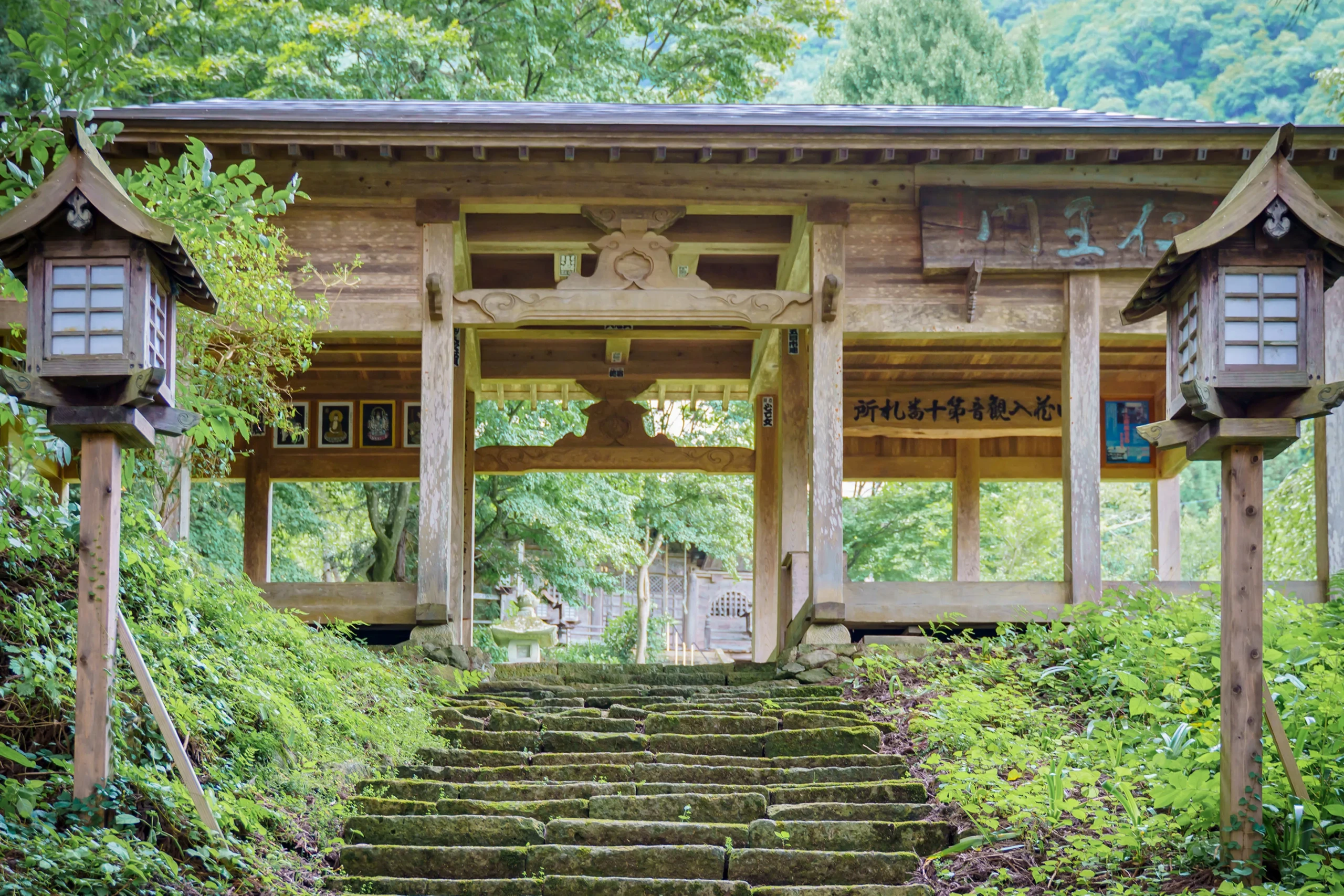
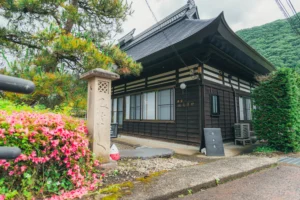
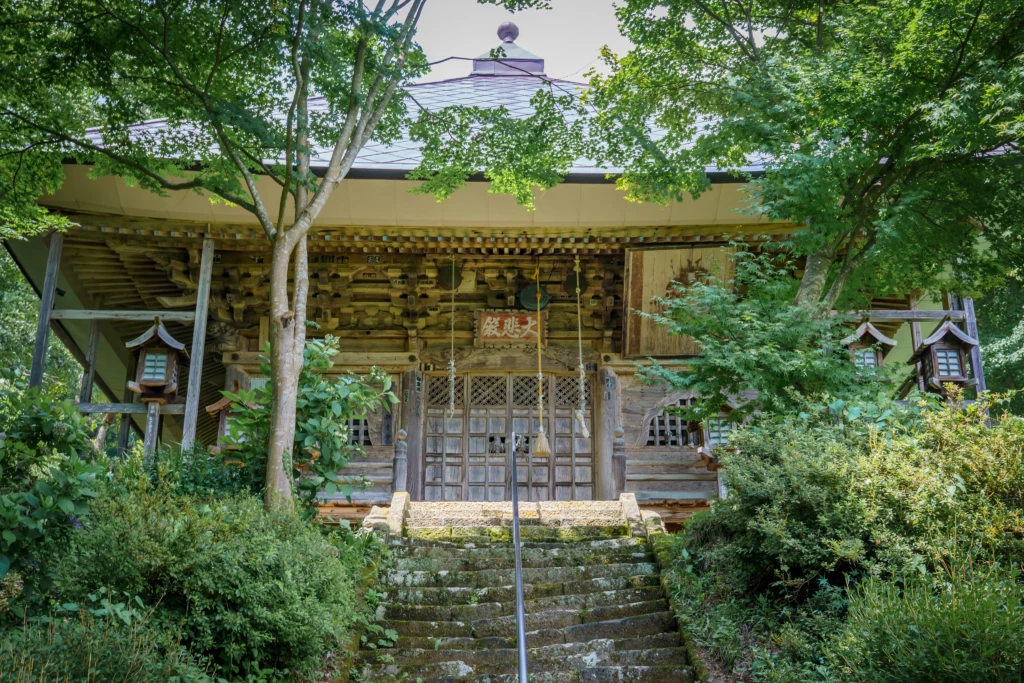
Located in the Yunokami Onsen district of Shimogo Town, Minamiaizu District, Fukushima Prefecture, Ono Kannon Hall is a small shrine affectionately known locally as “Ono’s Kannon-sama.” It enshrines the Eleven-Faced Kannon Bodhisattva as its principal image and is also known by the alternate name “Daiji-den Kannon Hall.” In 2016, it was designated as a Japan Heritage site as part of the cultural assets comprising the “Aizu Thirty-Three Kannon Pilgrimage: A Glimpse into Aizu’s Past Culture Through Pilgrimage.”
The Mikurairi Thirty-Three Kannon Pilgrimage, passed down in the Aizu region since the Edo period, is a traditional pilgrimage visiting 33 sacred Kannon sites scattered throughout the Aizu area. Ono Kannon Hall is the tenth temple on this pilgrimage route and is said to grant blessings for marriage and safe childbirth.
In 1813 (Bunka 10), the local priest Daio Tokumei collected donations from 277 surrounding villages. He relocated the Kannon statue, originally enshrined at the summit of Mount Ono, to its present site and rebuilt this hall. His seated statue is enshrined within the hall.
Since then, Ono Kannon Hall has continued to draw deep devotion from the local community. Even today, many visitors can be seen bowing in prayer amidst the quiet forest. It is a hidden gem tourist spot in Shimogo Town, easily combined with visits to Yunokami Onsen Station, famous for its thatched-roof station building, and Ouchi-juku, where an Edo-period post town remains preserved.
It is a hidden gem tourist spot in Shimogo Town, easily combined with visits to Yunokami Onsen Station, famous for its thatched-roof station building, and Ouchi-juku, where an Edo-period post town remains preserved.
The grounds of Ono Kannon Hall, surrounded by cedar groves, are enveloped in silence, removed from the city’s clamor. Nothing can be heard but the rustling of trees in the wind and birdsong, creating an almost mystical atmosphere where time seems to stand still.
The wooden hall, dating back to the Edo period, is well-preserved, allowing visitors to sense its history within its serene presence. Ono Kannon Hall is built in the “Tang-style Zen Buddhist square three-bay hipped roof structure”—meaning it features a stable roof where the peak converges at a single point and slopes downwards on all four sides. The building itself is square, measuring three bays both in width and depth (square three-bay structure), constructed in the Zen Buddhist architectural style commonly seen in Zen temples. This style originated in China and was introduced to Japan after the Kamakura period.
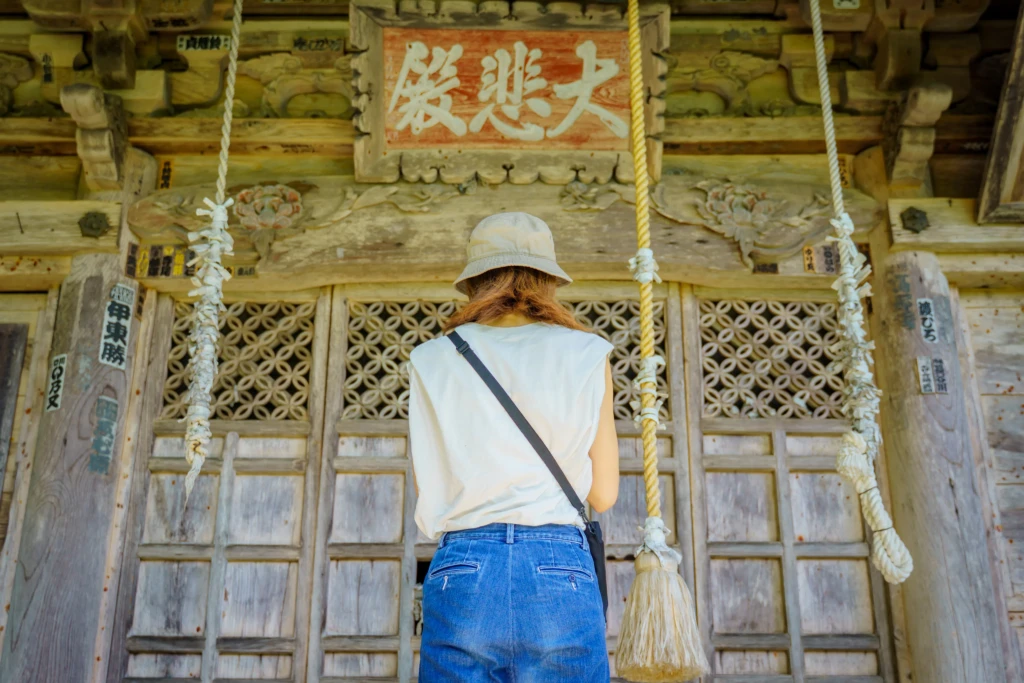
Inside the hall, a Shumidan altar enshrines Buddhist statues, along with statues of the Sixteen Arhats. A seated statue of the priest who dedicated himself to its reconstruction is also enshrined here. When visiting, pause quietly amidst the cool air of the cedar forest and offer a prayer at the hall. While some come specifically to worship, many others use it as the trailhead for climbing Mount Ono. In this quiet environment with few people, you can spend a moment feeling your spirit cleansed.
The area around Kannon Hall is dazzling in spring with the fresh green of the surrounding mountains, and vibrant in autumn with colorful foliage. Stroll along the paths and enjoy the scenery changing with the seasons. The moss-covered stone steps harmonize with the historic wooden architecture, making it an irresistible spot for photography enthusiasts. While the Kannon Hall is usually unattended, it holds a special event called the Gokaicho every ten years, when the main Kannon statue is specially unveiled. Only during this time does it bustle with many visitors.
The balustrade features onion-shaped decorative fittings called giboshi, and the front is adorned with decorative windows called hanatou-mado, which have flame-shaped and arched upper sections.
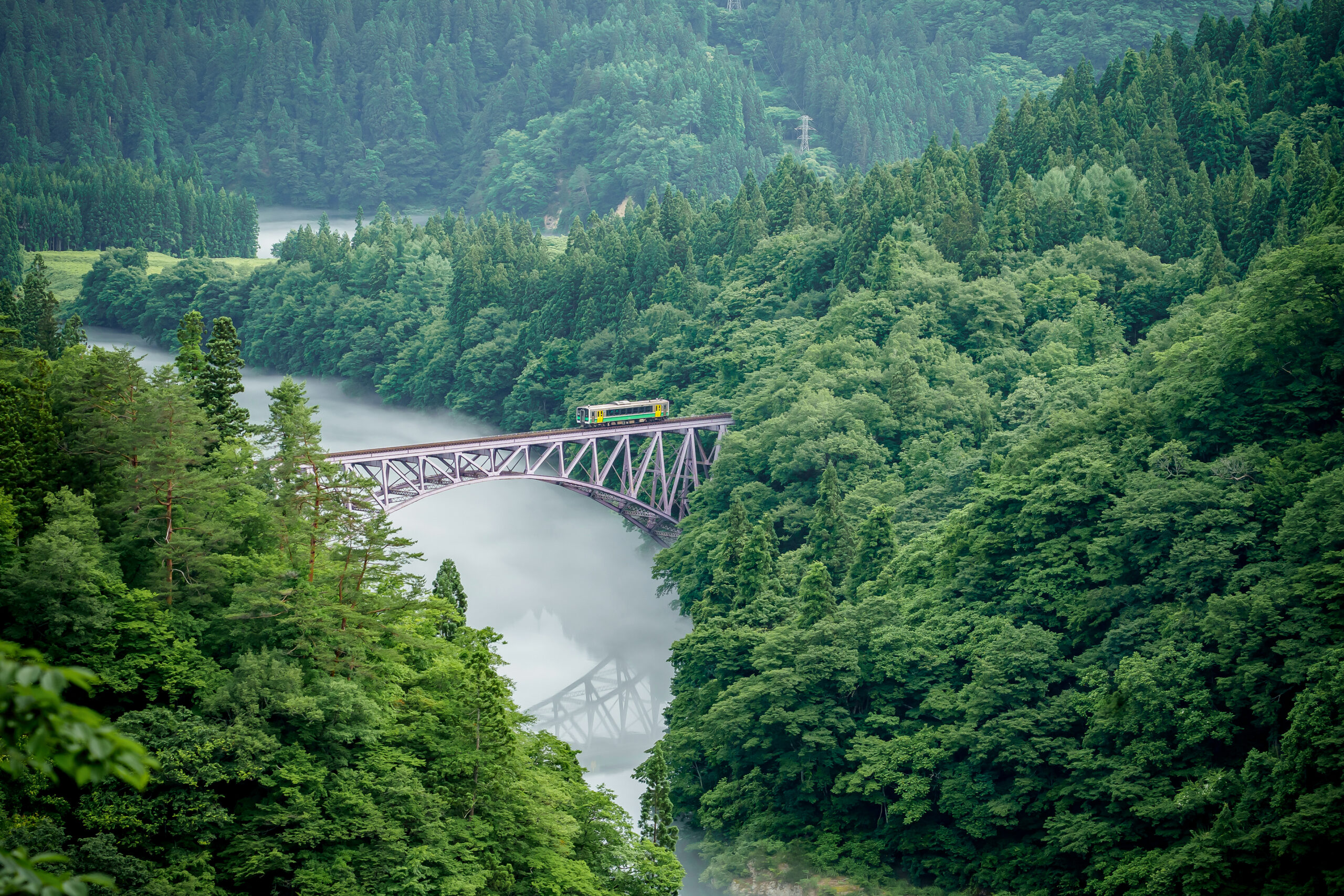
If arriving by train, get off at Yunokami Onsen Station on the Aizu Railway. The charming thatched-roof station building features a free footbath, so we recommend soothing your travel fatigue here before starting your exploration. It’s also a spot where you can enjoy cherry blossoms in full bloom during spring. It’s about a 15-minute walk from the station to Kannon-do Hall.
Mount Ono, towering between Yunokami Onsen and the charming old post town of Ouchi-juku lined with thatched-roof traditional houses, has trailheads on both the Yunokami Onsen side and the Ouchi-juku side. Ono Kannon Hall stands on the Yunokami Onsen side and serves as the main approach to Mount Ono. Climbing up the mountainside through the forest towards the hall from the station, the Kannon Hall quietly emerges amidst the cedar trees. For those arriving by car, a paved road leads close to the Kannon Hall, and a parking lot (for 5 cars) is available beside the temple grounds. A large cedar tree towers over the stone steps at the entrance to the grounds, and the hiking trail begins from the left rear of the solemn Kannon Hall.
If you enjoy mountain climbing, consider visiting Ono Kannon Hall during your hike up Mount Ono, which stands at 1,383 meters (4,567 feet). The recommended climbing season runs from late April to October. Ascending from the Ouchi-juku side allows you to immerse yourself in the rich natural surroundings of beech and Japanese white oak forests, while climbing from the Kannon Hall side offers panoramic views of the hot spring town. The hike to the summit takes about two hours. The summit offers a 360-degree panorama, with particularly stunning views during the seasons of fresh greenery and autumn foliage.
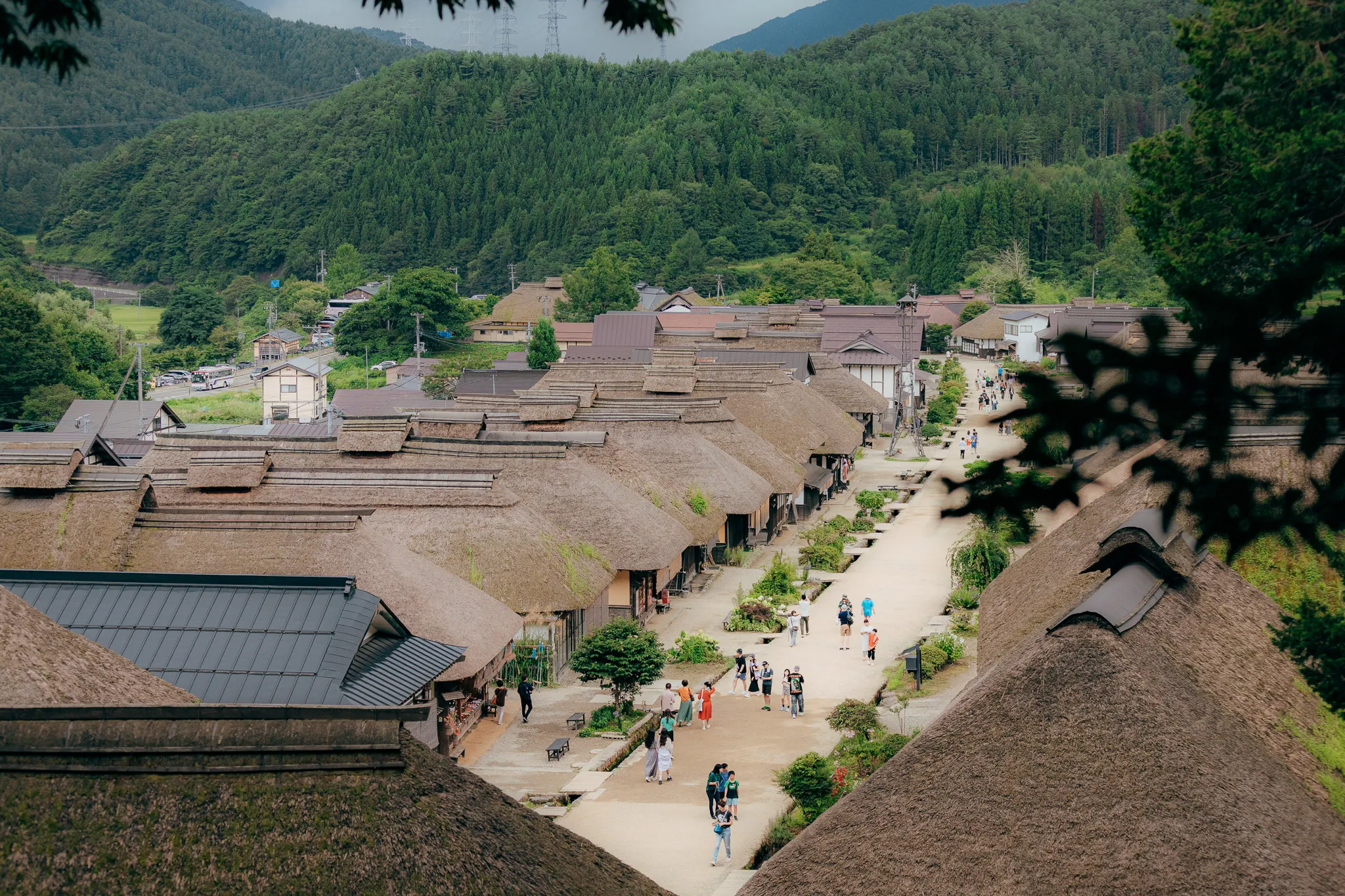
After enjoying your visit and stroll around the Kannon Hall, be sure to explore nearby attractions. About a 10-minute drive from the hall lies Ouchi-juku, a post town where the streetscape remains unchanged since the Edo period. This charming post town features rows of traditional thatched-roof houses and is accessible by local bus. At Ouchi-juku, savor the local specialty soba noodles eaten with leeks as chopsticks. Strolling around the area will make you feel as if you’ve slipped back in time to the Edo period. The Ouchi-juku Snow Festival, held in early February, features bonfires and snow lanterns lit at night, offering a fantastical snowy landscape.
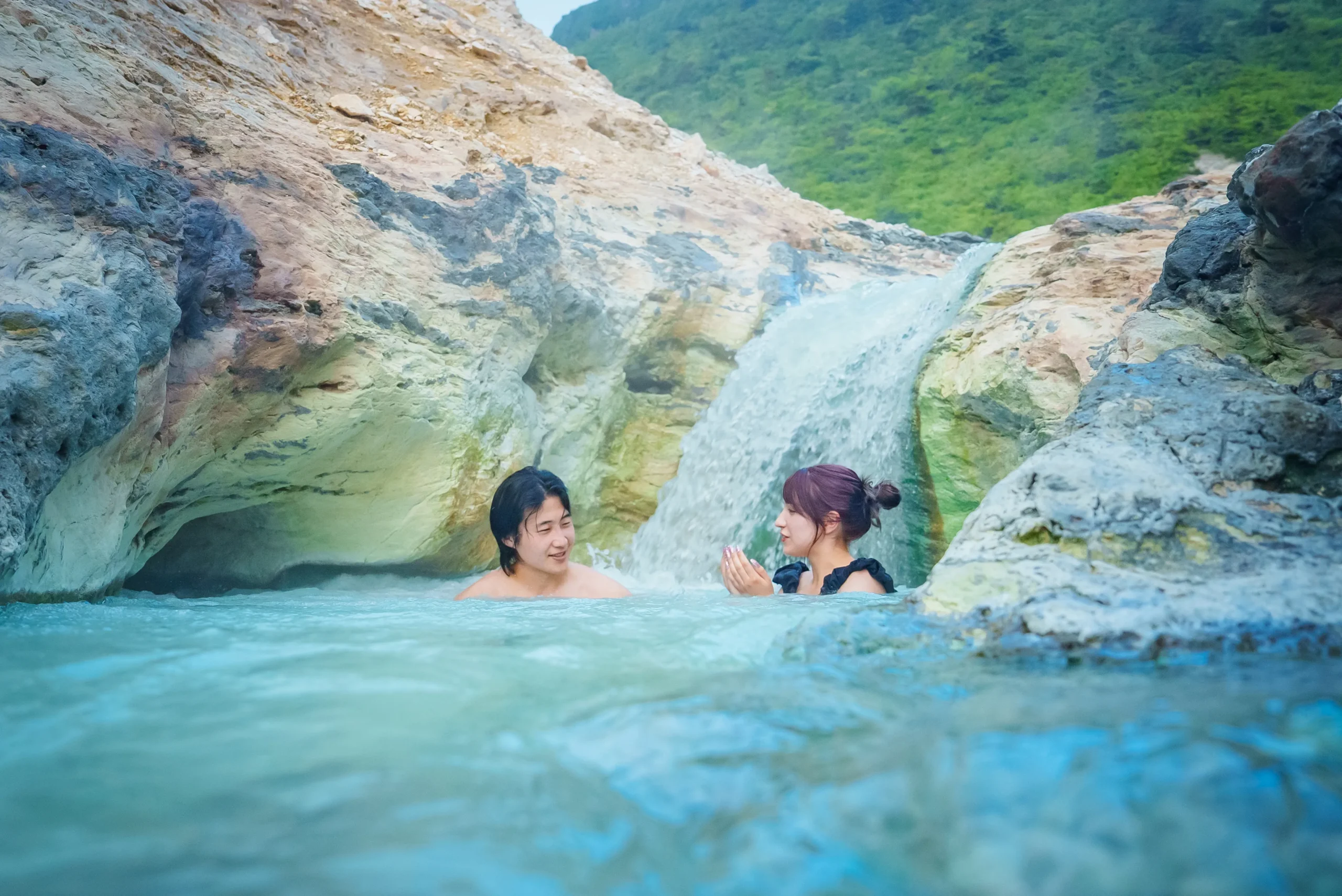
To conclude your journey, stay at a Yunokami Onsen inn and soak in an open-air bath along the mountain stream. It will warm both your heart and body.
Open hours・Closed days::Open for viewing anytime (no holidays)
Address: 386 Dogo-ko, Yunokami, Shimogo Town, Minamiaizu District, Fukushima Prefecture
Access: