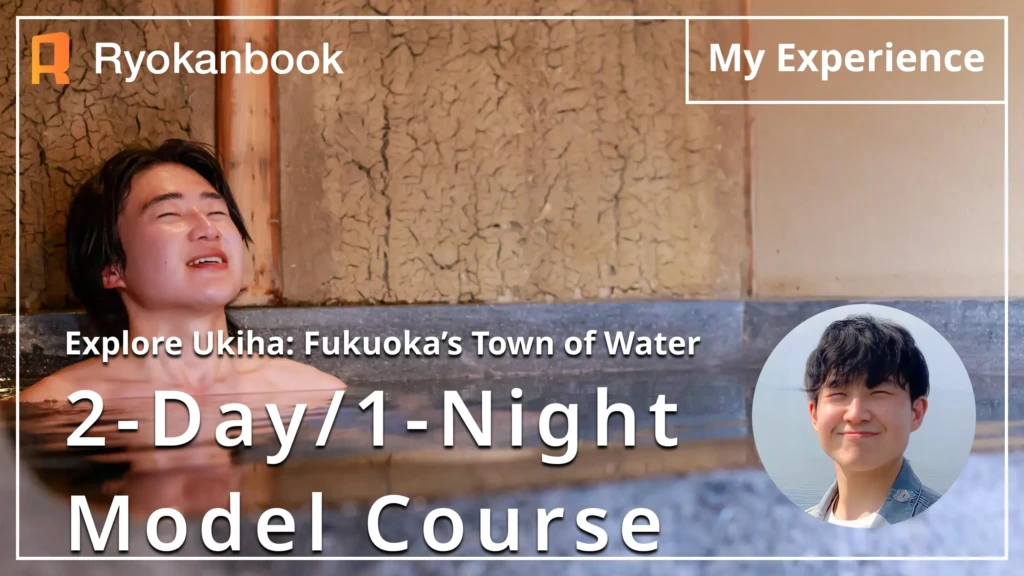
When people think of Fukuoka, most imagine Hakata — lively street food stalls, busy shopping areas, and crowds of people everywhere. Hakata is exciting and full of energy, and it’s always a fun place to visit. But travel isn’t always about excitement.
Sometimes, you just want to step away from the noise of the city and spend time somewhere quiet — a place where you can slow down and breathe more deeply. If that sounds familiar, there’s a town you should know about.
Ukiha is located in southern Fukuoka Prefecture, stretching along the Chikugo River. There are no flashy tourist attractions or huge shopping malls here. And yet, the town has a quiet charm that stays with you.
The water is pure and beautiful. The fruit is seasonal and abundant. Most of all, time moves differently here — more slowly, more gently.
This two-day trip is about experiencing that slower rhythm of life in Ukiha.
Let’s begin with Day One.

From Fukuoka to Ukiha
There are several ways to get from Fukuoka to Ukiha.
From Hakata Station, you can take the JR Kyudai Main Line. The journey takes about 1.5 hours, and along the way you’ll see peaceful countryside views through the train window. If you rent a car, it takes about an hour, with the added freedom to stop wherever you like. You can also combine a highway bus and local trains, depending on your travel style. Having options makes the trip easy to plan. This time, we chose to drive.
As we left the city, the buildings gradually became smaller and fewer. Soon, the view opened up to wide rice fields and mountains in the distance. The change wasn’t just visual. It felt as if even our breathing began to slow.
Walking Shirakabe Street | A Historic District Preserved in Ukiha
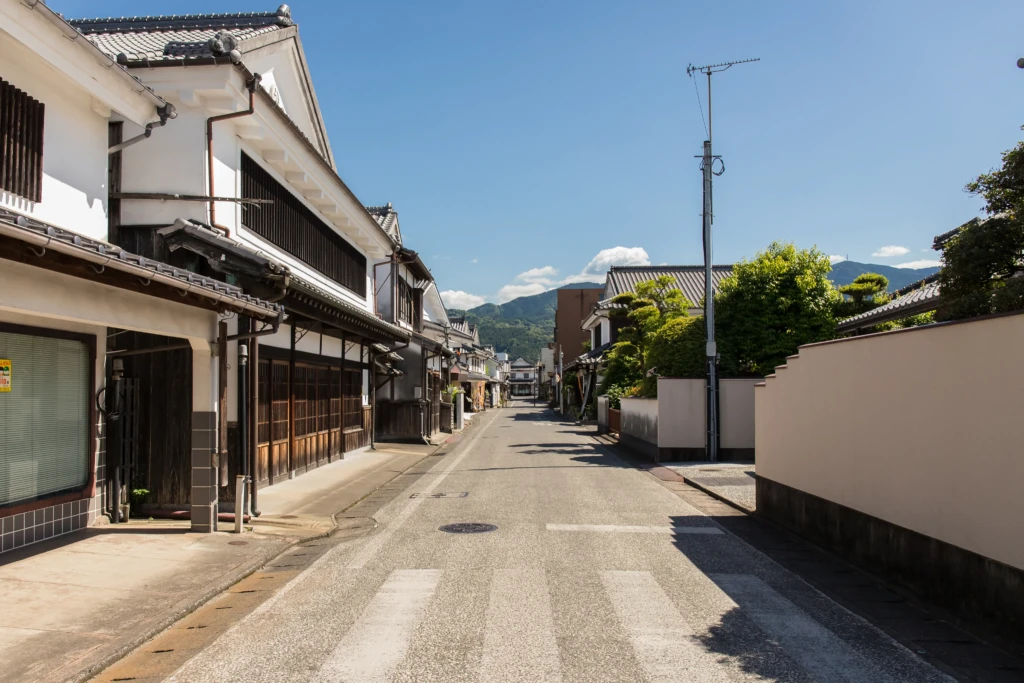
After arriving, the first place to visit is Shirakabe Street, officially known as the Chikugo Yoshii Preservation District for Groups of Traditional Buildings.
This area is home to many merchant houses and storehouses built from the late Edo to the Meiji period. Their white plaster walls and solid wooden townhouses line the street in quiet continuity. It is a rare district where you can still experience the atmosphere of what was once a thriving post town and regional commercial center. What leaves the strongest impression here is not only the architectural beauty of the buildings, but also the stillness in the air.
Unlike many tourist destinations, there is little noise. The sound of footsteps and the gentle movement of the wind seem to fill the street at an unhurried pace. It almost feels as if time itself flows a little more slowly here. There is no need to set a specific goal.
Simply walk, pause, and walk again. In doing so, you begin to feel the layers of history this town has quietly accumulated over time.
A Simple but Memorable Lunch Stop | Pan no Mokka
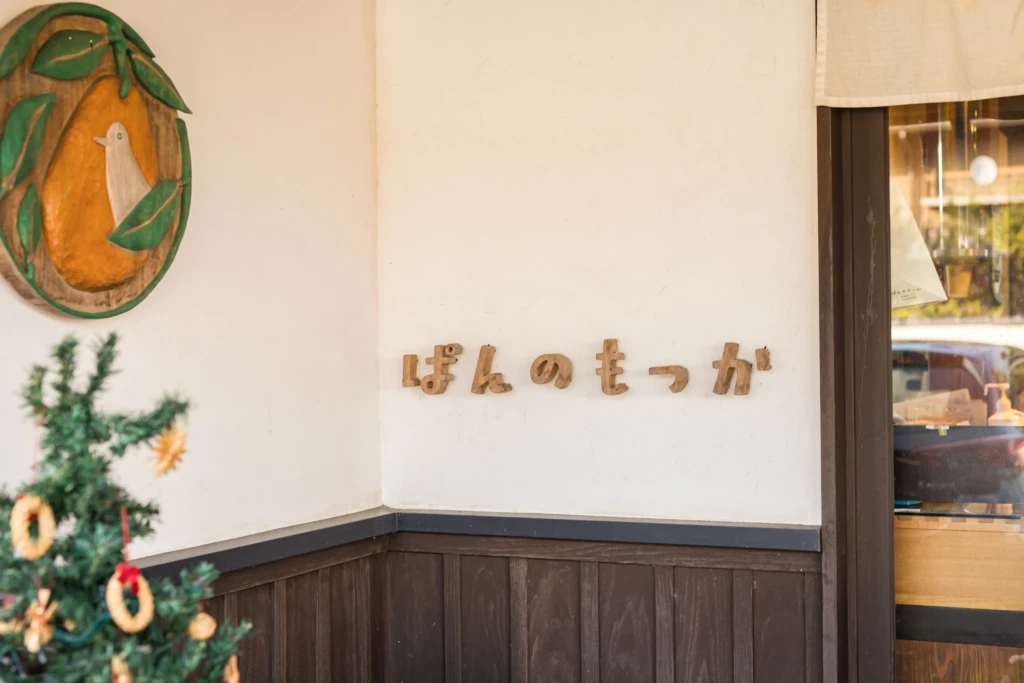
If you’re looking for lunch while walking along Shirakabe Street, make sure to stop by Pan no Mokka.
If you search “Ukiha lunch,” this bakery appears on almost every list. It’s well known, but when you actually visit, what you find isn’t a touristy buzz. Instead, there’s a quiet atmosphere that feels rooted in everyday life.
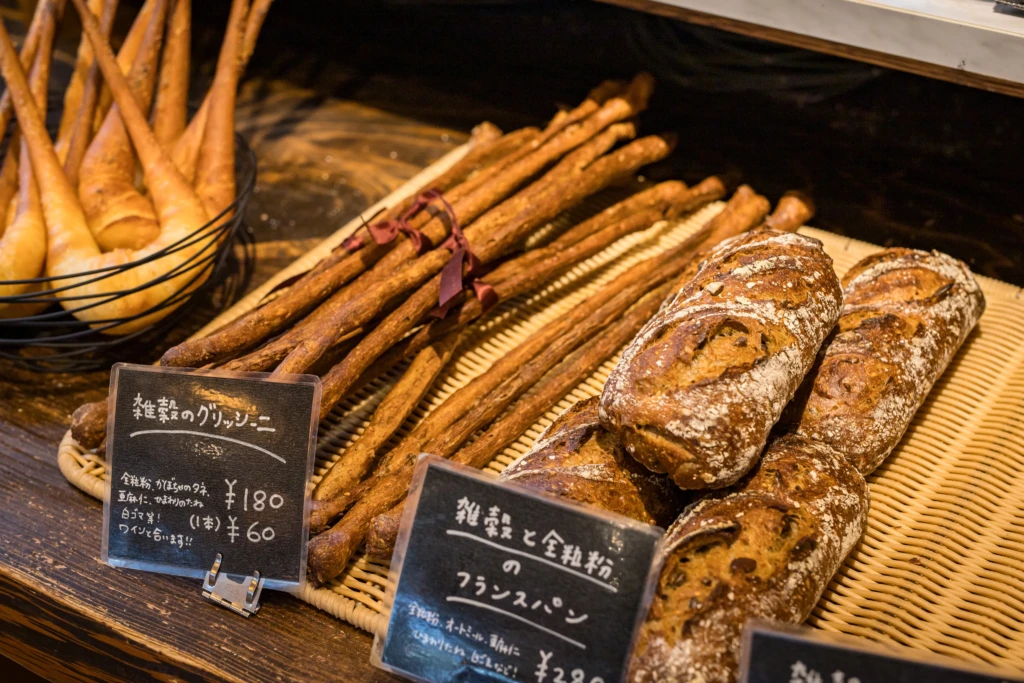
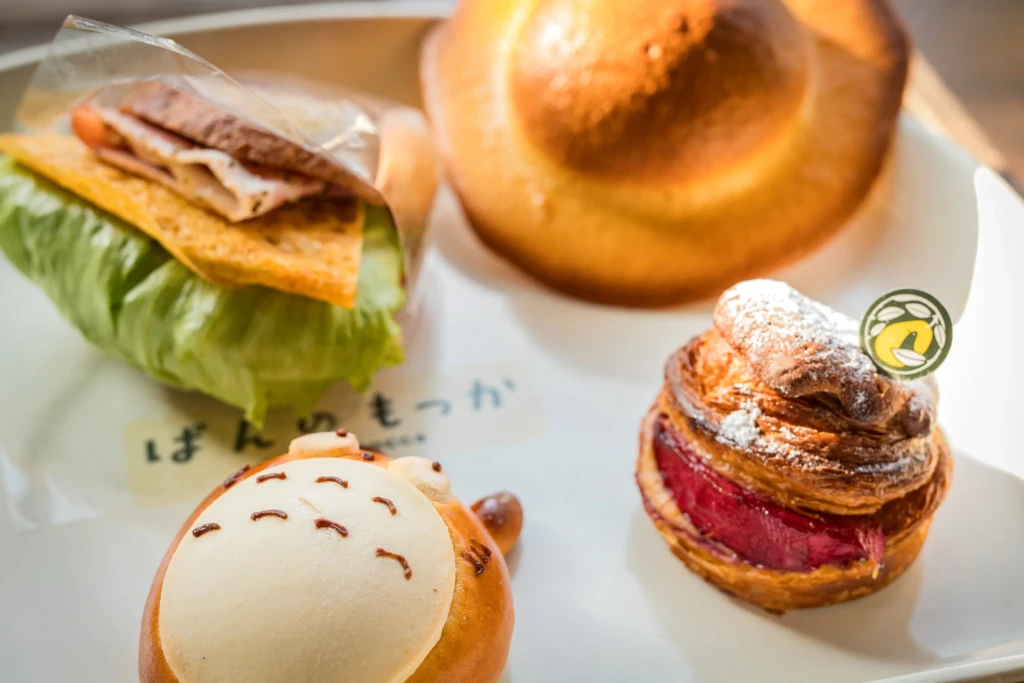
The soft scent of freshly baked bread fills the shop. Locals and travelers share the same space naturally, without any clear boundary between them. On the shelves, you’ll find authentic croissants and croque-monsieur alongside charming Totoro-shaped breads that can’t help but make you smile. Sit on the terrace with a cup of coffee and a simple piece of bread, and take your time. It’s a small moment, but surprisingly satisfying.
Travel satisfaction doesn’t come only from grand scenery or once-in-a-lifetime experiences.
Sometimes, it’s these ordinary, unplanned moments that stay with you long after the trip is over.
An Afternoon on Shirakabe Street | Small Discoveries Along the Way
After lunch, we returned to Shirakabe Street and continued walking at our own pace. Simply spending time slowly in this town feels like a luxury in itself.
Along the street, old townhouses have been thoughtfully transformed into small cafés, galleries, and lifestyle shops.
There’s no need to plan where to go. Just open the door that catches your attention. One place we stepped into by chance was Minou Books, an independent bookstore.
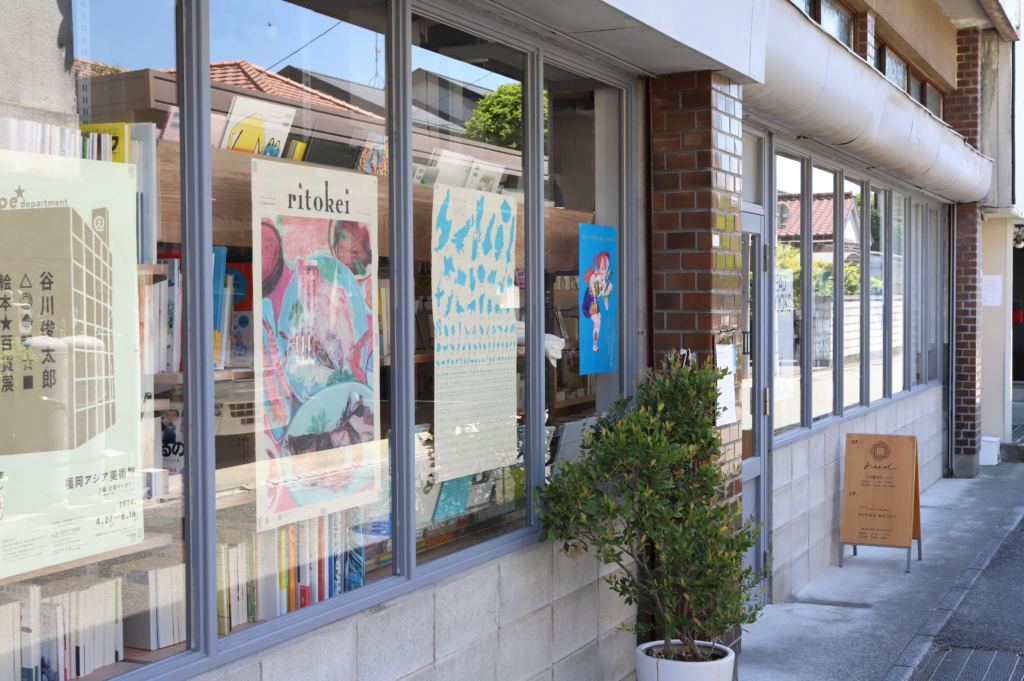
Rather than following trends, the shelves are carefully curated by the owner. It’s a space that invites quiet reflection. Even the soft sound of turning pages seemed to blend into the gentle rhythm of the town. Nothing dramatic happens here.
And yet, it’s these small encounters that turn a trip from simple movement into something that stays with you as a memory. Walking along Shirakabe Street may not be about seeing something spectacular. Instead, it might be about quietly noticing something within yourself.
Checking In at Minamo | Wrapped in Refined Japanese Design
In the late afternoon, we headed to Minamo, the inn that would be our base for this trip. Standing quietly along Shirakabe Street, it doesn’t feel like a newly built accommodation. Instead, it looks as though it has always belonged to the town, naturally woven into its history.
Ukiha is a place shaped and sustained by pure water. Water that flows down from the mountains, nourishes daily life, and quietly supports the rhythms of the community. Staying at Minamo feels like gently placing yourself within that flow.
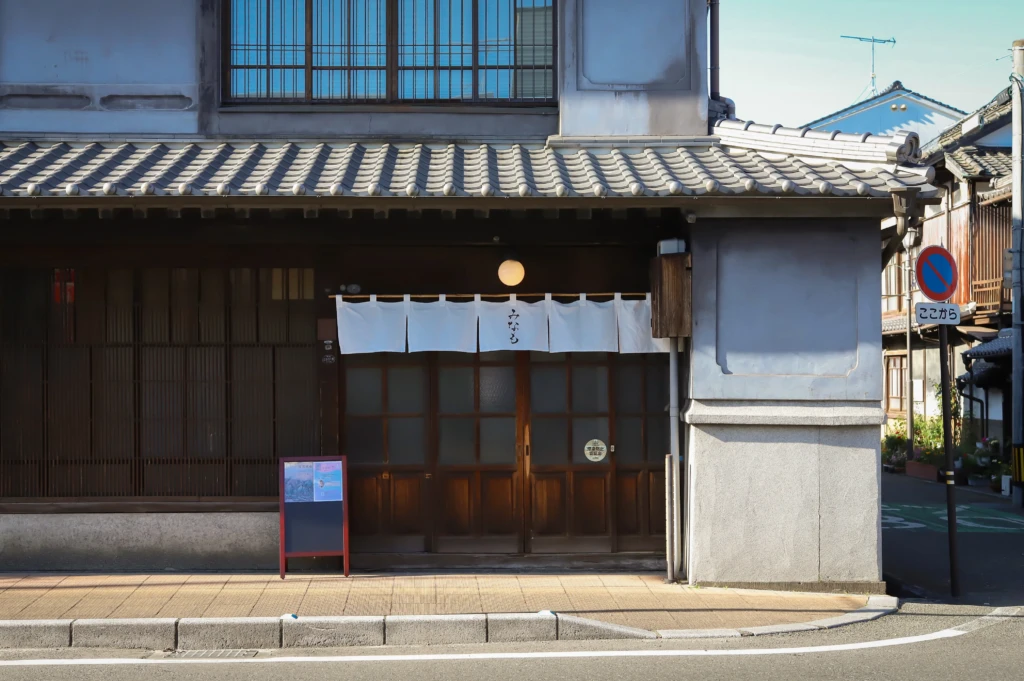
The property is made up of three restored historic residences — Usui Residence, Horie Residence, and Kagamida Residence — with a total of six guest rooms. For this visit, we stayed in Rooms 102 and 104 of the Usui Residence.
Usui Residence – Room 102
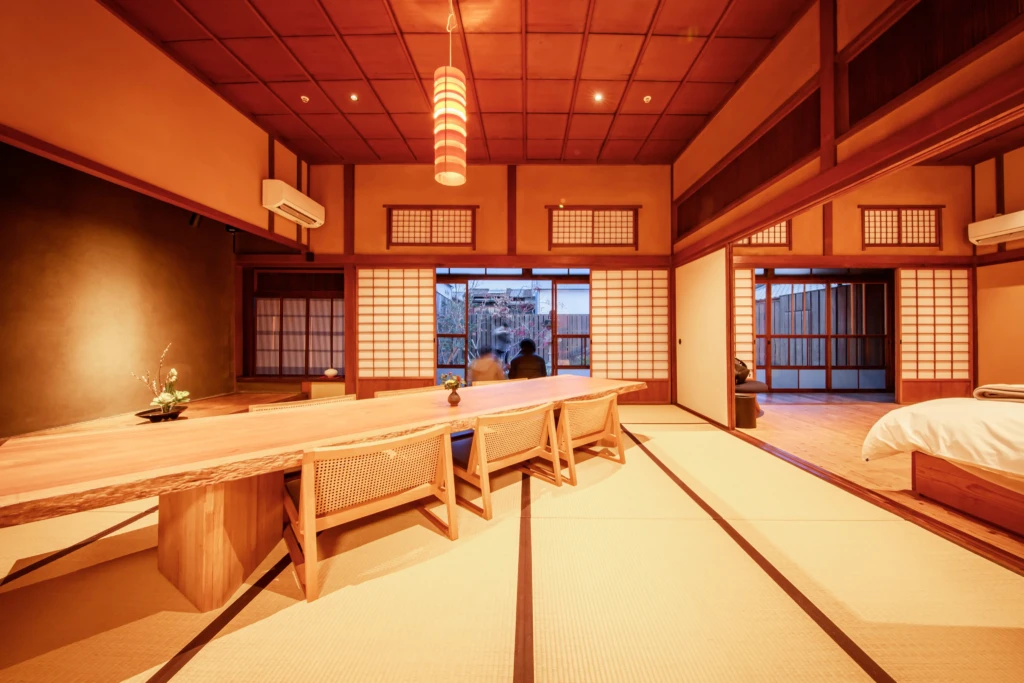
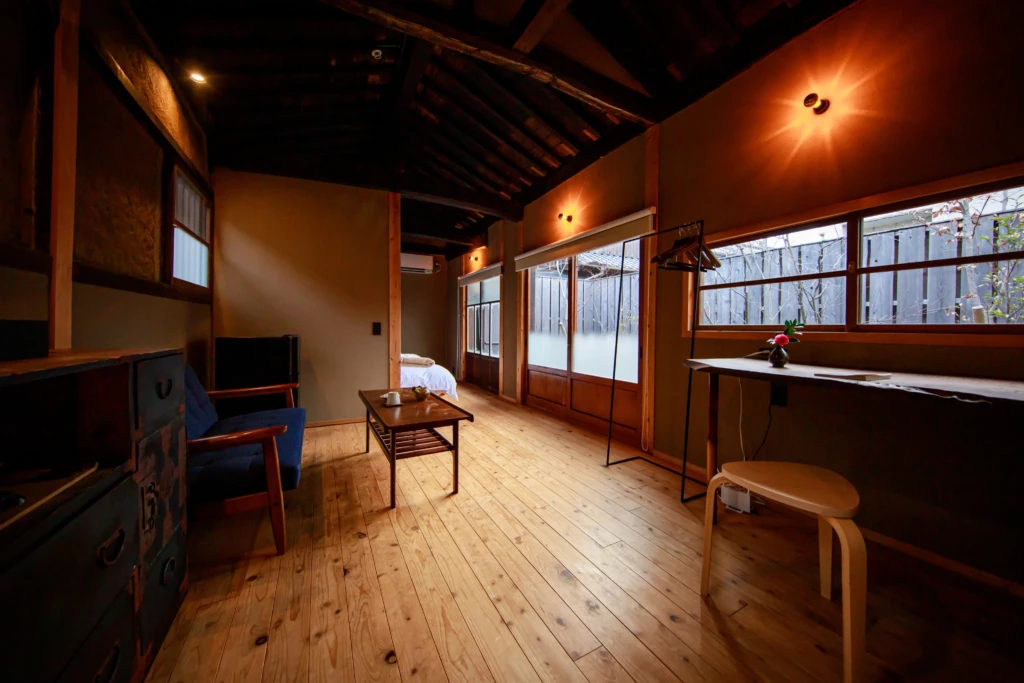
Stepping into Room 102 of the Usui Residence, you’re welcomed by a calm, Japanese-style interior. The space feels designed to gently release the thoughts and tension of everyday life.
Original architectural elements — such as exposed wooden beams and textured walls — preserve traces of the building’s history. At the same time, the room is fully equipped with modern comforts, including a well-appointed bathroom, air conditioning, Wi-Fi, and thoughtful amenities.
It is neither purely historic nor overly modern. Instead, it exists in a quiet balance between the two — and that balance is what makes the space feel so special. The room also features a private hinoki cypress bath.
Hinoki has been used in Japanese architecture and bathing culture for centuries. Its soft, natural fragrance is known for its calming qualities. Soaking in warm water while surrounded by the gentle scent of hinoki creates a particularly soothing experience.
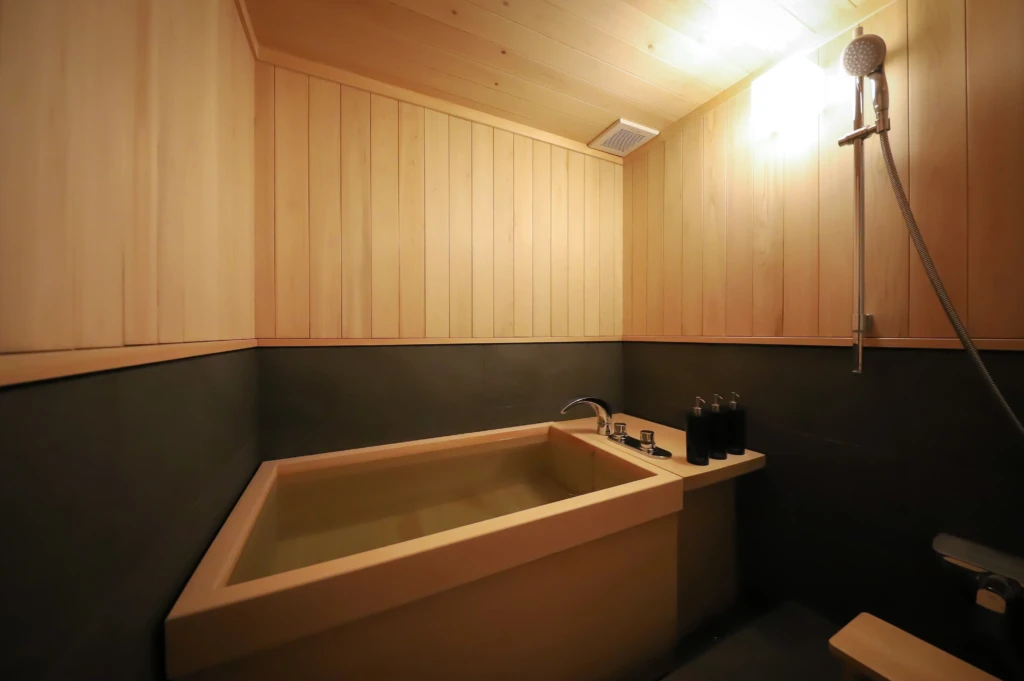
For international visitors, this quiet bathing ritual itself may become a meaningful introduction to Japanese culture.
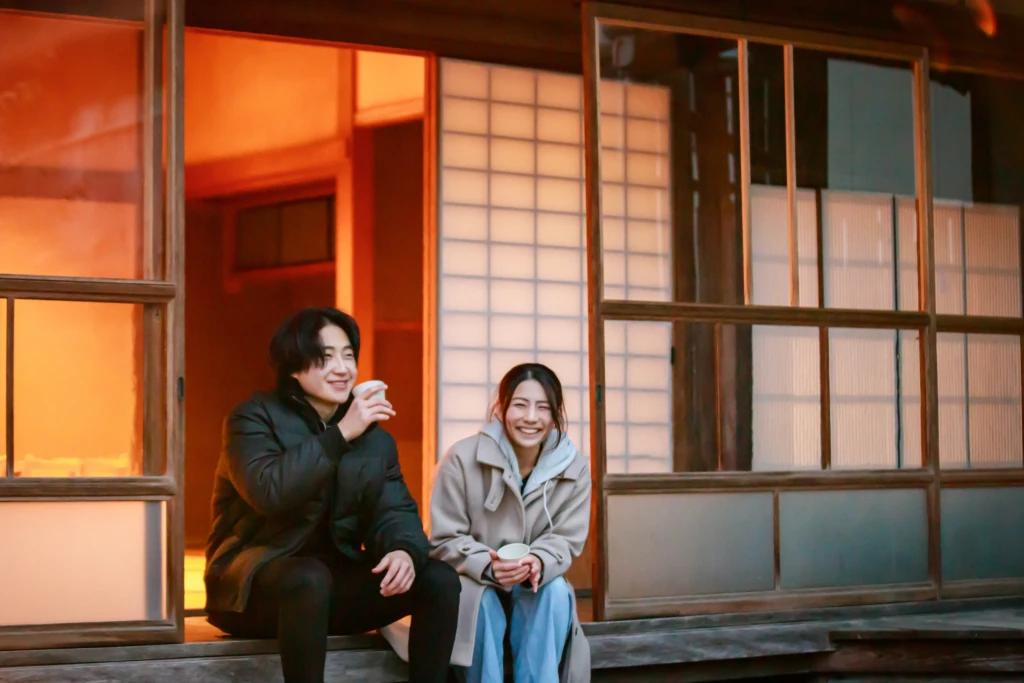
Spending time on the engawa veranda, looking out onto the garden, offers another kind of richness — one that doesn’t need to be explained in words.
Usui Residence – Room 104
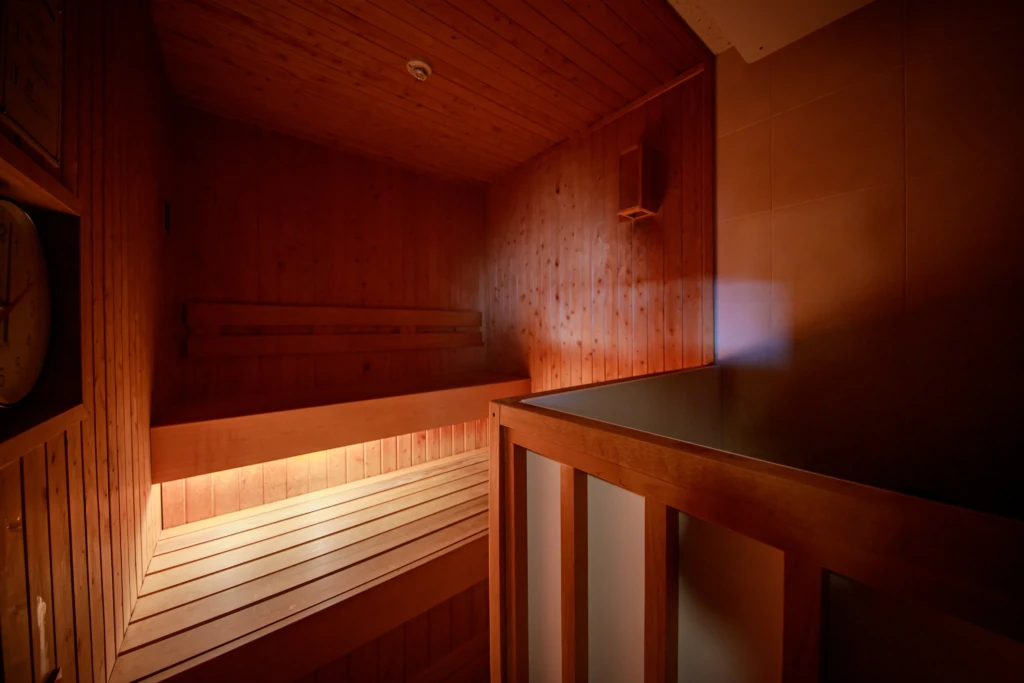
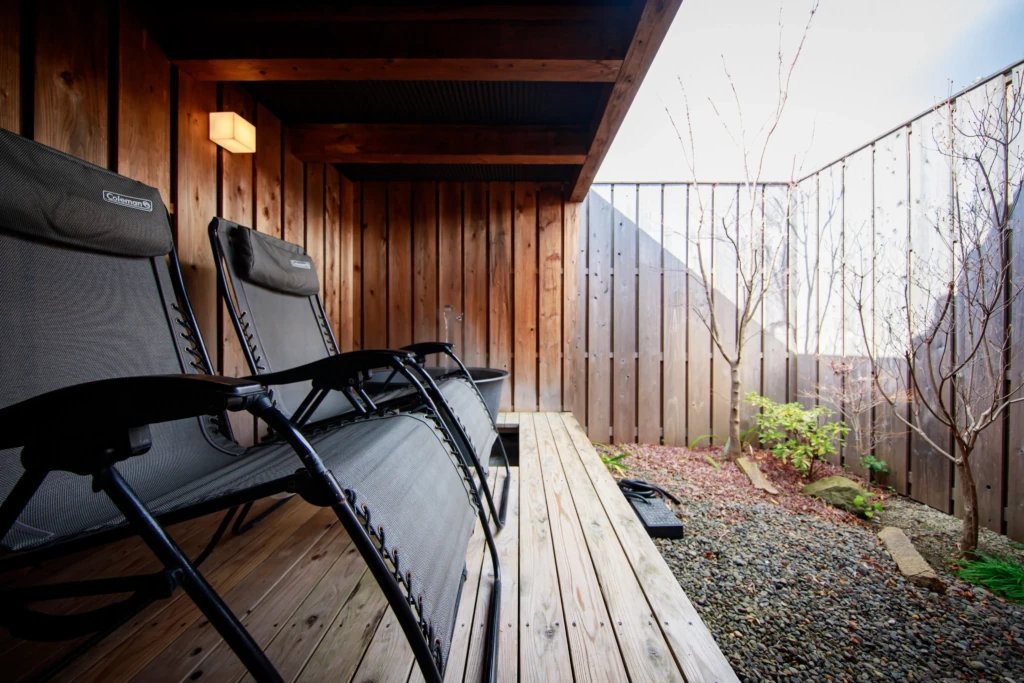
The highlight of Room 104 is undoubtedly its private bath and sauna.
You can adjust the temperature yourself with loyly, pouring water over heated stones to create steam. After warming up thoroughly, stepping into the cool spring water of Ukiha feels transformative. The moment it touches your skin, not only the heat but even your thoughts seem to quietly dissolve.
You can even drink the fresh water straight from the tap. After a sauna session, it tastes exceptionally pure and gentle on the body. It becomes easy to understand — through sensation rather than explanation — why this town has long been sustained by its water.

After cooling down outside and looking up at the open sky, you may see stars quietly scattered across the night. Then it’s back into the ceramic soaking tub to warm up again, followed by another round of sauna and cool water. The cycle continues, unhurried.
What you find here is not stimulation, but deep, quiet restoration. For dinner, you can choose a meal plan arranged in collaboration with nearby restaurants when making your reservation. Alternatively, you can bring takeout back to your room and enjoy dinner at your own pace.
The Warm Hospitality Behind the Stay
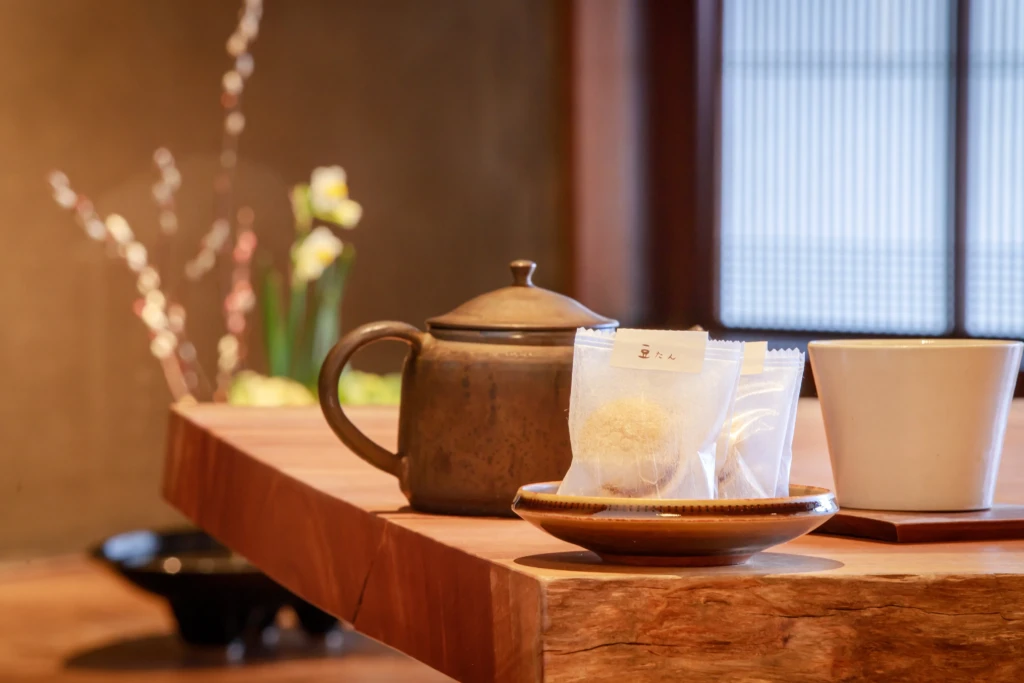
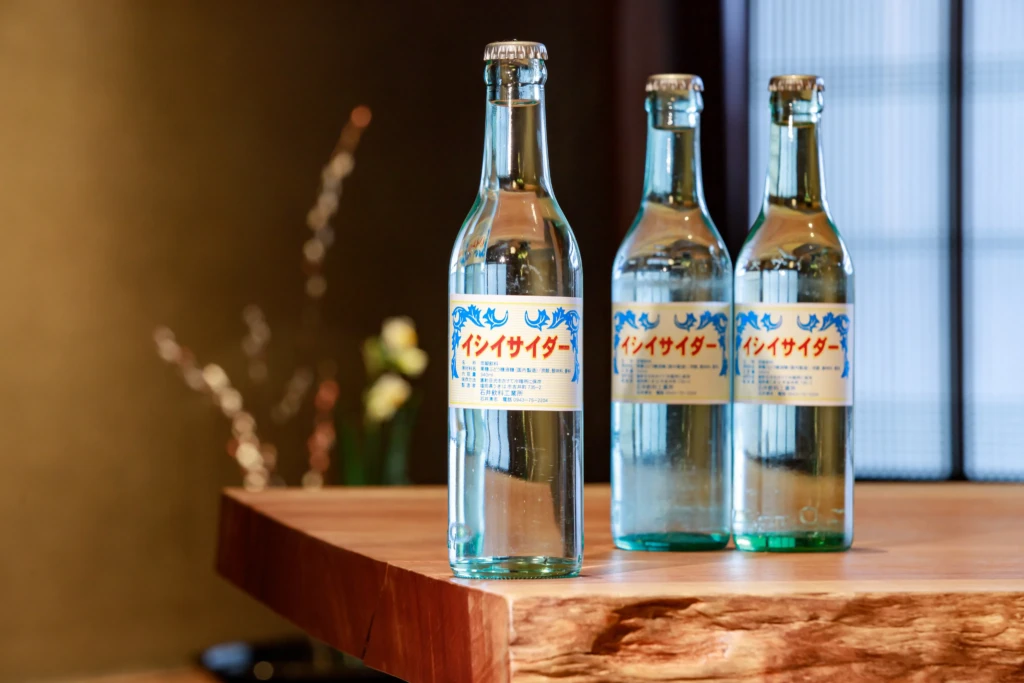
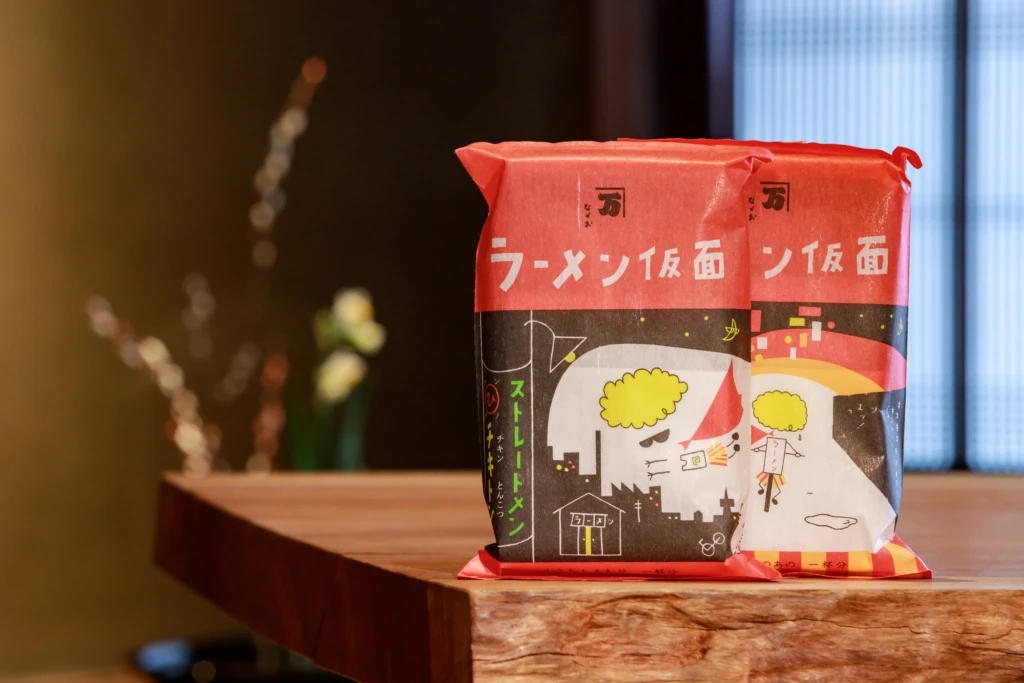
Beyond the comfort of the space and its thoughtful design, what moved us most was the quiet care behind everything. In the room, more items had been prepared than we expected — fresh spring water, locally grown tea, regional noodles and sweets, and drip coffee. Each one was closely connected to the water and daily life of this area. They felt less like hotel amenities and more like a small sharing of the town’s everyday culture.
It wasn’t something flashy or extravagant. Instead, it created the sense that you were being gently welcomed into the rhythms of local life.
The owner of the inn spoke about the town in the same way — without overexplaining or trying to impress. There was no sense of pressure, only a quiet sincerity. That understated presence felt like an expression of magokoro — a Japanese word that suggests genuine care from the heart.
A Restorative Morning at Kagamida Residence | Beginning Day Two
As soft morning light begins to filter into the white-walled streets, the second day starts slowly. There is a room-only option available, but if you stay at Minamo, the breakfast is something you shouldn’t miss.
Breakfast is served in a spacious tatami hall overlooking the garden of Kagamida Residence, a cultural property designated by Ukiha City. The historic architecture, dating back to the Edo and Meiji periods, and the quiet garden reflecting the changing seasons create a setting that feels deeply rooted in time.
Even the short walk from your room to the breakfast venue feels special — as though you are briefly stepping into the everyday life of this historic town. Japanese breakfast is not flashy. Yet each dish is carefully prepared, gentle on the body, and naturally satisfying.
If you were to imagine the “ideal Japanese breakfast,” it might look something like this. Quiet, nourishing, and balanced without excess — a perfect way to begin the day.
Forest Therapy in Ukiha
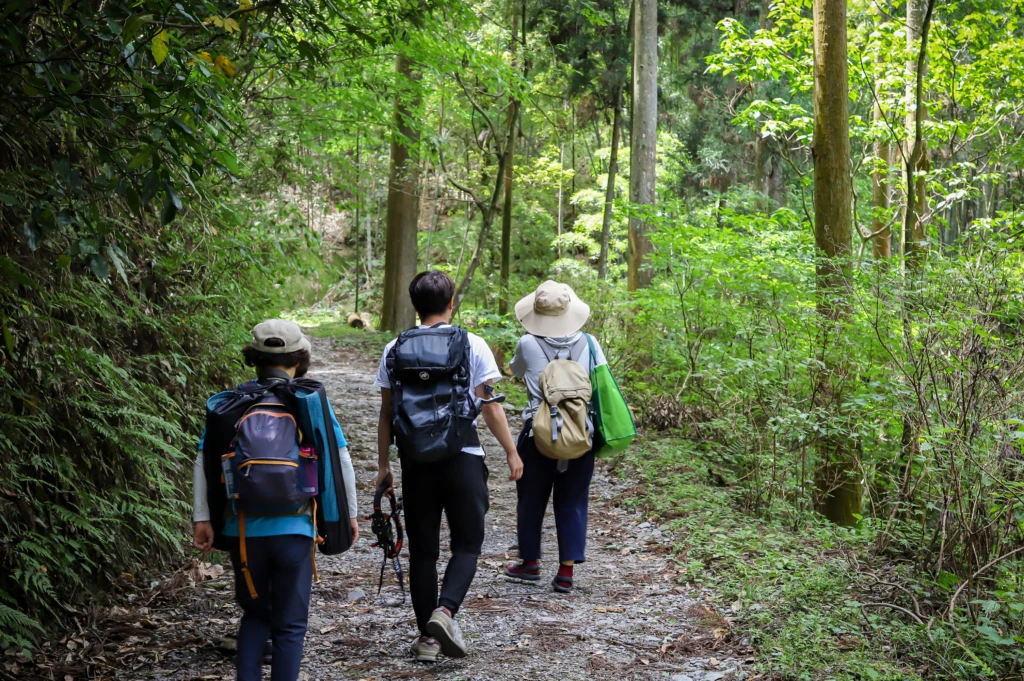
With the calm feeling of breakfast still lingering, we headed into the forest.
Ukiha is recognized as an official “Forest Therapy Base,” where visitors can walk through the woods with a certified guide and gently restore both body and mind.
At first glance, it may seem similar to a simple forest walk. But forest therapy is more structured than that. It is based on research into measurable physiological changes — including effects on the brain, the autonomic nervous system, immune function, and stress levels — and is designed to support overall well-being.
The walk typically covers just a few kilometers, with gentle slopes. No special equipment or high level of fitness is required. The focus is not on speed or distance, but on awareness — paying attention to your breathing and your senses as you move.
The scent of the trees. The texture of the soil beneath your feet. The sound of leaves shifting in the wind. You simply walk, slowly, through the forest. And yet, your breathing deepens naturally. Your body begins to feel more balanced from within. In that quiet time, you begin to understand that Ukiha is sustained not only by its water, but also by its forests.
A Final Stop: Chuka Soba Osami
After leaving the forest, you might consider stopping by Chuka Soba Osami before heading home. Located about a five-minute walk from Minamo in the Shirakabe district, it’s easy to reach. On weekends around lunchtime, there’s often a line — a sign of how much it’s loved by both locals and visitors.
Japan has countless styles of ramen, and I’ve tried many over the years. Yet the bowl I found here felt somehow new. The toppings include lotus root, finely chopped mizuna greens, shredded kombu seaweed, green onions, and bonito flakes. The thin, curly egg noodles are paired with a lightly sweet soy-based broth infused with seafood. The flavor is rich and satisfying, yet the finish is surprisingly clean. Depth and gentleness coexist without feeling heavy.
It’s the kind of bowl that appeals across generations and tastes. A quietly satisfying way to end a journey.
On the Way Home | What Ukiha Leaves Behind
As we slowly leave Ukiha, the road looks the same as when we arrived — yet it feels slightly different. The scenery hasn’t changed. Perhaps it’s simply that something within us has.
Nothing dramatic happened over these two days. And yet, in the time spent among water and forests, our thoughts and senses seemed to quietly realign. Ukiha is not a place of intense stimulation.
It is a place to step away from the speed of the city. A place to spend unhurried time, even without a particular reason. A place not to add more, but to remember what is already enough.
Spending two days in Ukiha may not feel extraordinary. But for those who seek calm rather than excitement, the town offers something gentle and lasting. Even after returning to everyday life, the quiet clarity found here remains — small, steady, and unmistakably present.

![[Aizu] Hidden Scenic Spot in Japan: Mist Phantom Gorge and Tadami Line](https://ryokan-book.com/en/wp-content/uploads/2025/12/Aizu-Hidden-Scenic-Spot-in-Japan_-Mist-Phantom-Gorge-and-Tadami-Line-1-1280x720-1-1024x576.webp)