


Sui
Ultimate Relaxation Born from Forest and Natural Water

A garden of light and moss beloved by feudal lords
Nearby Ryokans
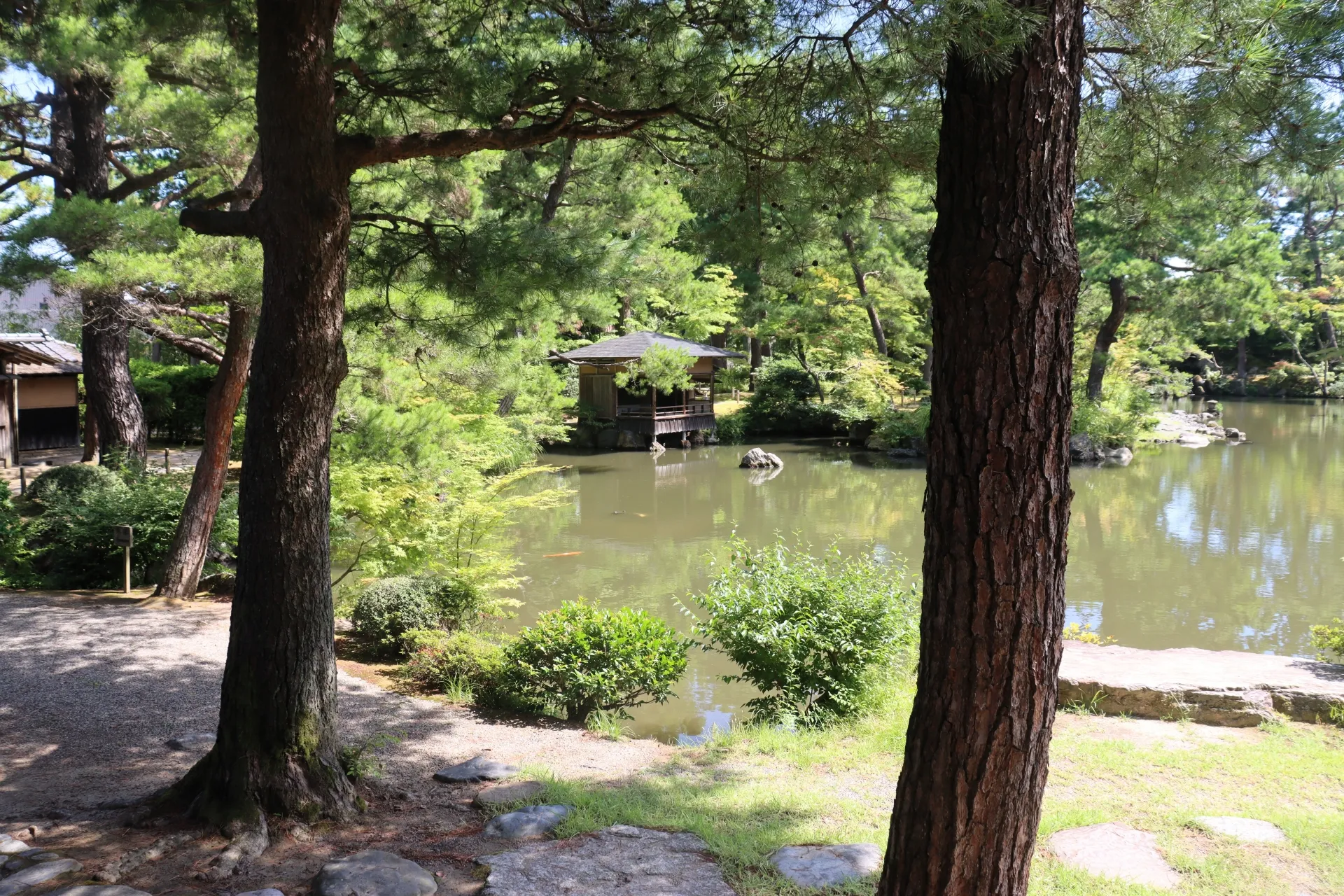
Shimizuen is a feudal lord’s garden from the Edo period, located in Shibata City, Niigata Prefecture, and is designated as a National Place of Scenic Beauty. Its history is long, with records showing that construction began in 1598 under the local lord, Mizoguchi Hidemasa. Originally created as the secondary residence garden of the Shibata Domain’s ruling Mizoguchi family, it was designed as a pure Kyoto-style strolling garden with the guidance of the shogunate’s tea ceremony instructor, Agata Sōchi.
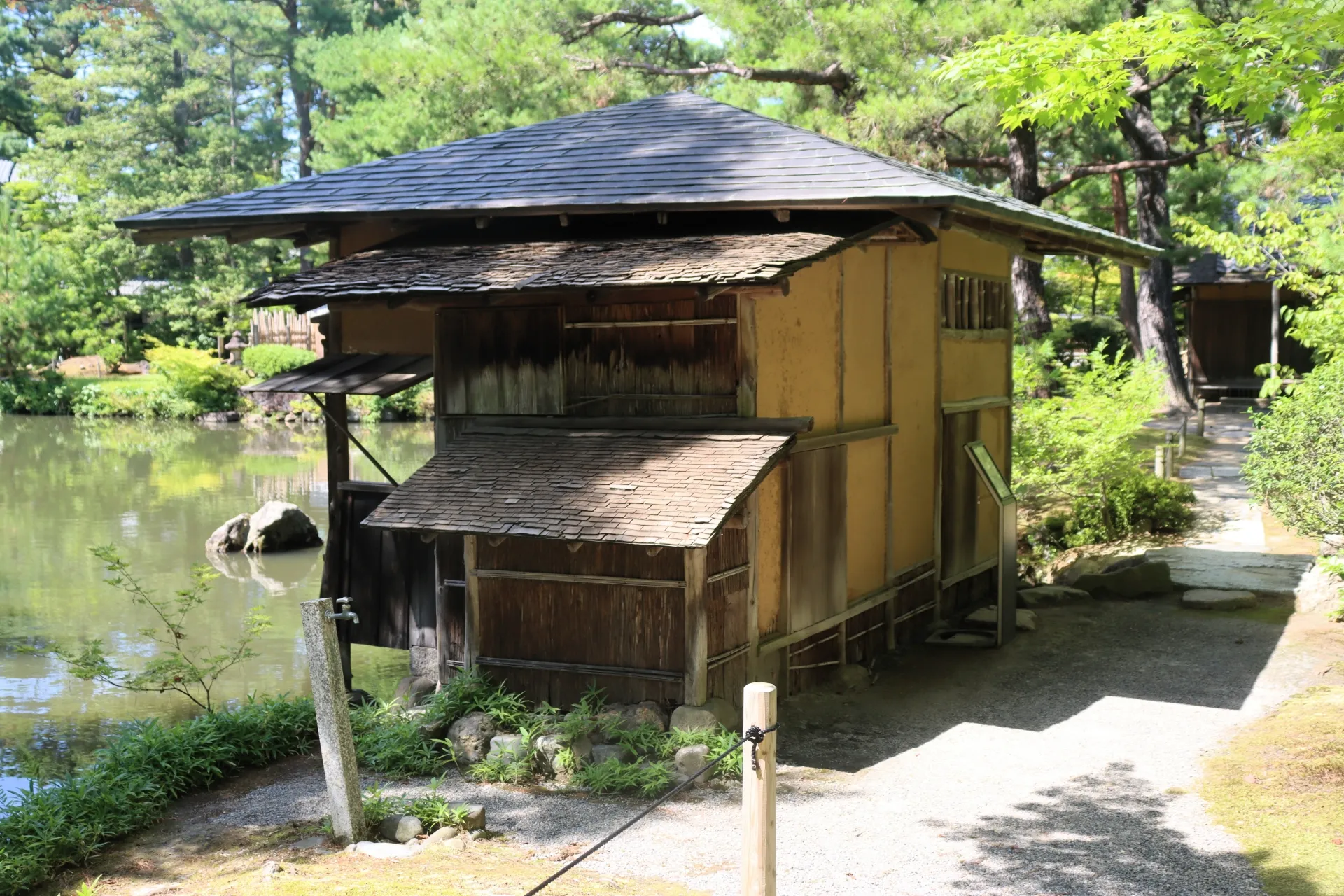
The central pond is shaped in the cursive-script form of the character for “water,” and five elegant teahouses are scattered around it. Thanks to the humid environment along the Shibata River, lush green moss thrives throughout the grounds, making it known as a “moss garden.” In autumn especially, the contrast between the deep green moss and the vibrant red and yellow leaves creates a mysterious, enchanting atmosphere that has captivated visitors for generations.
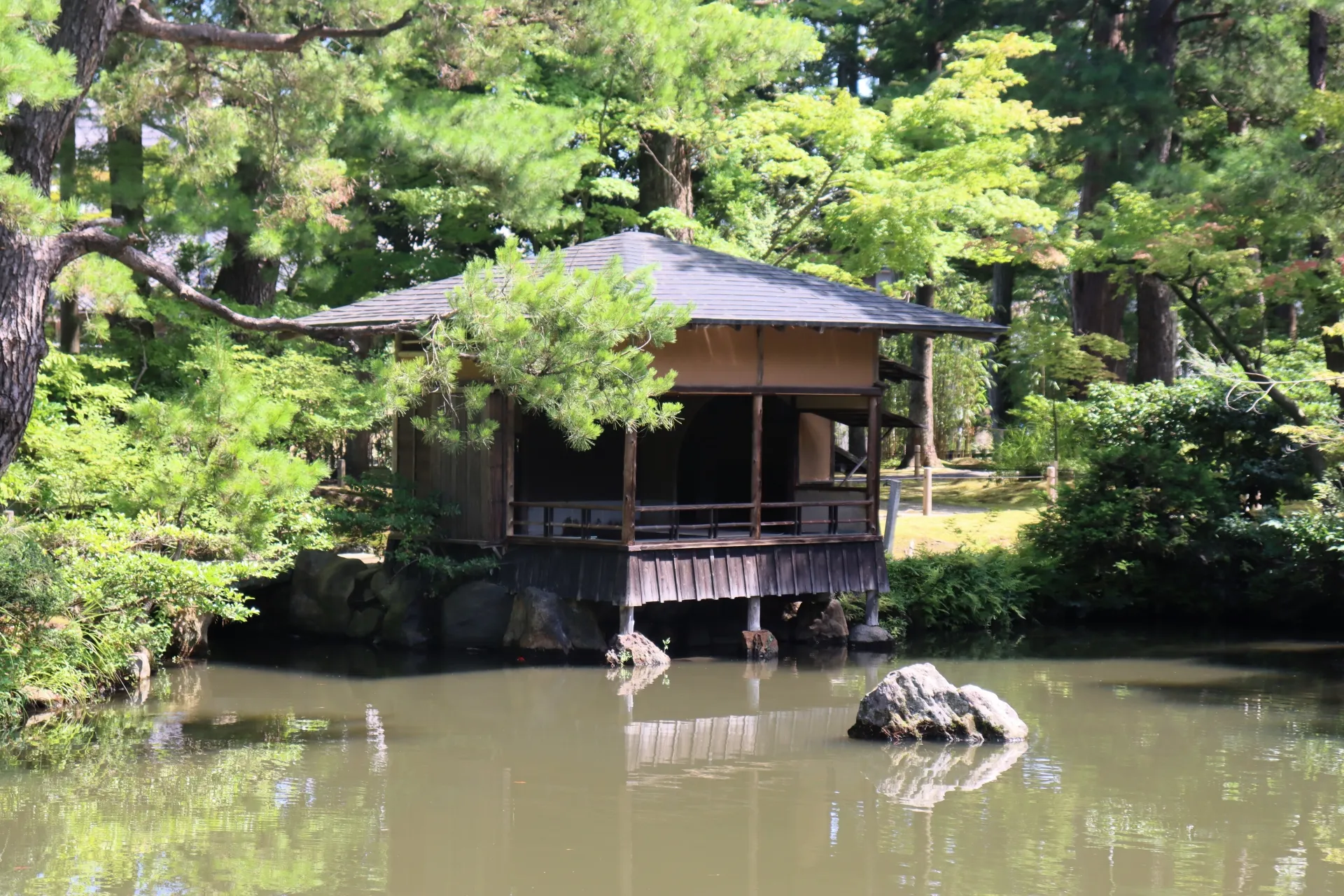
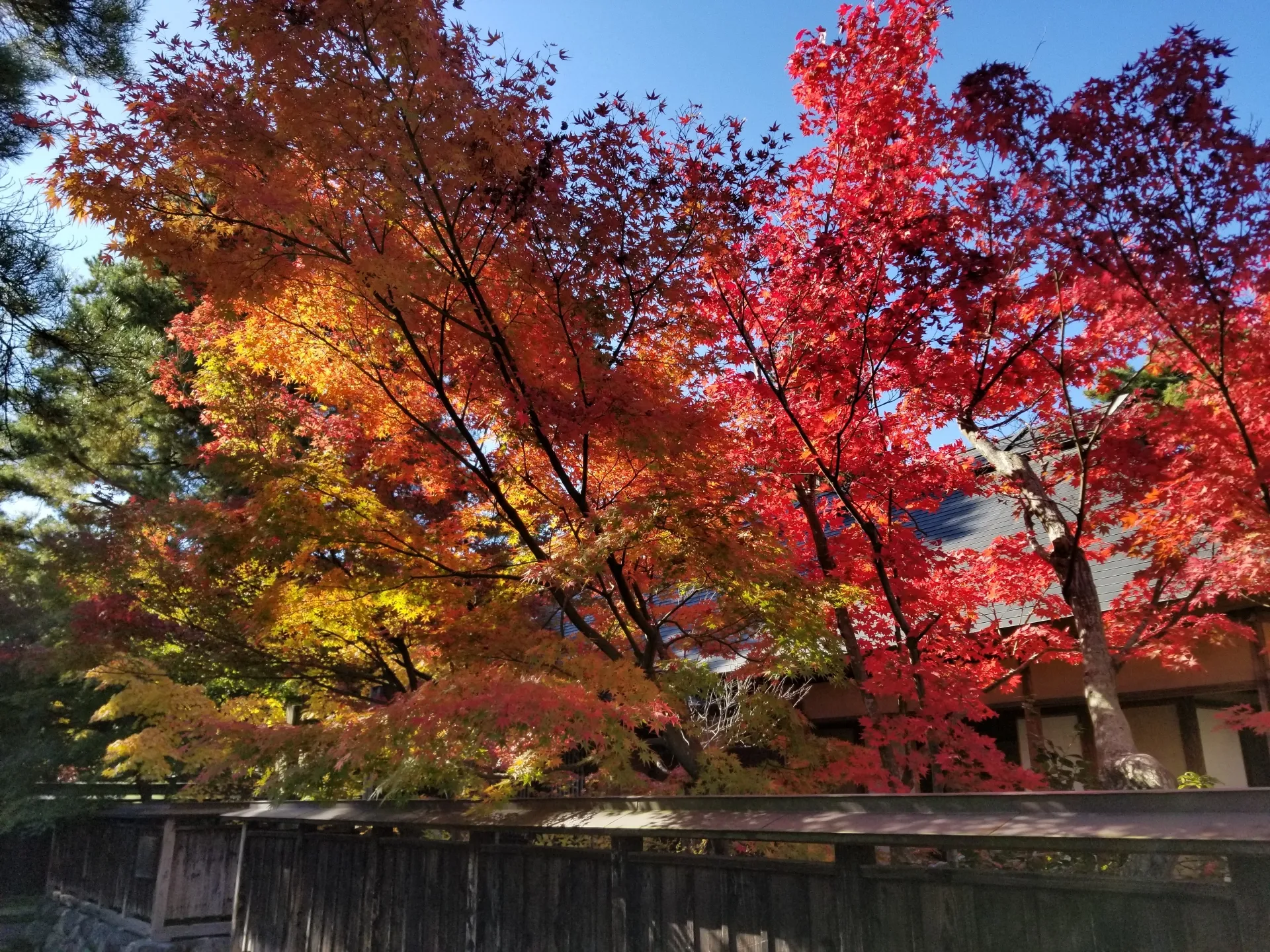
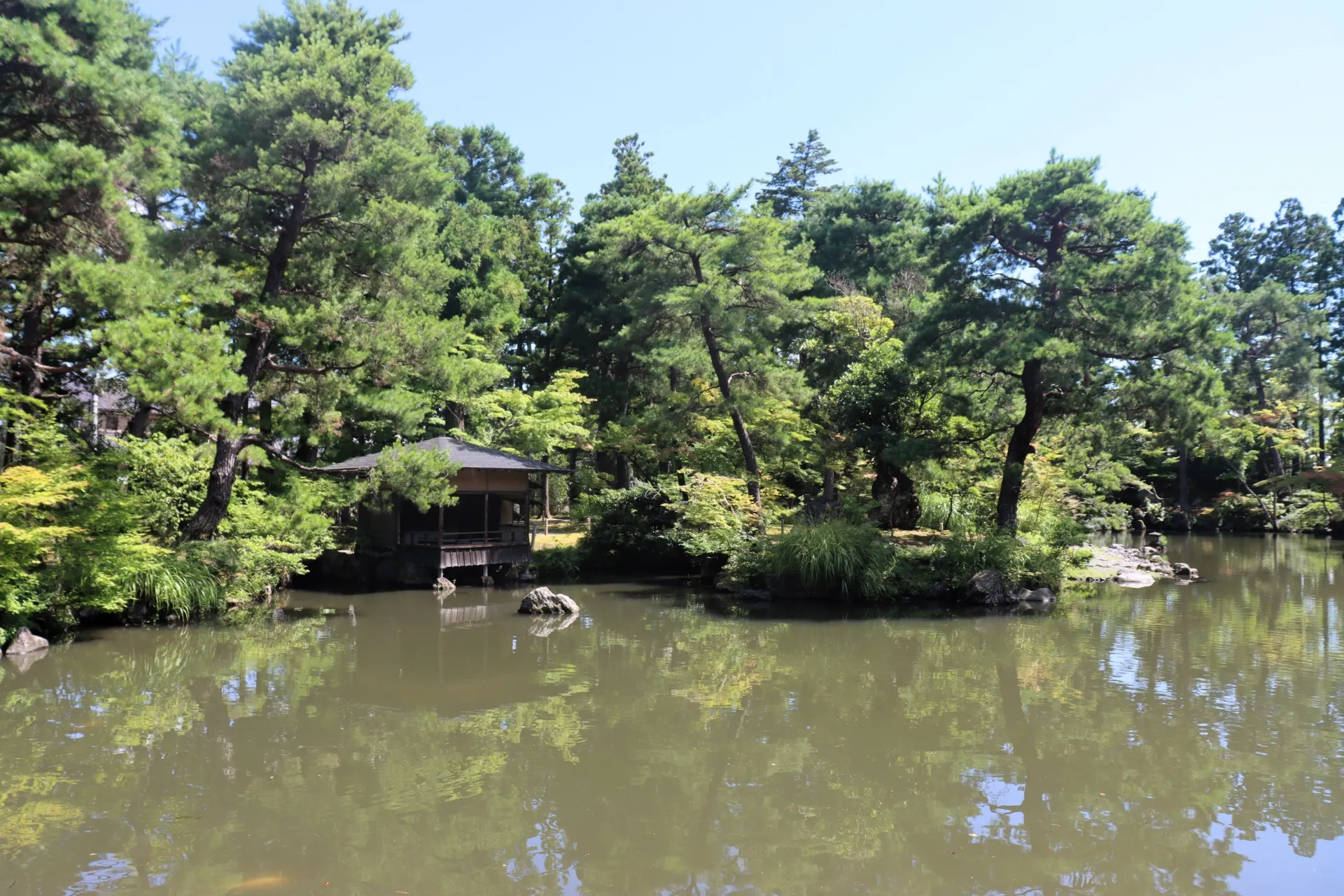
The garden at Shimizuen is rich with moss due to the high humidity, and the grounds are enveloped in silence. Especially in the early morning or after rainfall, a mystical atmosphere spreads throughout. The vivid green moss, the colorful autumn maple leaves, and the reflections of the study halls and teahouses on the pond create picture-perfect scenes from every angle, attracting many photographers. Seasonal flowers—such as satsuki azaleas in spring and irises in early summer—add color to the garden, offering beautiful scenery no matter the time of year. During the autumn foliage season (typically mid-November), nighttime illumination is held, making the reflections of the maples on the pond even more enchanting.
The five teahouses found in the garden today—Kiran, Yūkatei, Dōjinsai, Suitōan, and Shōgetsu-tei—were built in the Shōwa period by the renowned garden designer Tanaka Taiami, a native of Kashiwazaki who was also involved in the restoration of Ginkakuji’s garden in Kyoto. Although the interiors are not usually open to the public, they may be accessible during special events.
Shimizuen offers more than just a garden; the surrounding historical structures are also key highlights. The local history museum within the grounds exhibits materials related to the Shibata Domain, regional archaeological and folk artifacts, and displays about Chūshingura hero Horibe Yasubee, allowing visitors to learn about Shibata’s past. The museum also houses the prefecture-designated Important Folk Cultural Property—the Shibata Festival’s “Kenka Yatai” float—as well as additional artifacts related to Horibe Yasubee, offering insight into local traditions. The museum building itself is a former storehouse once used to store rice, and its appearance alone conveys a sense of history.On the east side of the garden stands a restored ashigaru row house dating from the late Edo period, where visitors can glimpse the simple living conditions of foot soldiers. Near the parking area is the Ishiguro Residence, a samurai house from the former Shibata castle town, which can be entered free of charge and allows visitors to enjoy the atmosphere of a traditional warrior’s home. When visiting Shimizuen, exploring these surrounding historical buildings alongside the garden is highly recommended, as it deepens your understanding of daily life and castle-town culture of the time.
 ryokanbook_en_admin
The fresh greenery and tranquil pond of Shimizuen
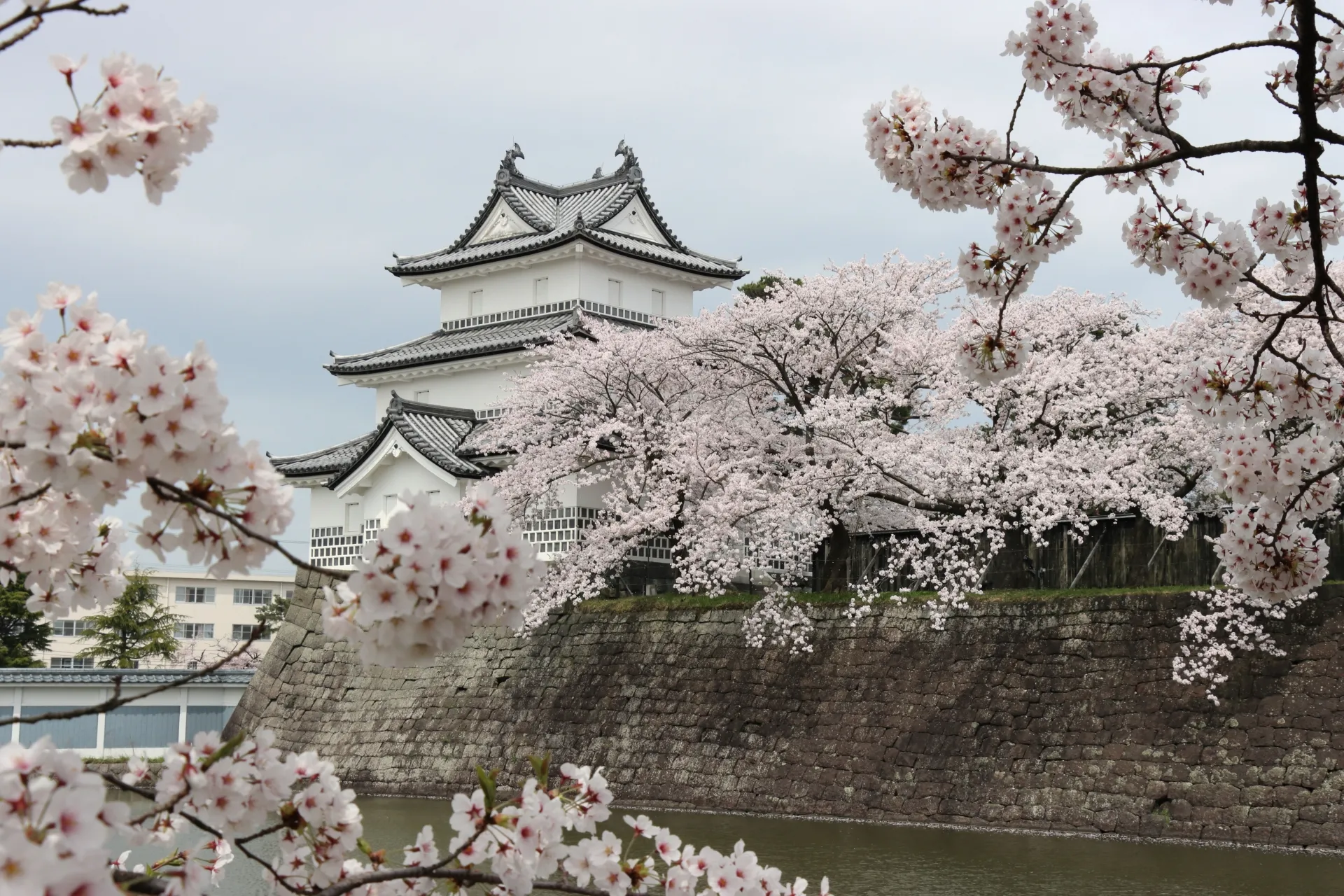
The exterior features a beautiful contrast of black and white. You can also enjoy cherry blossoms in the spring and vibrant autumn leaves in the fall.
When visiting Shimizuen, be sure to view the beautiful garden from the shoin, just as the feudal lord once did. The shoin (Shimizudani Palace) was built during the era of the third domain lord and has a simple, restrained design due to political considerations toward the shogunate. From the veranda of the shoin, you can overlook the entire garden, and this spot offers the only full panoramic view within the grounds. On the south side of the shoin is a pond, and in the wide veranda, sliding doors with long horizontal glass panels—called yokogaku shōji—are used. Remarkably, these were designed so that when seated in a formal kneeling position, the garden appears framed perfectly at eye level.
A strolling garden is one designed to be appreciated while walking through it, and at Shimizuen the scenery shifts beautifully as you move. The garden incorporates a variety of artistic techniques. For example, elements of the Eight Views of Ōmi are skillfully woven into the design, creating a sense of depth in the landscape. Within the pond are three islands—Rock Island in the southwest, Turtle Island in the southeast, and Middle Island in the northwest—each connected by stone bridges. Following the designated walking route offers a curious experience in which the number of rocks on Rock Island appears to change from two to three as you progress.
By experiencing both “still appreciation”—sitting in the shoin and quietly viewing the garden—and “strolling appreciation,” in which you walk around the pond and enjoy the changing scenery, you can fully appreciate the many charms of Shimizuen.
Parking at Shimizuen is limited to about 20 spaces for regular cars (with room for large buses), so arriving early is recommended during the autumn foliage season. Shimizuen remains open during winter, but please note that it is closed at the end of the year (December 27–31).
Around Shimizuen, you will find many attractions that preserve the atmosphere of the former castle town, such as the Shibata Castle ruins (Shiroyama Park), samurai residence remains, and the hot spring town of Tsukioka Onsen, which features foot baths. About 15 minutes away by car, the roadside station “Kajikawa” offers a local farmers’ market, a popular bakery, and is also known as a cherry blossom viewing spot. Be sure to visit these places along with Shimizuen.

Spot Name::Shimizuen
Opening Hours:
・March–October: 9:00–17:00
・November–February: 9:00–16:30
Closed:Tuesdays (or the following day if Tuesday is a national holiday), and year-end (around Dec 27–31)
Admission:
Adults 700 yen, Children (elementary & junior high) 300 yen
Adress:7-9-32 Daiei-machi, Shibata City, Niigata Prefecture 957-0056
Access:
・Train: About 7 minutes on foot from JR Hakushin Line Shibata Station
・Car: About 10 minutes from the Nihonkai-Tohoku Expressway Seiro-Shibata IC
Parking:
About 20 spaces for regular cars (large buses also accepted)



Autumn colors at Shimizuen