



In a region that was once home to numerous sake breweries, Isonosawa is now the only one left. Today, the brewery is undergoing a major shift under its sixth-generation head, Mr. Takahashi, who brought a fresh perspective from his background in advertising. He shares the history of the brewery and his new approach to keeping this tradition alive.
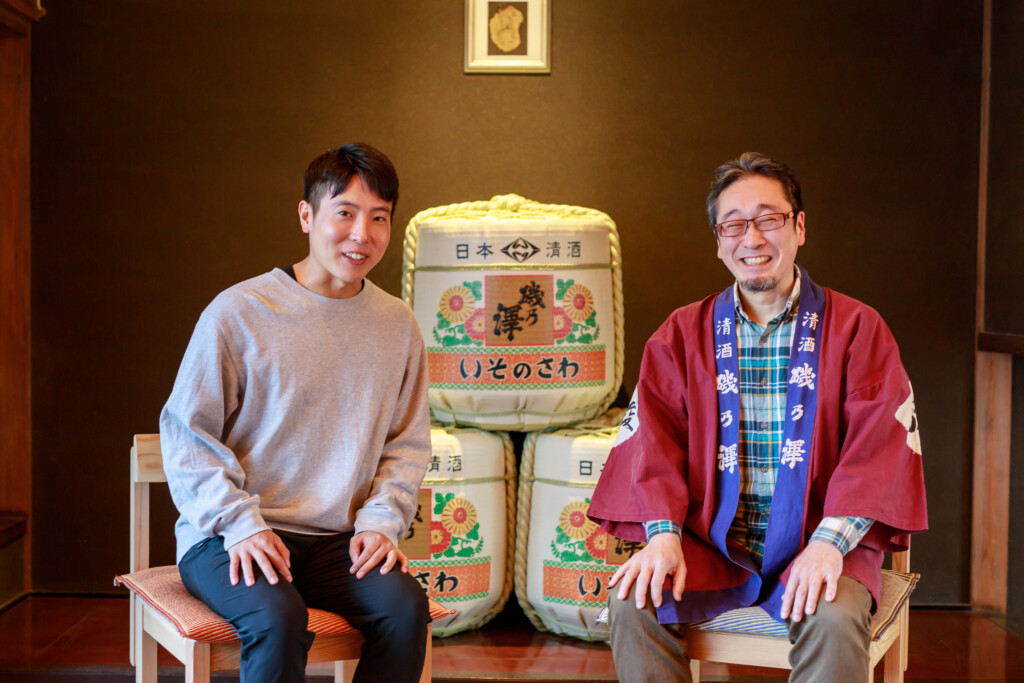
(Right) Mr. Takahashi, the sixth generation head of Isonosawa.
Using his experience from working at an advertising agency, he is working hard to protect the only remaining sake brewery in Ukiha.
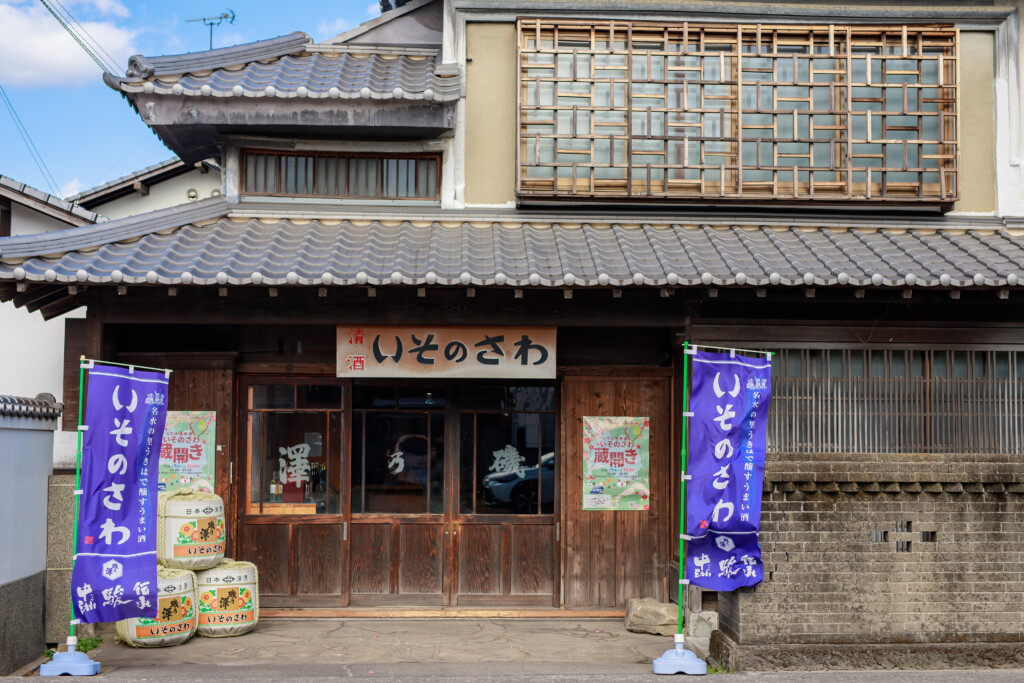
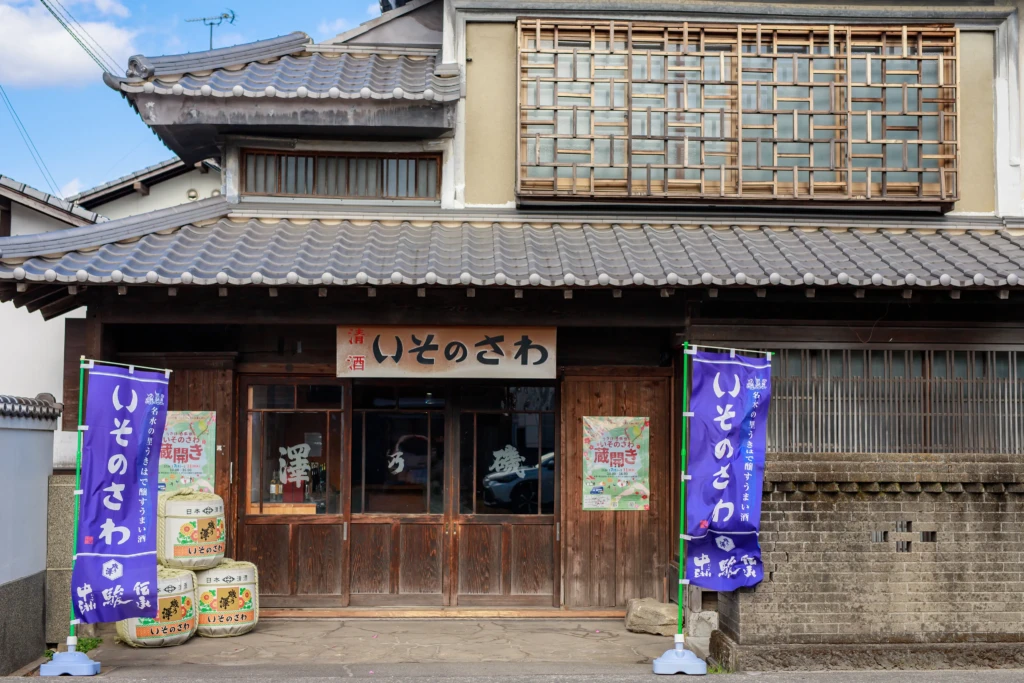
Isonosawa in Ukiha, Fukuoka.
Loved by locals, this charming inn continues to evolve while keeping its traditions alive.
Taking Over a Failing Business to Save Local Tradition
—To start, could you tell us about the history of this sake brewery?
Mr. Takahashi: We have a 132-year history. This main building dates back to our founding, so it holds incredible heritage. Ukiha used to have many sake breweries, but today, we are the last one left. While I am the sixth-generation head, I actually have no relation to the founding family. I took over the business four and a half years ago when I succeeded the previous owners.
—How did you come to take over a sake brewery from a completely different industry?
Mr. Takahashi: To be honest, I had absolutely no intention of taking it over at first. When the previous company was being liquidated, creditors like the banks asked me to help with the restructuring since I was a third party with no prior ties to the management. I turned them down multiple times. However, they told me, “If you don’t take over, sake brewing will disappear from Ukiha entirely.” In the end, my true feeling was that I accepted quite reluctantly.
Connecting with the Local Community
—What kind of changes did you bring to the brewery after taking over?
Mr. Takahashi: Previously, the brewery focused on selling to major metropolitan areas like Tokyo and Osaka, and it wasn’t very open to the local community. However, I believed that a sense of unity with the local area was crucial, so I opened our doors through various events. Many locals visited the brewery for the very first time, which made me feel strongly that this wasn’t right. We needed to liven things up together.
—Was your experience at the advertising agency helpful here?
Mr. Takahashi: Yes, it was. We started from a negative position, so the know-how of organizing events to gather people and show them a good time was incredibly useful for raising awareness and getting people to know our sake.
—How did you approach the actual process of sake brewing?
Mr. Takahashi: The deciding factor for me was that the area has an abundance of spring water, and above all, the sake tasted outstanding. It was something I felt confident introducing to my friends and saying, “I made this.” Although I had no prior experience in sake brewing, I retained all the staff from the previous management. When it came to launching a new direction, it was a huge help that our master brewer agreed to try something new.
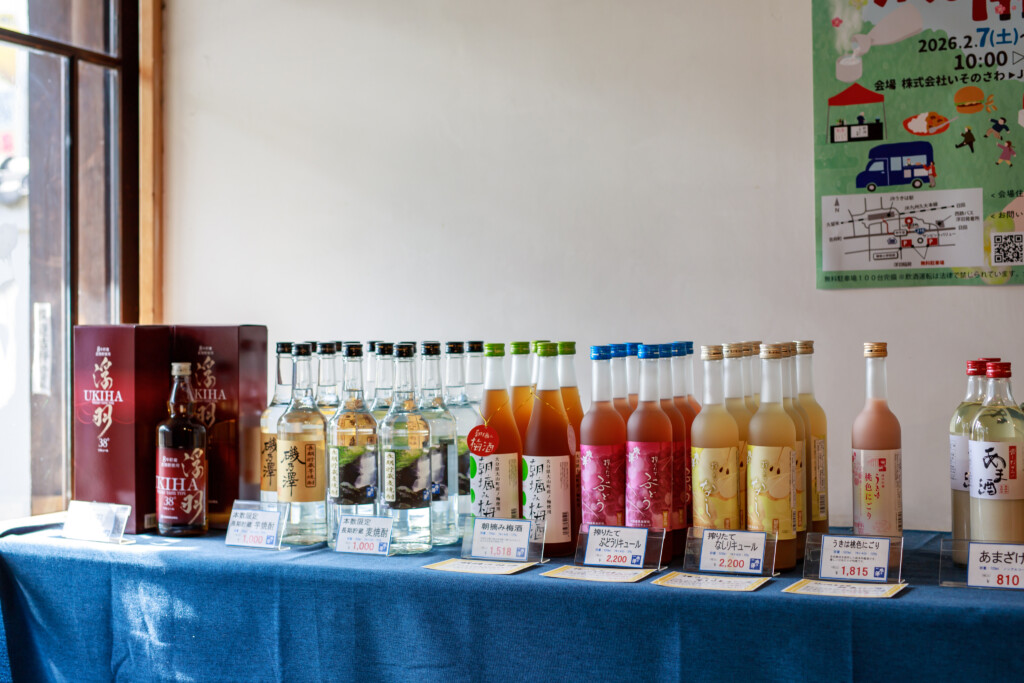
Partnering with an Italian Chef and Building a Sake Tank Sauna
—The inn and restaurant have also been generating a lot of buzz lately.
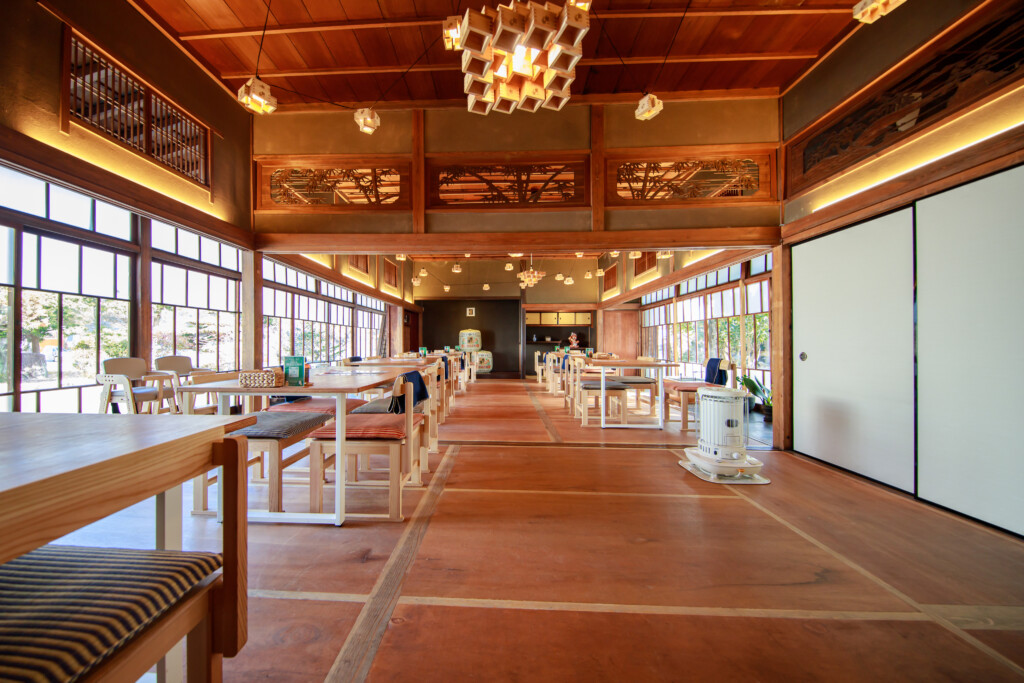
Mr. Takahashi: We built the inn about three years ago. We preserved the 132-year-old charm while creating a space where guests can fully enjoy sake. For the first-floor restaurant, I reached out to Salvatore Cuomo, a world-renowned pizza chef who happened to live nearby. He took an interest in this building and our fermentation culture, and the space was reborn as an Italian cafe. We take great pride in our dishes, which feature Ukiha’s water, local ingredients, and sake.
—I heard that the sauna is particularly unique.
Mr. Takahashi: Originally, I wanted to build a bath, but budget and structural constraints made it difficult. Then I thought, “Could we use our leftover sake tanks?” When we tried it, the enamel lining and perfect drainage made them absolutely ideal for a cold plunge. At first, the National Tax Agency scolded us, asking what we were doing with the tanks instead of discarding them. But now, they praise it as an interesting initiative.
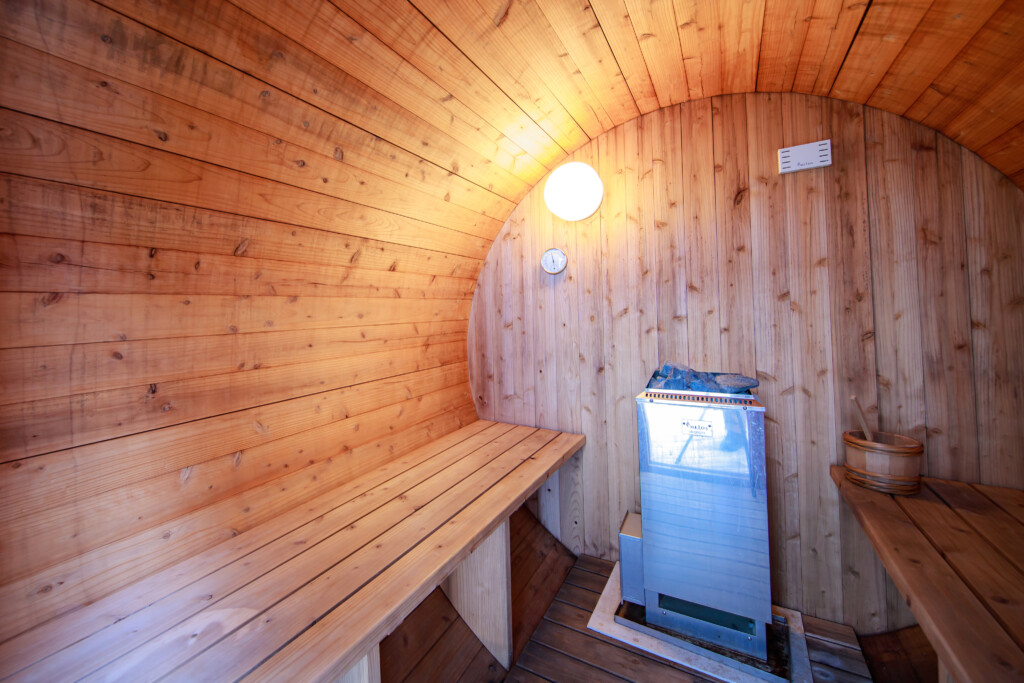
An Experience Mirroring the Sake Making Process
—What thoughts and concepts went into the sauna and the inn?
Mr. Takahashi: The water in Ukiha is mellow water filtered through Mount Aso, and 20 tons of it pump out from the brewery’s well every hour. The concept of the inn is for the guests themselves to experience the same journey as the sake ingredients.
First, you steam in the sauna, and then you soak in a cold plunge filled with the exact same spring water used for brewing. This mirrors the steeping process where rice absorbs water. After that, you drink delicious sake and slowly unwind overnight during your stay, leaving the next morning feeling fully refreshed.
Mr. Takahashi: I want sake lovers, as well as young people and international visitors, to freely enjoy their first-time experiences at our brewery. My hope is for Isonosawa to become a hub that brings people together from all over the world to share the charm of Ukiha. I believe this will sustain the brewery and the region for years to come.
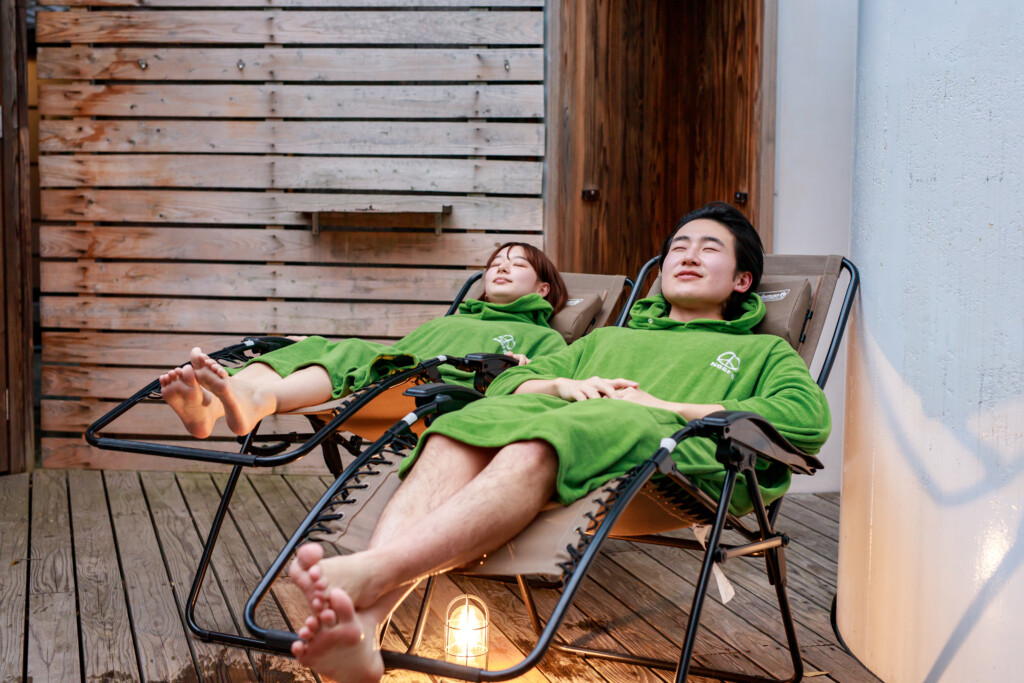
What began as a reluctant challenge to save Ukiha’s last remaining sake brewery has revitalized Isonosawa into a regional landmark through the addition of a renovated inn and a custom sauna.
The spaces preserve the character of the 132-year-old historic main building, while the restaurant features local cuisine created in collaboration with a world-renowned chef. By repurposing actual sake brewing tanks for the cold plunge, the property offers a unique experience where guests can enjoy local sake while completely immersing themselves in the water and heritage of the region.
By honoring the local resources passed down by previous generations, this project blends local tradition into modern travel and keeps a historic brewery vibrant for the community.
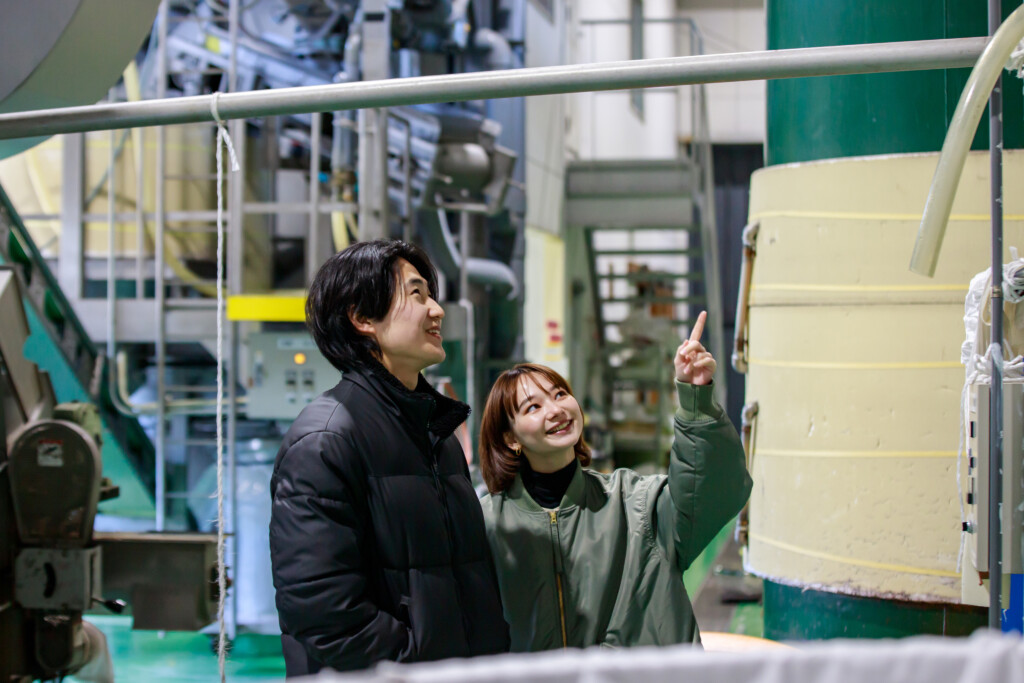
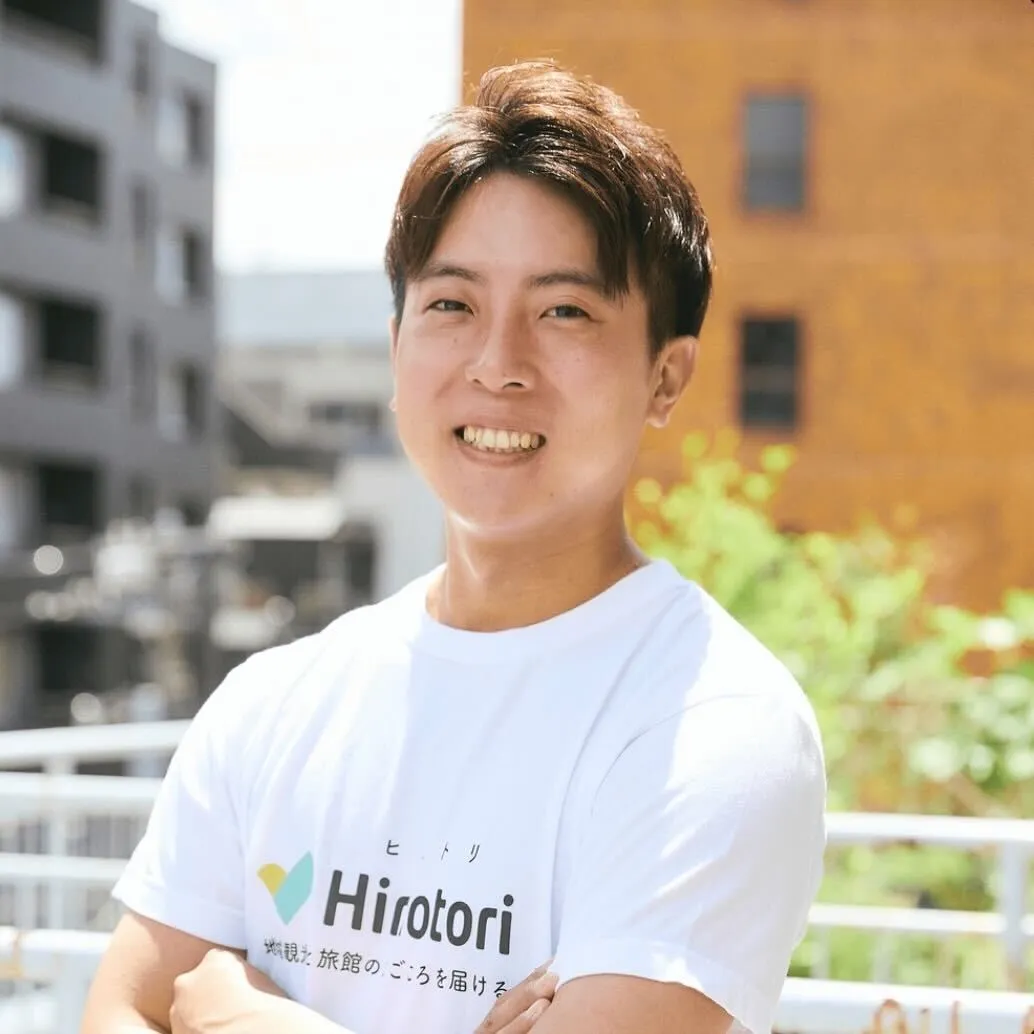
Interviewer: Yohei Osaki
Translation: Alyssa Rossi
Isonosawa
View Details