



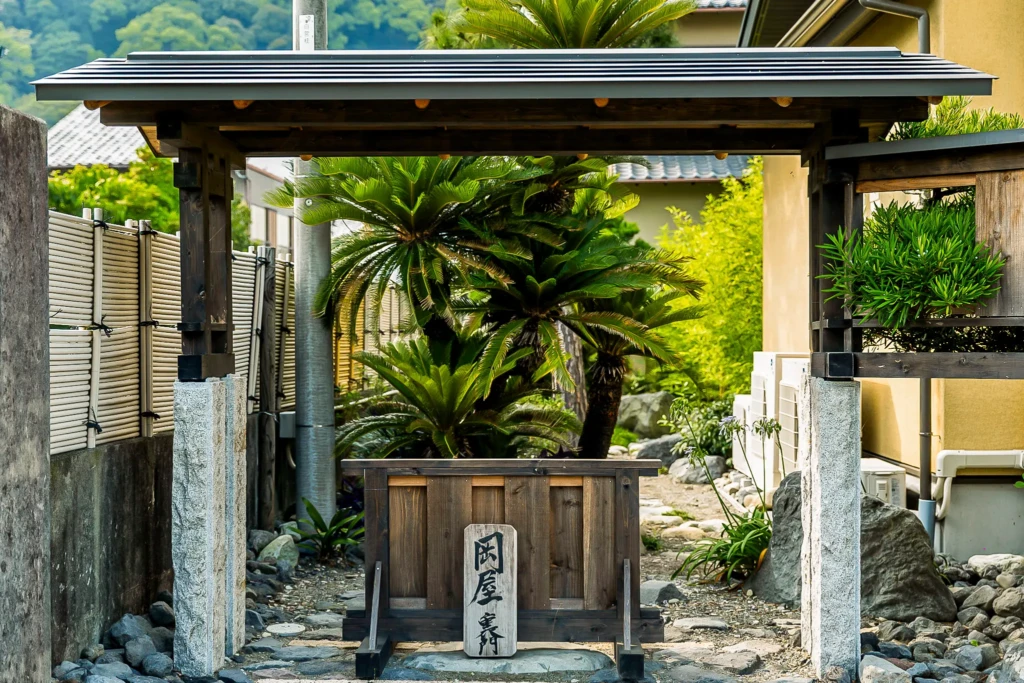
In Okitsu, Shizuoka City—once a bustling post town as the 17th (or 18th) stop on the old Tokaido road—stands Okaya Ryokan. Since the Edo period, this establishment has preserved its legacy as a “Hatago” (traditional traveler’s inn) in a land where travelers crossing the difficult Satta Pass once rested their wings. While carrying nearly 300 years of history, the inn continues to innovate today with a mission to “heal the exhaustion of modern people”.
We spoke with the manager, Keigo Oda, who returned to the family business after gaining experience in the outside world and now works to revitalize local tourism. We delved into his philosophy of “Recovery,” the historic gardens, and the inn’s dedication to fine dining.
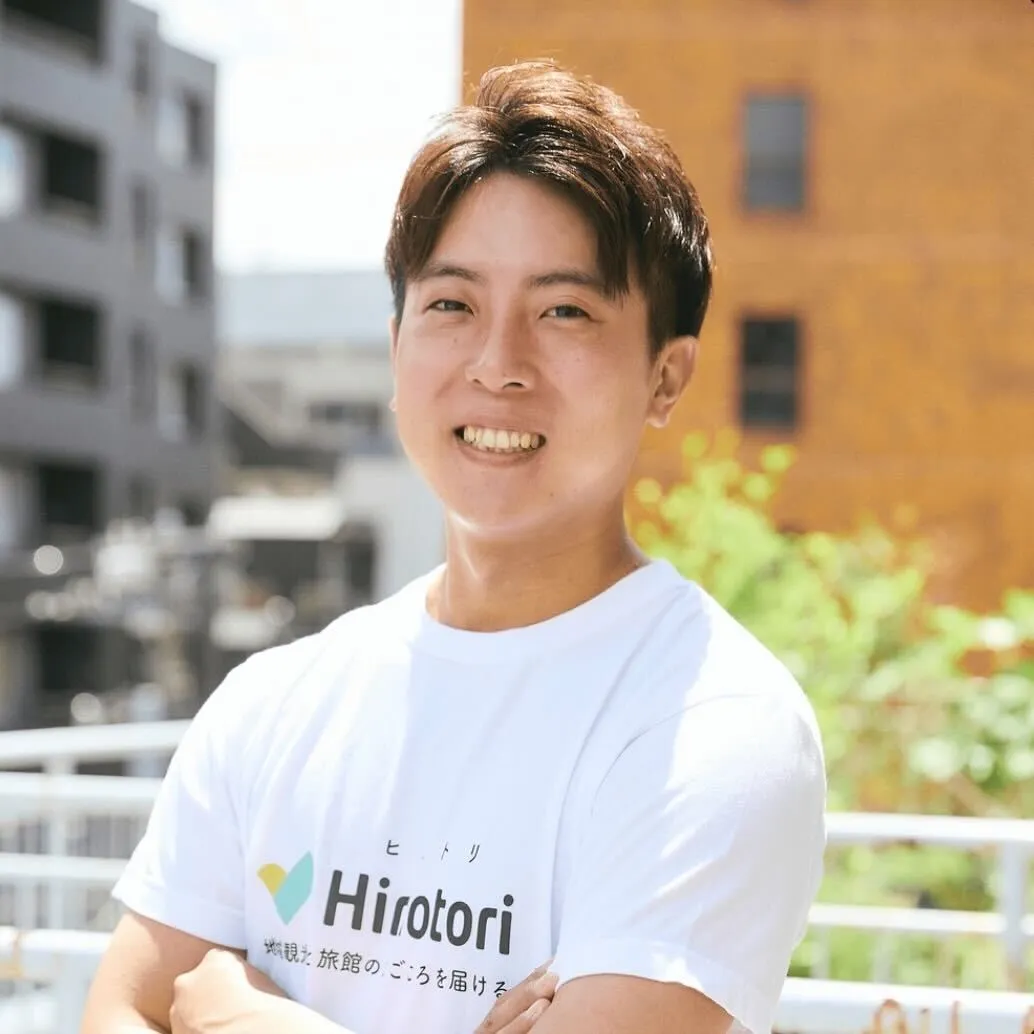
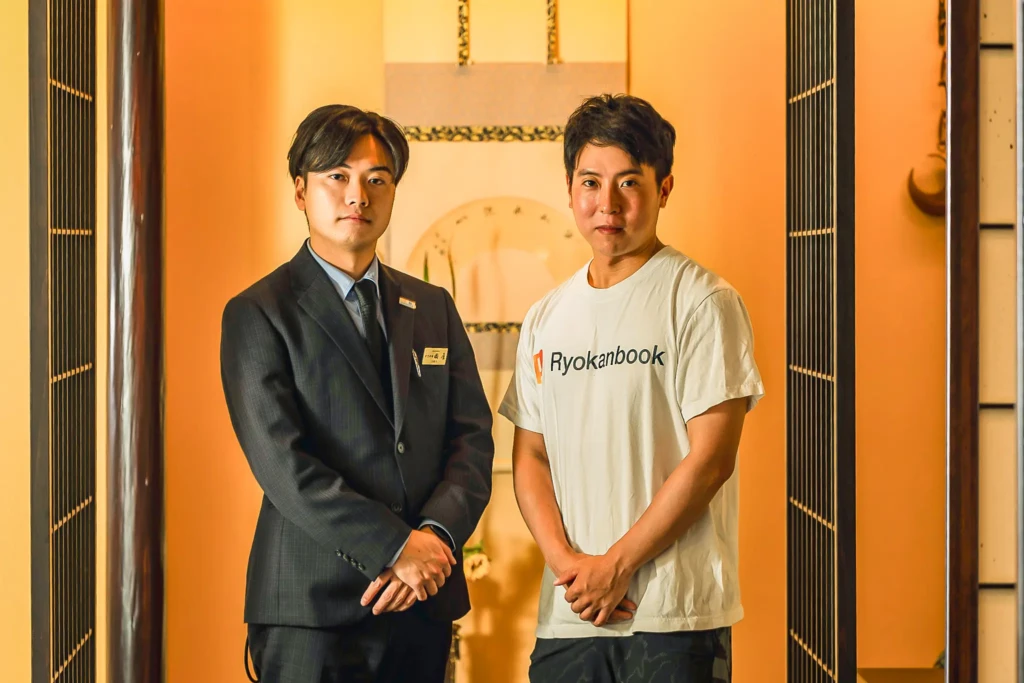
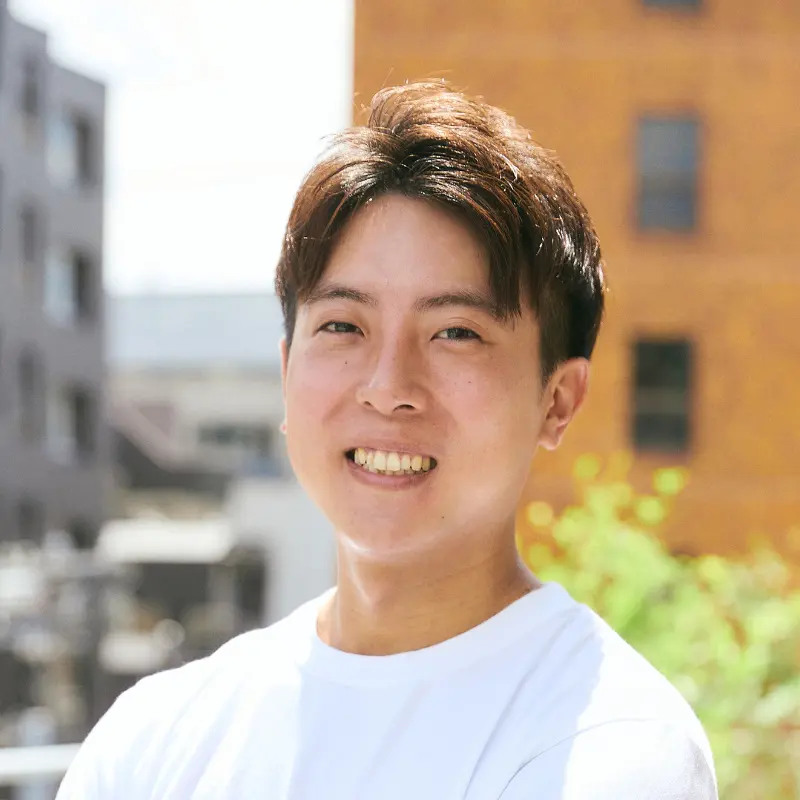
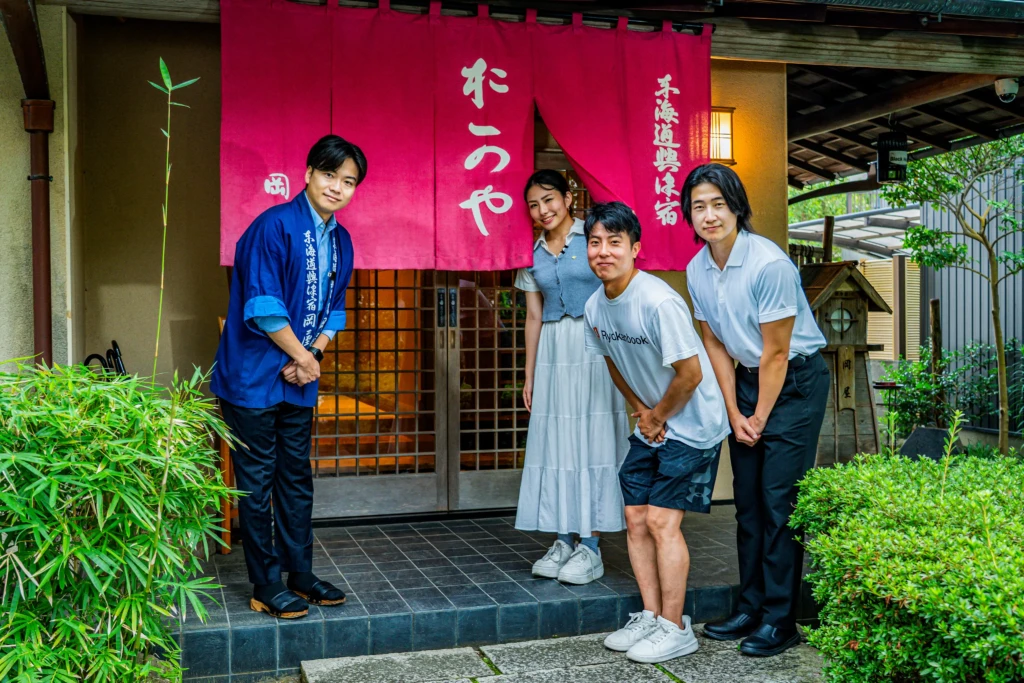
Okaya Ryokan Manager Tomoya Oda (left) and Mr. Osaki (right)
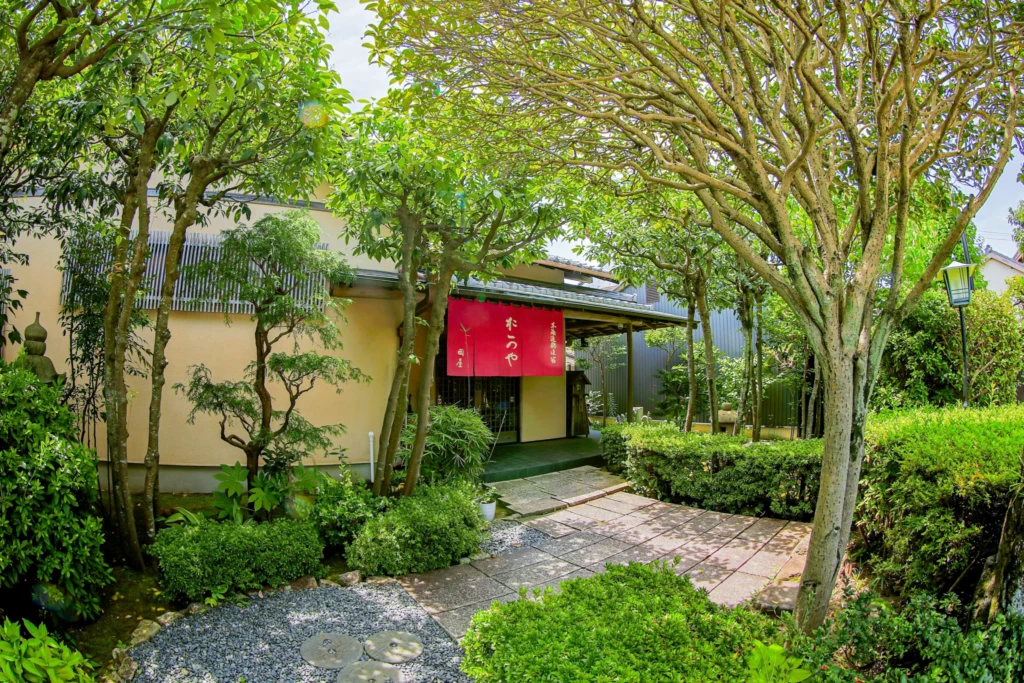
Inn with the warmth of tatami and gourmet cuisine
The Pride of a “Hatago” Continuous from the Edo Period
— To begin, could you tell us about the history of Okaya Ryokan?
Mr. Oda: Although few precise documents remain, we know the name “Okaya” has existed as a Hatago since the Edo period. Okitsu has long been famous as a post town where travelers could rest before or after the challenging Satta Pass. We carry that history into the modern era to welcome our guests today.
— Did you always intend to take over the inn?
Mr. Oda: To be honest, during my high school and university years, I didn’t think I would work at the ryokan at all. However, having grown up in a ryokan family, hospitality was always close to me. Realizing again the joy of interacting with guests prompted my decision to return to this path.
“Mental Rest” Brought by the Gardens: The 100-Year-Old Five-Needle Pine
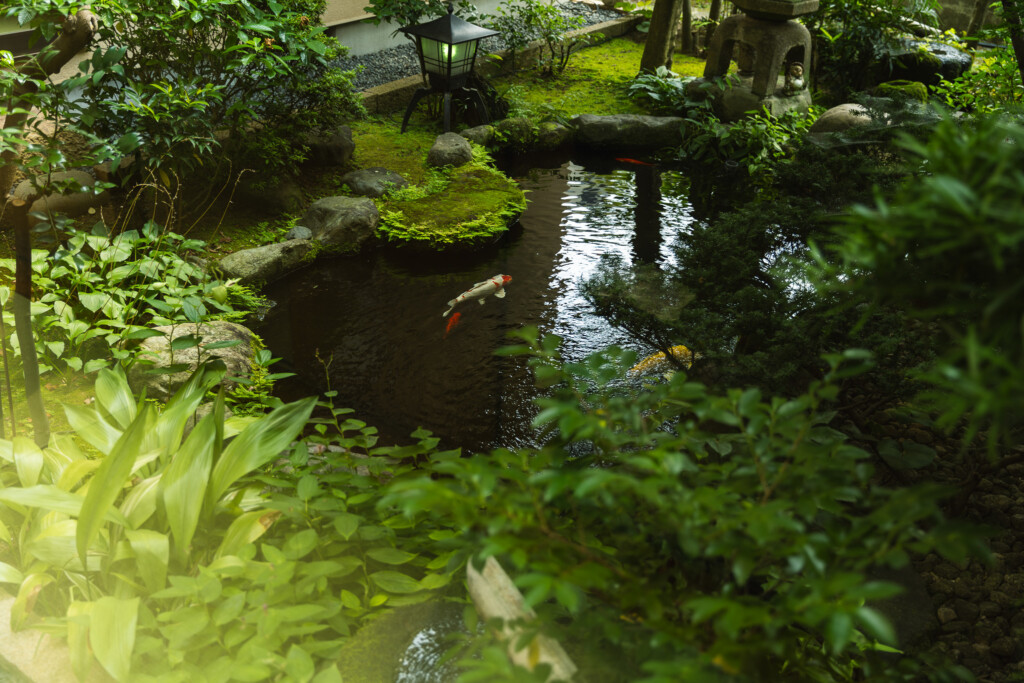
— The beautiful gardens are the first thing that catches the eye upon entering.
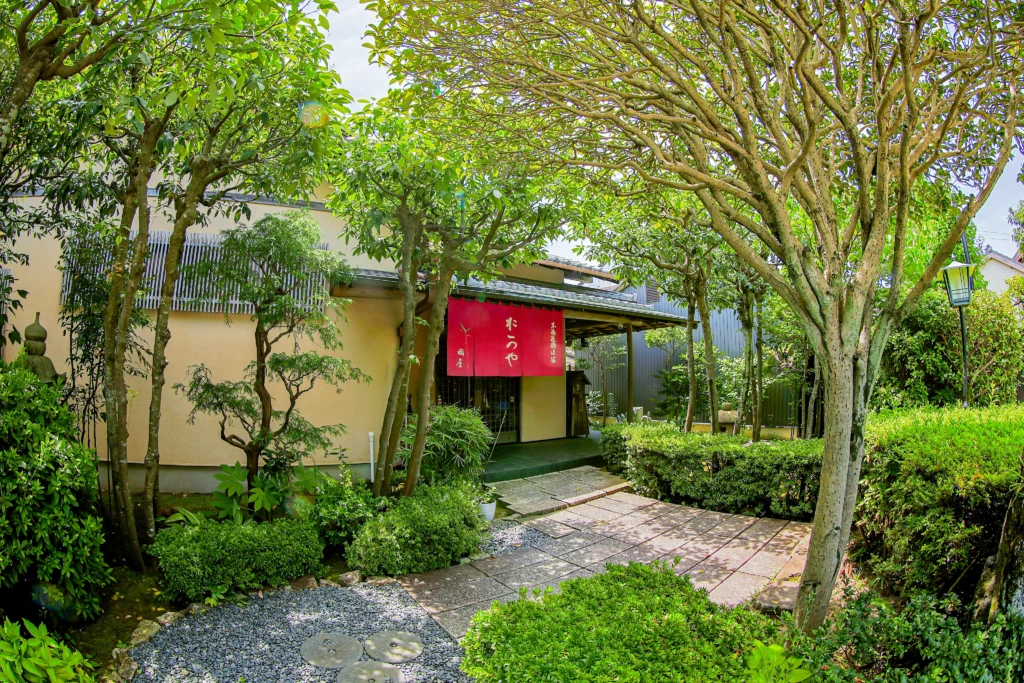
Mr. Oda: Our gardens are a great source of pride. We have three: the “Pond Garden,” the “Goyomatsu (Five-Needle Pine) Garden,” and the “Back Garden”. We recently renovated them, and our primary focus was to ensure that the sight of the greenery makes our guests’ hearts feel lighter.
— There is a particularly magnificent pine tree here.
Mr. Oda: Yes, the main Goyomatsu pine has been marking time in this garden for over 100 years, or perhaps much longer. I am committed to protecting this tree, just as generations of my ancestors have carefully tended to it. Not only Japanese guests but also visitors from overseas are greatly surprised and delighted by the beauty of the pine and the Nishikigoi (koi fish).
A Leisurely Time Invested in “One-by-One” Course Serving
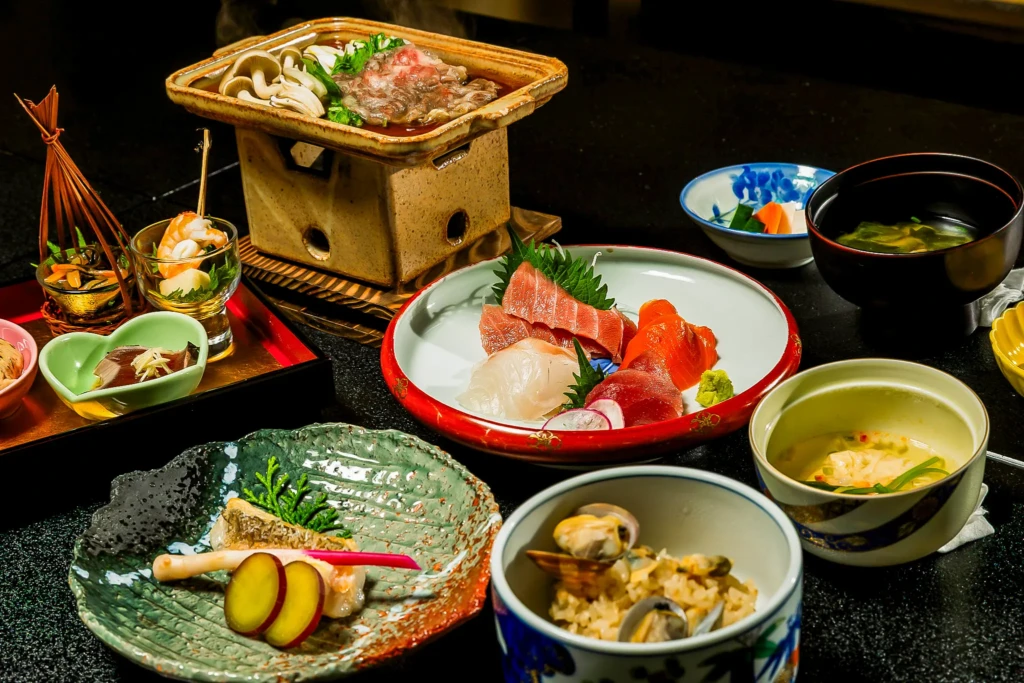
— I can feel Shizuoka’s unique dedication in your cuisine as well.
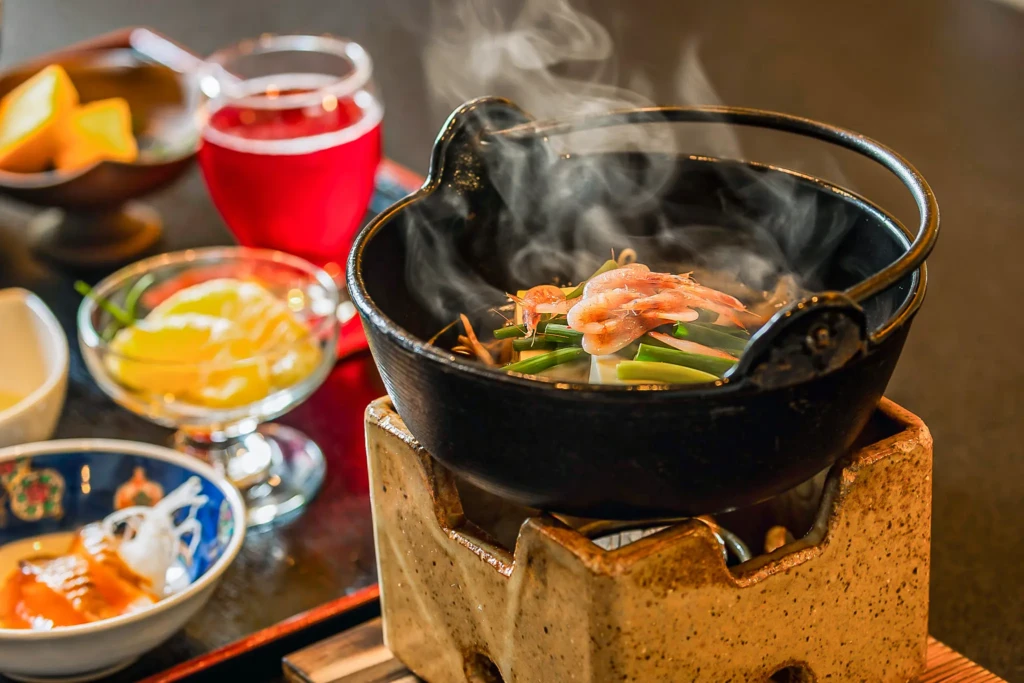
Mr. Oda: Our cuisine is centered around the seafood Shizuoka City is famous for. A staple of our menu is “Amadai no Matsukasa-yaki” (Tilefish with crispy scales), an arrangement of a local Okitsu specialty. As Shizuoka is the top producer of tuna in Japan, we are also very selective about the freshness of the tuna we source from Shimizu Port.
— Your serving style seems slightly different from a typical ryokan.
Mr. Oda: Taking the renovation as an opportunity, we changed to a “Kappo style,” where dishes are served one by one. By intentionally taking time to serve, we want our guests to savor the meal while enjoying conversation with their companions in a relaxed atmosphere.
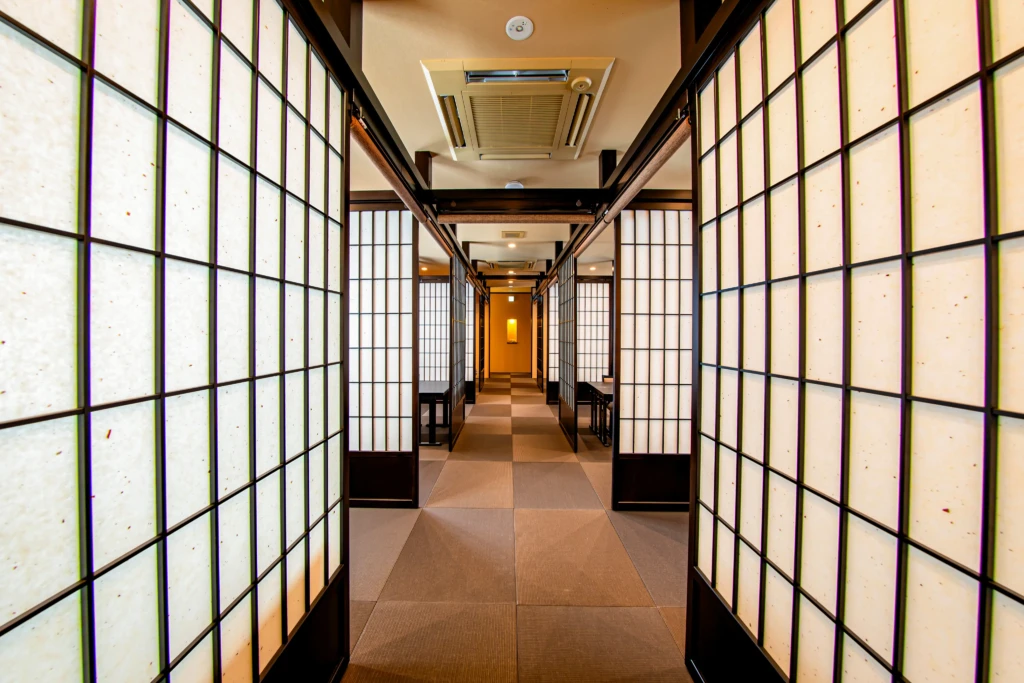
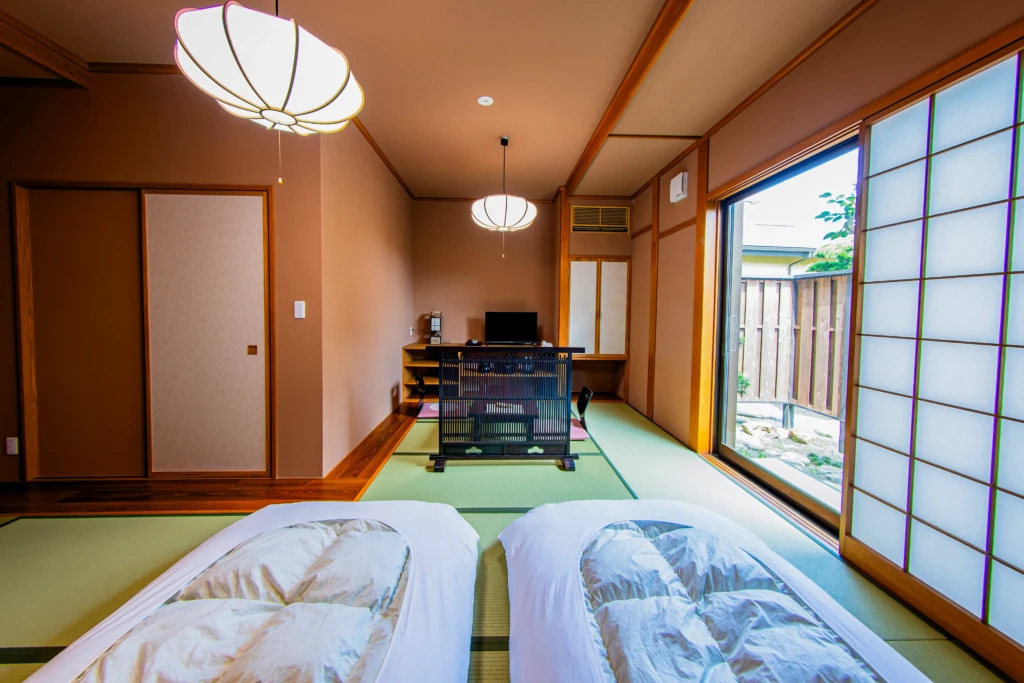
Restoring the Body and Mind through All-Tatami Flooring
— Your philosophy that “staying is helping people” is very moving.
Mr. Oda: Through my activities in the industry, I have explored how a ryokan can truly help people. The answer I reached was to “let guests recover from their daily fatigue by fully enjoying a single day”. I want our inn to be a place where guests feel healed and ready to face tomorrow when they check out.
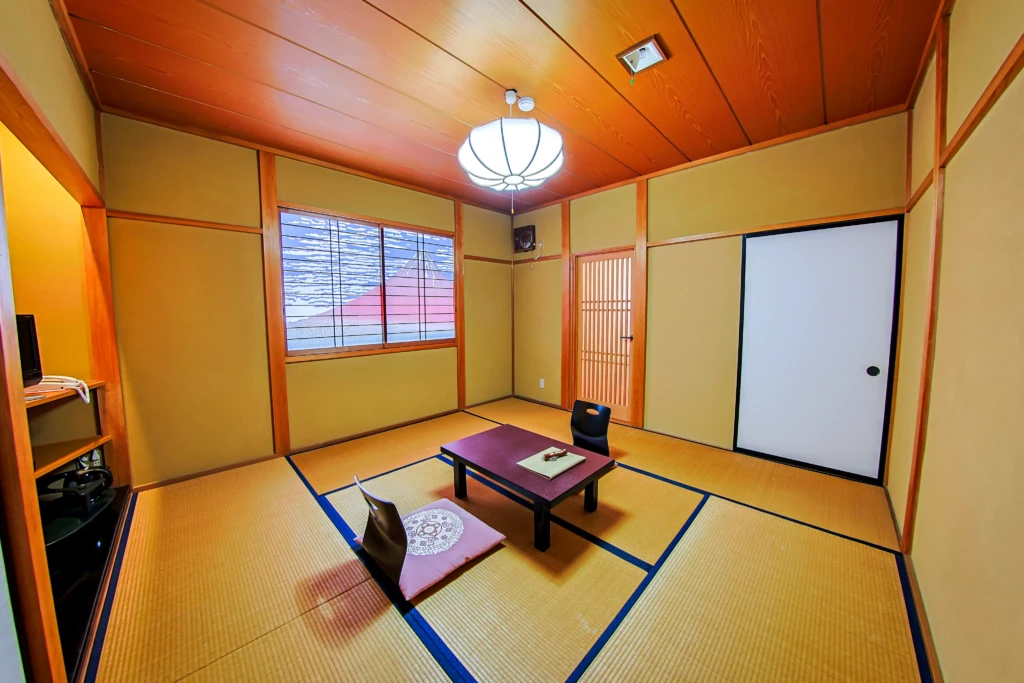
— You have made specific improvements to the facilities for this purpose.
Mr. Oda: During the renovation amid the pandemic, we made the entire inn floor covered with tatami. We abolished slippers because walking barefoot on hardwood floors can actually accumulate fatigue. We chose tatami to reduce the burden on the feet. If a business hotel is a “place to sleep,” then a ryokan is a “place to stay and recover.” I value that distinction.
— Finally, do you have a message for future guests?
Mr. Oda: We put our full effort into providing hospitality that makes our guests feel excited and healed. In the historic air of Okitsu, I would be most happy if you could touch the warmth of the tatami, eat delicious fish, and return to your daily life fully “recovered”.
Stepping into a building that holds 300 years of history, one finds the coexistence of modern functional beauty and traditional peace. The hospitality of “Recovery” championed by Manager Oda lives quietly within the garden where the Goyomatsu sways and in each carefully served dish. Just as the travelers of the Tokaido once did, a luxurious time to forget the daily hustle and find oneself flows here at Okaya Ryokan.
Kappo Ryokan Okaya
View Details