



Sumatakyo Gorge is located upstream of the Oi River in the central part of Shizuoka Prefecture. This is a land with a history of being reborn as a hot spring town through the “obsession” of one man when the local vitality, once flourishing with forestry and power development, began to fade. Suikoen, standing at its heart, has welcomed many travelers as the symbol of this land since its founding in 1962.
We spoke with the manager, who inherits the vision of the founder—the man who brought hot springs to the town and built the foundation of this resort—about the inn’s origins, the “Taisho Roman” theme, and the allure of the “Springs for Beautiful Skin”.

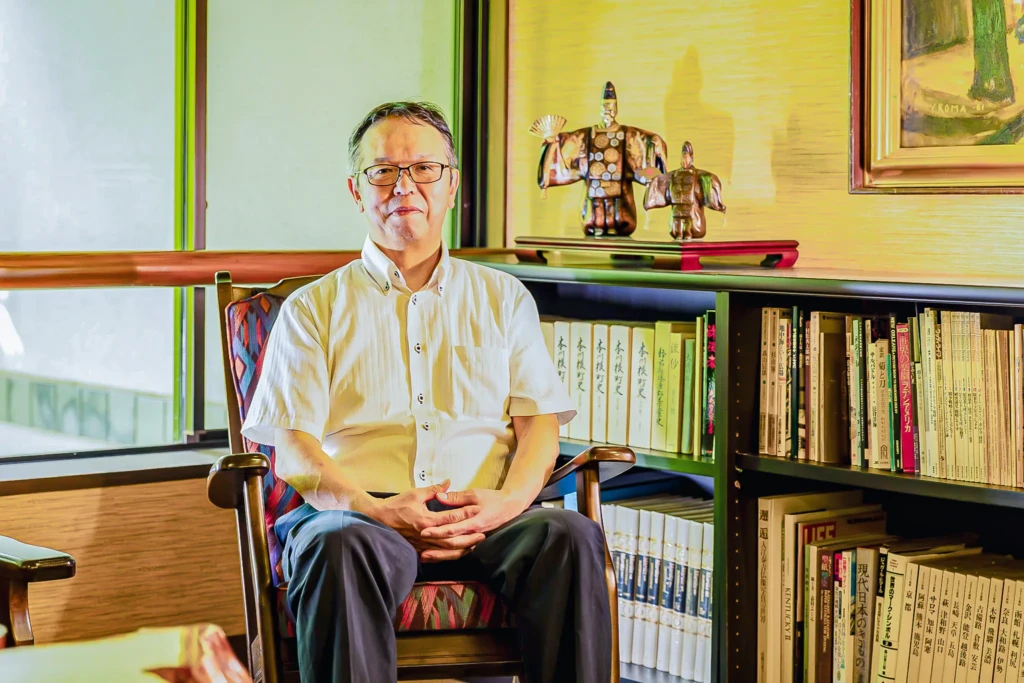
Yoshihiro Haneda, Manager of Suikoen
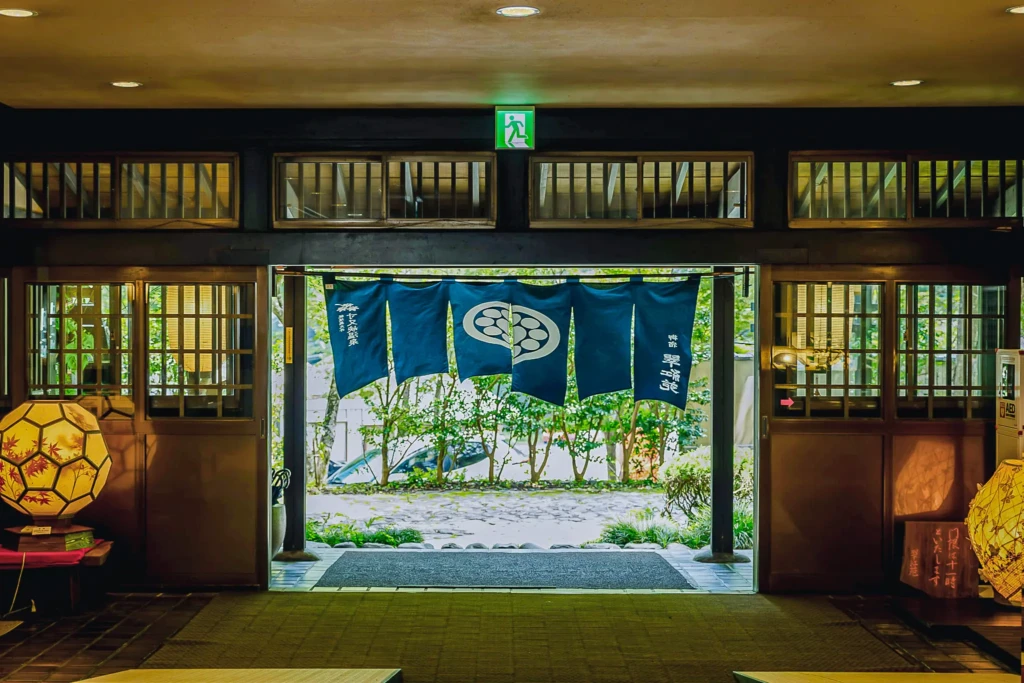
Nostalgic yet modern hot spring retreat
The Story of the “Founder” who Dug the Mountain with His Own Funds
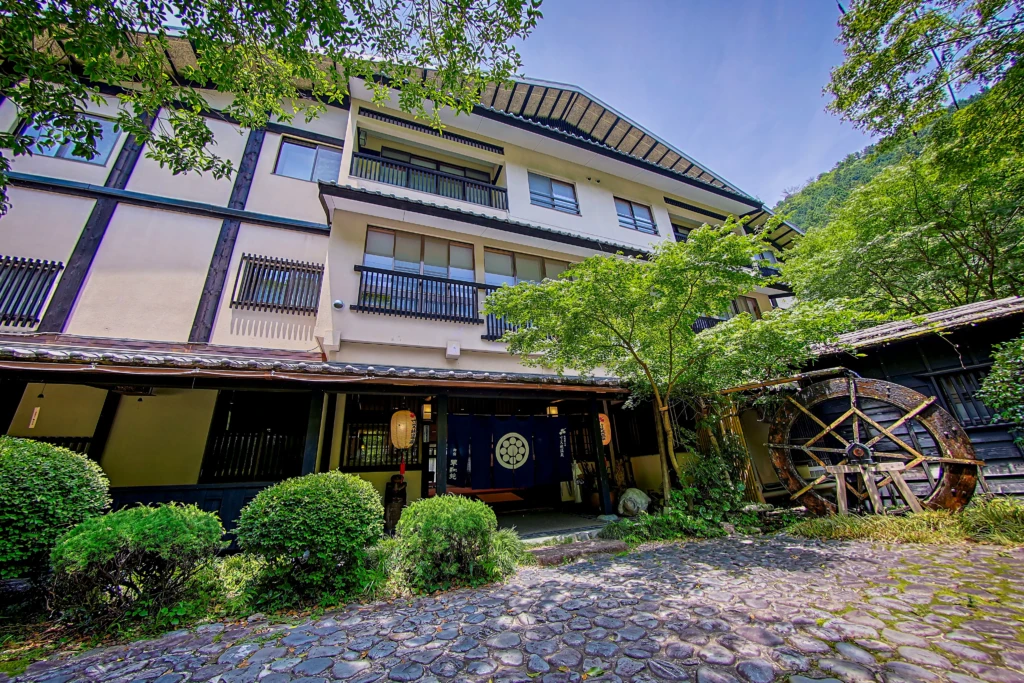
— First, please tell us about the history of Suikoen and Sumatakyo Spa.
Mr. Haneda: The history of Sumatakyo Spa actually began with my grandfather, the first owner. Originally, there was a hot spring in the Yuyama village upstream, but the water vein was cut off due to dam construction. As the population decreased due to the automation of dams, the founder stood up, believing that “only a hot spring can revitalize this town”.
— We heard he started digging the spring with his own strength.
Mr. Haneda: Yes. Starting in 1957, without any sponsors, he began digging the mountain using his own funds. Despite financial struggles, with help from Oigawa Railway and others, water finally gushed out on December 7 of that same year. He then transferred the rights to the town for free, and Sumatakyo Spa officially started in 1962 with five inns. Suikoen is truly the origin of this entire town.
An Extraordinary Space Woven by “Taisho Retro”
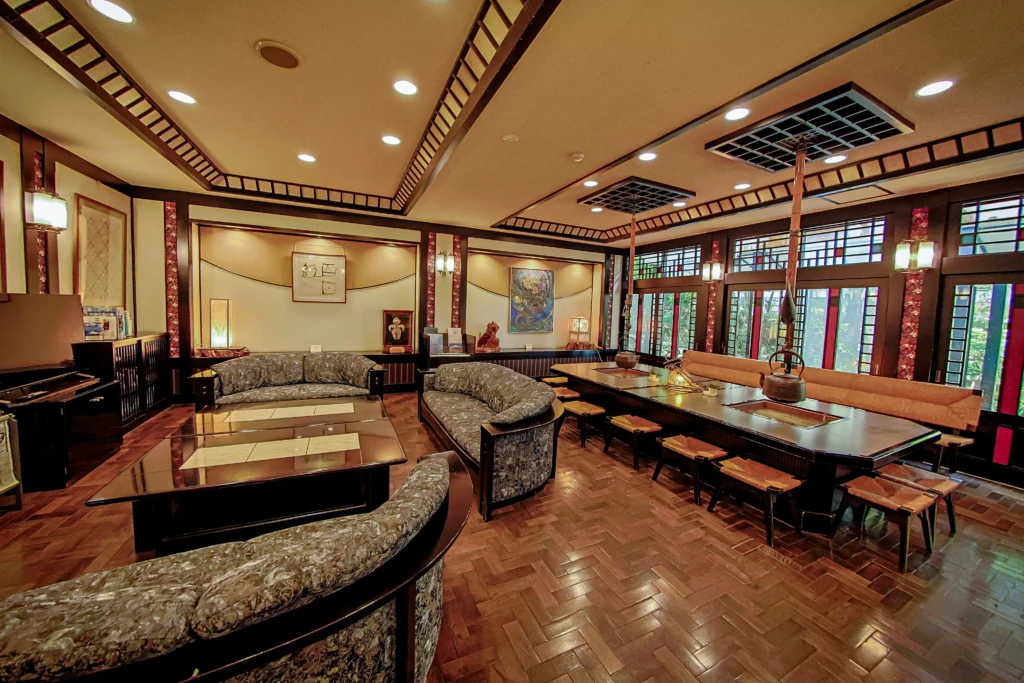
— Upon entering the building, one is greeted by a very atmospheric space.
Mr. Haneda: The current building was constructed in 1989, and the theme at that time was “Taisho Retro / Taisho Roman”. It was designed with the hope that guests from the city would feel a sense of “nostalgic yearning” (kyoshu) and find peace of mind.

— We heard the modern atmosphere, a blend of Japanese and Western styles, is also popular.
Mr. Haneda: Yes. The unique architectural style, which is rare elsewhere, is enjoyed by a wide range of generations. Additionally, in the lobby and corridors, we display bamboo lanterns—remnants of the “Sumatakyo Light Exhibition” held in the past—to allow guests to feel the local culture.
The “Silky” Water of pH 9.1
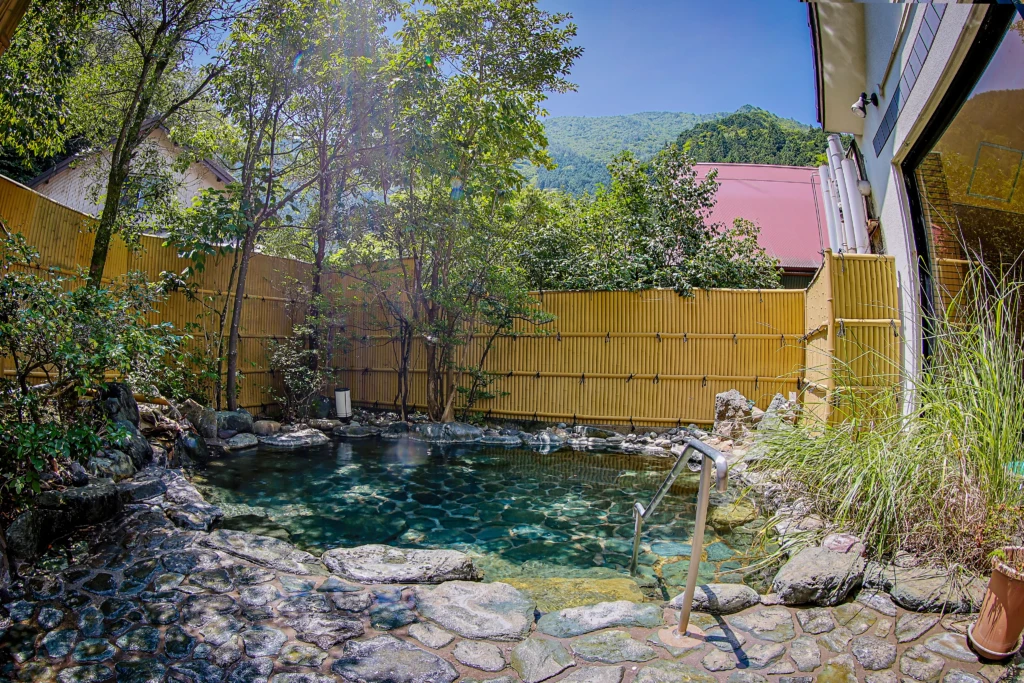
— The quality of the hot spring water also has a very high reputation.
Mr. Haneda: It is a “simple sulfur spring,” and its characteristic is the exceptionally high pH value of approximately 9.1. The moment you enter, your skin feels silky, as if you are soaking in soap water. We have many regular guests who travel from afar specifically for this water.
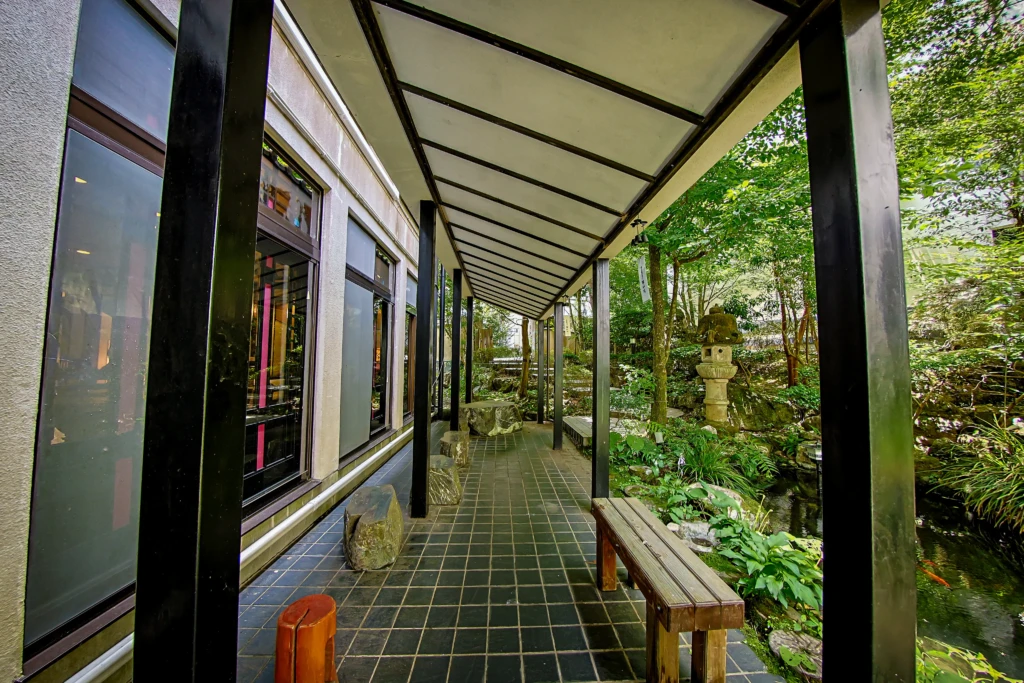
— The gardens and the surrounding natural environment are also wonderful.
Mr. Haneda: You can enjoy the luxury of being healed by the sounds of nature—the deep greenery visible from the windows, the murmuring of the river, and the chirping of wild birds. Nearby are spectacular spots like the “Dream Suspension Bridge” and “Okuoi Kojo Station,” which are enjoyed by everyone from young day-trippers to seniors seeking a quiet stay.
A Commitment to “Mountain Delights”—Local Sumata-style Cuisine
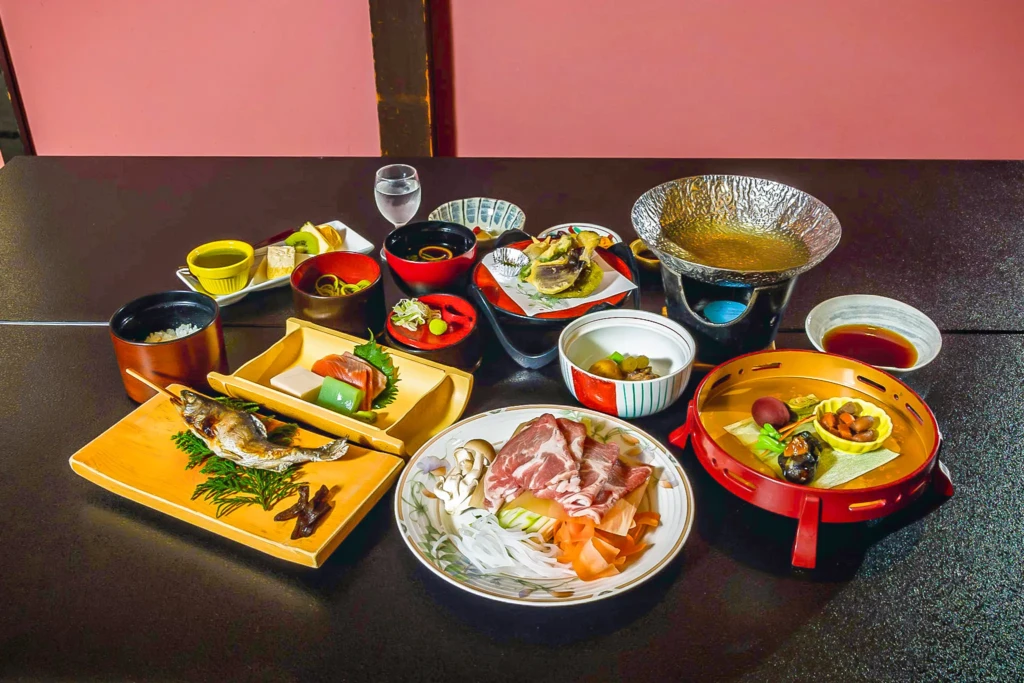
— Regarding the cuisine, what do you value most?
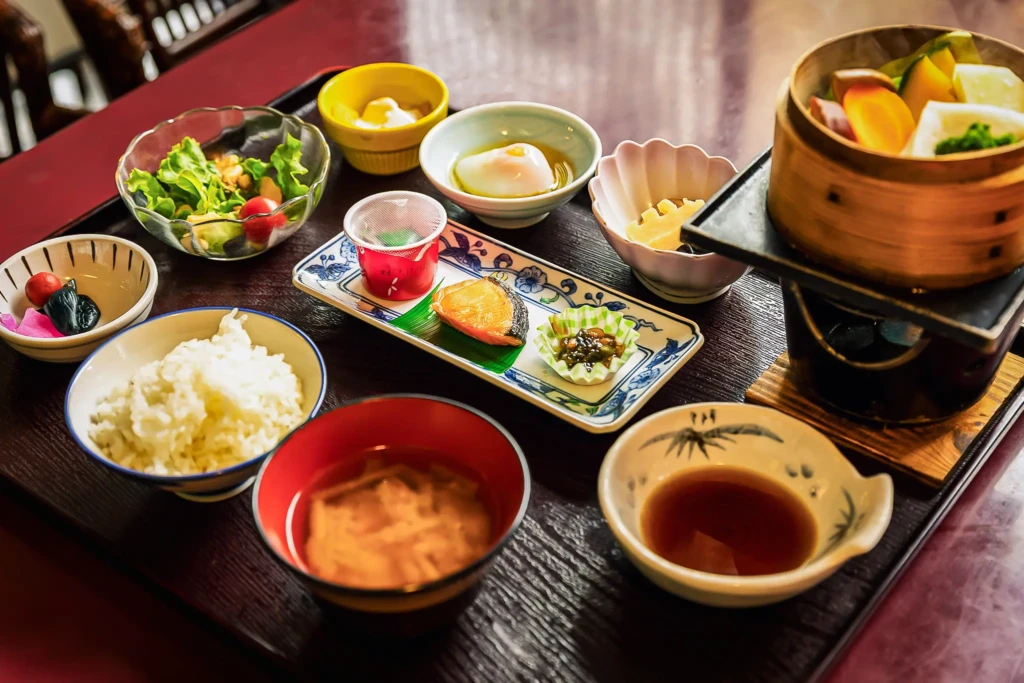
Mr. Haneda: We maintain a strict policy of “never using sea fish”. Instead of tuna, the menu centers on river fish like rainbow trout and ayu, along with local mountain vegetables. We are committed to using ingredients from Shizuoka Prefecture and providing healthy menus based on the concept of local production for local consumption. It makes us happy to see overseas guests enjoying these authentically Japanese meals.
— Finally, please tell us about your thoughts on the future of Suikoen and Sumatakyo.
Mr. Haneda: While we face difficult aspects such as succession issues amidst changing times, we want to continue cherishing and protecting the natural environment and the legacy of the hot springs left by the founder. We aim to continue facing each guest with sincerity and increase the number of people who love this place.
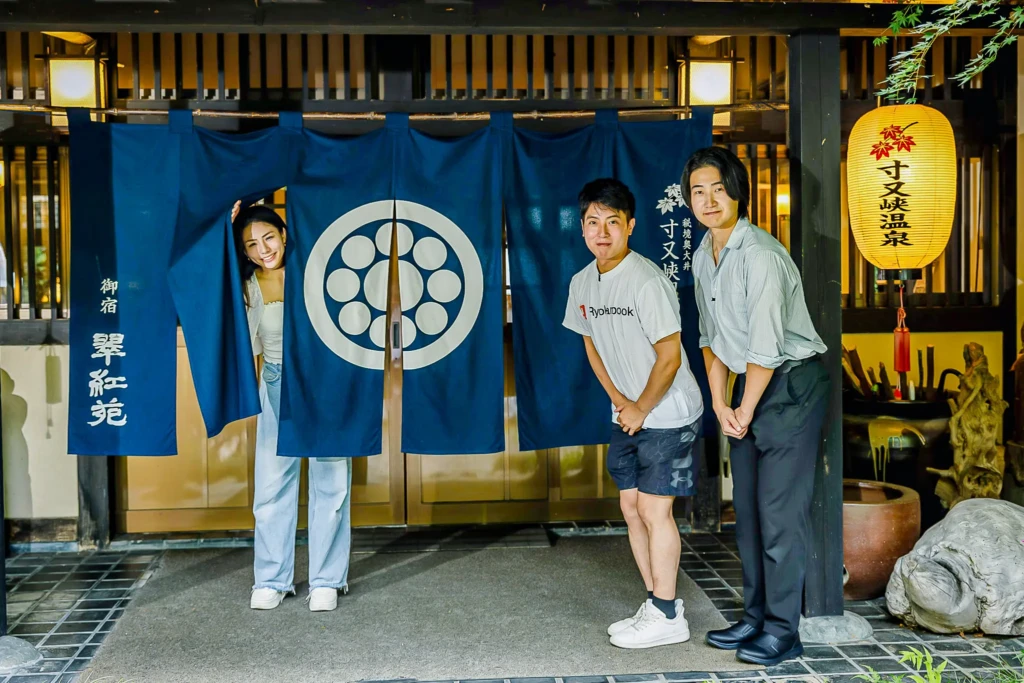
At Suikoen, the murmuring of the river and the voices of wild birds resonate comfortably. Soaking in the “Springs for Beautiful Skin” dug by the founder’s passion and spending time in a space filled with Taisho Roman nostalgia allows one to regain the mental margin forgotten in a busy daily life. Within this deep valley of Sumatakyo, where history and nature harmonize, the “authentic healing” loved across generations continues to live on.
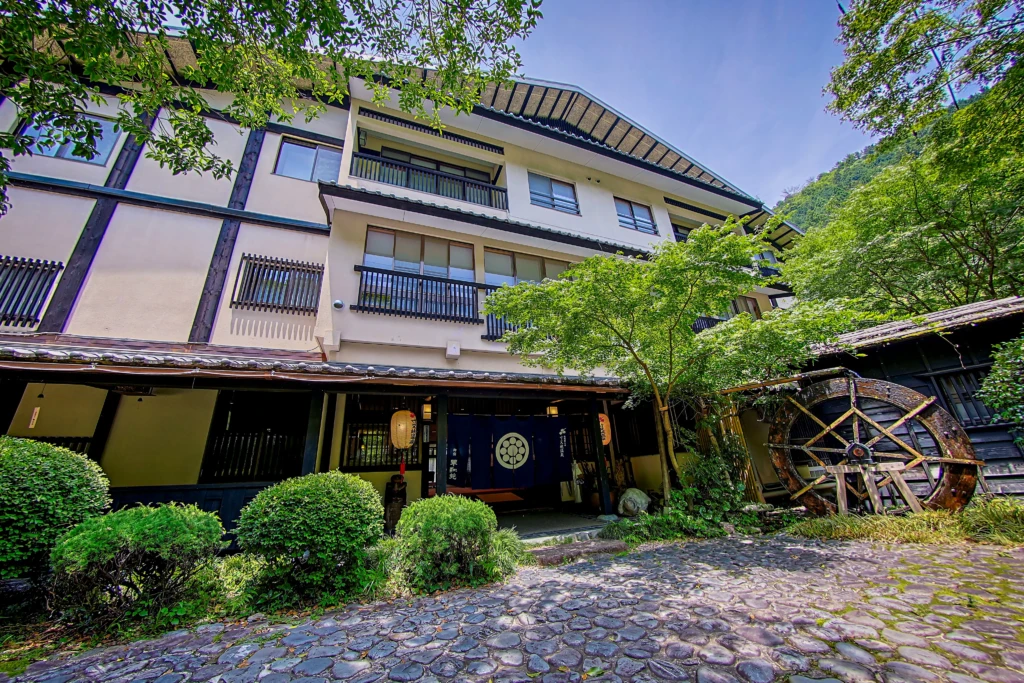
Suikouen
View Details