




Nara is a tourist destination where historical temples and beautiful nature harmonize, packed with spots to enjoy seasonal charms. Spring brings cherry blossoms, summer brings lush greenery, autumn brings fall foliage, and winter brings snowy landscapes, making it full of places you will want to visit in any season. Furthermore, there are numerous spectacular spots perfect for taking Instagram-worthy photos. This article carefully selects and introduces 12 must-visit Instagram-worthy spots in Nara by season.
1. Spring in Nara. Instagram-Worthy Spots to Enjoy with Cherry Blossoms
Nara Park | Collaboration of Spring Cherry Blossoms and Deer
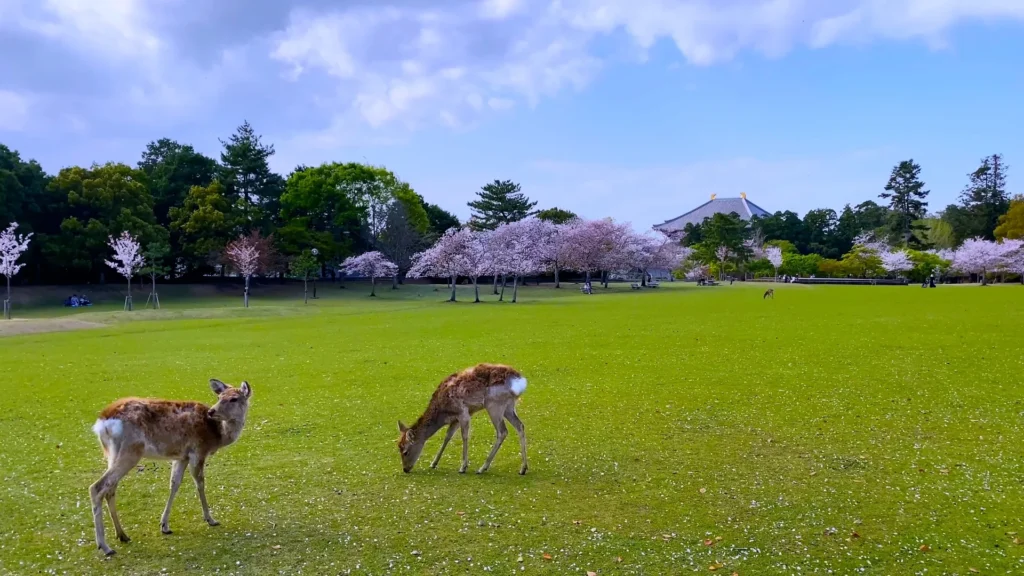
Nara Park is known for its beautiful scenery in every season, but its charm stands out especially in spring. Every year, cherry blossoms in Nara Park bloom all at once, and the sight of deer gracefully walking through spreading pink flowers creates a picture-like scene. During this season, the natural collaboration woven by cherry blossoms and deer is truly spectacular.
When cherry blossoms bloom, especially around the Great Buddha Hall (Daibutsuden) of Todai-ji Temple and around the pond, stunning cherry blossom avenues spread out. The sight of cherry blossom petals fluttering in the wind and landing on the backs of deer enchants onlookers. In addition, Nara Park is famous as a place where about 1,500 deer roam freely, and the sight of those deer relaxing under the cherry blossom flowers provides visitors with a comforting moment.
You can take pictures of the symphony of deer and cherry blossoms with a camera in hand, which is sure to make you want to share it on social media. In the spring Nara Park, you can savor the sensation as if time flows slowly while fully enjoying the beautiful scenery where nature and history fuse. The peak of cherry blossoms is usually from early to mid-April every year. When visiting, it is a good idea to check the cherry blossom forecast and aim for the optimal timing.
The combination of cherry blossoms and deer is an optimal spot for Instagram!
Heijo Palace Site | Cherry Blossom Avenues Blooming on Vast Grounds
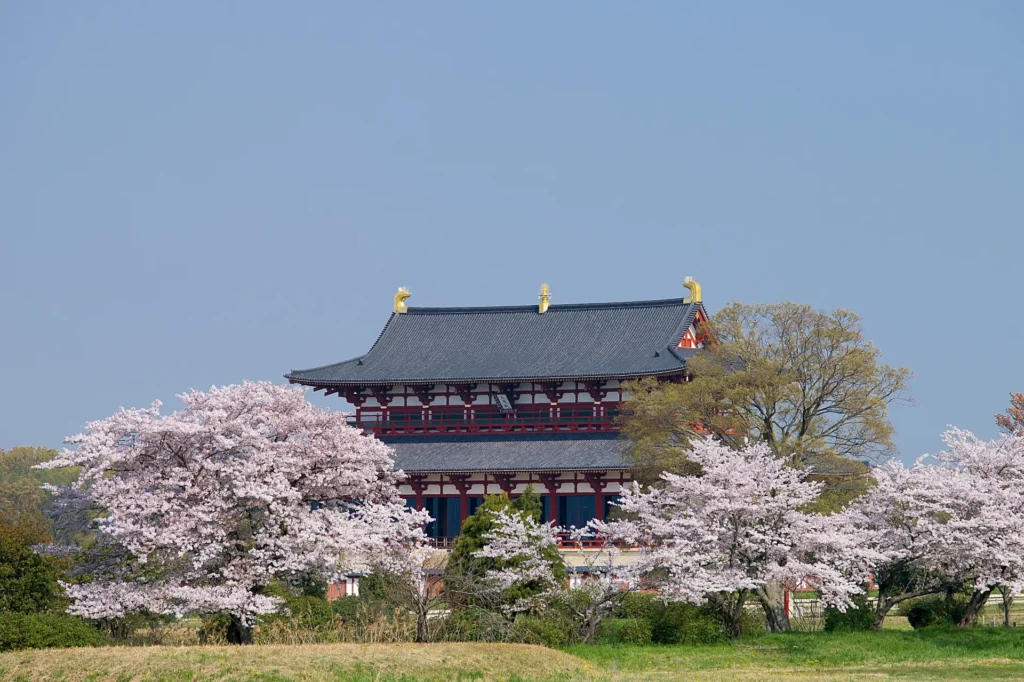
The Heijo Palace Site is the central area of Heijo-kyo, which prospered as the capital during the Nara period, and is currently maintained as the national “Heijo Palace Site Historical Park.” The vast grounds are dotted with the reconstructed Daigokuden, Suzakumon Gate, and Toin Garden, allowing visitors to leisurely stroll while feeling the atmosphere of the capital at that time. The surrounding area features lush green scenery, serving as a relaxation spot for visitors throughout all seasons.
In spring, cherry blossoms bloom in various parts of the park, allowing visitors to enjoy beautiful floral scenery. Especially around the Daigokuden and Suzakumon Hiroba, the scenery where reconstructed buildings and cherry blossoms harmonize has gained popularity. The usual best time to view cherry blossoms is from early to mid-April, when about 1,000 cherry blossoms color the historical structures at full bloom.
In the large park, visitors can spend time as they like, enjoying picnics under cherry blossom trees or taking photos with ruins in the background. At the Heijo Palace Site, you can enjoy a peaceful landscape where the history of the ancient capital and spring nature fuse. Why not fully enjoy hanami and strolling leisurely in the calm atmosphere unique to Nara?
Because the grounds are vast, congestion is hard to feel, making it popular with families and couples!
2. Summer in Nara: Spectacular Views Created by Greenery and History
Wakakusayama | Scenery Overlooked from the Lush Summit
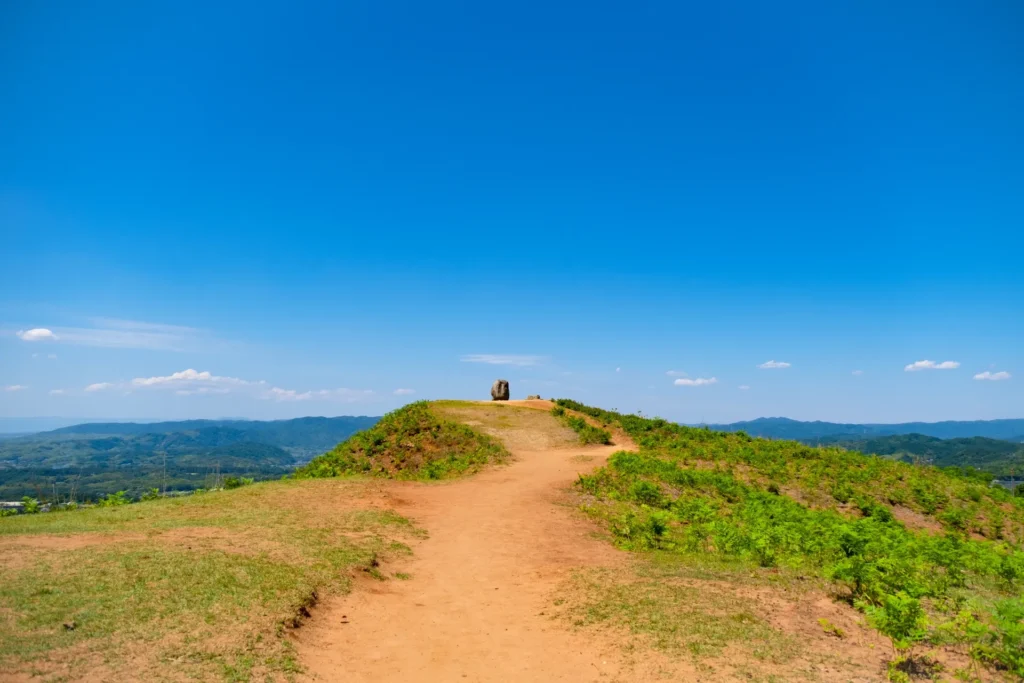
Wakakusayama is a grassy mountain with an elevation of about 342 meters soaring in the eastern part of Nara City, on the east side of Nara Park. Formed like three stacked “saka” (umbrella hats), it is also called “Mikasayama” and has long been loved as a symbol of Nara. From the summit, you can overlook historical buildings such as Nara City, Todai-ji Temple, and Kofuku-ji Temple, and a beautiful panorama spreads especially at dusk.
From spring to autumn, when the grass covering the mountain surface shines with a youthful green color, you can enjoy nature walking while feeling the pleasant breeze. The mountain path is maintained, and you can reach the summit in about 30 to 40 minutes from the trailhead. There is also the Uguisuzuka Kofun (built around the 5th century) at the top, and touching ancient history is one of its charms.
In addition, on the fourth Saturday of January every year, Nara’s winter tradition, the “Wakakusayama Yamayaki Event,” is held. The sight of the grassland burning all at once against the night sky is fantastic and powerful, viewable from inside Nara City. Fireworks are also launched, bustling with many tourists. Wakakusayama shows different expressions throughout the seasons.
It is a spectacular spot where you can feel nature and history no matter which season you visit.
Kasuga Taisha Shrine | Vivid Greenery and Red Torii Gates
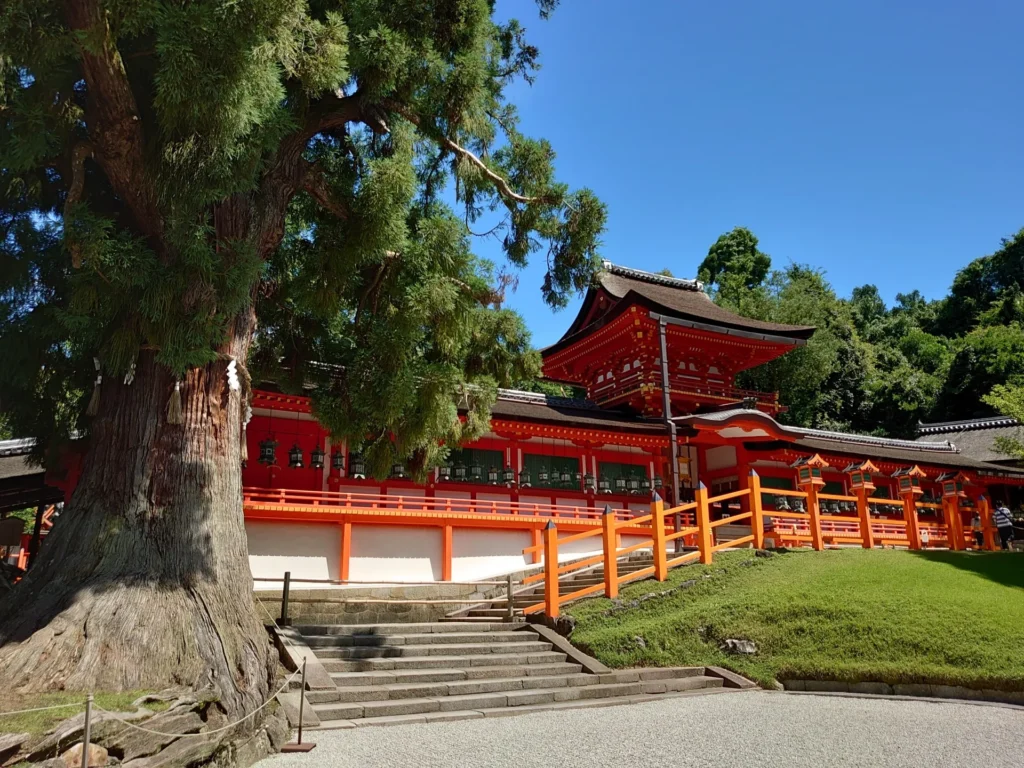
Kasuga Taisha is one of the representative shrines of Nara, attractive for its beautiful scenery where nature and history harmonize. Said to have been founded in 768, it is known as a prestigious shrine enshrining the guardian deity of the Fujiwara clan. The current shrine buildings are designated as National Treasures, and the vermilion-lacquered shrine buildings standing out against the lush green forest is one of the landscapes symbolizing Nara.
Kasuga Taisha is located in a corner of Nara Park, and multiple torii gates such as the “First Torii” and “Second Torii” stand along the approach. Many stone lanterns and hanging lanterns line the approach, and especially during the “Setsubun Mantoro” in February and the “Chugen Mantoro” in August, thousands of lanterns are lit, wrapped in a fantastic atmosphere.
The shrine grounds are vast and surrounded by a lush evergreen forest. This “Kasugayama Primeval Forest” is also registered as a UNESCO World Heritage site, showing different expressions in each season. In addition, Nara Park’s deer freely come and go around Kasuga Taisha, allowing you to fully enjoy scenery typical of Nara along with worship. It is also recommended to quietly stroll while feeling the harmony of ancient history and nature in the grounds wrapped in sacred air.
You can view very beautiful nature during the fresh greenery season from spring to early summer and the autumn foliage season!
3. Autumn in Nara: Spectacular Spots to Enjoy with Fall Foliage
Todai-ji Temple | Collaboration of the Great Buddha Hall and Fall Foliage
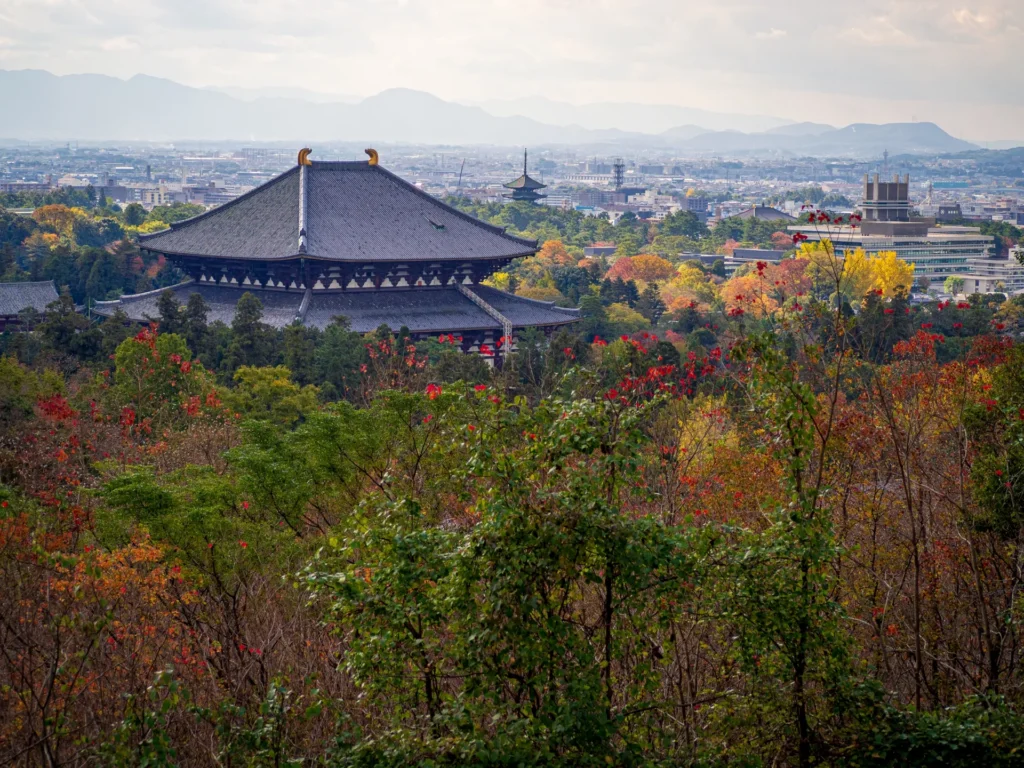
Todai-ji is a representative historical landmark of Nara, and its symbol, the Great Buddha Hall, is registered as a World Heritage site as “Monuments of Ancient Nara.” Boasting overwhelming scale, this architecture has one of the largest wooden post-and-beam structures in the world, conveying the essence of traditional Japanese architecture to the present.
In autumn, the trees of Nara Park spreading around the Great Buddha Hall color vividly, further enhancing the appearance of the historical temple. The Great Buddha Hall wrapped in fall foliage harmonizes its solemnity and natural beauty, captivating visitors. The sight of tree leaves dyeing red and yellow and swaying in the wind is like a single painting. In particular, from the forecourt and approach of the Great Buddha Hall, there are spots where you can take photos of fall foliage and buildings together, popular among tourists.
The best time to see autumn leaves is usually from mid-November to early December. The shrine grounds, changing expressions with the transition of seasons, are wrapped in autumn-like atmosphere. The scenery where history and nature harmonize can be said to be an autumn tradition representing Nara. Note that Todai-ji usually does not conduct nighttime illumination of the Great Buddha Hall, but illumination events may be implemented for a limited time in the surrounding area. The shrine grounds after sunset are wrapped in silence, and the Great Buddha Hall illuminated by dusk light shows a different flavor.
It is a memorable spectacular spot where eternal history and rich nature fuse.
Hasedera Temple | Enjoying Fall Foliage and National Treasures at Once
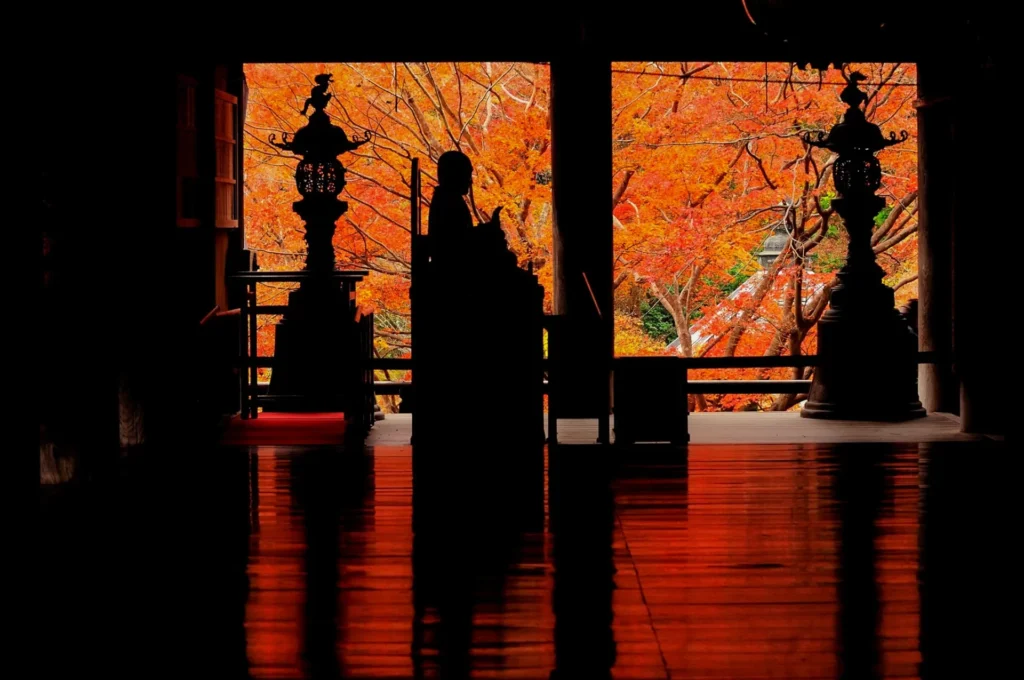
Hasedera is a historical temple located in Sakurai City, Nara Prefecture, known as a famous spot for beautiful fall foliage. Especially in autumn, the grounds of Hasedera are colored with colorful autumn leaves, allowing you to enjoy wonderful scenery together with National Treasure structures.
Hasedera is said to have been founded in the Nara period, and within the grounds are the National Treasure Main Hall (Hase Kannon) and numerous Important Cultural Properties. In autumn, fall foliage envelops the grounds, and vivid red and yellow leaves shine on the main hall, surrounding buildings, and gardens, spreading a beautiful scenery like a painting. In particular, the “Autumn Foliage Garden” spreading in front of the main hall is a spectacular spot, where the beauty of fall foliage and the solemn atmosphere of the old temple harmonize, giving deep impressions to visitors.
Also, the charm of Hasedera lies in its wide grounds. Hasedera is located on the middle of a mountain, allowing you to enjoy various scenery while climbing. The coloring of autumn leaves changes with each step up, and the scenery like a carpet of autumn leaves viewed from above is breathtaking. The peak of autumn leaves is from mid-November to early December every year, and during this period you can enjoy the beautiful architecture of the temple along with fall foliage, spreading an Instagram-worthy spectacular view.
Hasedera is a place where autumn leaves and history are integrated, a valuable spot where you can touch good old Japanese culture while enjoying foliage viewing. Why not spend a heart-enriching moment feeling the deepening of autumn at Hasedera, where you can fully enjoy both autumn leaves and national treasures?
It is a spectacular spot where you can fully enjoy autumn leaves and historical heritage at once!
4. Winter in Nara: Snowy Landscapes and a World of Silence
Yakushiji Temple | Beautiful Appearance of Yakushiji Covered in Snow
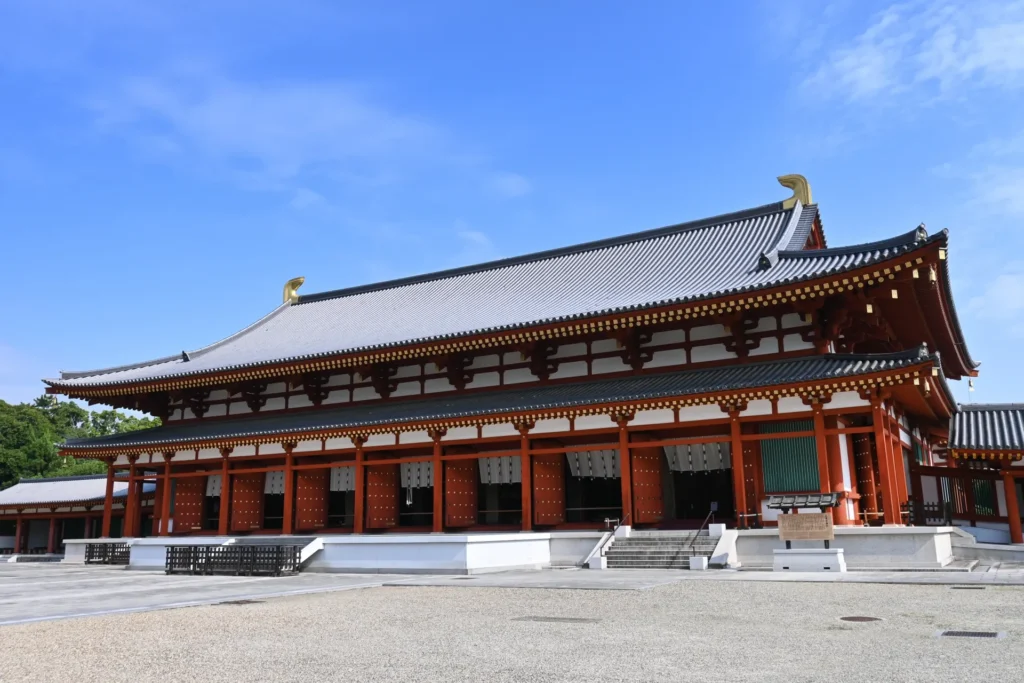
Yakushiji is an ancient temple founded in the era of Empress Suiko in the Asuka period, widely known as a famous temple of Japanese Buddhism with Yakushi Nyorai as its principal image. Within the grounds are the “Kondo” (Main Hall) and “East Pagoda” designated as National Treasures, and their solemn architectural beauty captivates visitors.
In the winter season, snow accumulation creates a quiet and tasteful scenery different from usual. The scene woven by white-covered roofs, gardens, and ancient buildings provides visitors with a calming moment. Also, on clear days after snow falls, sunlight reflects on the snow to illuminate the buildings beautifully, allowing you to enjoy a fantastic atmosphere. Walking through the snow-covered gardens and approaches spreads a scenery that makes you feel history, tasting a sensation as if going back in time.
Visiting in the cold season is a spot where you can fully feel the charm of Yakushiji different from usual. Yakushiji wrapped in snow provides a memorable landscape as a place to enjoy silence and beauty unique to winter.
The sight of snow piled on the roof of the Kondo is very moving.
Horyu-ji Temple | Fusion of Snowy Landscape and Ancient World
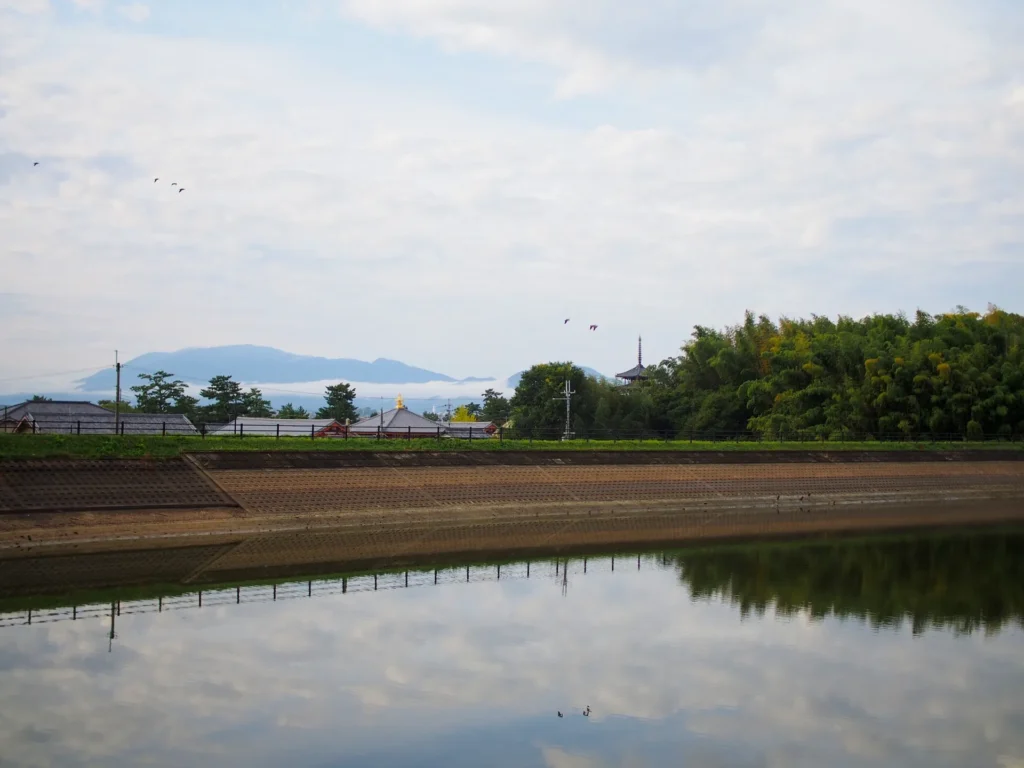
Horyu-ji is one of Japan’s representative cultural heritages and is also registered as a World Heritage site. The group of buildings established in the early 7th century are extremely valuable as existing wooden architecture, a place where you can feel a long history. Among Horyu-ji’s architecture, the Kondo and Five-Story Pagoda are known as particularly important buildings. These are highly evaluated in terms of architectural technology and religious significance, and are valuable buildings globally. The scenery of the buildings and grounds changes depending on the season, and in winter, the shapes of buildings and roof structures stand out in the snowy landscape.
Gardens and approaches are also maintained within the grounds, with old stone lanterns and trees scattered around. When snow accumulates, the scenery changes, and you can feel a quiet atmosphere unique to winter. Visitors can experience contemporary culture and architectural technology up close while touring historical architecture. Horyu-ji provides a valuable experience to touch traditional Japanese architecture and culture by visiting.
It is a place where you can enjoy high historical value and seasonal changes in scenery.
5. Standard Instagram-Worthy Spots Enjoyable Through All Seasons
Isuien Garden | Beautiful Gardens of Each Season
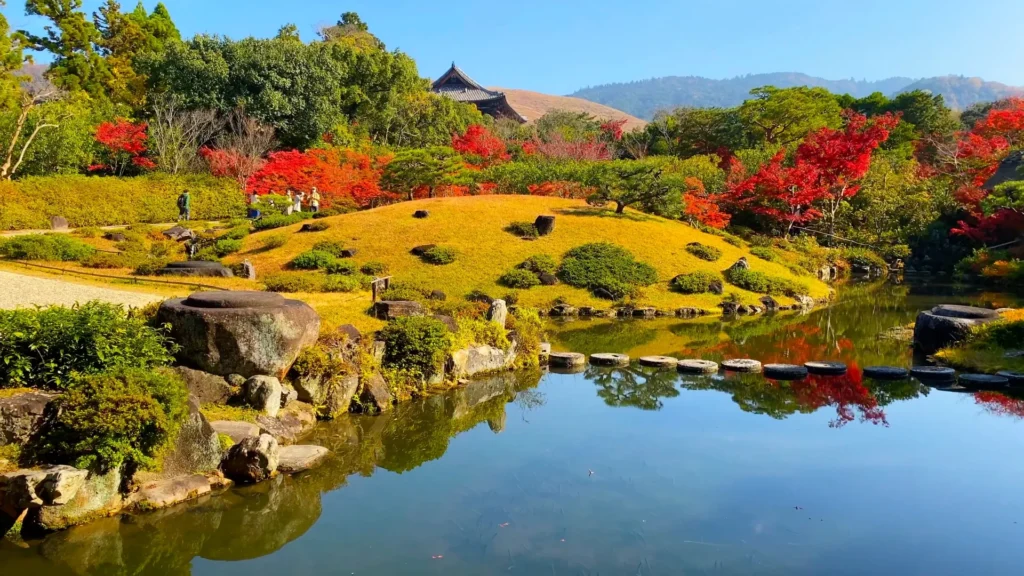
Isuien is a beautiful Japanese garden located within Nara City, and its quiet atmosphere and seasonal scenery captivate visitors. Created in the Meiji period, you can enjoy an elegant landscape where ponds, artificial hills, and trees harmonize.
In spring, trees in the garden bud, and cherry blossoms gently color the garden. The scenery of cherry blossoms and greenery reflected in the pond provides visitors with a peaceful time. Summer features beautiful fresh greenery, and the green reflected on the quiet pond surface creates a cool atmosphere.
In autumn, fall foliage can be seen, and trees in the garden color red and yellow. The coloring scenery reflects in the pond, allowing you to feel changes in seasons. In winter, snowy landscapes can sometimes be seen, adding silence to the garden. Since the amount of snow is limited, there are days when fantastic scenery can be enjoyed. Isuien allows you to enjoy the calm and relaxed atmosphere unique to Japanese gardens while spending a leisurely time.
It is a garden where you can feel its natural beauty no matter which season you visit.
Kouenzan Mountain | Beautiful Gardens and Quiet Scenery
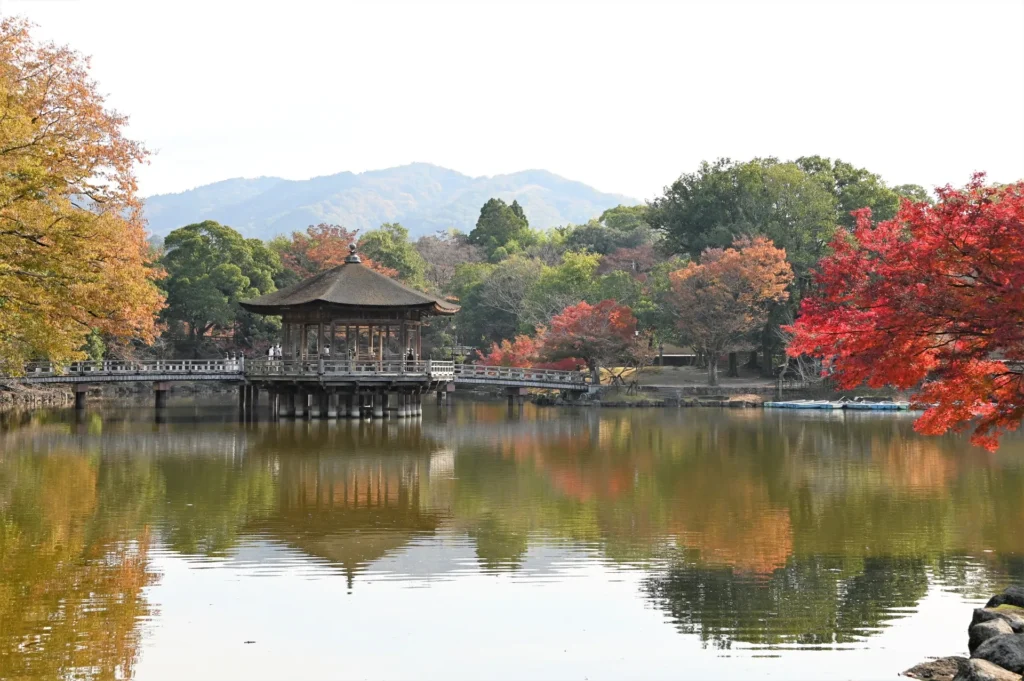
Kouenzan is a spectacular spot located in the suburbs of Nara City, where you can enjoy seasonal natural beauty. This mountain with an elevation of about 250 meters spreads lush green mountains and quiet scenery, and beautiful gardens harmonizing with nature are attractive.
In particular, the beauty and quiet atmosphere of the garden are popular as a place to calm the mind. From “Kouenzan Temple” at the top of Kouenzan, you can overlook the vast surrounding scenery, spanning across Nara City and distant mountains. On clear days, the Yamato basin and surrounding mountains seen in the distance spread out, and its beautiful panoramic view is truly a breathtaking spectacular view. Also, walking through the garden, seasonal flowers and trees are planted, and especially spring cherry blossoms and autumn leaves delight the eyes of visitors. In the autumn foliage season, the entire mountain is dyed in vivid red and yellow, and the appearance of autumn leaves reflected in the garden pond further enhances beauty.
Fall foliage reflected on the surface of the quiet pond creates a dreamy, picture-like landscape, giving deep impressions to visitors. In winter, snow may fall, and the garden covered in snow gives further silence and sacredness, possessing a beauty different from other seasons. Kouenzan is a soul-soothing place where natural silence and beautiful gardens are integrated.
It is a spectacular spot perfect for Instagram!
6. Spots to Feel Culture and Art
Nara National Museum | Fusion of Historical Architecture and Art
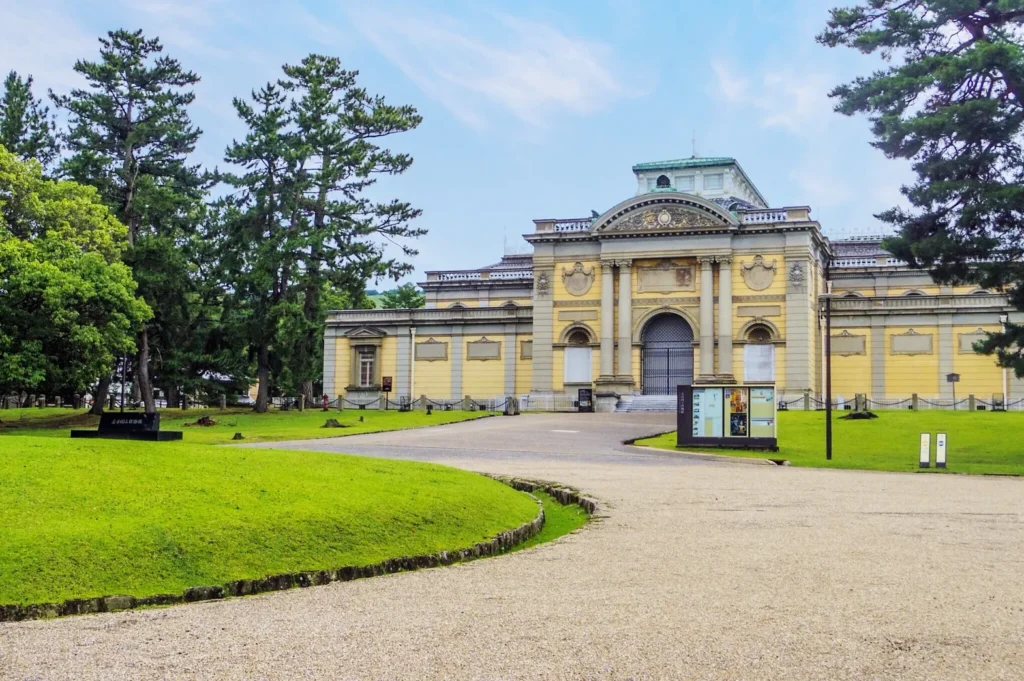
Nara National Museum is located on the east side of Nara Park, a landmark where you can feel Japanese history and culture. Based on the “Former Nara Prefectural Library” built in the Meiji period, the building has a beautiful eclectic Japanese-Western architectural style, possessing historical value fusing traditional Japanese architecture and Western design, giving a strong impression to visitors.
Inside the museum, valuable cultural properties and Buddhist art of Japan from the Nara period to the present are exhibited, allowing visitors to learn Japanese history and art through diverse works such as Buddha statues, old documents, and paintings. Special exhibitions are also held in spring and autumn, familiar to many tourists. In addition, seasonal nature can be enjoyed in the surrounding garden, and spring cherry blossoms and autumn leaves provide quiet comfort.
It is a sightseeing spot where historical architecture, art, and natural beauty harmonize.
Naramachi | Townscape of Old Private Houses and Stone-paved Streets
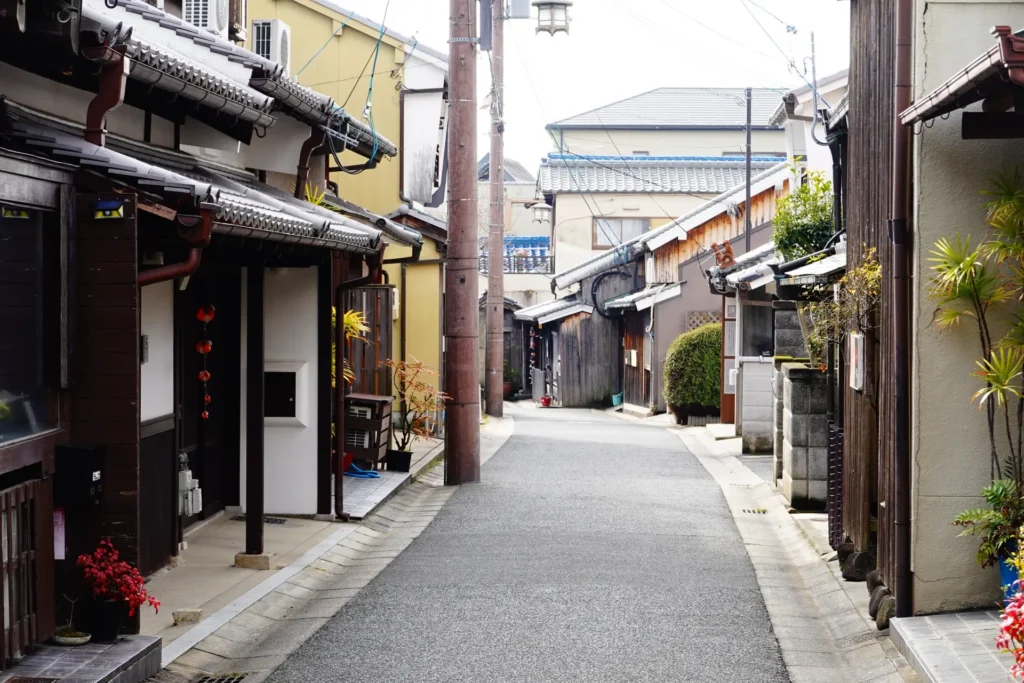
Naramachi is an area attractive for its historical townscape located in the center of Nara City. Accessible within walking distance from Nara Park and Todai-ji, the scenery where old private houses and traditional buildings line up allows you to enjoy an atmosphere as if going back in time.
Naramachi prospered as a commercial area from the Edo period to the Meiji period, and its traces remain deeply today. In particular, the scenery where old private houses and townhouses line up makes you feel old Japanese living, providing a soul-soothing space. Many buildings are wooden architecture, allowing you to feel the beauty of traditional Japanese architecture such as roof tiles, wooden lattices, and earthen walls.
Also, while strolling through the town, you can enjoy local crafts, souvenir shops, and cafes. Cafes and general stores renovated from traditional townhouses exude a nostalgic and warm atmosphere, giving comfort to visitors. Walking down stone-paved paths, looking at old private houses, and taking photos at street corners are definitely Instagram-worthy everywhere.
Spring brings blooming cherry blossoms, and autumn brings fall foliage coloring the townscape. The natural beauty of each season adds further charm to the historical townscape. In particular, the scenery of old private houses wrapped in spring cherry blossoms or autumn leaves is like a painting, bringing new impressions every time you visit. Naramachi is a place where history and culture breathe, a hidden landmark of Nara where you can simultaneously enjoy good old Japanese scenery and contemporary senses.
Stone-paved alleys and traditional townscapes are popular spots among tourists.
Summary of Nara Prefecture Sightseeing Spots
Nara is a tourist destination attractive for its beautiful scenery woven by history and nature, packed with spots where you can enjoy seasonal spectacular views. In spring, enjoy the collaboration of deer and cherry blossoms at Nara Park and the Heijo Palace Site, famous cherry blossom spots, and in summer, fully enjoy natural beauty at lush Wakakusayama and Kasuga Taisha. In autumn, Todai-ji and Yoshinoyama where fall foliage stands out are beautifully colored, and winter spreads a fantastic landscape in snowy scenery.
There are plenty of spots you will want to visit in any season, and many places optimal for taking Instagram-worthy photos. By visiting these spectacular spots, you can fully feel the charm of Nara and get wonderful photos remaining in your memories. Since we carefully selected and introduced spots you should visit by season, please use them as a reference for your next trip.