


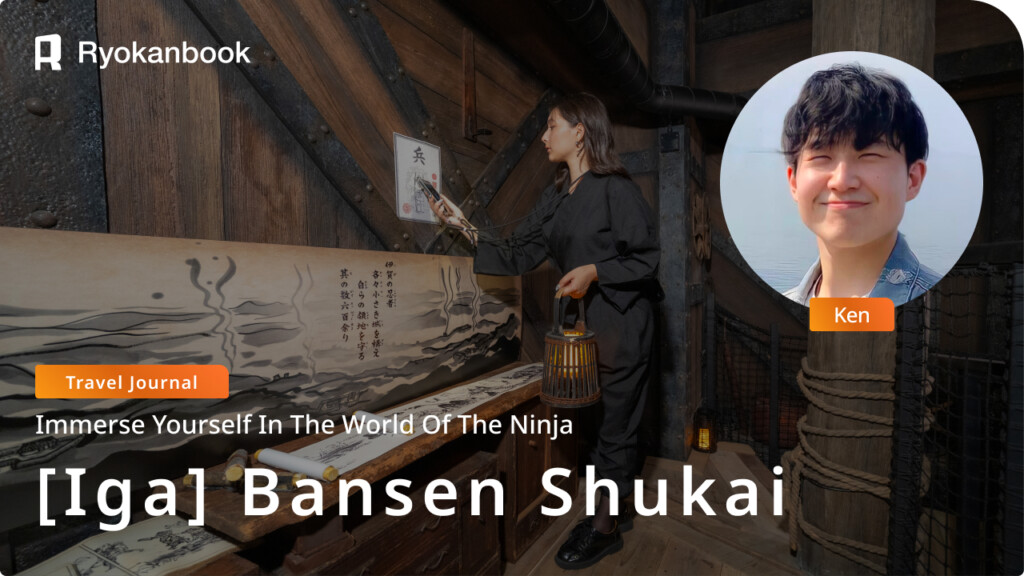
Samurai, anime, and pop culture: everyone develops an interest in Japan for different reasons. Among these cultural icons, the shadow-dwelling, shuriken-throwing ninja is one of Japan’s most recognizable figures worldwide, popularized by movies and manga.
Have you ever heard of Iga City in Mie Prefecture, a location with deep roots in ninja history?
While many people are familiar with the image of a ninja, few know the name “Iga” or where it is on a map. Located within reach of Kyoto, Osaka, and Nagoya, Iga makes a great destination for a side trip. Here, you can learn about the real history and daily lives behind these famous historical figures.
What did these ninjas think about while living here? How did they hone their skills and knowledge? Visiting their hometown offers a fresh perspective on the familiar ninja legend. Iga also features a local facility where travelers can try out authentic ninja techniques firsthand.
I decided to visit Iga for an overnight stay to experience this for myself. Boarding a train from Kyoto, my journey to the home of the ninja began.

10:00 AM | Departing Kyoto for Historical Iga
The train journey from Kyoto to Iga in Mie Prefecture passes through Kusatsu and Tsuge, connecting to the Iga Railway at Iga-Ueno Station before arriving at Uenoshi Station in the city center. Depending on transfer times, the trip takes about two hours. Outside the window, the view transitions from bustling downtown Kyoto to quiet farmland and mountain ranges surrounding the basin.
Uenoshi Station is affectionately known as “Ninja City Station.” Both Iga and neighboring Koga in Shiga Prefecture share deep ties to ninja history. This history stems from the practical knowledge and skills developed by local residents to protect their land and homes over centuries.
During the Sengoku (Warring States) period, rival warlords fought for control across Japan. However, Iga did not have a single ruling lord; instead, local samurai formed cooperative alliances to maintain regional autonomy. Gathering accurate information on surrounding forces became essential for survival. A core duty of a ninja was to collect intelligence covertly and return safely. Beyond stealth, this required deep knowledge of terrain, weather patterns, explosives, and natural medicine. The fictional “NINJA” seen in modern media is rooted in these historical realities.
Iga Ueno also developed as a historic castle town. Iga Ueno Castle, traditional merchant houses (machiya), and temples are scattered throughout the city. It is also famous as the birthplace of the celebrated travel poet Matsuo Basho. Beyond its ninja heritage, walking through the streets reveals a rich, multi-layered cultural history.
12:00 PM | Hands-On Ninja Knowledge at “Bansen Shukai”
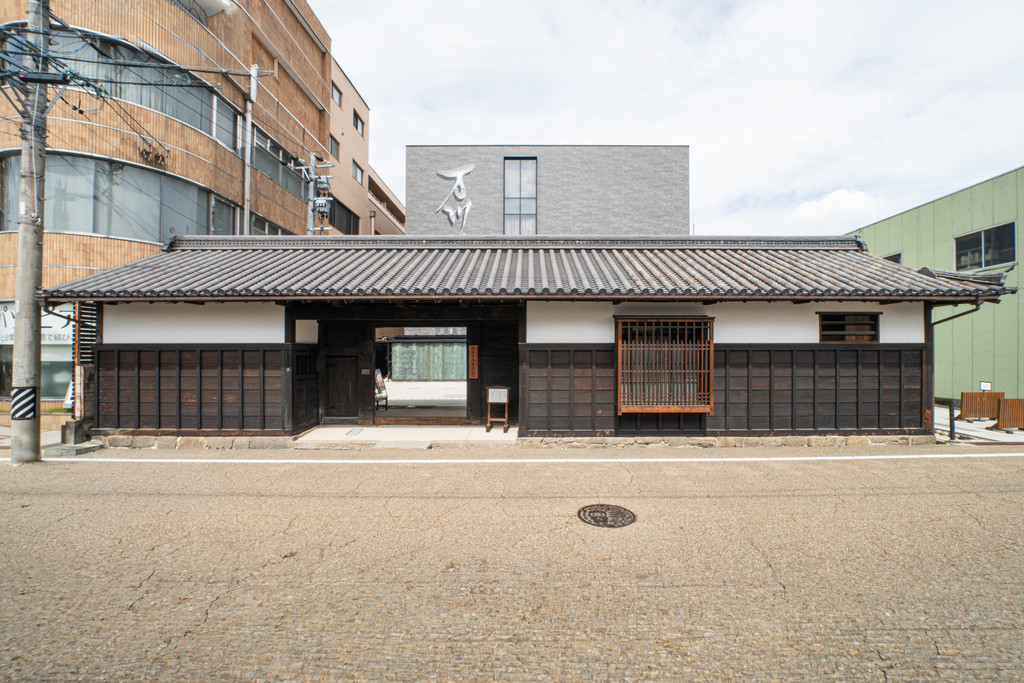
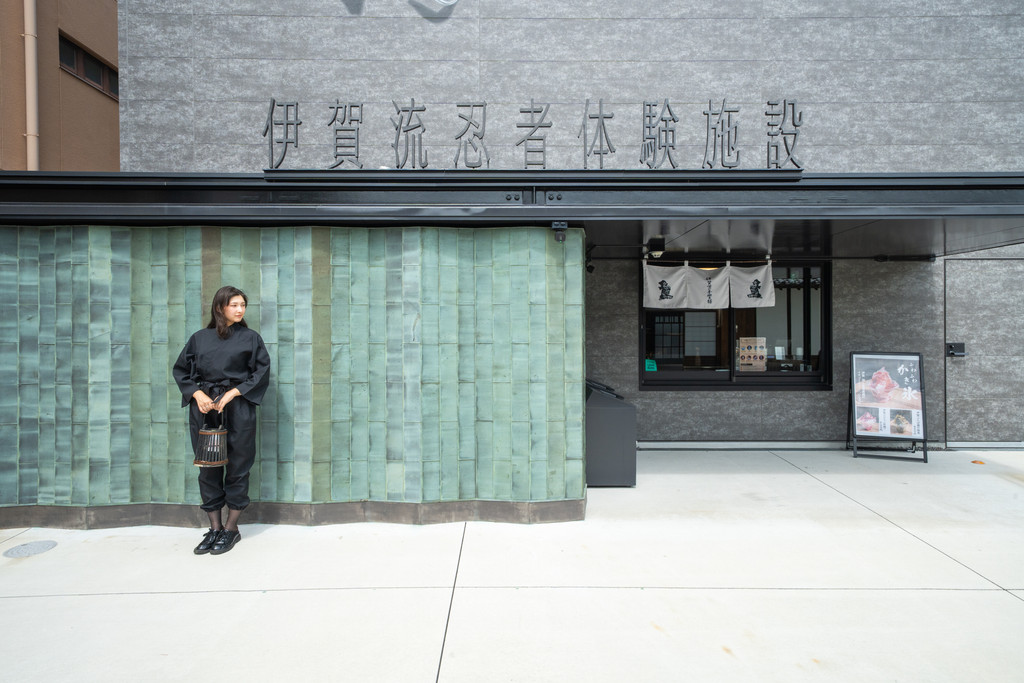
While walking through town, an eye-catching building appears along the street. This is the destination for the trip: the Igaryu Ninja Experience Facility, “Bansen Shukai.” The facility takes its name from a historical 17th-century manual detailing Iga and Koga ninja techniques. Here, visitors can learn practical skills and historical methods preserved in the text.
The facility houses dining areas and guest accommodations, though visitors can also drop in just for the ninja experiences. For a quick stop while exploring town, the 15-to-20-minute “Makenku Meguri” offers an immersive walk through a cavernous setting. For a more active, hands-on session, the “Ninshuden” program takes about two hours, including time to change into costume. I opted to participate in both to get a complete overview.
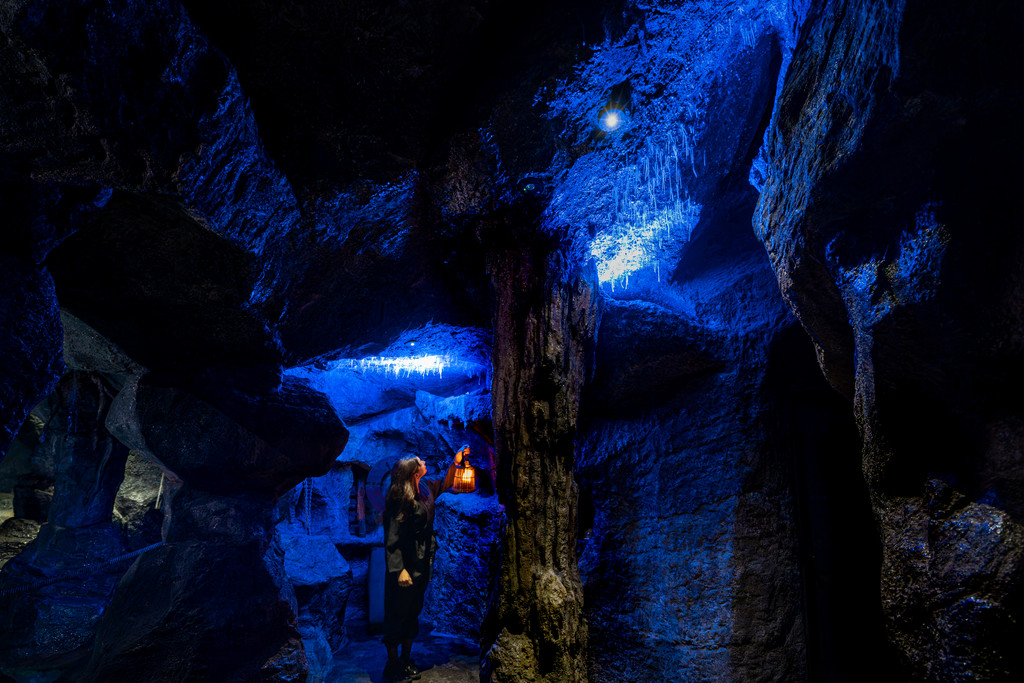
First was “Makenku Meguri,” an exploration through a cave-like environment. Walking through dark, winding passages with a small light heightens your awareness of uneven ground and hidden turns. It is more than a simple cave walk, featuring surprising elements along the path designed to keep you alert.
The attention to environmental detail stands out throughout the space. The rock walls, narrow passages, and simulated natural elements create a convincing, story-driven environment that feels like stepping into a dedicated theme park attraction.
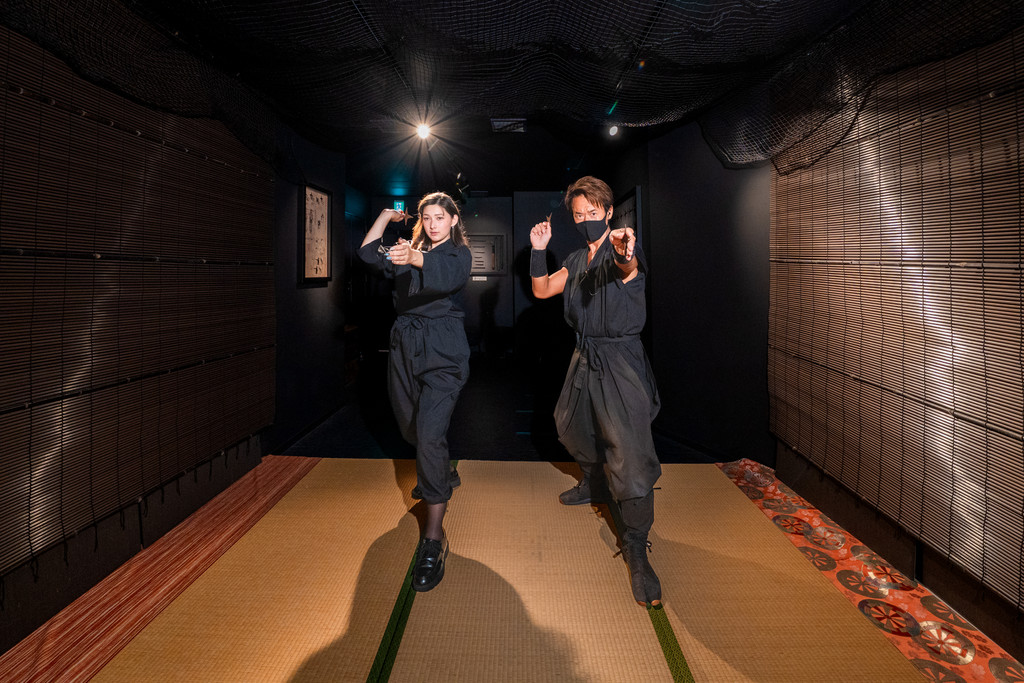
Next, I changed into full ninja attire for the hands-on “Ninshuden” training. The instructor provided engaging, easy-to-follow explanations on practical ninjutsu. Trying out hand signs (kuji-kiri) and throwing actual shuriken was an exciting way to experience moves commonly seen in movies and manga. Learning that hand gestures served a practical purpose for mental focus added interesting context to these well-known actions.
According to the facility management, their main goal is sharing the practical methods ninjas developed for survival and mission success. Staff and researchers studied historical manuals to adapt these techniques into safe, hands-on activities. Moving through the training offers insight into how ninjas thought and trained.
After concluding the two-hour experience and changing back into regular clothes, I rested with a bottle of “Kuramoto Wakaebisu Cider.” This non-alcoholic sparkling drink is made using the same pure brewing water (shikomi-sui) used by the local Wakaebisu sake brewery. The crisp carbonation provided a refreshing break after the physical activity before transitioning into a quiet evening.
3:00 PM | Checking Into “Onmyo-juku” Private Lodging
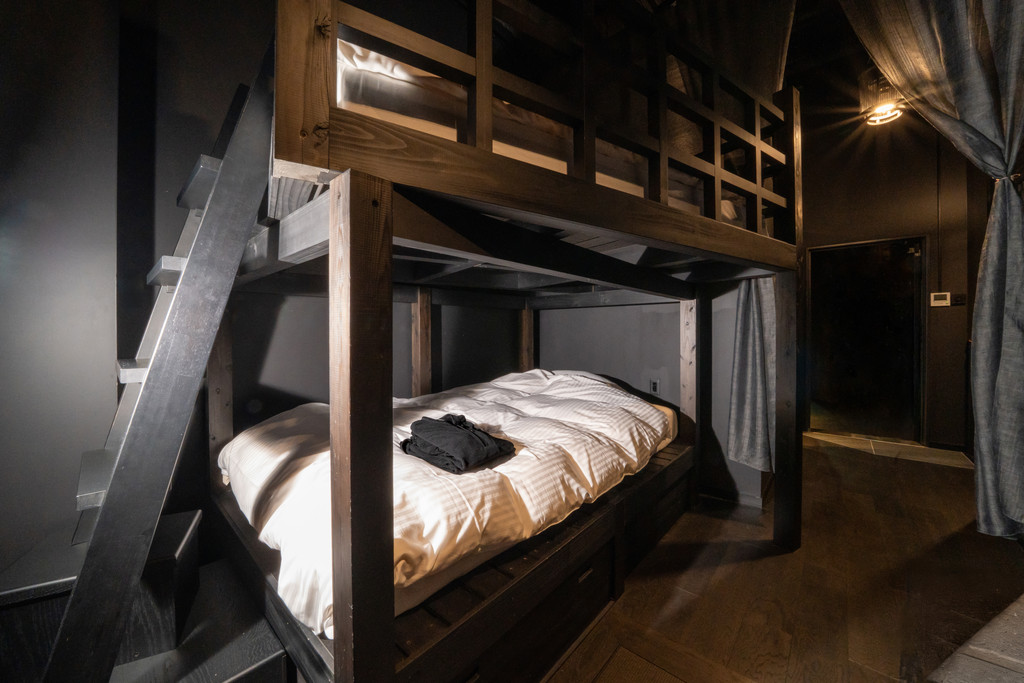
After finishing the ninja training, I checked into “Onmyo-juku,” the accommodation section inside the complex. The walk to the room is designed as an extension of the experience itself. Guided by staff through quiet corridors, the entrance is intentionally discreet and difficult to spot from the outside, keeping with its concept as a hidden retreat.
The room layout is compact and secluded, giving the feeling of a private hideaway. It offers a quiet contrast to the active attractions of the day, creating a comfortable space to unwind and settle in for the night.
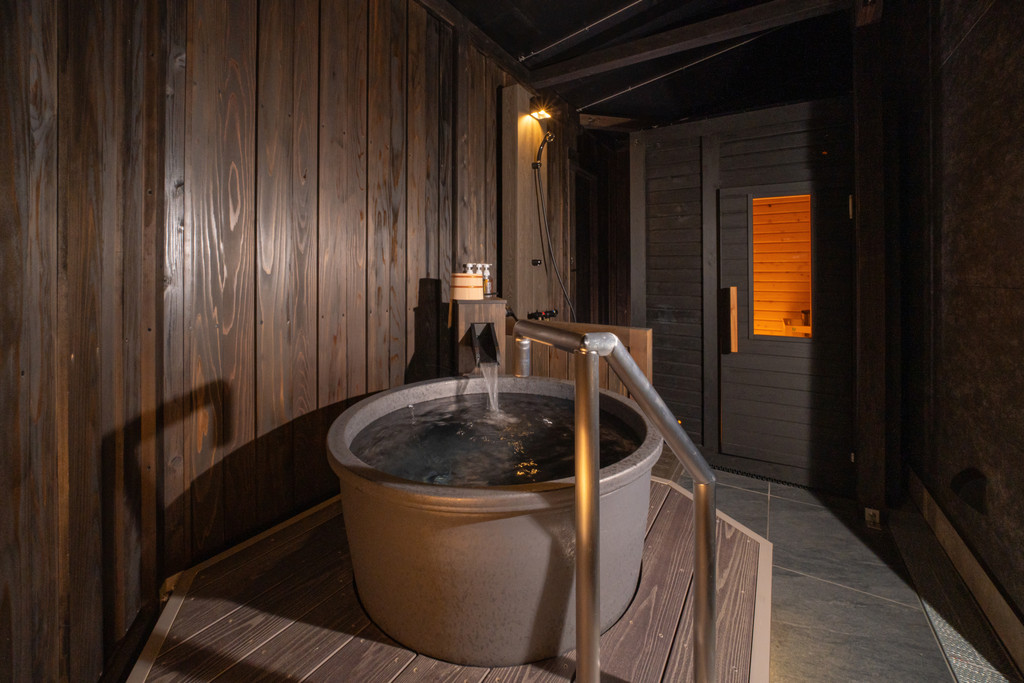
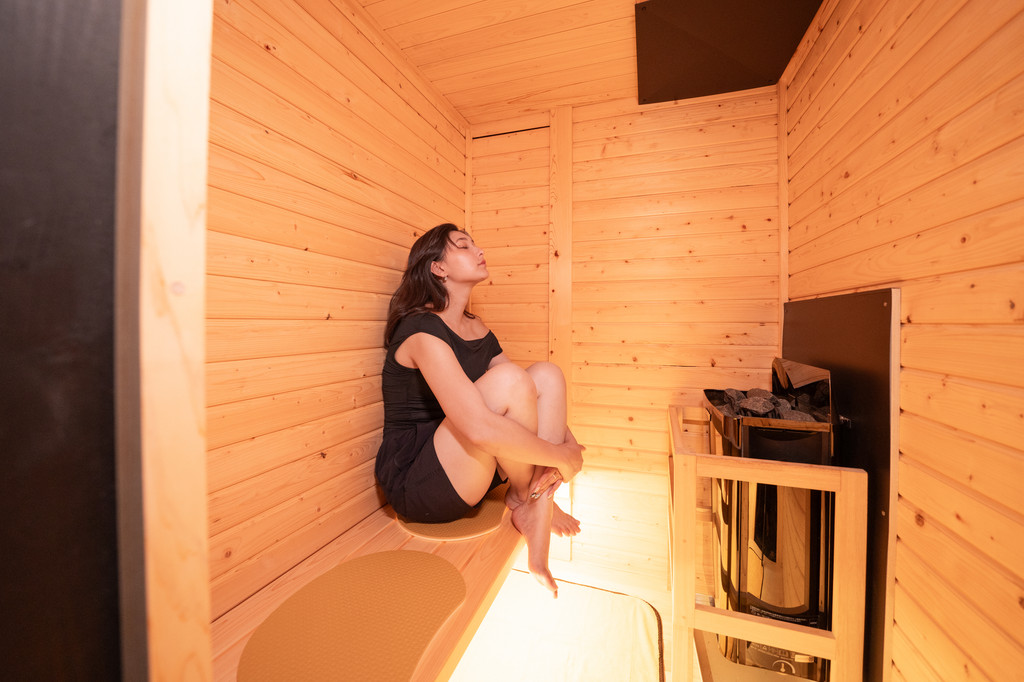
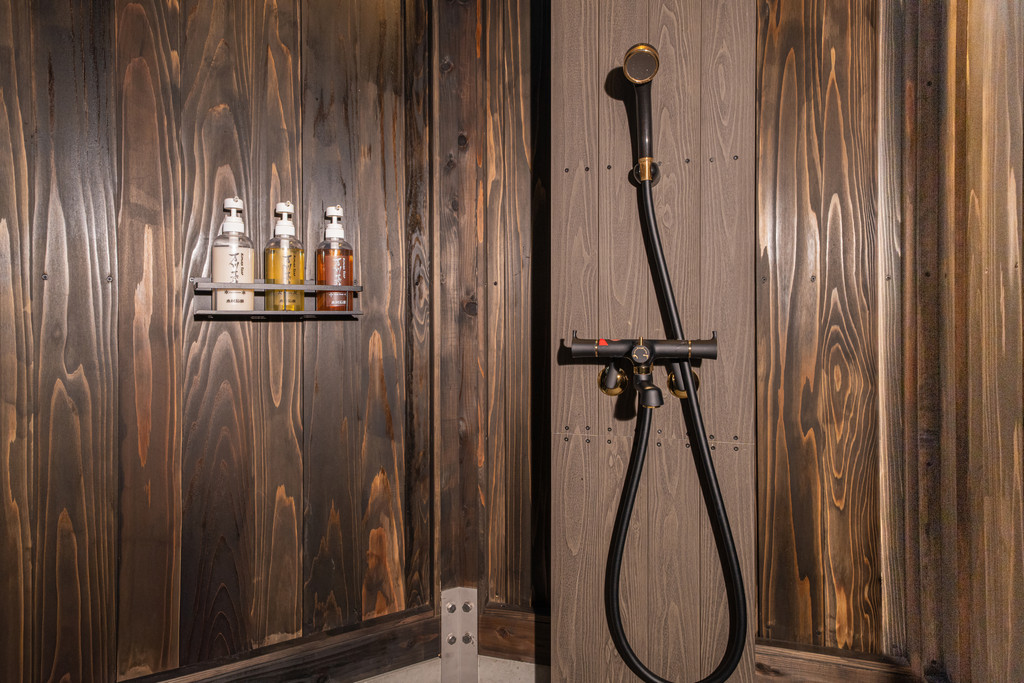
A major feature of each room is its private bath and sauna setup. Each unit includes a private outdoor ceramic tub (shibaraki-yaki style) and an individual sauna, allowing guests to relax privately without using shared public bath areas. The standalone ceramic bath is particularly convenient for international travelers who prefer a private soaking option over communal sento or onsen layouts.
After spending two hours moving around and trying new physical techniques, having dedicated recovery space in the room is a welcome feature. The baths and saunas were specifically designed to help guests unwind and relax after physical training.
Taking time to rest at your own pace adds great value to an overnight stay compared to a quick day trip. With time to spare before dinner, I spent the late afternoon enjoying the private sauna and bath.
6:00 PM | Dinner with Castle Views at “Iga Ninja Kyosen”
Dinner was served at the on-site restaurant, “Iga Ninja Kyosen.” Upon entering, staff present guests with a special dining pass featuring hidden text that appears when dipped in water. This playful touch continues the ninja theme right up to the meal.
The dining room has a calm atmosphere with large windows overlooking Iga Ueno Castle in the distance. The view also looks toward Uenoshi Station, offering a look at daily local life as students and commuters pass by. The restaurant is open to both overnight guests and day visitors for lunch or dinner.
During my stay, I sampled two different course menus:
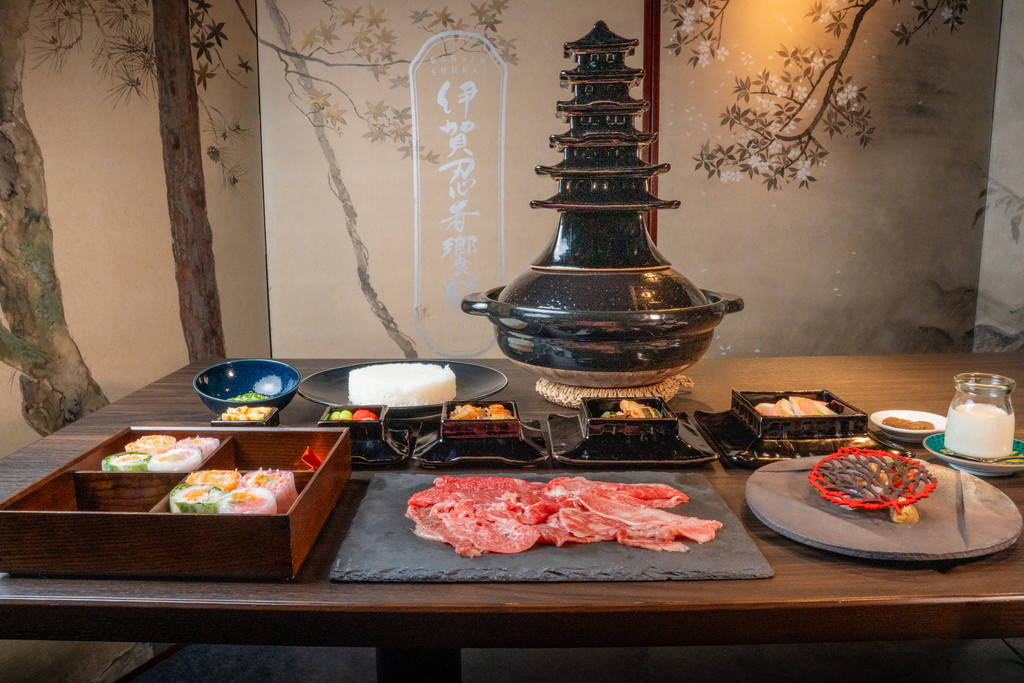
Bansen Shukai Iga Castle Nabe Course
- Appetizer (Sakizuke): Seasonal small plate
- Hassun: Decorative assortment of seasonal bites
- Iga Castle Gokaku: Custom presentation platter
- Bansen Shukai Nabe: Hot pot cooked in custom Iga-ware pottery
- Finishing Zosui: Rice porridge made with Iga rice, served with Yankan-zuke pickles
Igaryu Ninja Beef Nabe Course
- Medicinal herb soup base
- Assorted five-appetizer plate
- Iga Beef Sukiyaki hot pot
- Donabe-cooked Iga rice, miso soup, and Yankan-zuke pickles
The presentation stands out immediately, utilizing custom Iga-ware ceramic pots shaped like castle towers, crafted specifically for the facility by local artisan kilns. Serving fresh local ingredients in custom local pottery adds a nice regional touch.
The hot pot options include dipping sauces like rich black sesame paste and crisp ponzu soy sauce. The rich sesame sauce provides a savory, smooth coating, while the ponzu offers a clean, citrusy contrast, letting you enjoy different flavor profiles with the same ingredients.
The local Iga beef in the sukiyaki course is tender with a rich, savory finish that pairs naturally with freshly cooked Iga rice.
To finish the Iga Castle Nabe course, the remaining flavorful broth is used to make zosui (rice porridge). The grains absorb the full flavor of the soup for a satisfying end to the meal, accompanied by Yankan-zuke, a traditional local pickled specialty from Iga.
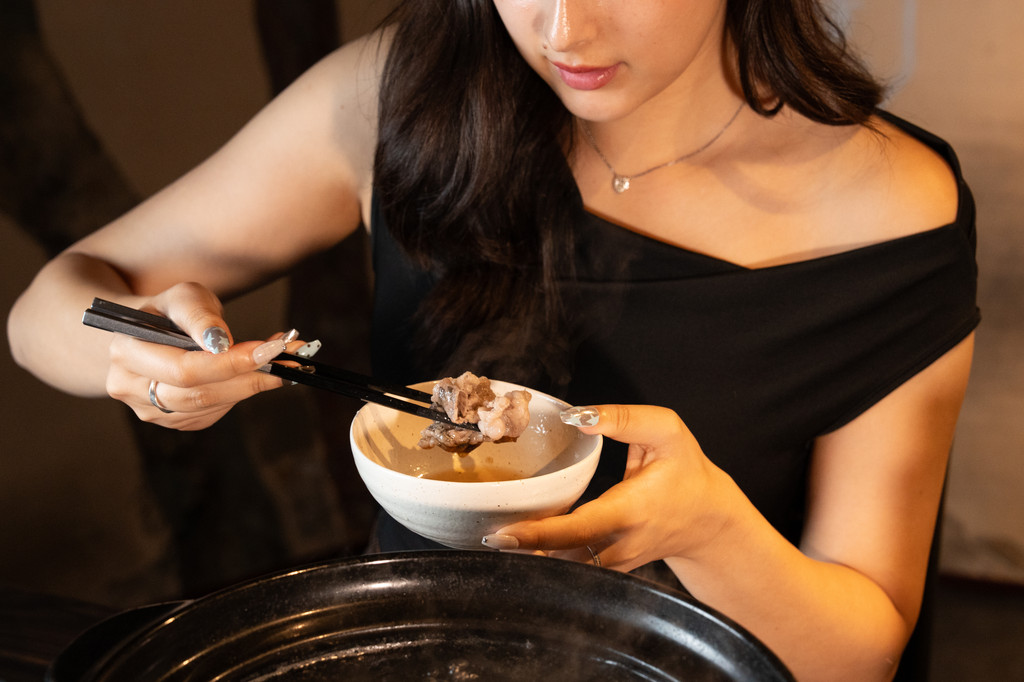
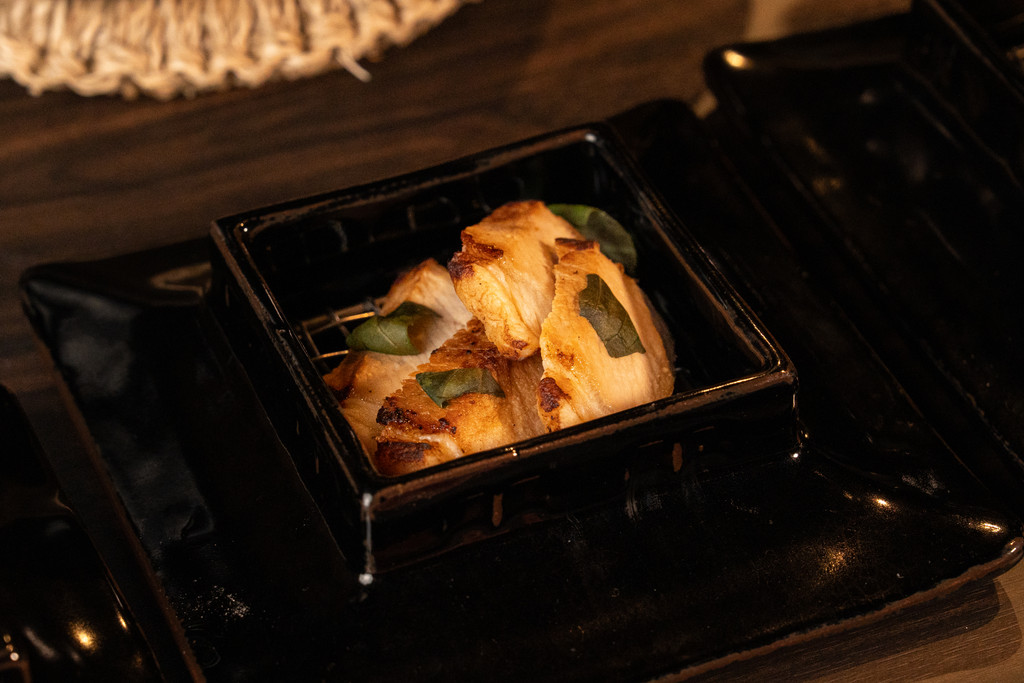
During dinner, staff perform a brief “Katon-no-Jutsu” (fire technique) demonstration at the table, adding an entertaining visual element to the meal. Between the physical activity, relaxing bath, and local dinner, it made for a complete evening.
8:00 PM | Evening Sake at the On-Site Bar
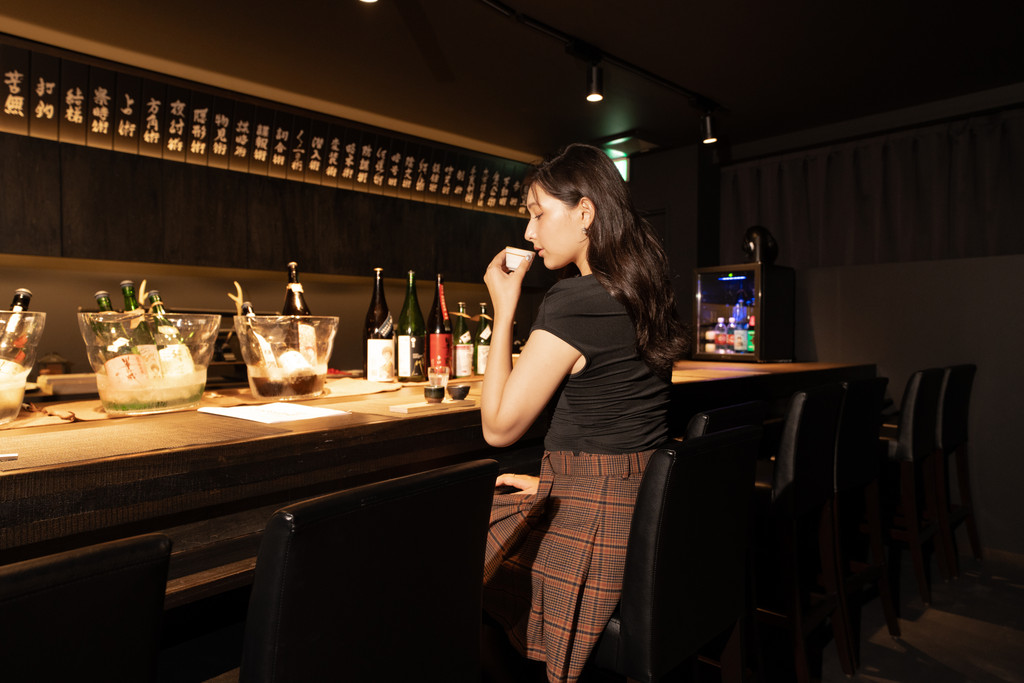
After dinner, I visited the on-site Japanese bar area. The dim lighting and warm wood accents highlight an array of local sake bottles set on the counter, with select bottles chilled in ice containers. Browsing the labels is an enjoyable way to explore local regional drinks.
Iga is known for its high-quality rice and clean water sources, making it a well-regarded sake-producing region. The facility offers a variety of local labels, allowing guests to compare different tasting notes and styles in a relaxed setting.
Along the upper wall, various historical ninjutsu terms are displayed, subtly tying the evening atmosphere back to the day’s theme. Enjoying a small glass of local sake was a nice way to reflect on the day before heading back to the room.
8:00 AM (Next Day) | Local Iga Western-Style Breakfast
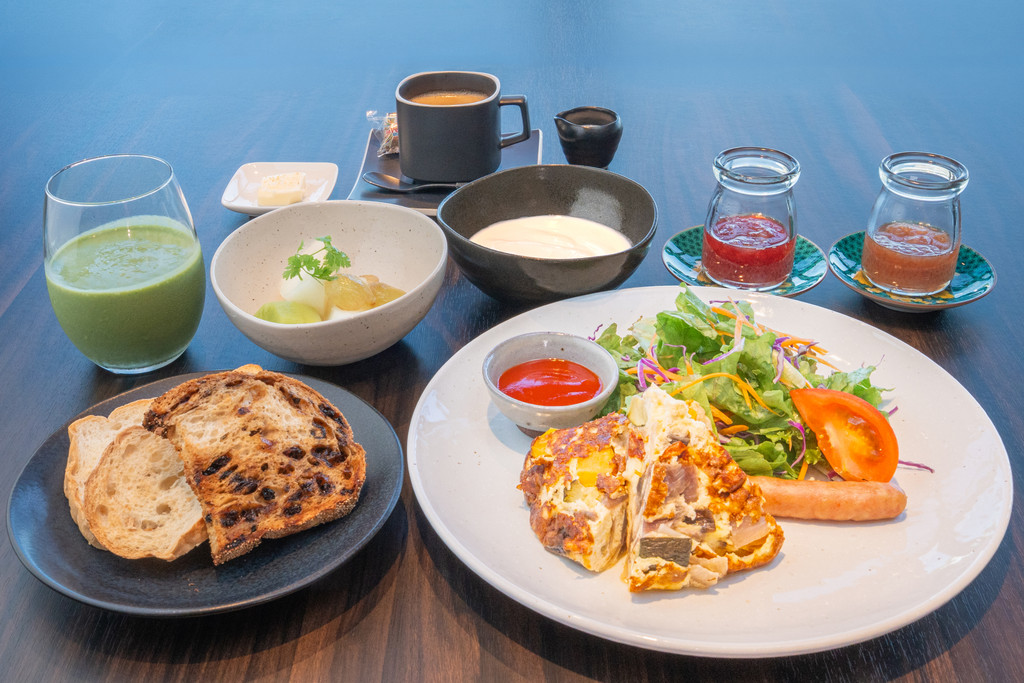
In the morning, guests can choose between a Japanese or Western-style breakfast made with local ingredients. Having enjoyed hot pot and regional beef the previous evening, I selected the Western option featuring fresh bread, eggs, and local produce.
Western Breakfast Menu:
- Iga rice flour bread served with house-made jams
- Spanish-style omelet made with local Ainou eggs
- Sausages
- Fresh local Iga vegetable salad
- Yogurt
- Seasonal fresh fruit
- House-made green vegetable smoothie
A highlight of the meal was comparing two varieties of strawberry jam paired with the warm rice flour bread. The meal was well-balanced, featuring fresh salad, fruit, and a green smoothie alongside the egg dish.
10:00 AM | Check-Out and Departure
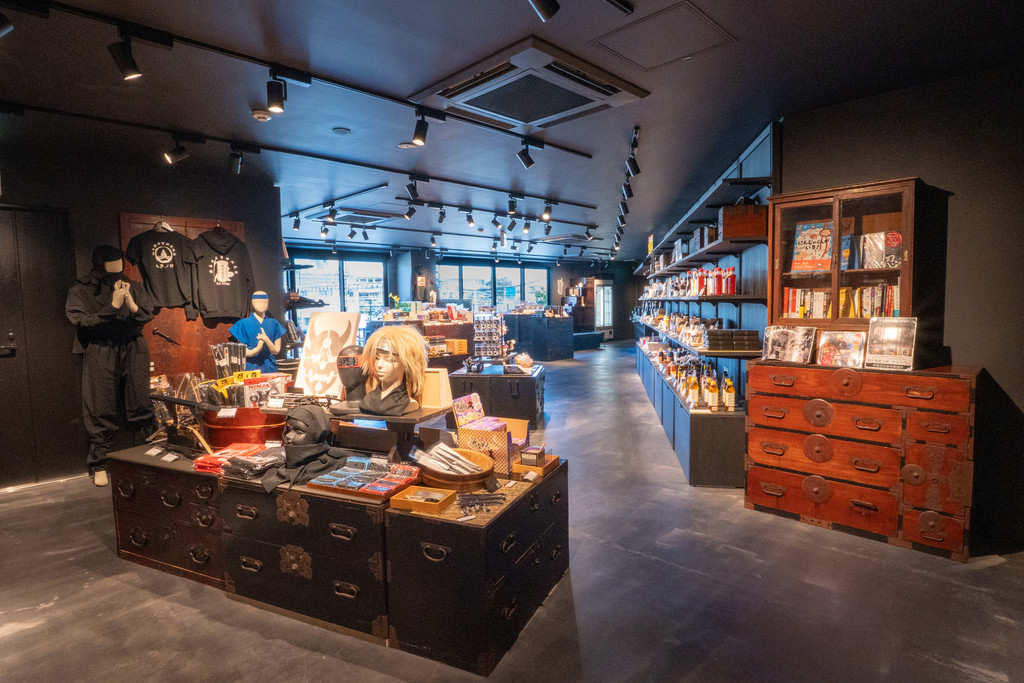
Before checking out, visitors can browse “Bansendo,” the souvenir shop located on the second floor. The shop carries ninja-themed snacks, original merchandise, and regional specialties from around Iga, set within an interior decorated with antique wooden furnishings.
Picking up local foods or souvenir items provides a great way to share memories of the trip with friends and family back home.
Uenoshi Station is located just a short walk from Bansen Shukai. If time permits before your departing train, taking a final stroll through the historic castle town or viewing Iga Ueno Castle up close offers a great wrap-up to a two-day trip.
Travel Reflections | Warm Hospitality in the Home of the Ninja
This two-day trip began with a simple curiosity about ninja history. Experiencing these physical techniques firsthand helps connect popular media depictions with the real-world problem-solving and survival methods of the era.
Soaking in a private bath, dining on local cuisine served in Iga-ware pottery, and enjoying regional sake while looking out over a historic castle town provided a memorable, well-rounded retreat. The mix of historical immersion and quiet local life makes Iga feel welcoming and authentic.
Above all, the warm hospitality of the local staff made a lasting impression. From the interactive training sessions to the dinner service, their dedication to sharing Iga’s culture was clear throughout the stay.
What started as a quick trip to learn about ninjas ended with a deep appreciation for the region itself, making it a destination worth returning to in the future.