



Mist Phantom Gorge and Tadami Line Photography Spots
A special experience that feels like stepping back in time into Japan’s traditional countryside

Nearby Ryokans
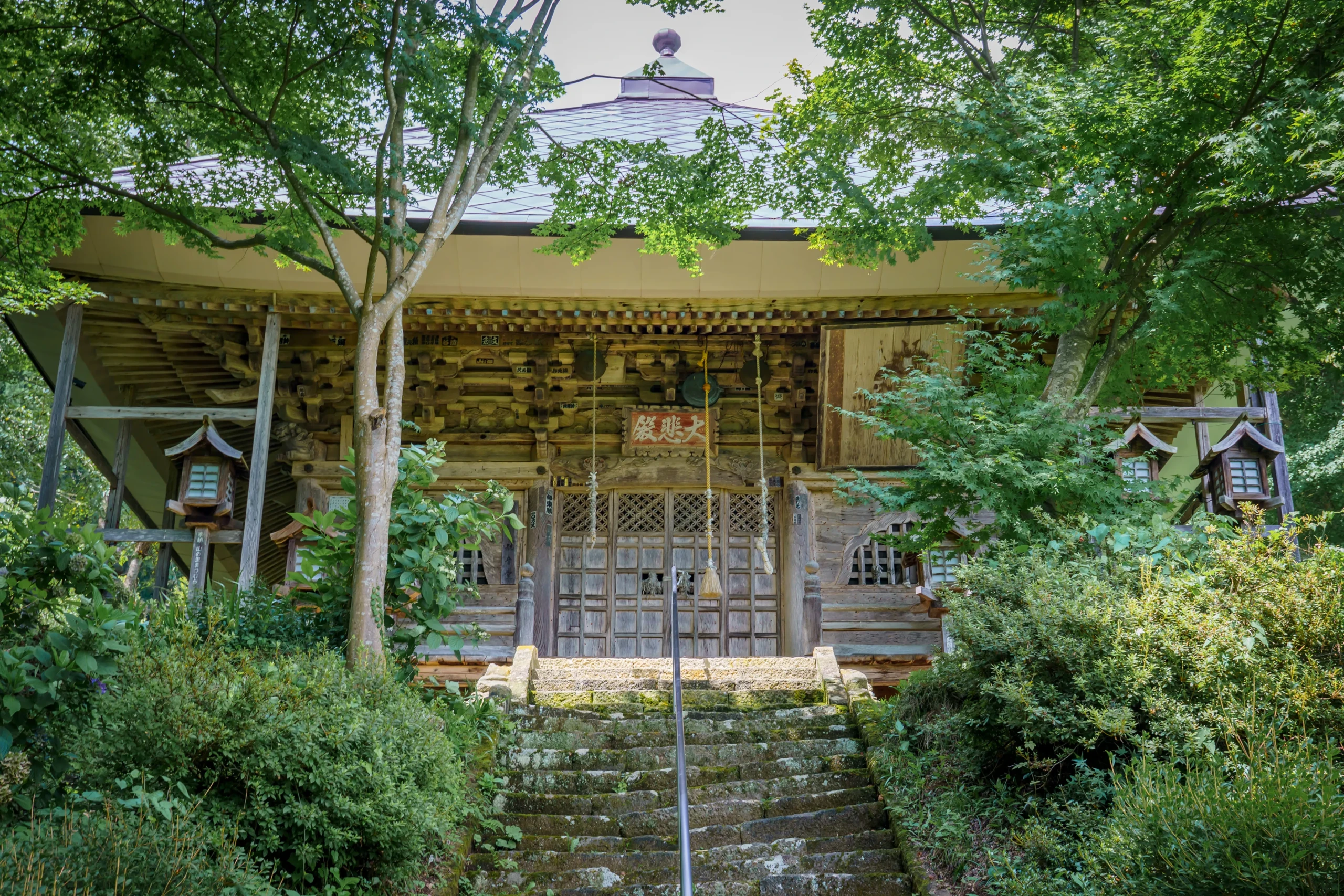
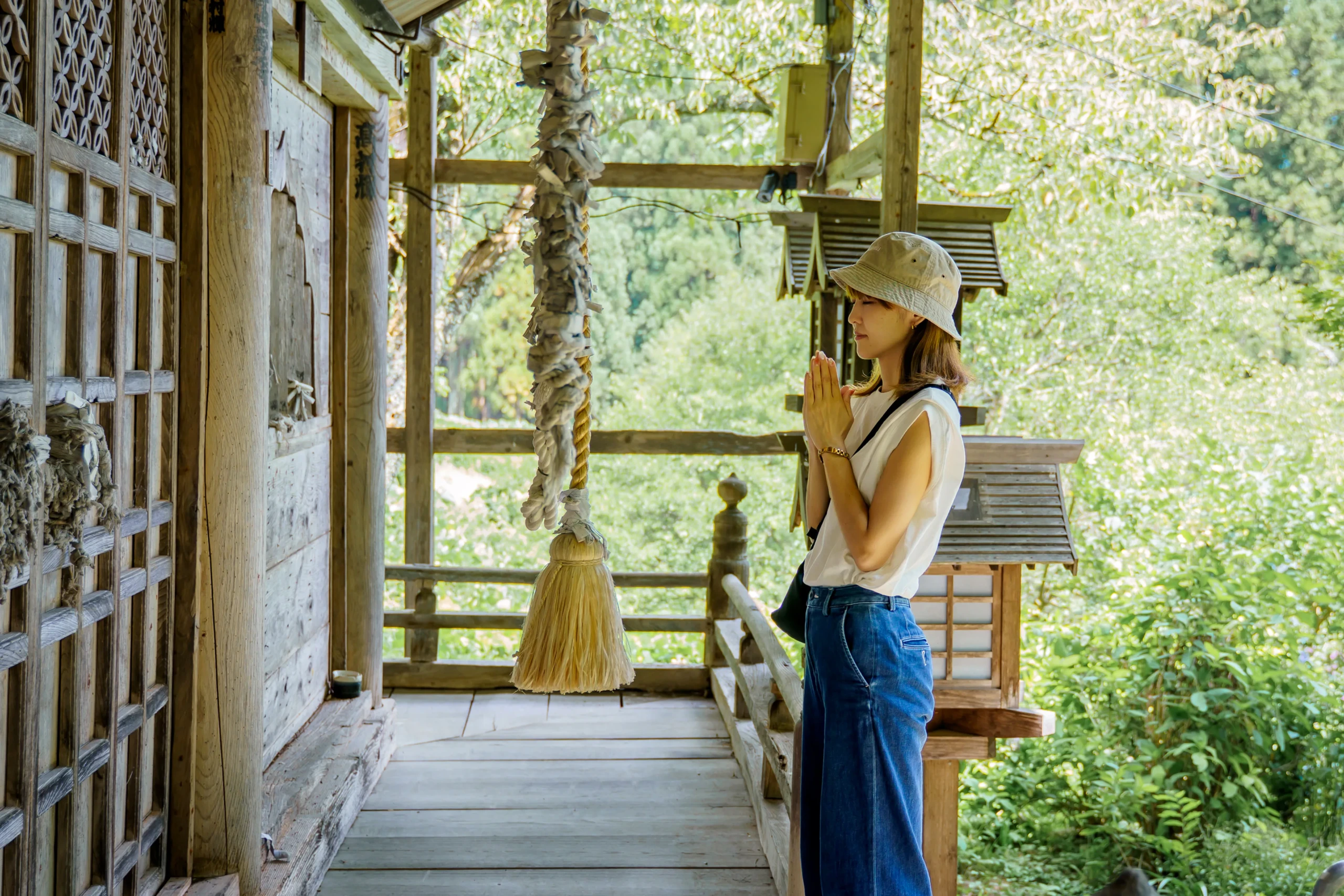
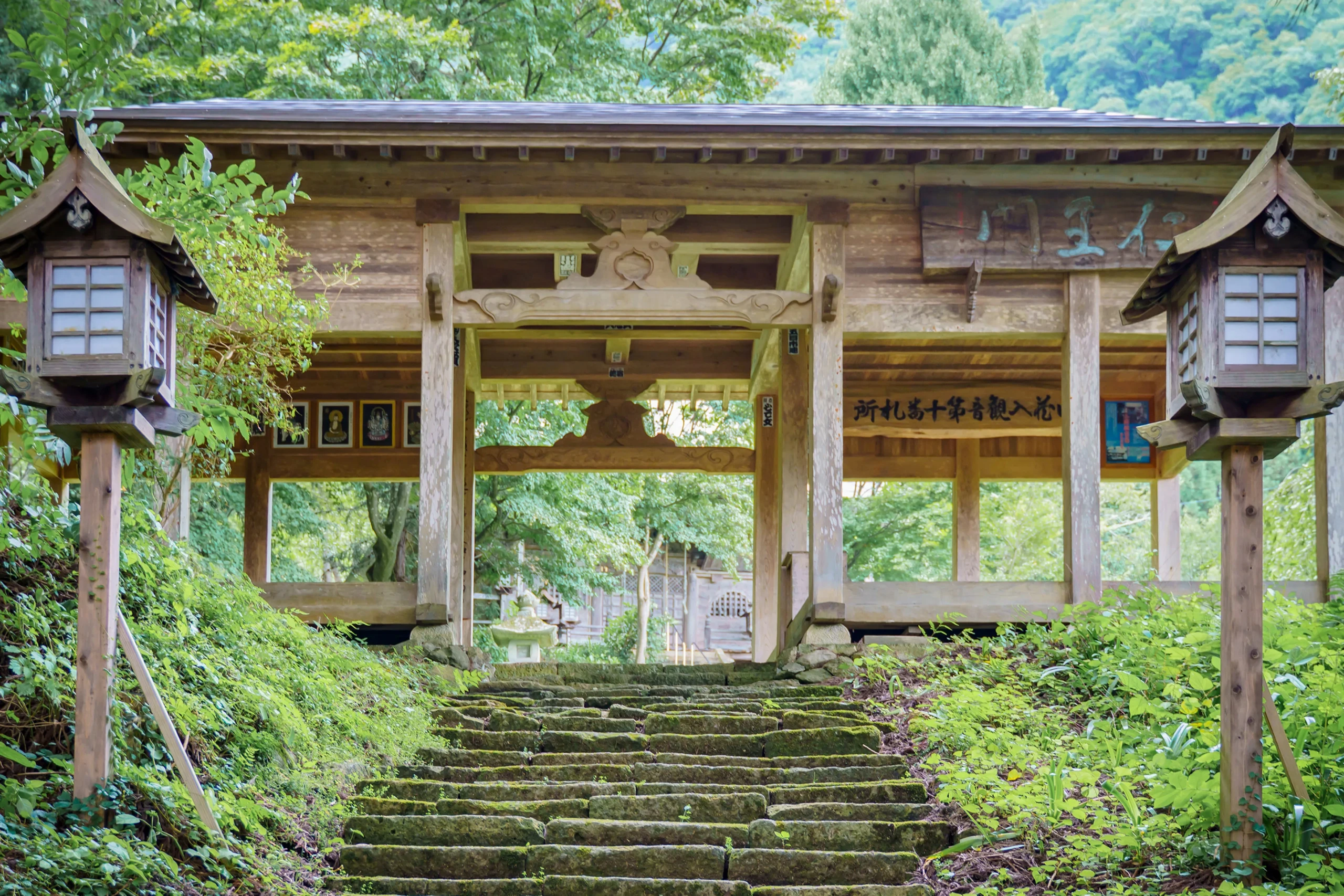
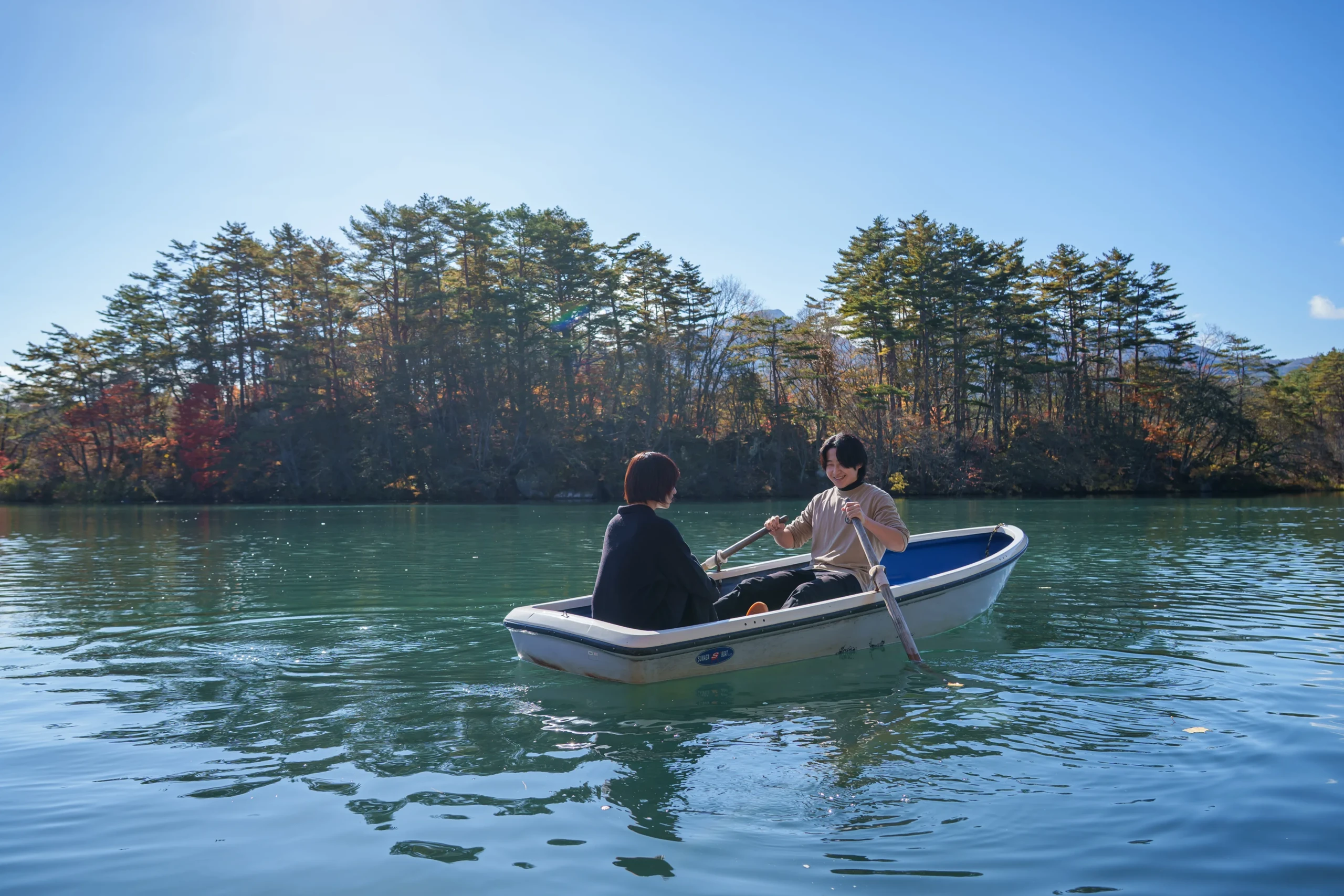
Kannonuma Forest Park in Shimogo Town, Fukushima Prefecture, is a natural park woven from the rich forests and lakes of the Minamiaizu region. Kannonuma Lake, at the park’s center, is believed to have formed over long ages through the erosion of lava created by the eruption of Mount Kōshikidake approximately 17,000 years ago. Located at an elevation of about 900 meters, it offers views of the surrounding mountain ranges. It is also known as a treasure trove for wild birds, allowing visitors to enjoy the luxury of listening to birdsong.
The area around Kannon Pond, developed as a forest park in 1985, was once considered a remote wilderness due to its difficult access. However, the opening of National Route 289 (Kōshi Road) in 2008 transformed it into a tourist route connecting Shirakawa to Minamiaizu, quickly making it a popular spot renowned for its autumn foliage.
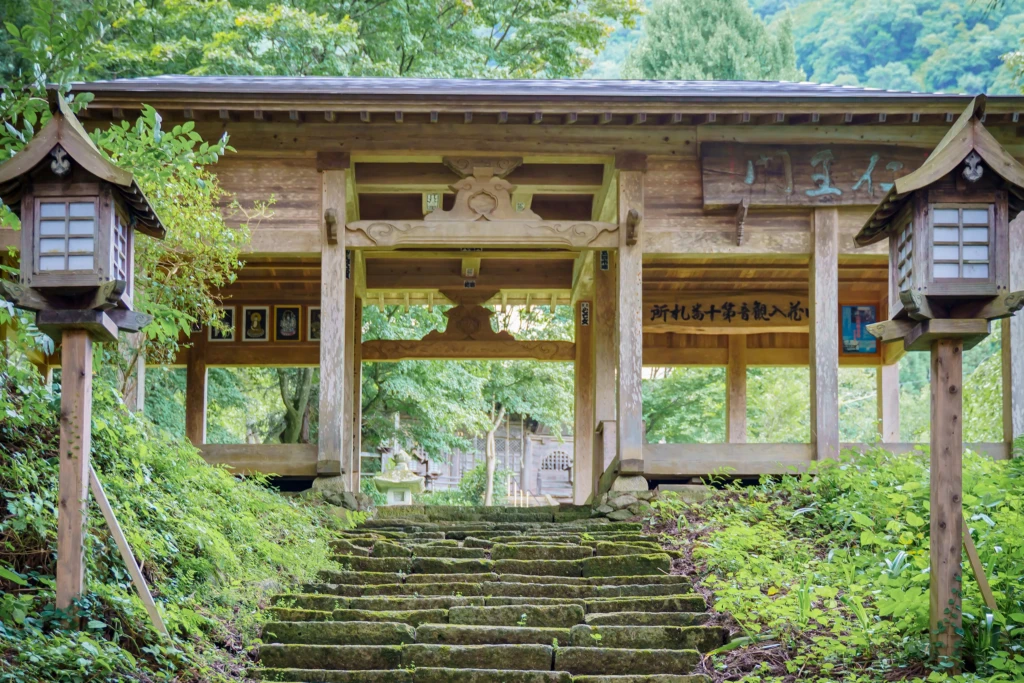
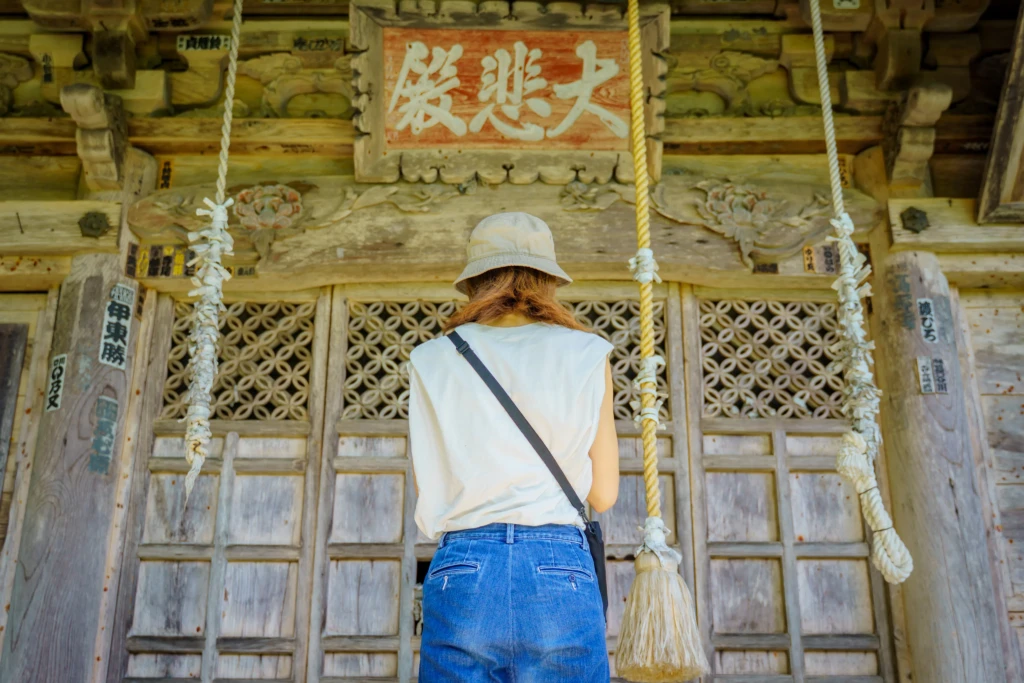
Floating islands dot the lake’s perimeter, reflecting the scenery of all four seasons on its surface. On the lakeshore stands the Takekannon Hall, said to have been built by the Heian-period military commander Sakanoue no Tamuramaro to mourn those who fell during his eastern campaigns. Inside the hall, constructed in the Tang-style hōgyō-zukuri architecture, intricate carvings adorn the interior. The park’s name, “Kannon,” originates from this hall.
Kannonuma Forest Park is a treasure trove for nature observation, offering the enjoyment of seasonal flowers and wild birds throughout the year. In spring, weeping cherry trees and double-flowered cherry trees planted within the park bloom, while the aquatic plant Mitsugashiwa, said to be a survivor from the Ice Age, blooms with delicate white flowers along the lakeshore. Rhododendrons and skunk cabbage also bloom in the park.
In early summer, lush new greenery surrounds the marsh, while cottongrass and yellow irises sway in the wind across the wetlands. The chirping of wild birds echoes throughout the park, attracting many visitors specifically for birdwatching. The higher elevation provides a relatively cool climate for pleasant strolls.
Autumn foliage is especially renowned here, with maple and mountain ash trees turning vibrant reds and yellows, mirrored vividly on the marsh’s surface like a mirror. Peak viewing occurs from mid-October to early November, with the mist-shrouded mornings offering particularly ethereal scenes. The park features viewing points and grassy plazas where you can relax on benches while enjoying the foliage. Walking along the paths covered in fallen leaves feels like strolling on a red carpet—a luxurious experience unique to this season.
In winter, the “Kanjiki Walk” offers snowshoeing through the deep snow-covered forest amidst the quiet of a snowy landscape. During this time, you can also see Lake Kannon frozen over.
The park’s nine walking trails, stretching a total of approximately 3.2 km around the perimeter, offer the appeal of being able to choose based on the season and your purpose. The lakeside loop course is about 1.2 km with minimal elevation changes, making it easy for families and seniors to stroll without strain.
When visiting Kannonzuma Forest Park, we recommend planning to spend about half a day leisurely enjoying nature. It’s about a 3-minute walk from the parking lot to the park entrance, and the lakeside loop course takes about an hour to complete. During the autumn foliage season, the park gets crowded and the parking lot may fill up early in the morning, so arriving early is recommended.
First, choose one of the nine walking courses that suits you. Adjust your pace based on your stamina and schedule—take about 30 minutes to circle the lake or an hour to walk around the entire park. Exploring all nine trails takes about an hour and a half. Listen to the birdsong while enjoying the floating islands and reflections on the lake surface.
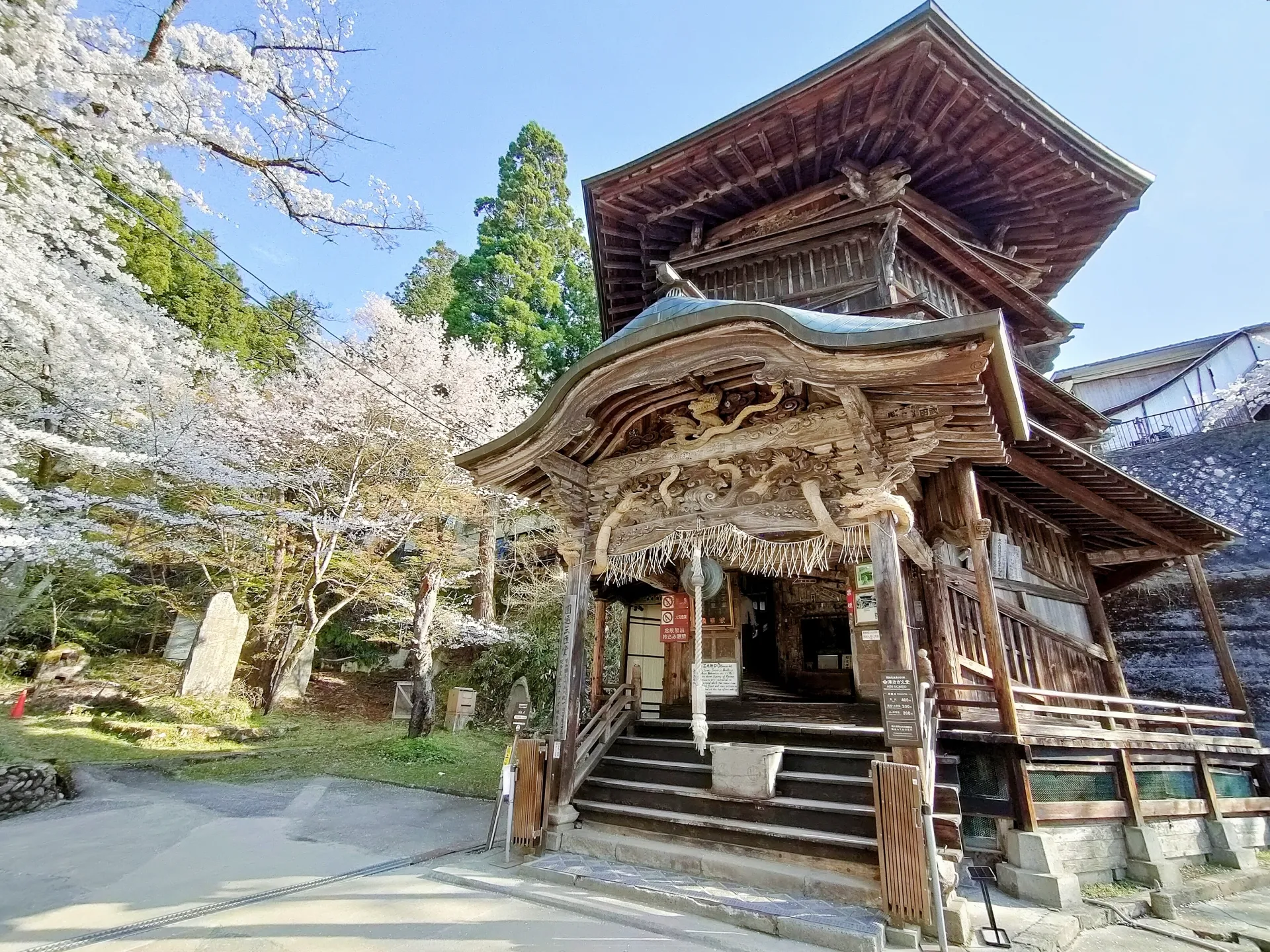
After circling the lake, extend your walk to the “Viewing Platform” or “Observation Deck.” The “Viewing Platform” overlooks the marsh, while the “Observation Deck” offers sweeping views of the mountains behind, making it a prime spot for autumn foliage and snowy landscapes. The Takekannon Hall on the west shore is open for exterior viewing. Its Tang-style carvings and architecture showcase the beauty of Japanese religious architecture. History buffs will find it even more rewarding to research tales associated with Sakanoue no Tamuramaro before visiting.
If time permits, extend your visit to nearby attractions. At the roadside station “Shimogo” along National Route 289, savor local delicacies like handmade soba noodles and Aizu chicken rice bowls, and shop for woodcrafts and regional specialties.
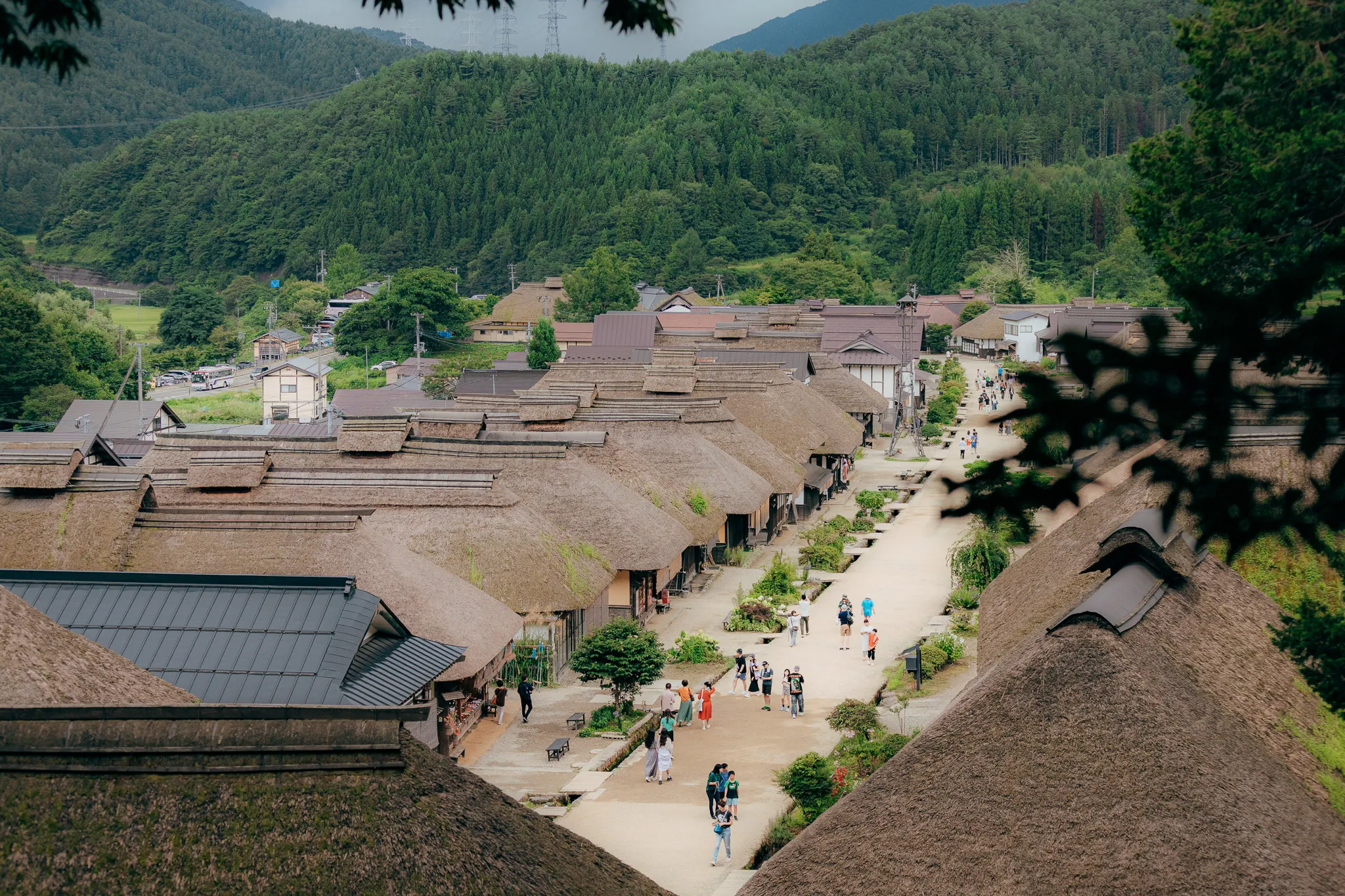
Within a 15- to 30-minute drive, you’ll find unique South Aizu attractions like the natural rock formations of “Tō no Hetsuri” and the traditional thatched-roof houses lining “Ōuchi-juku.” Planning a tour of these spots will make for a more fulfilling trip.
Open hours・Closed days::9:00 AM to 4:30 PM (Open year-round)
Address: 386 Dogo-ko, Yunokami, Shimogo Town, Minamiaizu District, Fukushima Prefecture
Admission Fee: Free
Access: