



When people picture Japan, Mt. Fuji is usually the first thing that comes to mind.
Travelers from all over the world make the trip just to catch a glimpse of its iconic silhouette. Popular spots like Lake Kawaguchiko and Lake Yamanakako in Yamanashi Prefecture are famous for their panoramic views, and today they draw huge crowds of international visitors.
But those aren’t the only places to take in the magic of Mt. Fuji.
This time, I traveled to Fujinomiya in Shizuoka Prefecture. As the name suggests, the city sits right along the southwestern foothills of Mt. Fuji.
Walking through town, you’ll catch sudden glimpses of the mountain towering behind everyday buildings. For the locals, a view like that is just a regular part of daily life.
Compared to famous spots like Kawaguchiko, Fujinomiya hasn’t quite hit the radar of most international travelers. Yet it’s a town rich in history, culture, vibrant natural scenery, and incredible local food, all shaped by living alongside the mountain.
Instead of just going to look at Mt. Fuji, this trip is about visiting a community that lives alongside it.
Here is a look at a special two-day getaway to Fujinomiya.

[10:00 AM Departure: From Tokyo to Fujinomiya, Shizuoka]
When planning a trip to Japan, most itineraries stick to the classic Tokyo-Kyoto-Osaka route.
While exploring bustling cities is exciting, sometimes you want to escape the crowds and unwind surrounded by nature.
If that sounds like the kind of reset you need, Fujinomiya is a perfect stop.
From Tokyo, take the Tokaido Shinkansen to Mishima Station, then transfer to a local train line straight into Fujinomiya Station. Depending on your connections, the whole trip takes about two hours.
Adding a quick two-day detour along the main route between Tokyo and Kansai is an unforgettable way to experience a quieter side of Japan.
[12:00 PM Local Eats and Mt. Fuji Culture]
I arrived in Fujinomiya around noon. To kick off the trip, I headed straight to Omiya Yokocho, a cozy food alley near Fujisan Hongu Sengen Taisha Shrine.
The must-try local dish here is Fujinomiya Yakisoba. Standard Japanese yakisoba is made by stir-frying noodles with meat and vegetables in a savory sauce. But the local version here has its own distinct twist. The noodles have a uniquely firm, chewy texture, tossed with crispy pork bits (nikukasu) and topped with savory shaved fish powder that adds a rich depth of flavor.
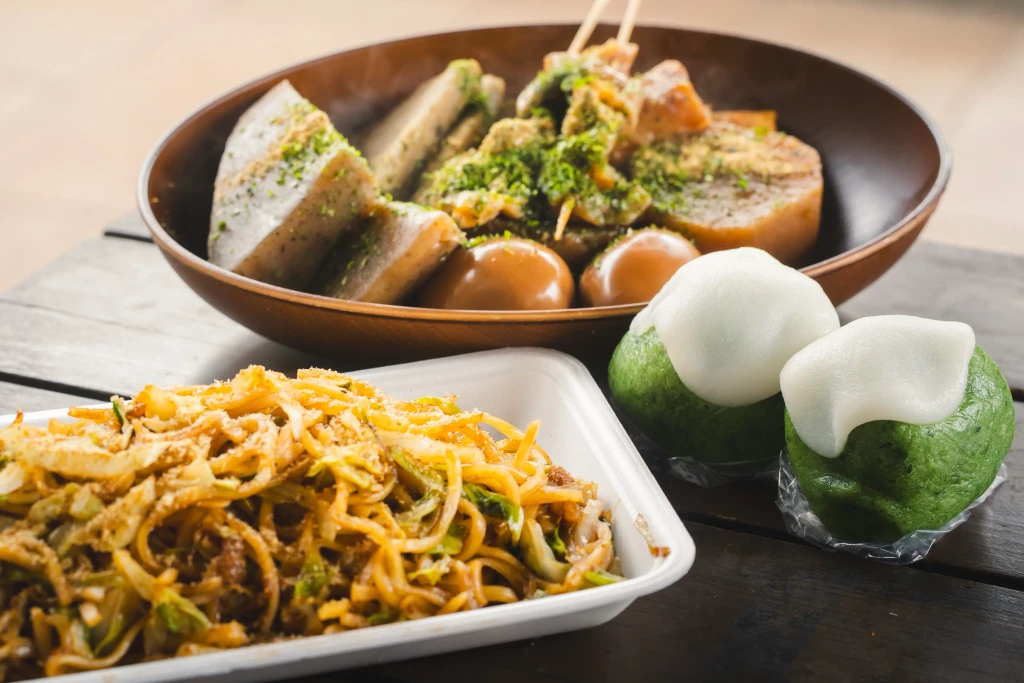
It brings a delicious, subtle seafood flavor without feeling heavy at all. Honestly, you could easily eat a second plate. Grabbing a casual, authentic bite like this while wandering through town is one of the best parts of the trip.
After finishing lunch, I walked over to the nearby Shizuoka Prefectural Mt. Fuji World Heritage Centre. The striking building is designed to reflect an inverted image of Mt. Fuji in the water out front, framed by a red shrine torii gate with the real mountain looming behind it. The entire view feels like a perfect snapshot of Fujinomiya’s identity.
A short walk brought me to Fujisan Hongu Sengen Taisha Shrine. The expansive grounds and majestic main hall were even more impressive than I expected.
My favorite spot was Wakutama-ike Pond on the shrine grounds. Ducks glide across crystal-clear water fed directly by underground spring water from Mt. Fuji.
The contrast of vivid fresh greenery, vermilion shrine architecture, and pristine water makes every angle look like a postcard.
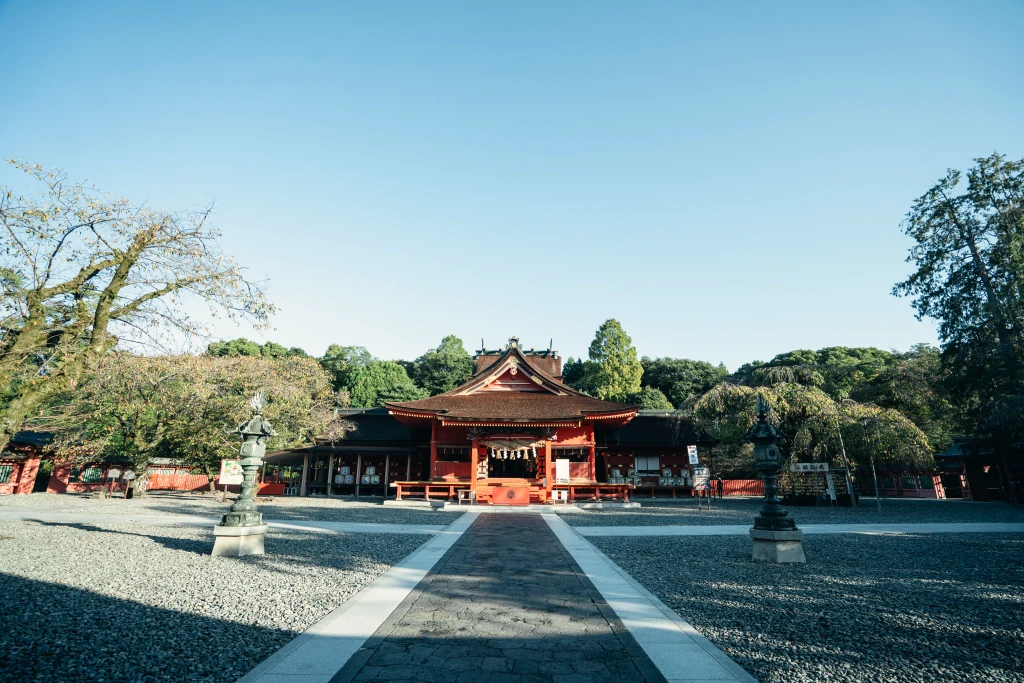
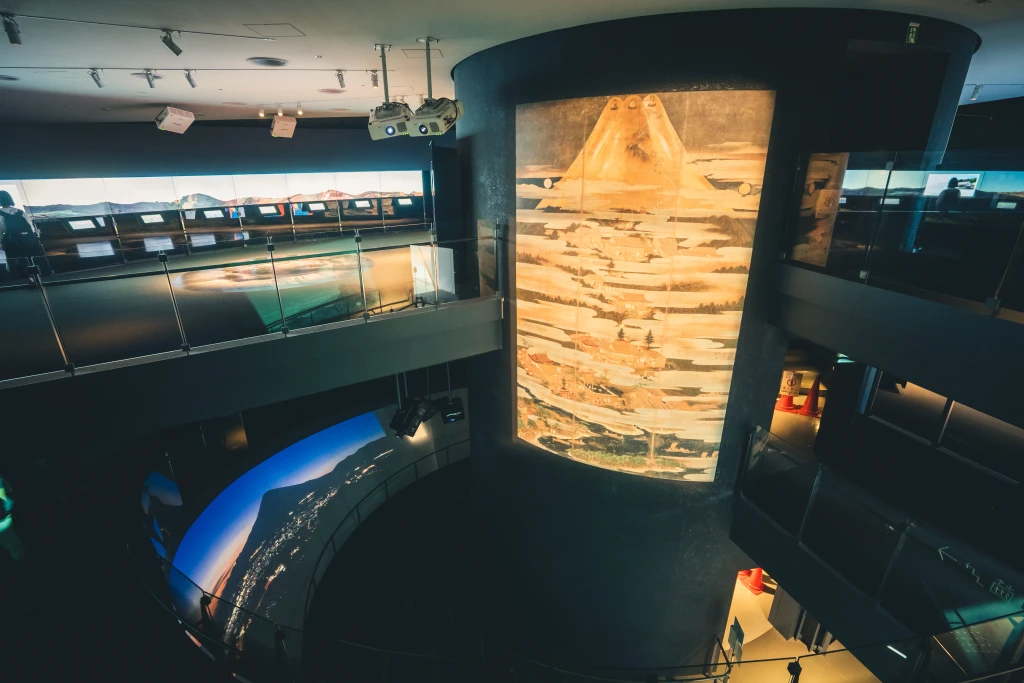
With a little time left before check-in, I decided to wander the streets a bit longer and soak in the town’s atmosphere.
[4:00 PM Arrival at Ogawasou: Settling into “Tsuki no Ma”]
After enjoying a stroll through Fujinomiya, I arrived at my main destination around 4:00 PM: Kappo Ryokan Ogawasou.
Passing through the main entryway, a stone-walled path leads you inward. Stepping onto the property feels like slipping back in time into historic Japan.
Founded in 1870, Ogawasou is a historic inn with over 150 years of tradition. It originally opened as an eel (unagi) restaurant and evolved into a cherished spot for fine dining and traditional hospitality over generations.
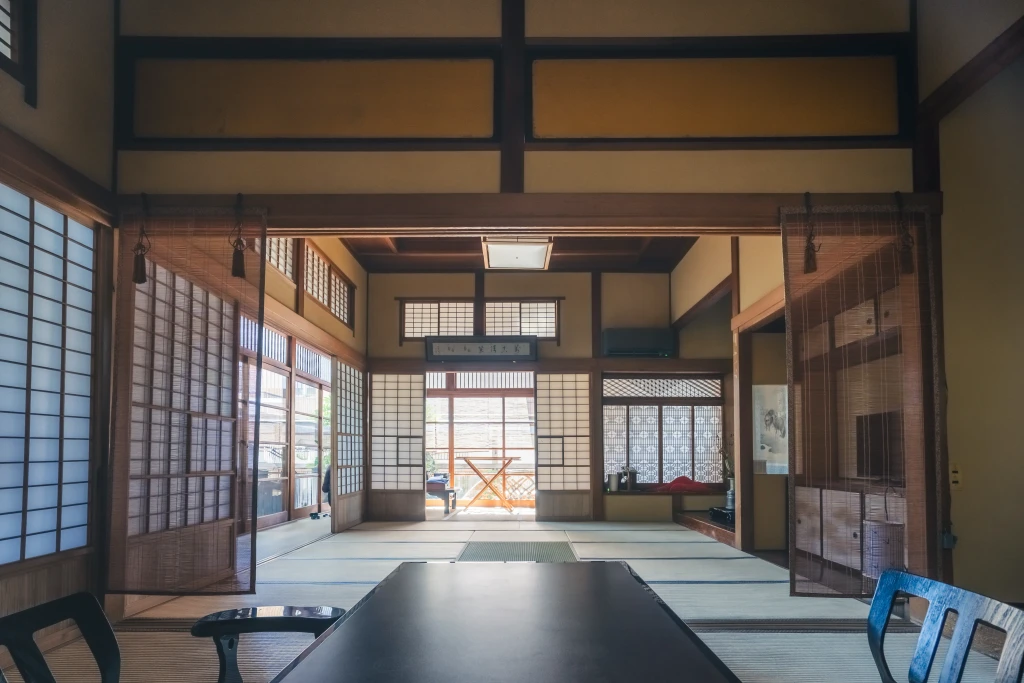
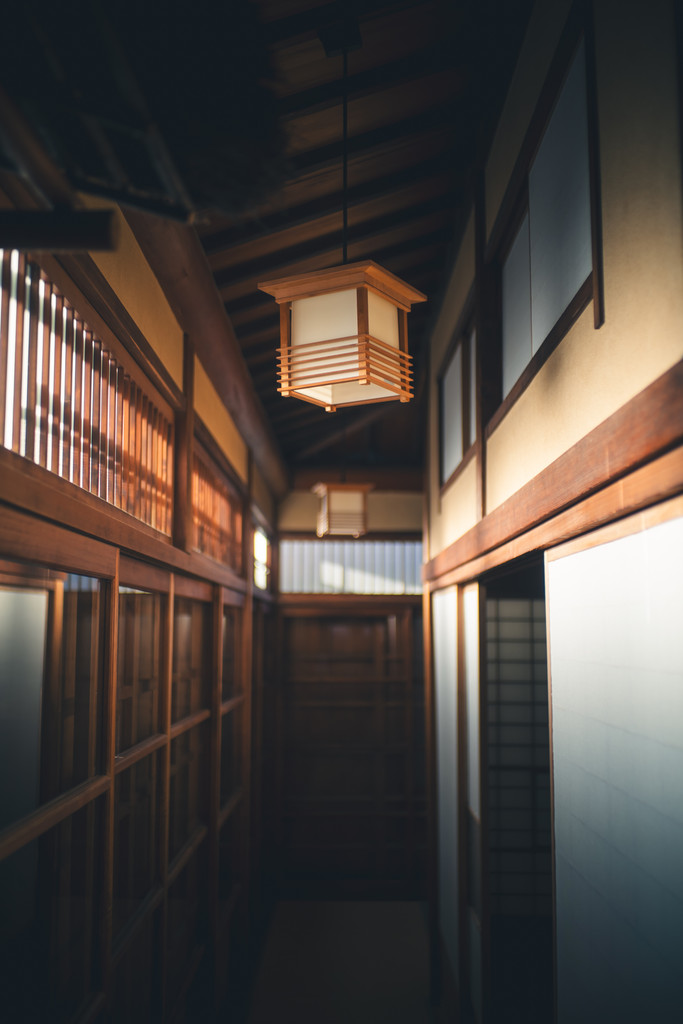
I stayed in “Tsuki no Ma” (The Moon Room), a detached guest suite with a history spanning over a century. The space preserves the timeless elegance of classic Japanese architecture.
It features spacious tatami rooms, antique wooden fixtures that show the gentle wear of time, and a layout that opens out toward a traditional garden veranda (engawa).
Beyond “Tsuki no Ma,” Ogawasou offers various room styles, from cozy tatami spaces for couples to larger suites for families and groups, making it easy to choose a setup that fits your travel style.
What impressed me most was how effortlessly modern comfort is blended into such a historic setting. The bathrooms and plumbing facilities are spotlessly clean and updated, so you enjoy the charm of an ancient building without any of the inconvenience.
The staff mentioned that the room’s original wooden screen doors and fixtures are carefully maintained to preserve their historic character.
Living alongside that sense of history while enjoying modern comforts made for a wonderfully relaxing evening in “Tsuki no Ma.”
[5:00 PM Private Rooftop Hot Spring with Mt. Fuji Views]
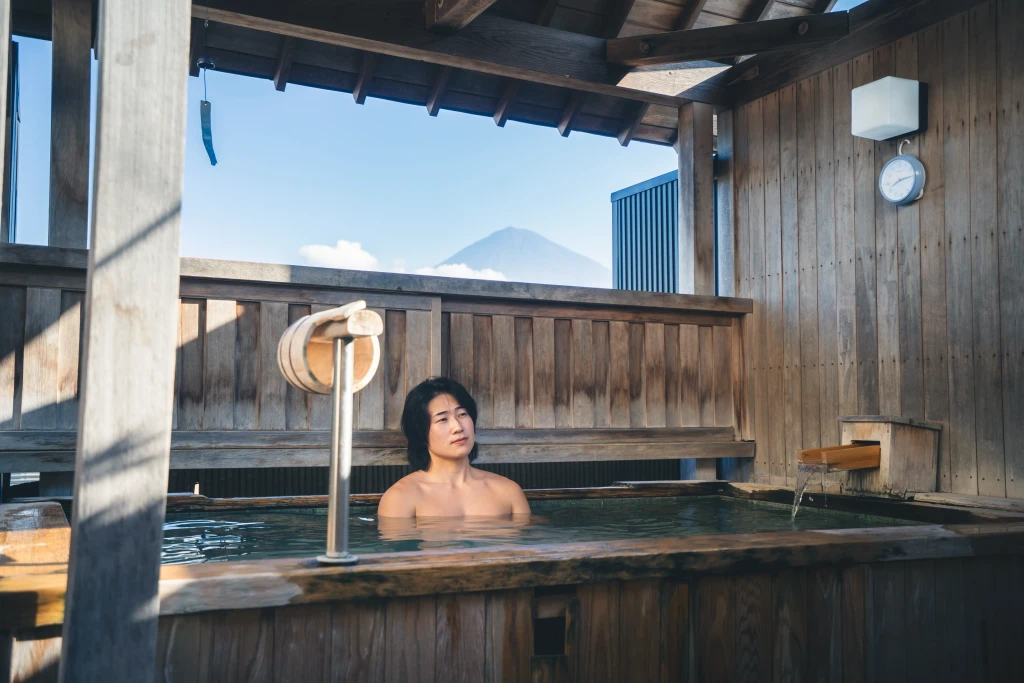
After settling into the room, I headed up to another major highlight of Ogawasou: the private rooftop open-air bath.
While Ogawasou is an intimate inn, the top floor features a private hot spring space with direct views of Mt. Fuji.
The staff noted that many guests book a stay specifically for this bath.
The bath is available for private one-hour reservations at no extra charge. Having the entire rooftop to yourself means you can relax in total privacy without worrying about anyone else around.
When the weather cooperates, the main attraction is the magnificent view of Mt. Fuji stretching across the horizon.
The mountain is usually most visible in the early morning and late afternoon. Luckily, we were treated to a clear, beautiful view during our time at the bath.
Soaking in a warm wooden tub while taking in Mt. Fuji is a luxury that feels miles away from everyday life.
The deep quiet of the town also left a lasting impression.
As night falls, a peaceful calm settles over the neighborhood, offering a quiet, gentle atmosphere that feels completely different from daytime.
The still, quiet dusk and the crisp morning light each bring their own unique feel. Watching the scenery shift with the light made for a truly special hot spring experience at the foot of the mountain.
[7:00 PM A Feast of Traditional Kaiseki Cuisine]
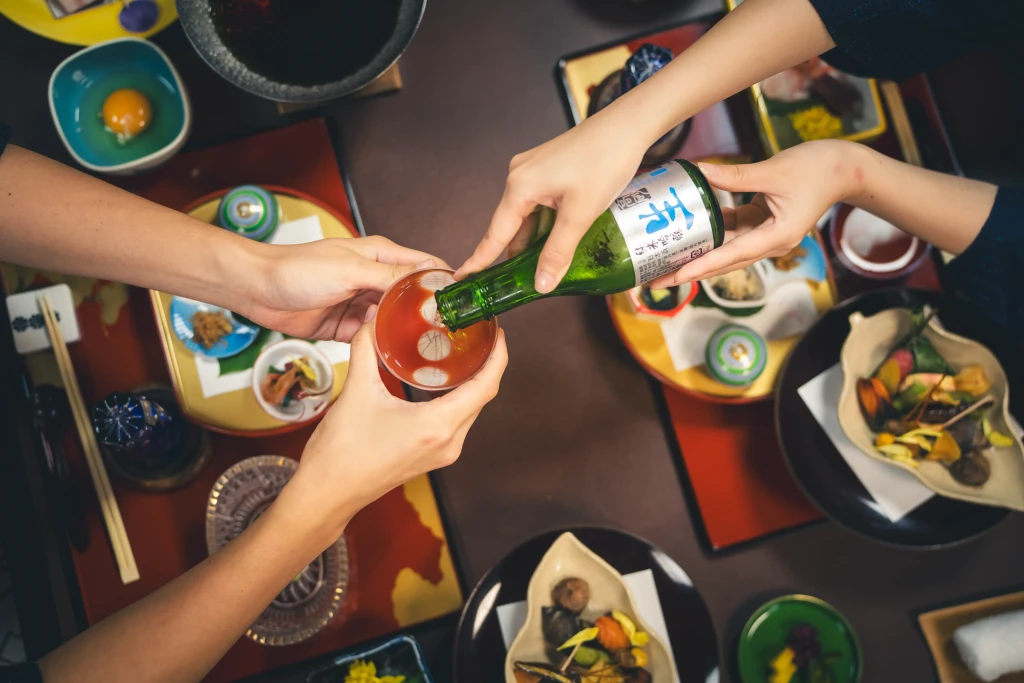
After a relaxing soak with a view of the mountain, it was time for dinner.
It’s no exaggeration to say that the food is the single biggest highlight of a stay at Ogawasou.
Having started as an eel restaurant and built a long culinary legacy, Ogawasou today features an expert chef from Kyoto who prepares authentic multi-course kaiseki meals centered around rich dashi broth and fresh seasonal ingredients.
Kaiseki is a traditional multi-course meal where seasonal dishes are brought out one by one, beautifully plated.
Dinner was incredible.
- Appetizers: Garlic whitebait, Omi konjac, beer-pickled cucumber, whale chanja, black sesame tofu, chicken matsukaze, river shrimp, and mitsuba namul
- Sashimi: Medium-fatty tuna (chutoro), flounder, squid, and fresh shrimp
- Simmered Dish: Pumpkin dumpling, yuba (tofu skin), maple-shaped wheat gluten, and shrimp
- Grilled Course: Salmon yuan-yaki, roasted duck, rolled egg, and babylon sea snail
- Hot Pot: Ashigiri beef and pork sukiyaki
- Vinegared Dish: Octopus with green tea cheese tofu, surf clam, and blowfish skin jelly
- Soup: Crab dumpling, egg tofu, and matsutake mushroom
- Dessert: Kyoho grapes, pineapple, and warabi mochi
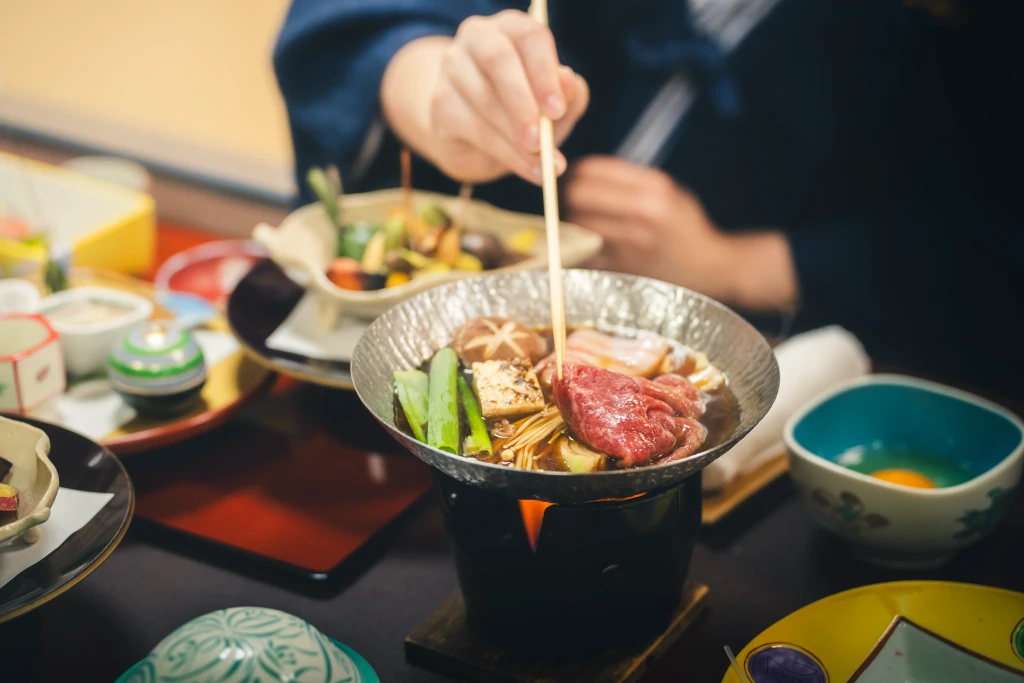
The standout dish was definitely the local Ashigiri beef and pork sukiyaki.
The sweet and savory aroma of the broth filled the room as the meat simmered at our table, instantly making my mouth water.
The meat was incredibly tender, melting on the tongue with a rich flavor balanced by the sweet soy glaze. It was so good I couldn’t stop reaching for another bite.
The rest of the meal was just as impressive, featuring vibrant cuts of sashimi and artfully arranged seasonal plates. Anticipating what dish would arrive next made the entire dinner feel like an event.
For inte
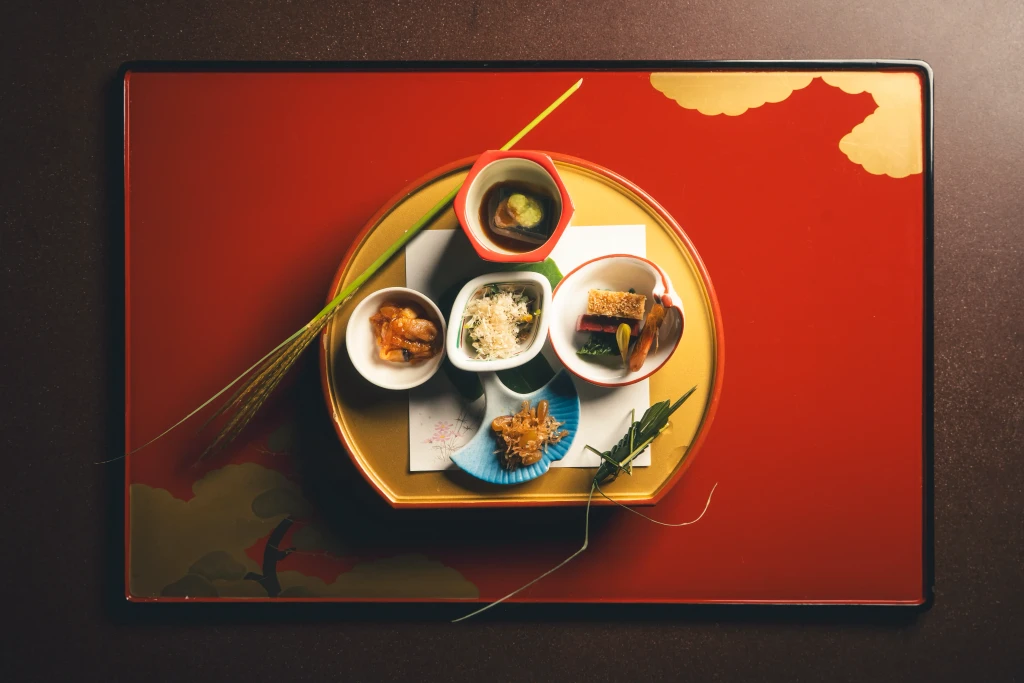
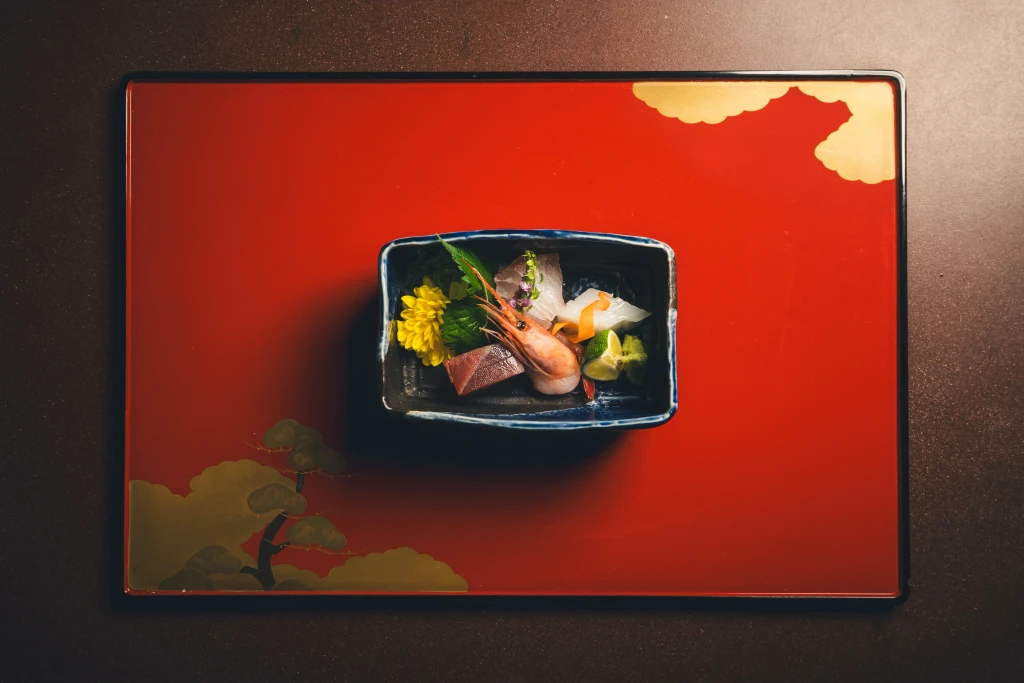
rnational travelers, many of these dishes will be entirely new discoveries. But even as a local, I found myself tasting exquisite flavor combinations I rarely encounter in daily life.
The quality and portion size were unbelievable. Having stayed at countless inns across Japan, I can easily say this meal ranks among the absolute best.
Dressed in a comfortable yukata robe and enjoying a multi-course dinner on tatami mats is the ultimate ryokan experience.
To help international guests fully appreciate the meal, the inn even provides translated menus in multiple languages explaining each course.
Between the incredible flavors, artful presentation, generous portions, and attentive service, it was a meal I won’t forget anytime soon.
After dinner, I returned to the quiet historic guest room to unwind. Taking time to slow down like this is a luxury that makes traveling through Japan so rewarding.
[Day 2 – 7:00 AM A Classic Japanese Breakfast]
woke up the next morning to clear blue skies outside.
Starting the morning in peaceful Fujinomiya felt wonderfully refreshing. Even after such a massive dinner the night before, I was already looking forward to breakfast.Futons are laid out up in the loft, meaning you wake up and meet Mt. Fuji’s gaze first thing in the morning. Out back, there’s a deep ceramic soaking tub and a private outdoor sauna cabin. My dream of living in a timber house was starting to feel surprisingly realistic.
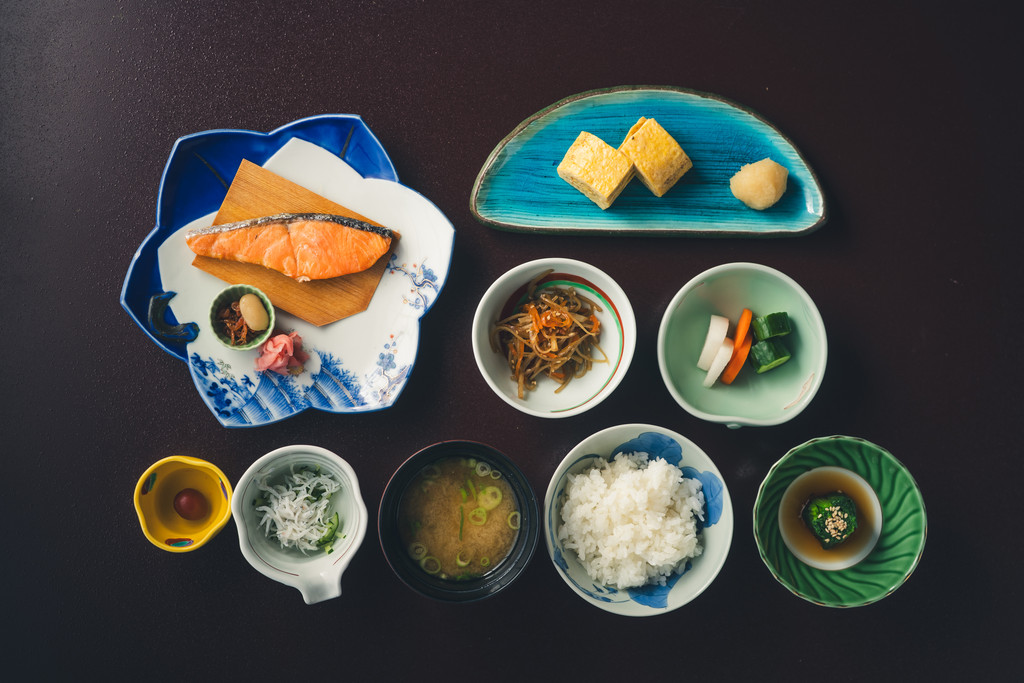
The service made the morning even better.
Just as they did during dinner, the staff at Ogawasou checked in with genuine, gentle care.
Japan is famous for its culture of omotenashi—a form of hospitality rooted in quiet thoughtfulness and anticipating a guest’s needs before they even ask.
Staying at Ogawasou, you realize omotenashi isn’t just a marketing word for good customer service; it’s real human warmth.
A delicious breakfast paired with heartfelt hospitality left me feeling completely refreshed.
After finishing breakfast, I headed back up to the rooftop bath for one last soak.
The inn staff had actually recommended taking a bath in the morning. Mt. Fuji is often at its clearest early in the day, giving morning soaks a whole different appeal.
Soaking in warm water while taking in a clear morning view of Mt. Fuji in the crisp air felt incredible.
While it’s tempting to rush out early to hit sightseeing spots, taking time to do absolutely nothing until check-out is one of the best ways to enjoy staying at a traditional inn.
Savoring a quiet breakfast, taking a hot bath, and admiring the mountain view is the exact kind of slow morning you should experience at Ogawasou.
[9:00 AM Exploring More of Fujinomiya]
After breakfast and a morning bath, I checked out of Ogawasou.
While it was hard to leave, the surrounding area has plenty of great spots worth exploring.
Here are four recommended stops depending on what you like to do:
①Fujisan Yume no Ohashi Bridge: The Stairway to Mt. Fuji
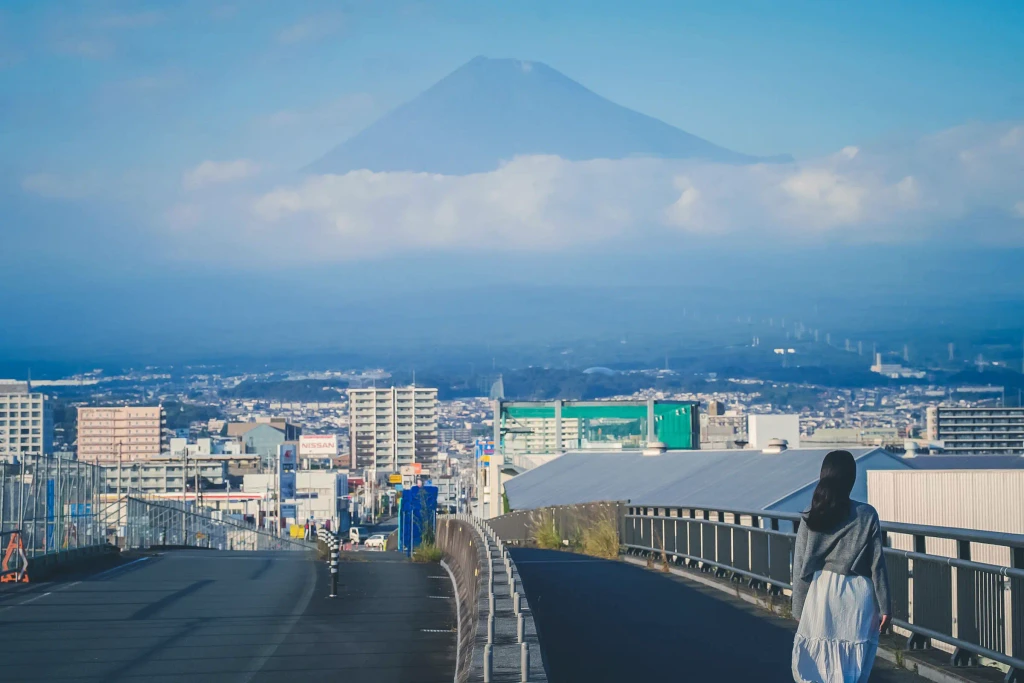
A popular photo spot on social media featuring a large pedestrian bridge. The stairs align directly with Mt. Fuji in the background, making it look as if you’re walking straight toward the mountain. It’s a great spot for an iconic travel photo.
②Ogino Tea Factory: Tea Tasting in the Fields
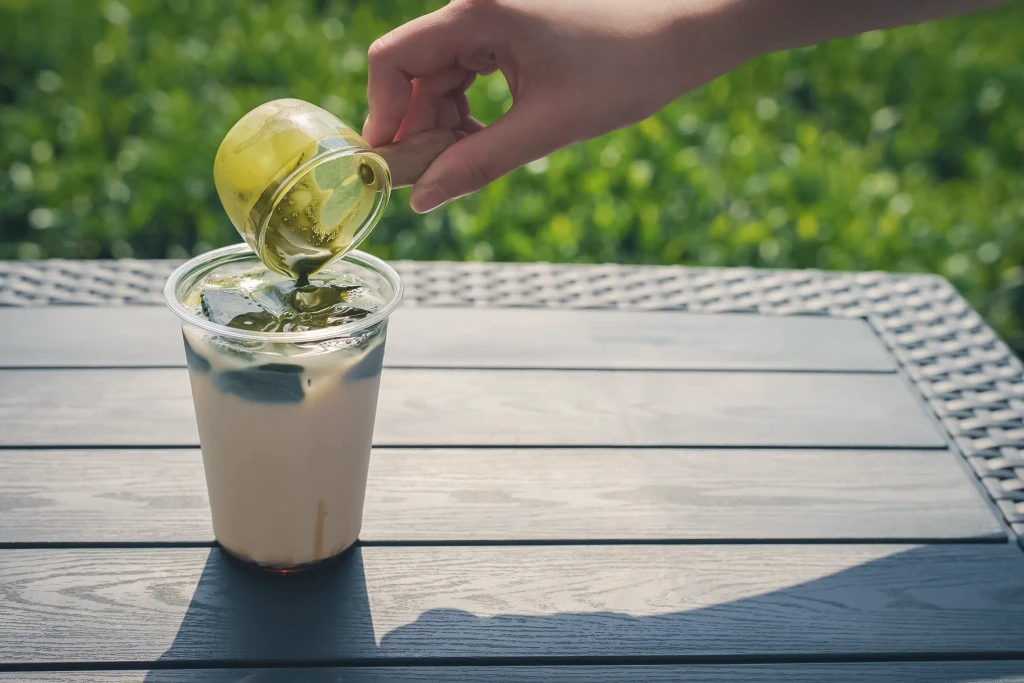
Shizuoka is famous for producing some of Japan’s finest green tea, and Ogino Tea Factory is a fantastic place to visit. The open outdoor terrace is surrounded by endless green tea fields stretching in every direction. They offer English guidance and cultural activities like traditional tea-picking dances, along with fresh matcha shakes to enjoy while taking in the views.
③Shiraito Falls: Cascading Mountain Spring Water
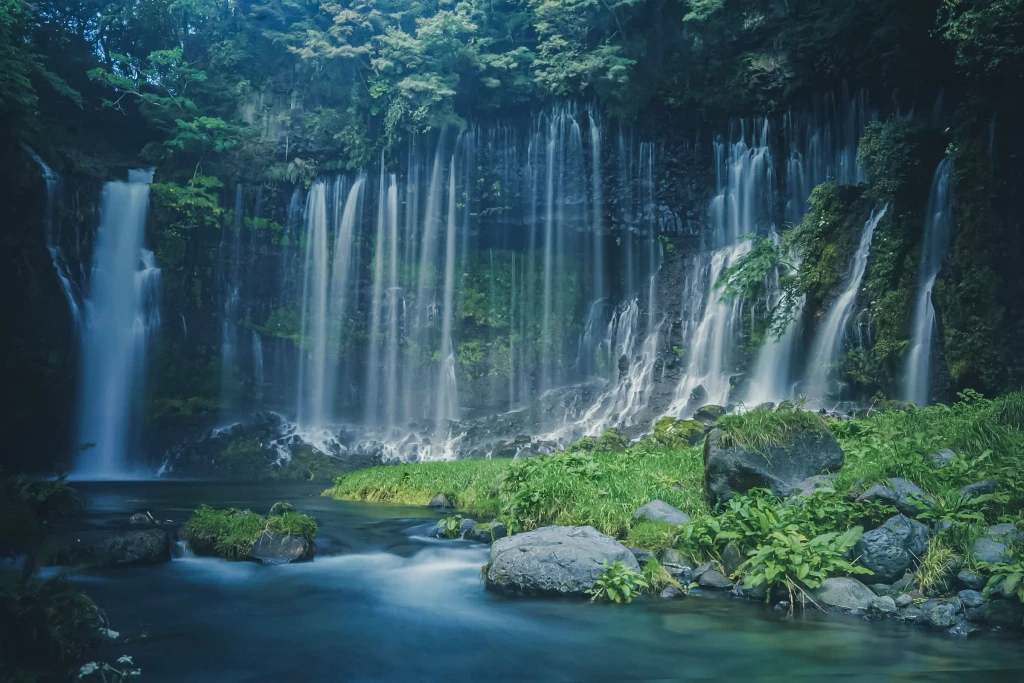
While it takes a bit more effort to reach, Shiraito Falls is well worth the trip. Dozens of fresh mountain waterfalls cascade down a wide crescent cliff face, feeding into amazingly clear emerald-green water below. Seeing the natural scale of the falls up close is incredible.
③Hanko no Ozawa: Crafting Your Own Name Stamp
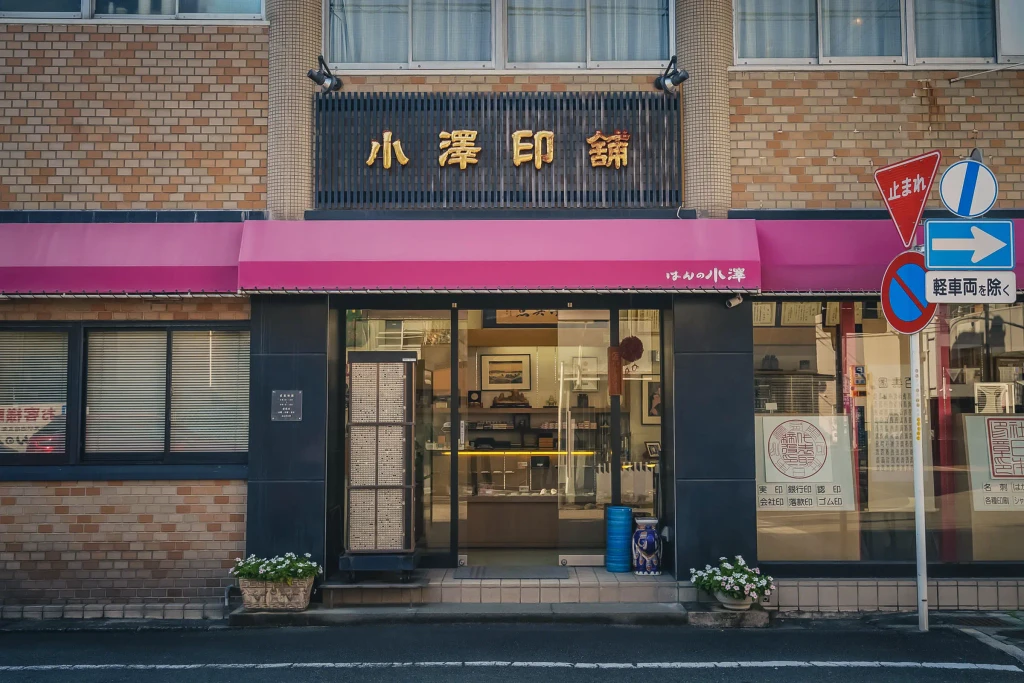
If you want a unique hands-on cultural experience, try making a custom Japanese seal (hanko). You can choose kanji characters that match the sound or meaning of your name, learning about traditional seal-making history while creating a personalized wooden stamp to take home as a keepsake.
Visiting Fujinomiya is about much more than just looking at Mt. Fuji from afar. Between the food, nature, local traditions, and welcoming community, the area is filled with authentic experiences.
[Another Side of Japan at the Foot of Mt. Fuji]
Seeing Mt. Fuji is on almost every traveler’s bucket list when visiting Japan.
But what made this trip so special was more than just the mountain view.
It was the quiet historic streets, the fresh spring water, incredible local food, and above all, the genuine warmth of the people at Ogawasou.
The real beauty of traveling in Japan isn’t just the famous sights you see, but the moments you share and the connections you make along the way.
Visiting major tourist spots is great, but taking a small detour to discover a quieter side of Japan is just as rewarding. Instead of rushing to “see” Mt. Fuji, take time to visit a town that lives alongside it.
Those are the kinds of travel memories that stay with you long after the trip is over.
Fujinomiya became a place I know I’ll want to return to again someday.