



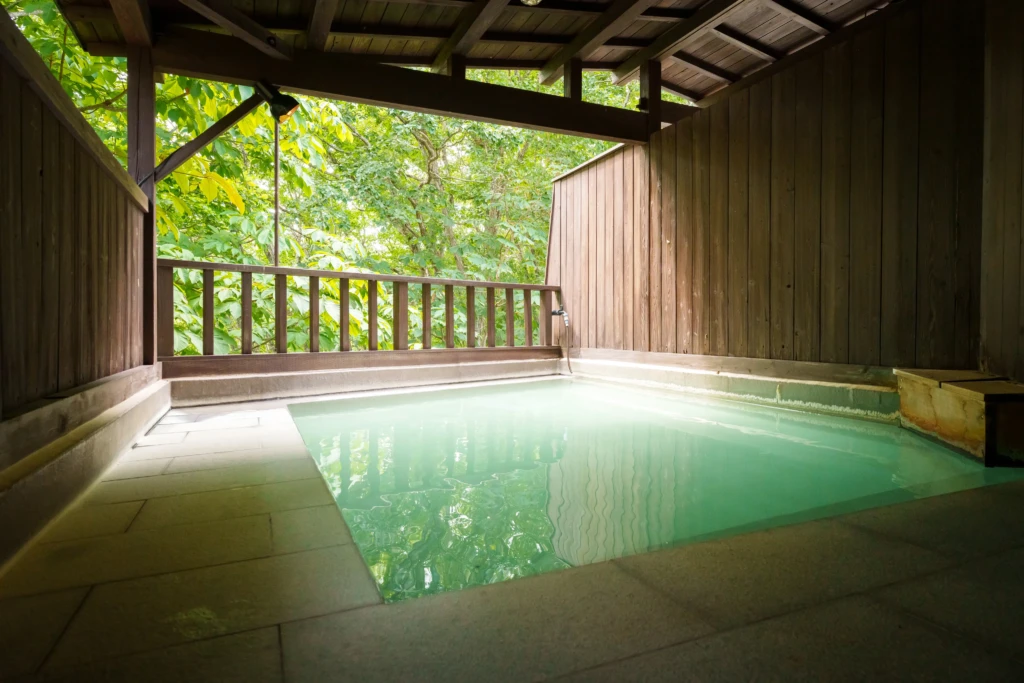
Located in the Numajiri Highlands of Fukushima, Numajiri Kogen Lodge is a newly renovated accommodation centered around a unique “Extreme Onsen” concept that blends mountain climbing with the hot spring experience.
The lodge was originally a mountain hut beloved by the late mountaineer Junko Tabei, the first woman to summit Mount Everest. In this interview, we spoke with the owner, Mr. Watanabe, about the background of taking over the closed lodge, the architectural design that coexists with nature, his commitment to local ingredients, and his vision for the future of tourism in this region.
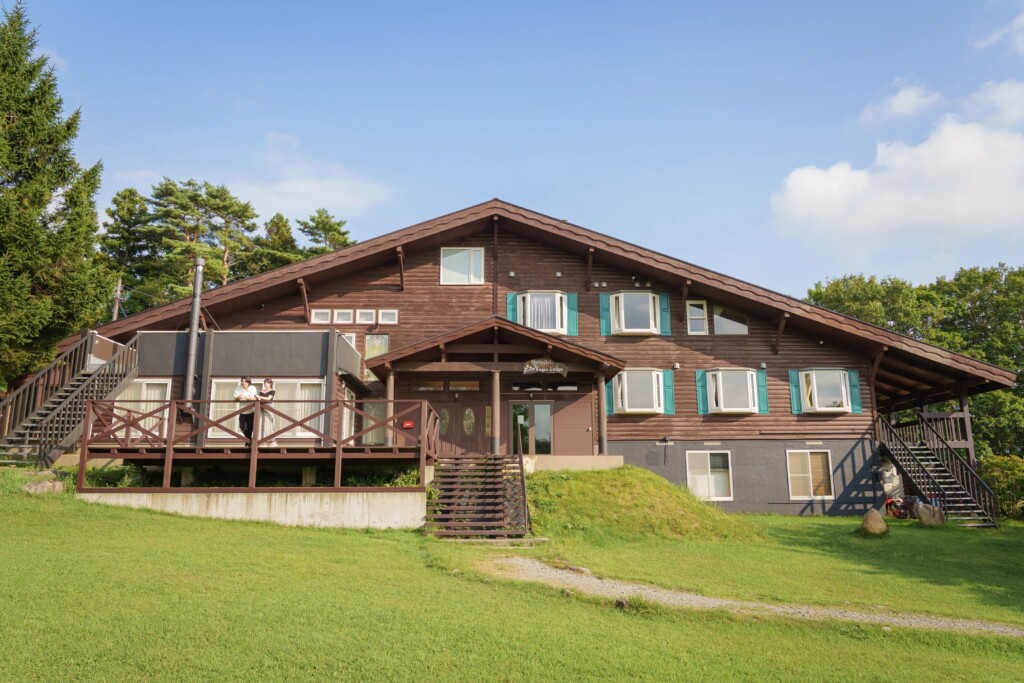
A mountain lodge located in the heart of the Bandai-Asahi National Park.
Along with highly acidic sulfur springs and creative kaiseki made with specially selected ingredients, you can experience a deep sense of peace that melts into the natural surroundings.
The Start Of Numajiri Kogen Lodge: A Decision Born From The Mountains
—How did you come to take over the lodge?
Mr. Watanabe: As a fellow climber from the same hometown, I was very familiar with Junko Tabei. When I heard the lodge she loved had been closed for a long time, her family reached out to me for a consultation.
—Was it a difficult decision?
Mr. Watanabe: Honestly, I was already in a difficult situation trying to rebuild another inn. But I couldn’t let this place just end. I felt it was vital to preserve the time Tabei-san built here in Fukushima, so I decided to commit to its revival.
—Did you view this place as something more than just an “inn”?
Mr. Watanabe: Yes. It wasn’t just about reopening; it was about saving the activities and the very time Tabei-san dedicated to this area.
Designing A Space To Unplug And Reset
—What concepts were important to you during the renovation?
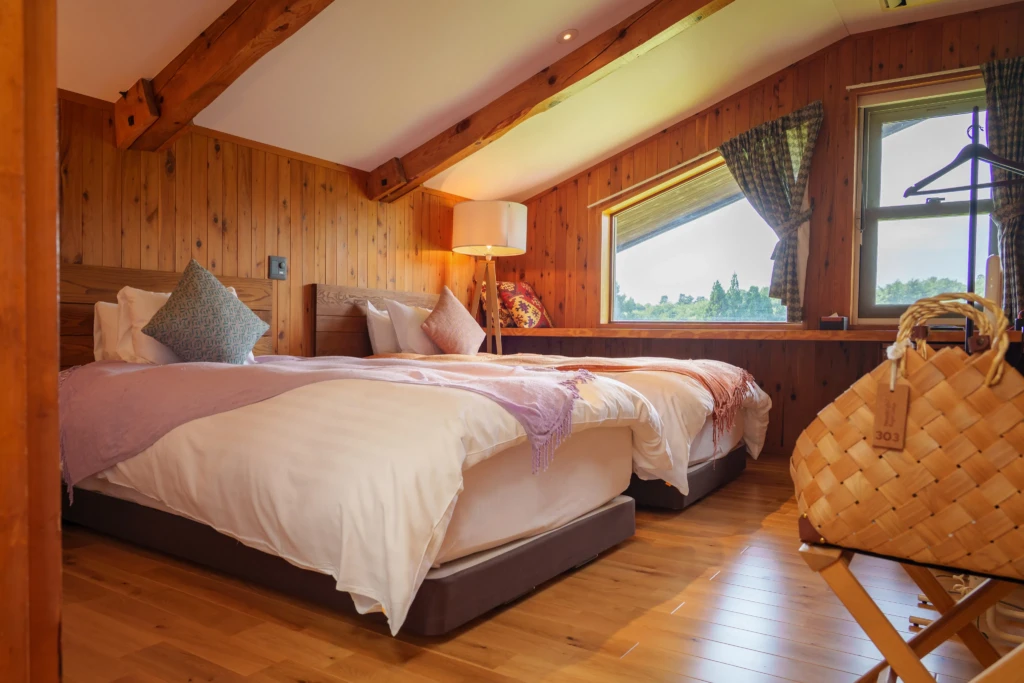
Mr. Watanabe: Returning to a natural rhythm. Waking with the sun and sleeping when it’s dark. I wanted guests to reclaim those basic, essential senses.

—Specifically, how is the space designed to achieve that?
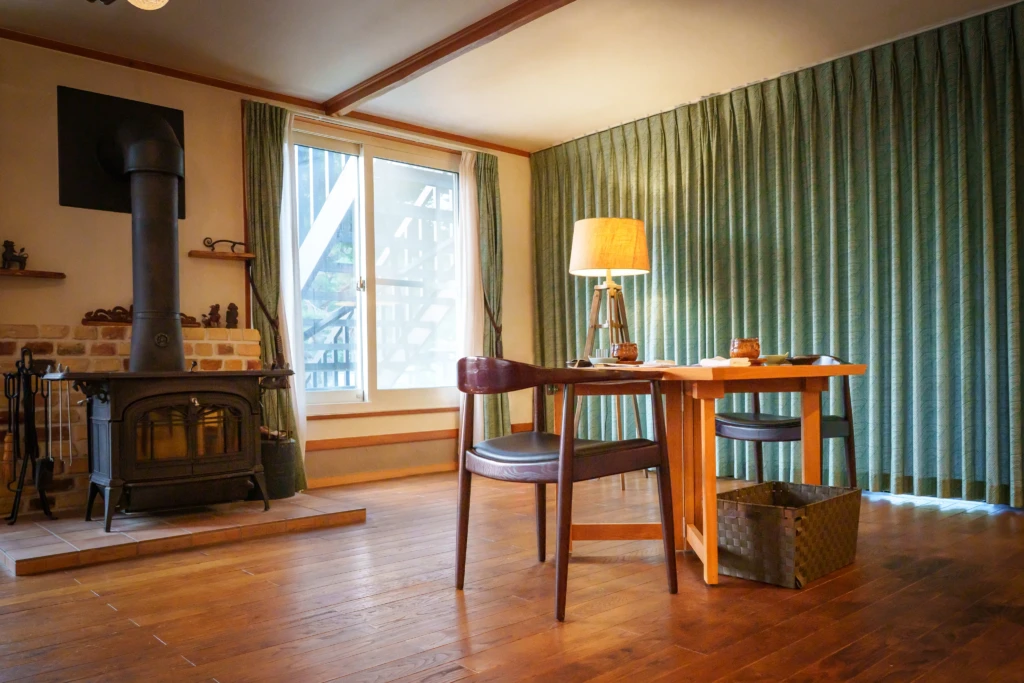
Mr. Watanabe: We designed it without televisions or clocks. I want people to be liberated from time rather than being chased by information. We even avoided blackout curtains so the morning light enters naturally.
Eating From The Land: A Local Food Philosophy
—What is your philosophy regarding the food?
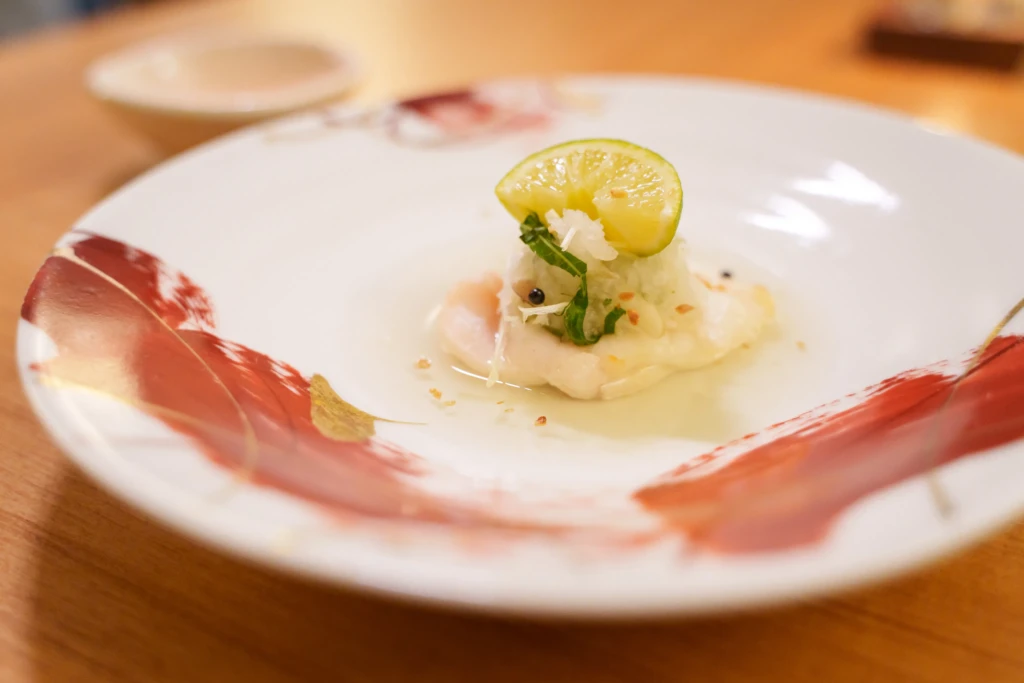
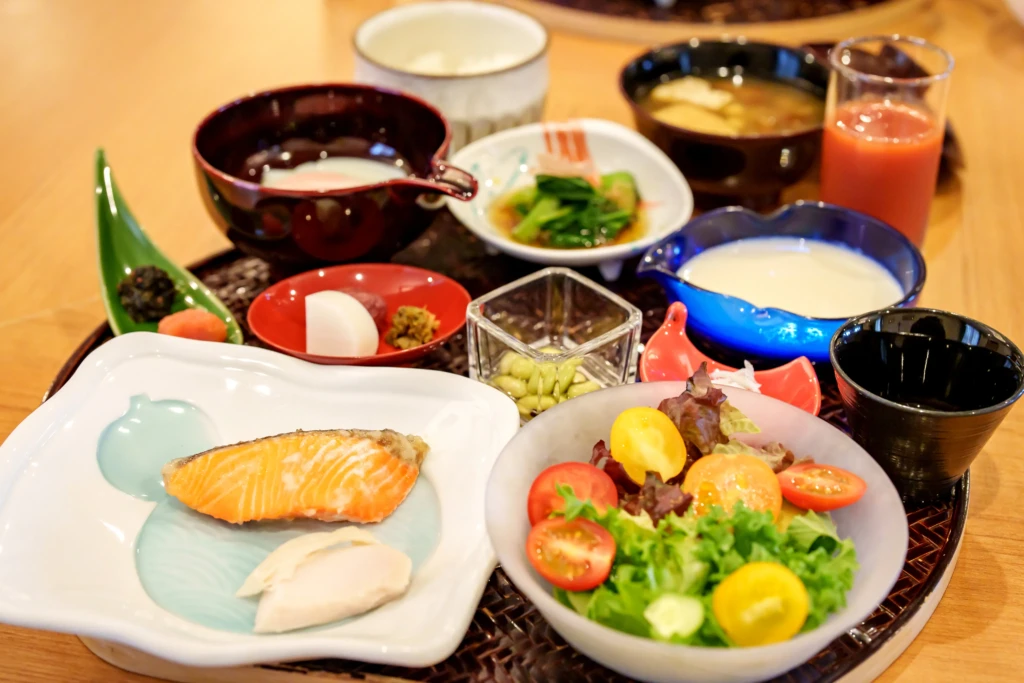
Mr. Watanabe: We source almost everything within a 16km radius. My belief is that things grown with the local water are what best suit the body in this environment. It’s an experience of eating the land itself.
—Why was it necessary to limit the sourcing so strictly to the local area?
Mr. Watanabe: Diet today relies heavily on processed foods and ingredients from far away, but here, I wanted the experience to be about “eating the land itself.” We work with local farmers and egg producers who share this same philosophy to create our meals.
A Stay For Recovery Through Food And Hot Springs
—How do you view the time spent here?
Mr. Watanabe: It’s a place for recovery. You soak in the spring, eat food that is gentle on the body, and return to daily life feeling lighter.
—What makes the onsen experience here unique?
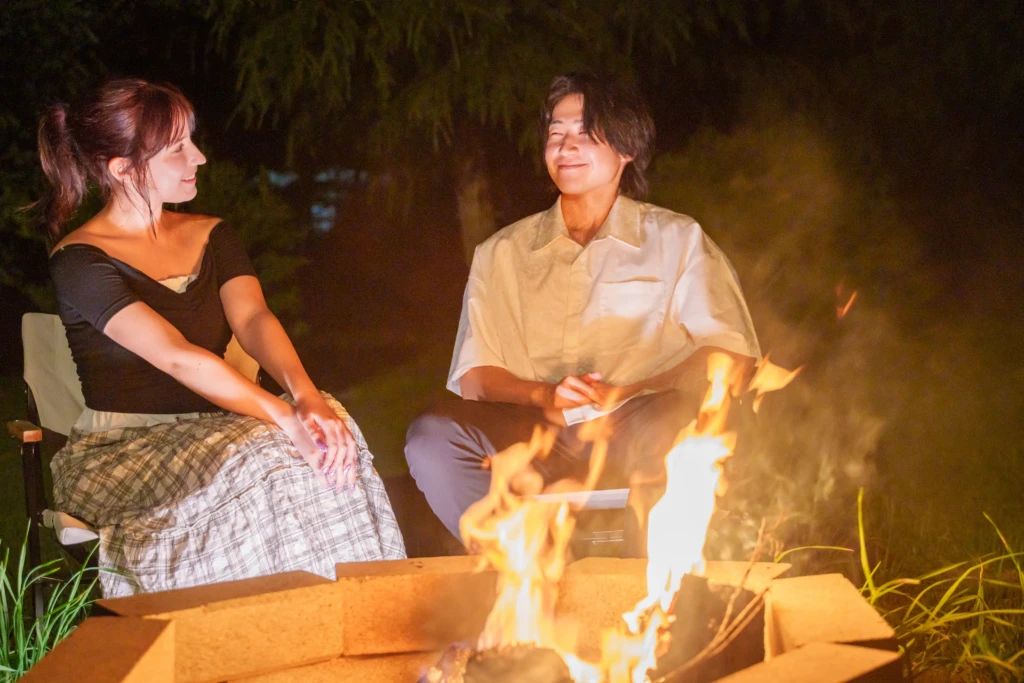
Mr. Watanabe: It is a “living” hot spring. We provide a pure, 100% natural flow directly from the source. The water is incredibly vibrant and potent, offering a level of detox and refreshment that you can only find with these fresh sulfur springs.―It must feel like returning to one’s hometown.
Numajiri Onsen: The Power Of A Living Source
—What are the characteristics of the hot springs here?
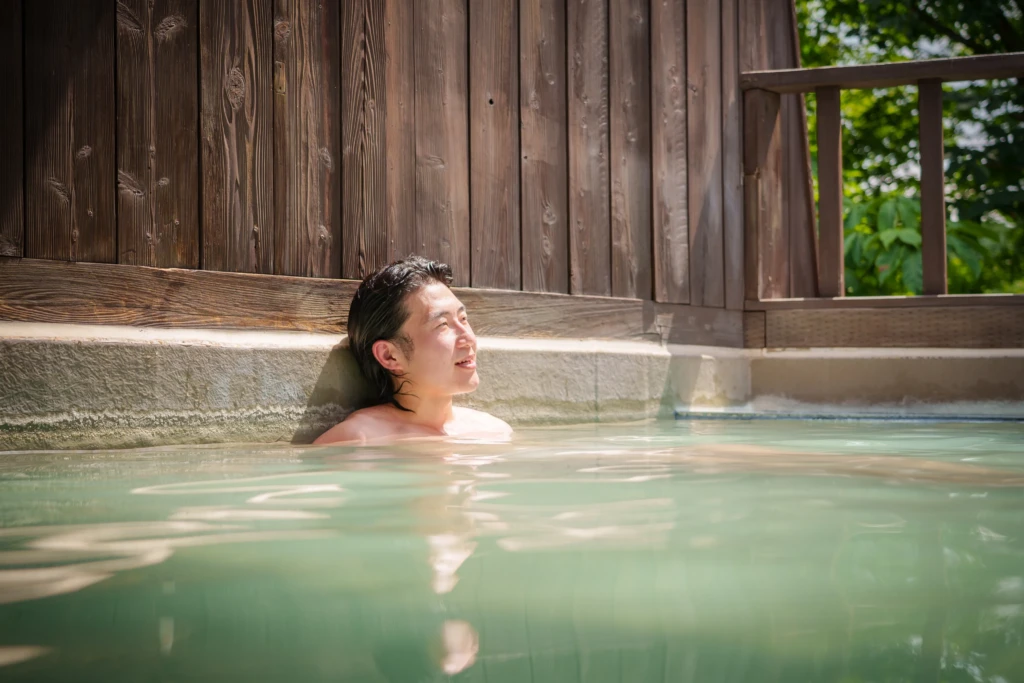
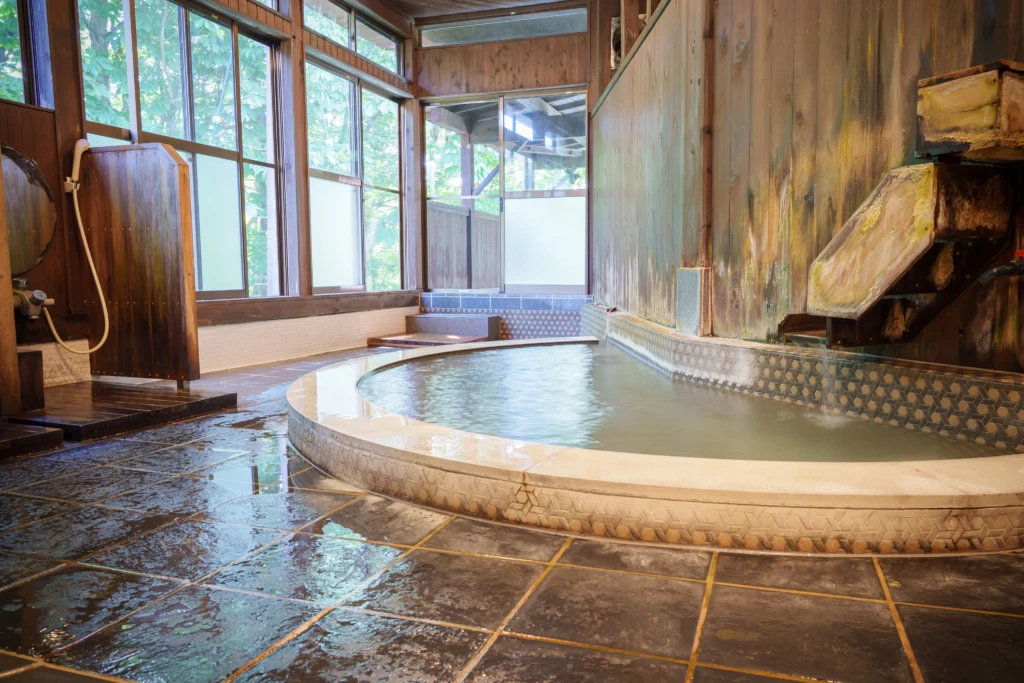
Mr. Watanabe: The source of Numajiri Onsen is highly acidic—it’s even said that this water helps purify the natural quality of Lake Inawashiro. The water travels over 7 kilometers from a source that boasts one of the highest volumes in Japan.
—What would you say is the most significant feature?
Mr. Watanabe: The fact that fresh water is constantly flowing through. It is never recirculated; it stays in its natural state. I truly believe it is a “living” hot spring.
The Extreme Onsen Perspective Found Through Mountaineering
—How did this concept come to life?
Mr. Watanabe: It was born from my own mountaineering experiences, specifically while searching for hot springs hidden deep in the mountains. I found myself drawn to those springs in locations that aren’t easily accessible to everyone.
—What is the intention behind the term “Extreme Onsen”?
Mr. Watanabe: In a world overflowing with information, I felt that just calling it an “onsen” would cause it to be buried and forgotten. I believed we needed to sharpen the experience and give it a distinct edge, which led me to this name.
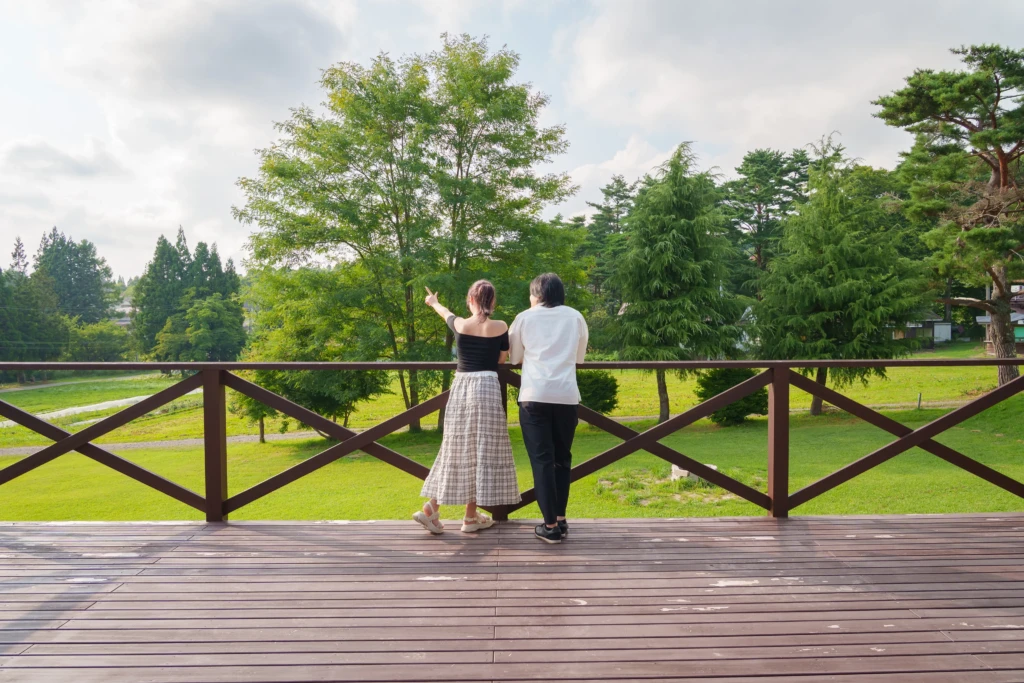
Shaping Tourism For The Future Of The Region
—How do you view the role of this lodge?
Mr. Watanabe: I believe future travel will shift from simply visiting places to making the experience itself the destination. I want this to be a place where the experience is the primary purpose of the trip.
—Finally, what do you hope to achieve through this lodge?
Mr. Watanabe: I want to make this a place where local children feel they want to grow up and live. If tourism can stand as a solid industry here, this region will become an asset for the next 100 or 200 years.
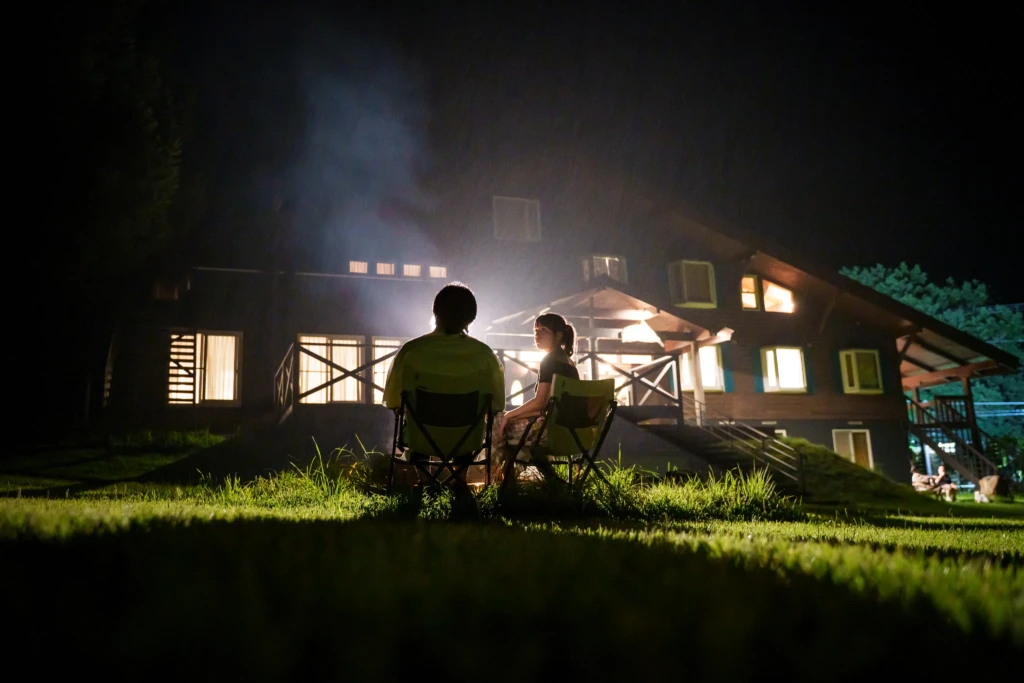
What began with a climber’s connection has become the new Numajiri Kogen Lodge. By blending natural rhythms, local food, and the raw power of the hot springs, it has been rebuilt as a place to truly experience the land. Past memories and a new vision for tourism live on here in this quiet, steady challenge.
Interviewer: Yohei Osaki
Translation: Alyssa Rossi