



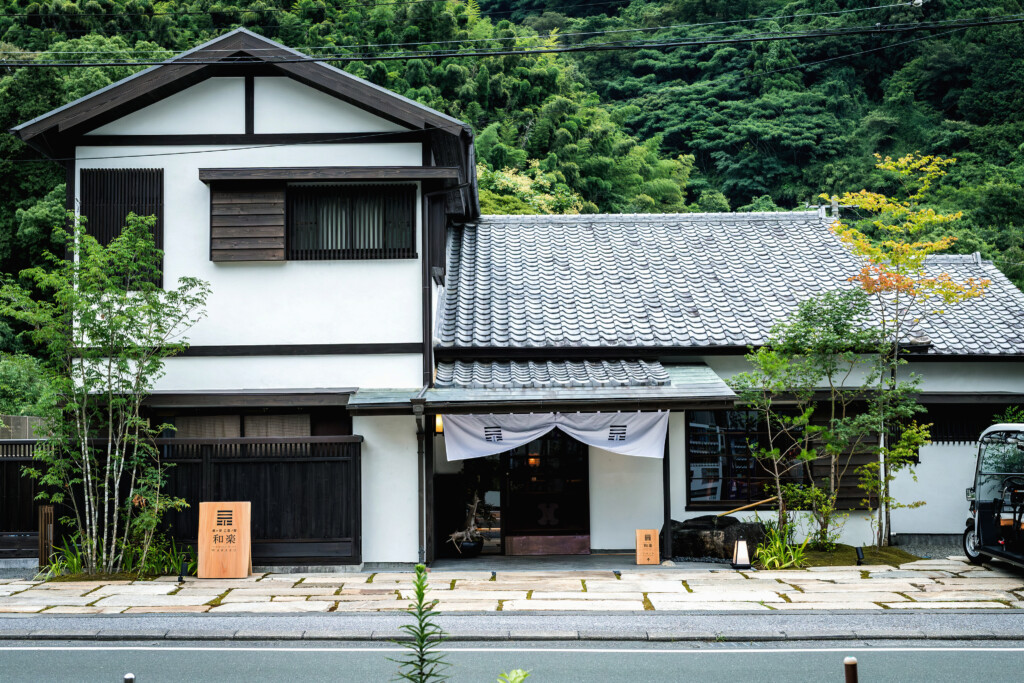
Mariko, located in Shizuoka City, once flourished as a post town on the old Tokaido road. In this land, also famous for its grated yam soup (tororo-jiru), stands “Waraku,” a one-of-a-kind inn themed around traditional craftsmanship. It is a place where guests can immerse themselves in a space renovated from an authentic old folk house, directly touching Shizuoka’s traditional crafts to reclaim the “mental margin” that modern people often forget.
We spoke in detail with Yui Nakayashiki, the manager who pours her passion into the inn’s operation, about the unique charm created by the harmony of old folk houses and crafts, the dining and spa services utilizing Shizuoka’s local materials, and the thoughts embedded in the inn.
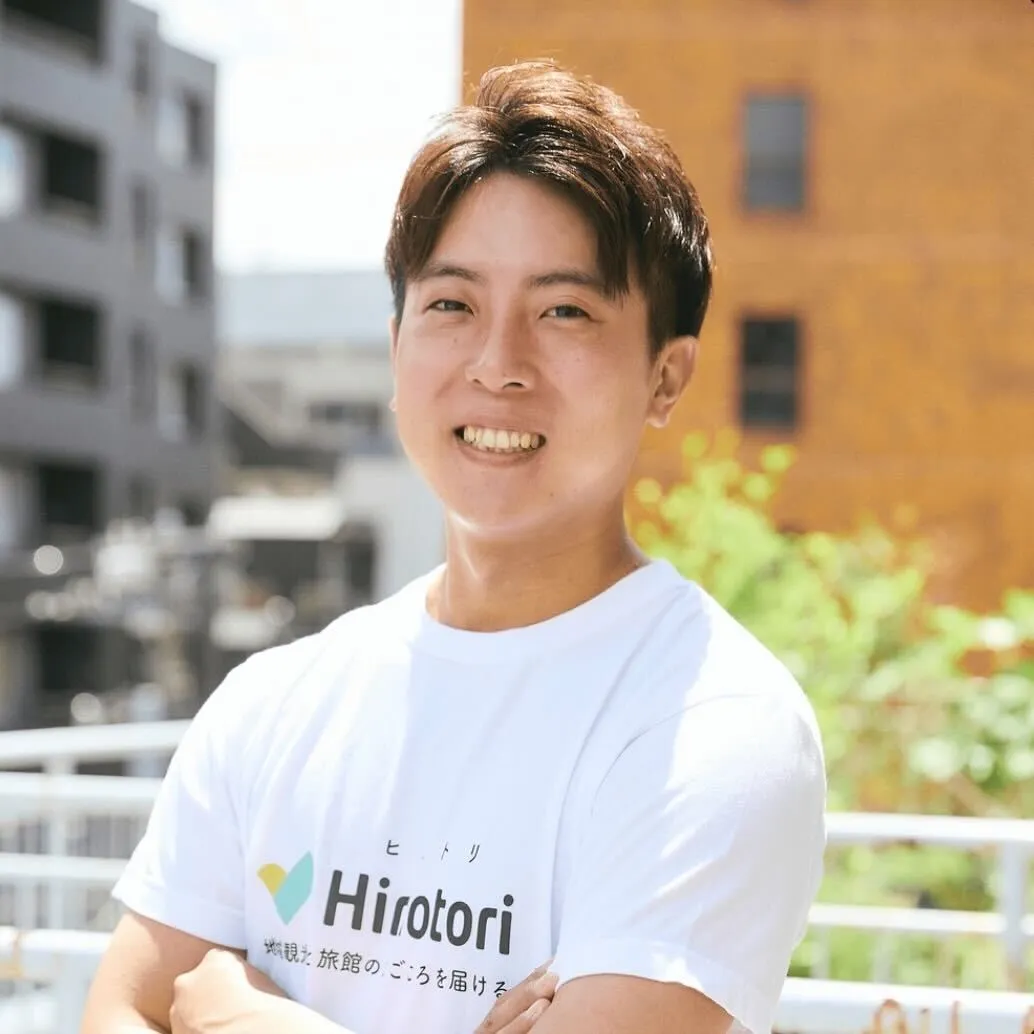
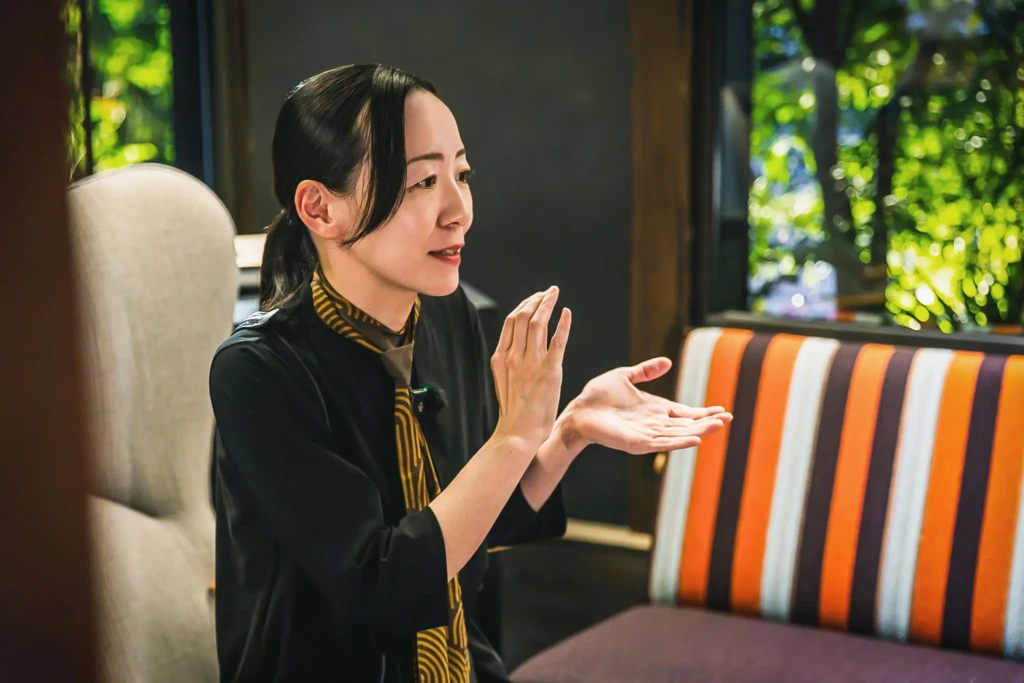
Yui Nakayashiki, Manager of Kogei no Yado Waraku
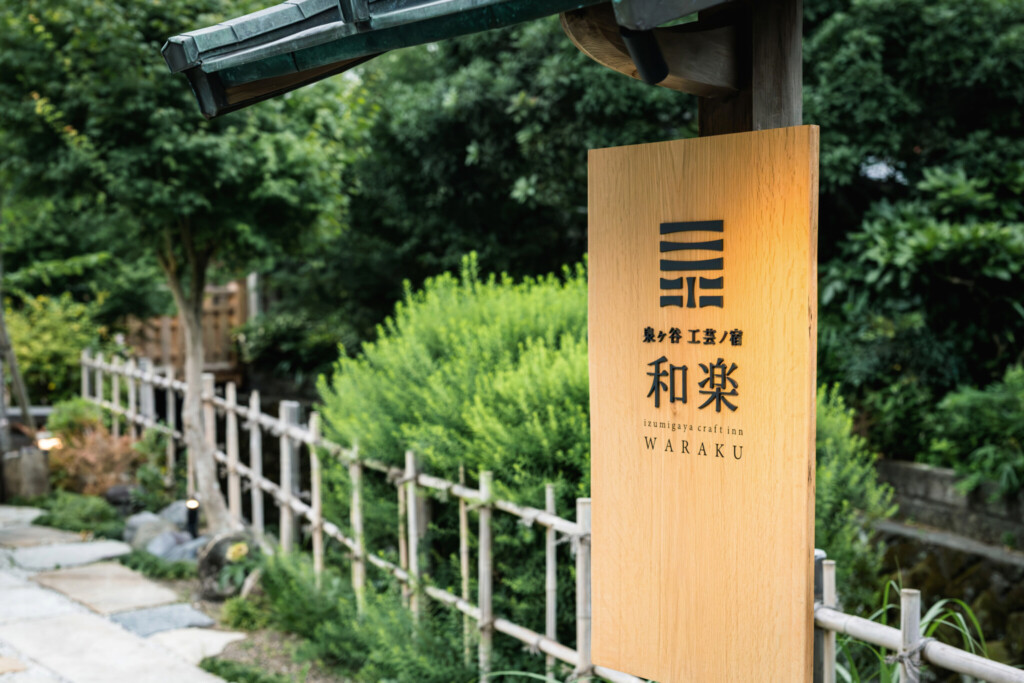
Mariko’s 8-room heritage inn
Inheriting the History of a Folk Craft Shop: Transitioning to a Form of “Accommodation” Coexisting with Craftsmanship
— First, please tell us how Waraku came to be.
Ms. Nakayashiki: Originally, this site was a dining hall, and the adjacent annex had a history as a folk craft shop and a children’s cafeteria. When the owner of the folk craft shop retired, our company purchased the building and renovated it; that was the beginning.
— There is also the large-scale experience facility “Sunpu no Kobo Takumishuku” next door.
Ms. Nakayashiki: Yes. While managing Takumishuku, we positioned this inn as a base not only to be an experience facility but also to revitalize the entire region and allow guests to experience craftsmanship more deeply. The name of the inn was also inherited from the former folk craft shop, “Waraku”.
Finding “Margin Time” Surrounded by Suruga Take Sensuji Zaiku
— As an inn where one “experiences craftsmanship,” what specific commitments do you have?
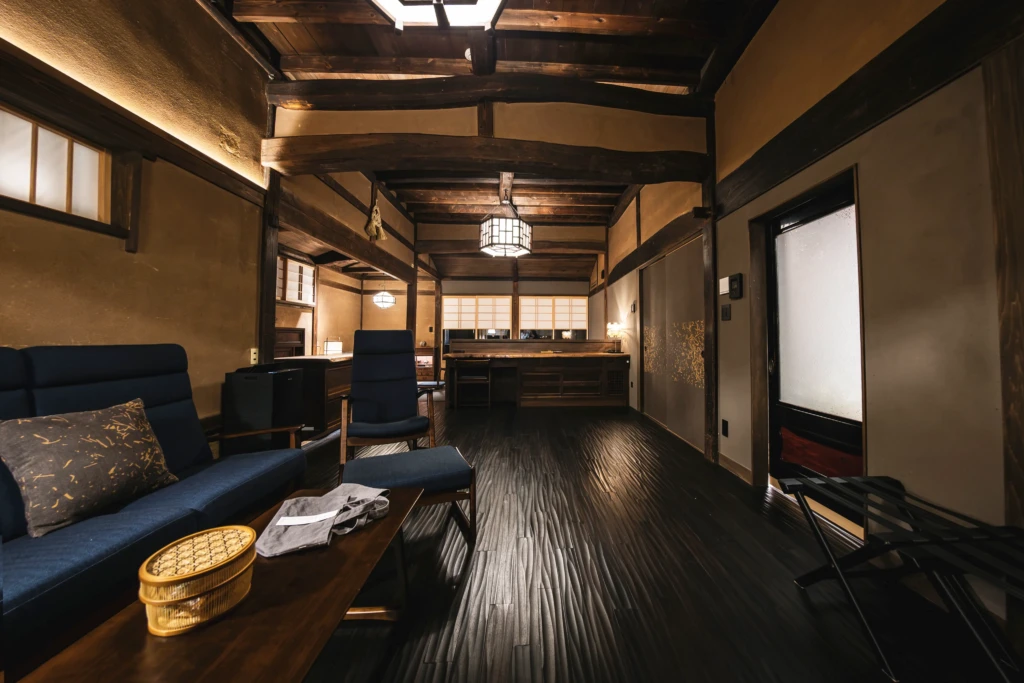
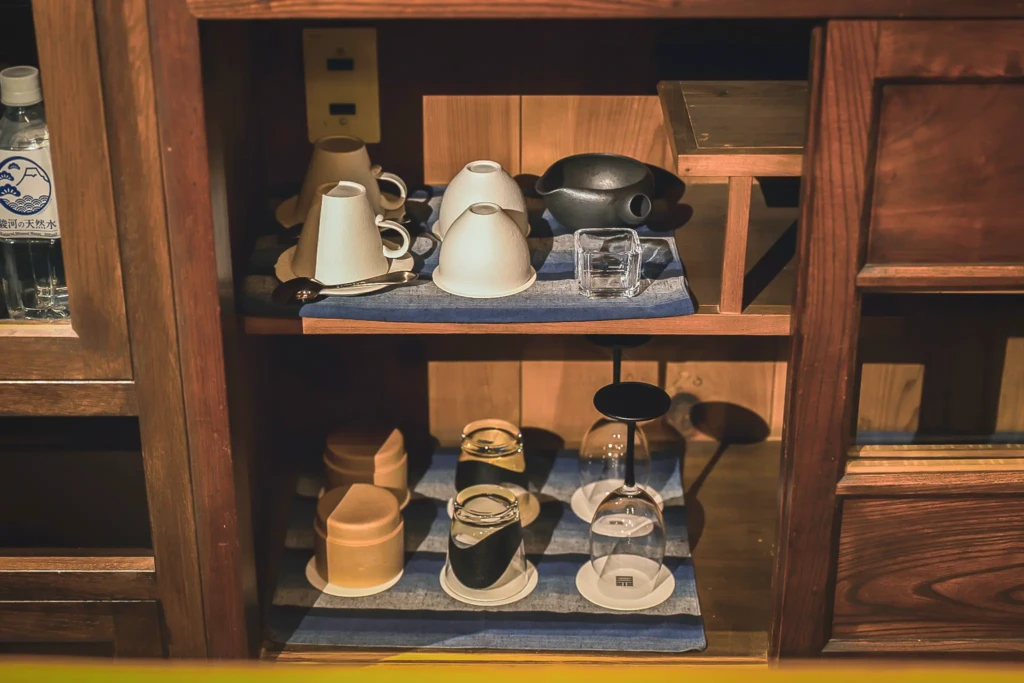
Ms. Nakayashiki: The concept is “to have guests touch Shizuoka’s crafts through staying in an authentic old folk house”. In the guest rooms, we have incorporated lighting, confectionary bowls, and trays made of “Suruga Take Sensuji Zaiku” (Suruga bamboo latticework).
— They are not just for display; they can actually be used.
Ms. Nakayashiki: That’s right. Craft items are originally made with a great deal of time and effort. We want busy people of the modern era to face craftsmanship within the slow flow of time in an old house and find their own “margin time”.
The Aesthetics of Enjoying Inconvenience Combined with “Modern Comfort” through Saunas and Spas
— While it has the charm unique to an old folk house, the facilities are very modern.
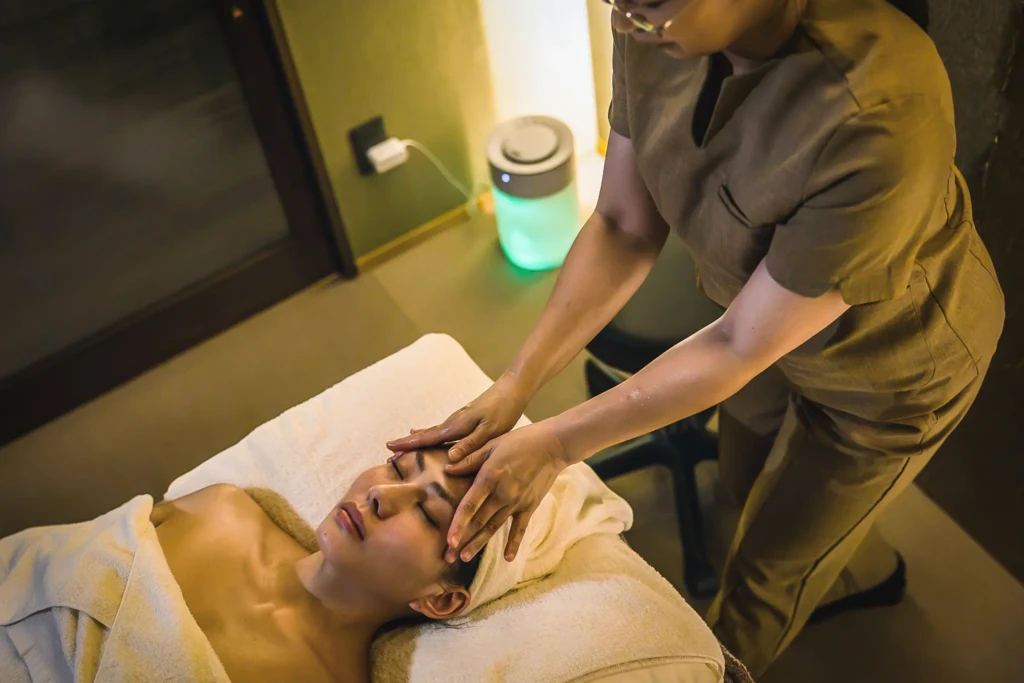
Ms. Nakayashiki: Japanese houses inevitably have “inconveniences,” such as many steps or light not reaching every corner. However, that is also part of the charm. On the other hand, because it is an inn, we have integrated modern features like the latest saunas and underfloor heating to ensure guests can stay comfortably.
— The “Tea Spa” is a service very characteristic of Shizuoka.
Ms. Nakayashiki: We offer oil massages using Shizuoka tea components and hand massages using tea seeds. Additionally, from the bath in the building named “Fukisara”—which was relocated and reconstructed—guests can enjoy views of the local mountains (satoyama) and tea plantations.
Blessings of Suruga Bay and Mariko Traditions: The Joy of Food for All Five Senses
— Regarding dining, you also seem to value the connection with the local community.
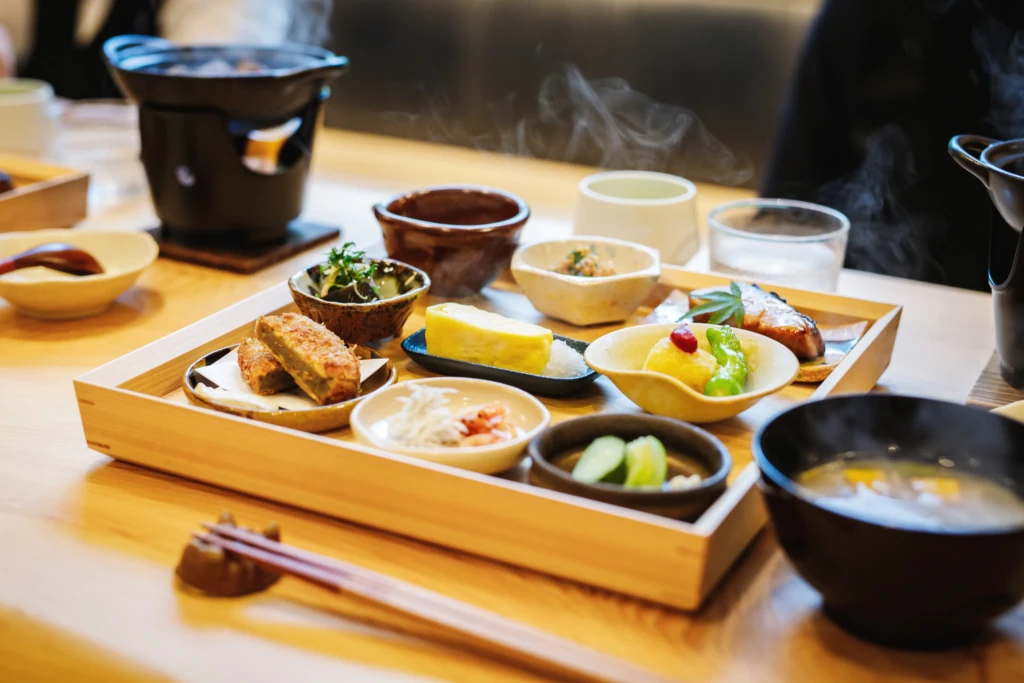
Ms. Nakayashiki: For dinner, we partner with the nearby restaurant “Simples”. Guests can enjoy French cuisine that simply yet luxuriously utilizes local ingredients, such as deep-sea fish from Suruga Bay. For breakfast, we focus on local vegetables and include Shizuoka specialties like oden.
— This area is also famous for grated yam soup (tororo-jiru) and honey.
Ms. Nakayashiki: Yes. Mariko has many famous tororo-jiru shops, and there are also Mariko tea and delicious honey. By stepping out of the inn to experience the local food culture and craft experiences at Takumishuku, we have created a system where guests can enjoy the entirety of a day in Mariko.
Bringing Craftsmanship into Daily Life: A “One-of-a-Kind” Inn Connecting to the Future
— Finally, please give a message to those who will visit in the future.
Ms. Nakayashiki: Traditional crafts are often thought of as “things of the past,” but there are many wonderful items that can be incorporated into modern daily life. I would be delighted if guests encounter crafts here and bring them home to include in their daily routines.
— What does Waraku mean to you, Ms. Nakayashiki?
Ms. Nakayashiki: I am constantly thinking about how to apply tradition to the modern era through my daily dialogues with artisans. It might be a slightly inconvenient environment without a TV, but that is exactly why you can savor the “luxury of doing nothing”. Please spend a rich time away from daily life at this one-of-a-kind inn.
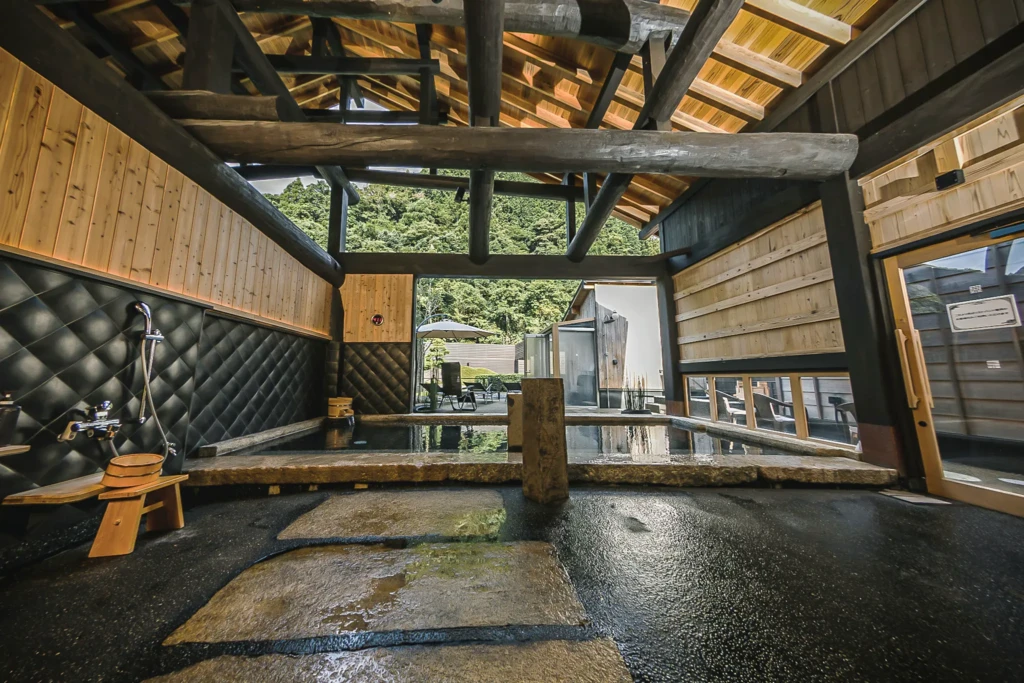
Waraku stands quietly in the peaceful air of Mariko. Stepping inside, guests are greeted by the shadows of sophisticated bamboo work and the warmth of old timber. Touching the handiwork of artisans, being healed by the scent of tea, and gazing at tea plantations—a stay here transcends mere accommodation and serves as an entrance to a “life with craftsmanship” that richly colors our daily lives.
Waraku
View Details