



What comes to mind when you think of traveling to Shizuoka?
Mt. Fuji, green tea fields, and hot springs are some of the prefecture’s most famous attractions. But just a short trip from Shizuoka Station, there is a small seaside town where you can enjoy a different kind of journey—one that is less about sightseeing and more about experiencing everyday life.
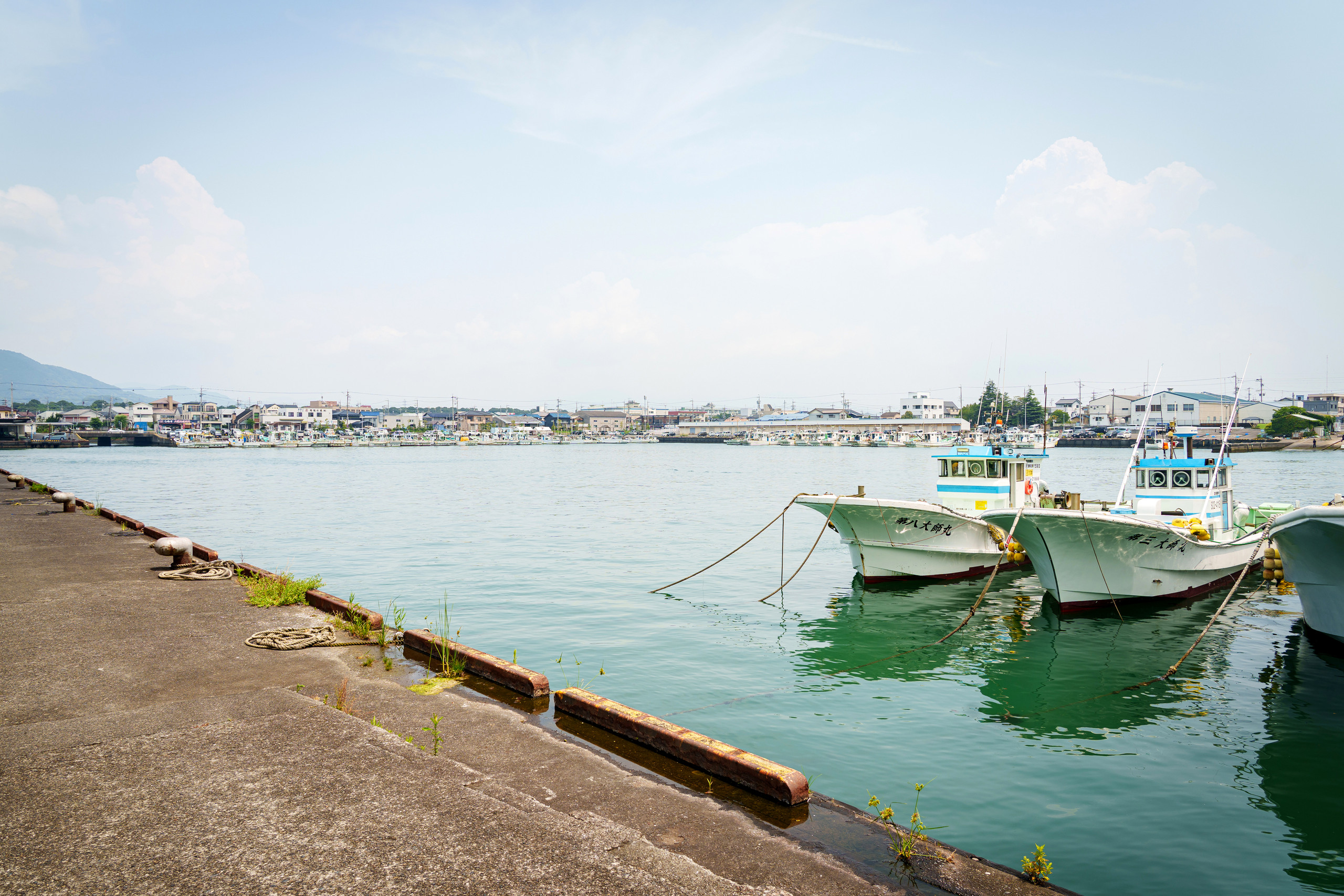
Mochimune is a small port town in the southwestern part of Shizuoka City.
Walk along the coast and you can feel the sea breeze, while fishing boats line the harbor. Traditional houses still remain throughout the neighborhood, but newer places have also appeared, including a natural hot spring and a local craft beer brewery. Here, the nostalgic atmosphere of an old fishing town blends naturally with new ways to enjoy the area.
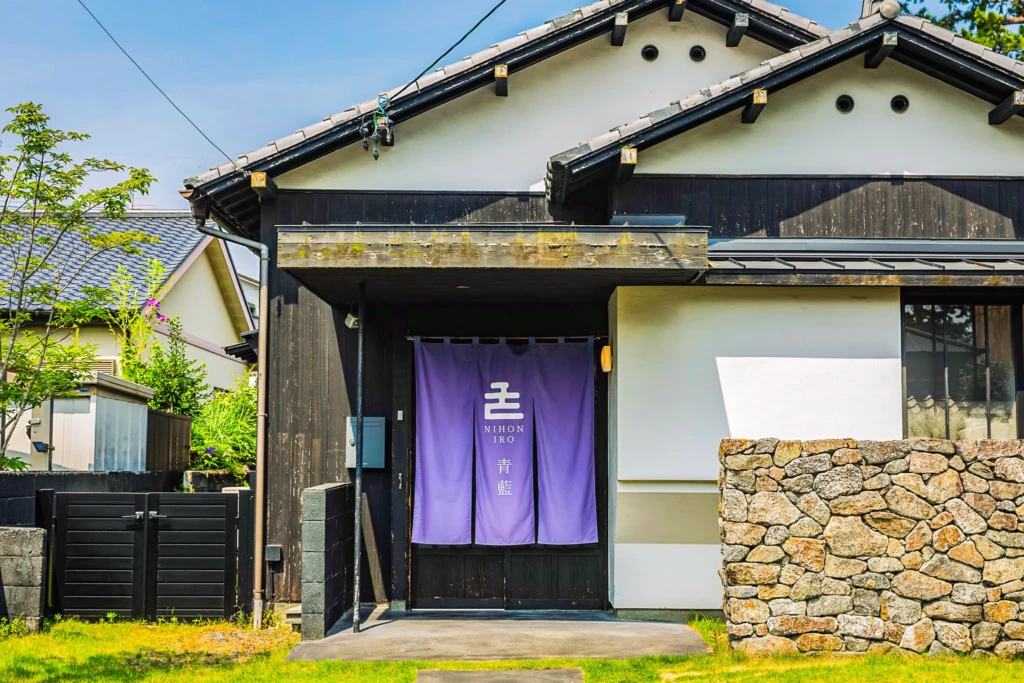
For this trip, I stayed at NIHON IRO, a collection of private rental houses located throughout Mochimune.
NIHON IRO renovates traditional Japanese houses and offers each one as an entire private accommodation. Instead of simply staying in a hotel room, you have a whole house that becomes your home during your trip.
After enjoying Shizuoka tea and yokan, a traditional Japanese sweet, in the house, I took a walk by the sea and headed to a nearby hot spring on foot. After the bath, I enjoyed craft beer brewed right here in Mochimune. In the evening, I returned to the traditional house for a charcoal-grilled dinner. The next morning, a local woman came to the house and prepared breakfast for us.
Looking back, this trip was not about visiting one famous tourist attraction. Instead, walking through the neighborhood, tasting local food and drinks, and spending the day almost as if I lived there became the experience itself.
Rather than simply “staying somewhere,” it felt like having another home in a town I had never known before.
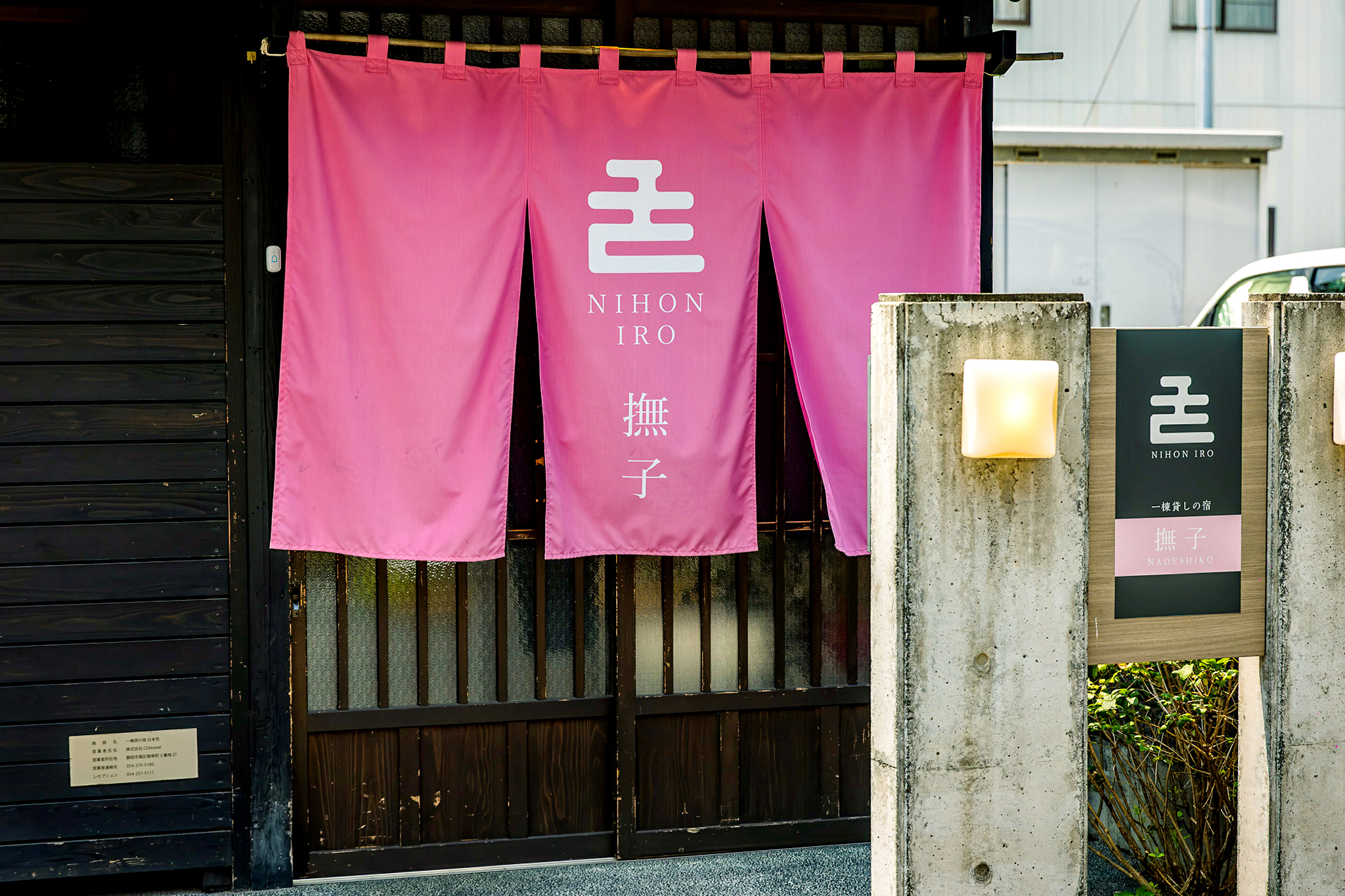
In this article, I will share a day in Mochimune, using Nadeshiko, one of NIHON IRO’s renovated traditional houses, as my base while enjoying the sea, hot springs, and local food.

3:00 PM | Check-In: Staying in a Traditional House Like a Local
At 3:00 PM, I checked in and headed to Nadeshiko, the house where I would be staying. The first thing I noticed when I opened the door was how spacious it felt. The ceilings were high, and the interior was beautifully maintained. At the same time, it did not feel perfectly uniform like a newly built hotel. Traditional details remain in the windows, doors, and other parts of the house, giving it the special character of an old Japanese home. My first thought was that it had the same comforting feeling as visiting my grandmother’s house.
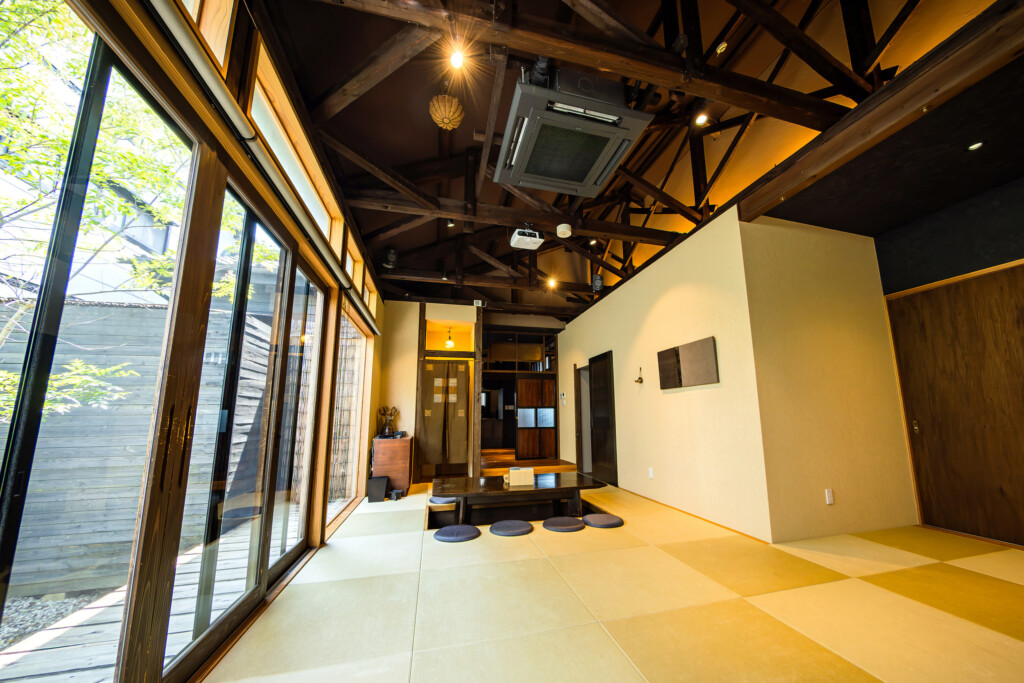
Of course, the kitchen, appliances, bathroom, and other facilities have been updated for modern life, so the house is very comfortable and convenient. Still, the building has kept its nostalgic atmosphere. Even though it was my first time there, I quickly felt at home.
On the first floor, there is a spacious living and dining area with a large TV and sofa. The dining area also has plenty of space, and the large refrigerator is useful if you pick up drinks or food while exploring the town.
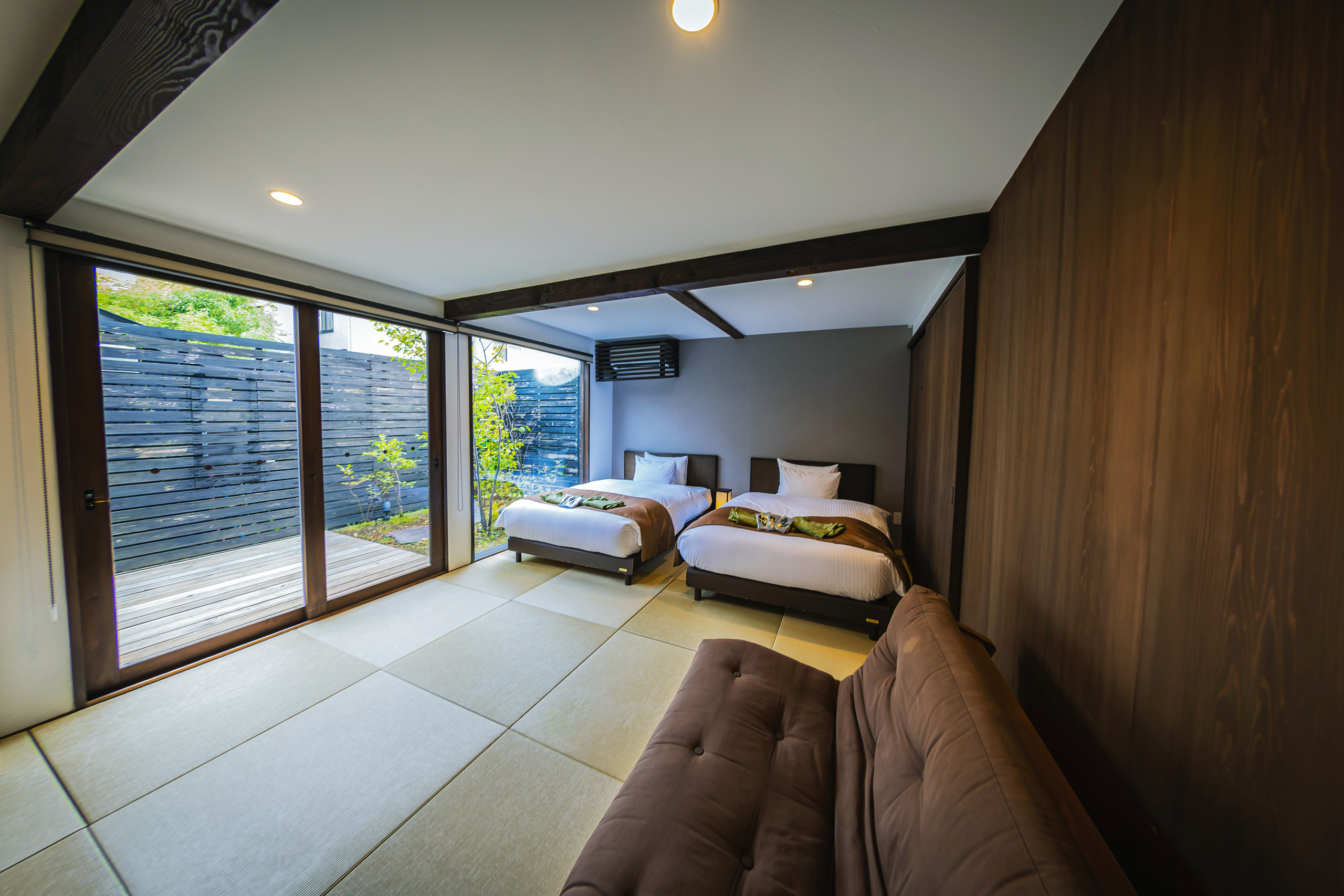
Upstairs, there is a large room with traditional tatami flooring. It has a different, quieter atmosphere from the open living room downstairs. It is a comfortable place to relax in the evening, talk about the day, or look through the photos you took.
At a hotel, you usually spend most of your time in a single guest room. Staying in an entire house gives you more freedom. You can listen to music in the living room, enjoy a meal at the dining table, or relax on the tatami upstairs, choosing a different space depending on your mood.
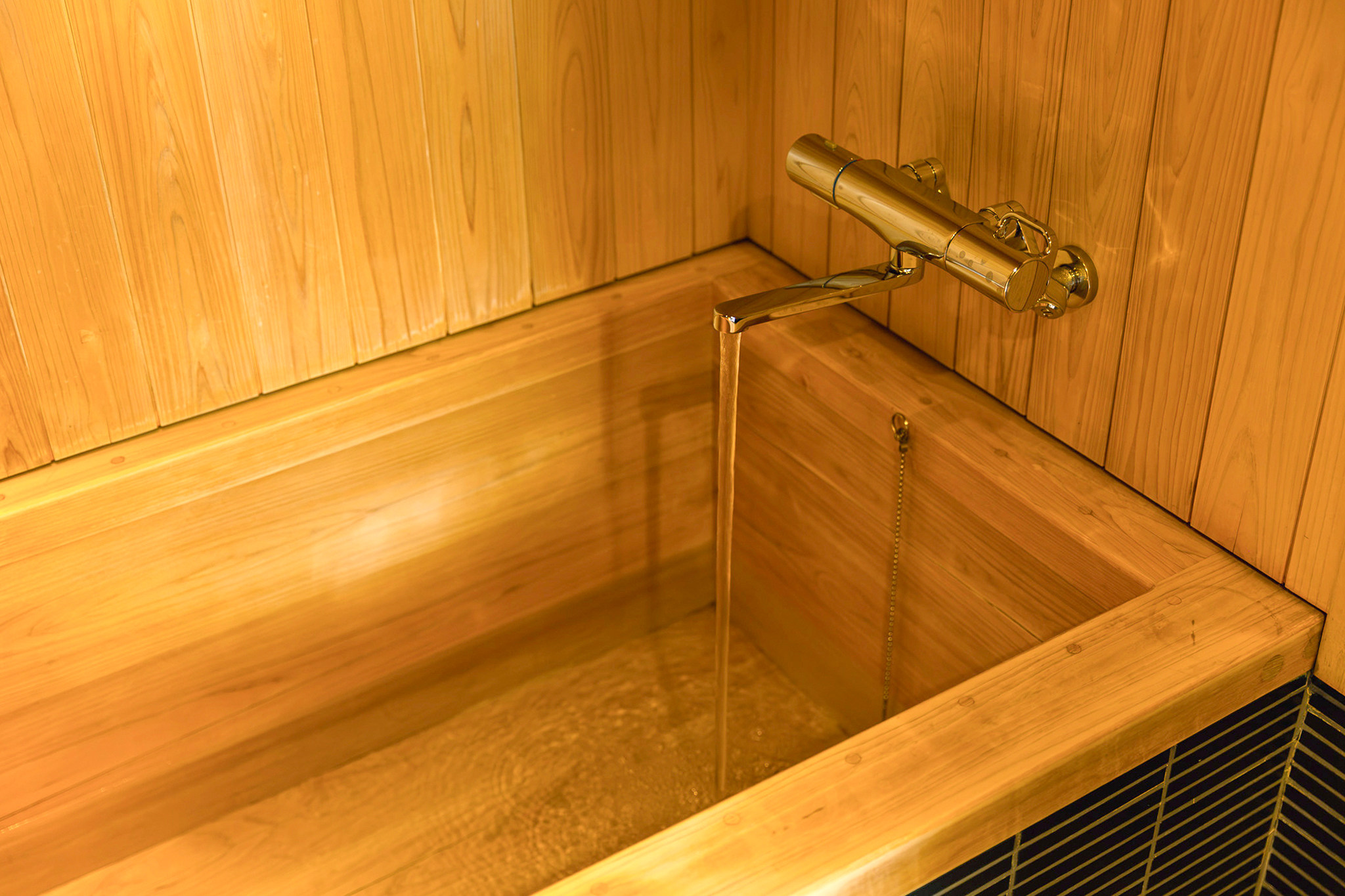
Nadeshiko also has a hinoki cypress bath, as well as a shower. Visiting Mochimune Minato Onsen, the local hot spring, is one of the highlights of staying in the area. But having a private bath in the house is also convenient when you are tired from traveling or simply want to warm up and relax again at night.
Each NIHON IRO house has its own layout, facilities, and atmosphere, and not every house has a hinoki bath. This is also part of what makes NIHON IRO interesting. Instead of staying just once, you can choose a different house on your next visit and enjoy a completely different experience even within the same accommodation.
3:30 PM | A Short Break with Green Tea and Yokan
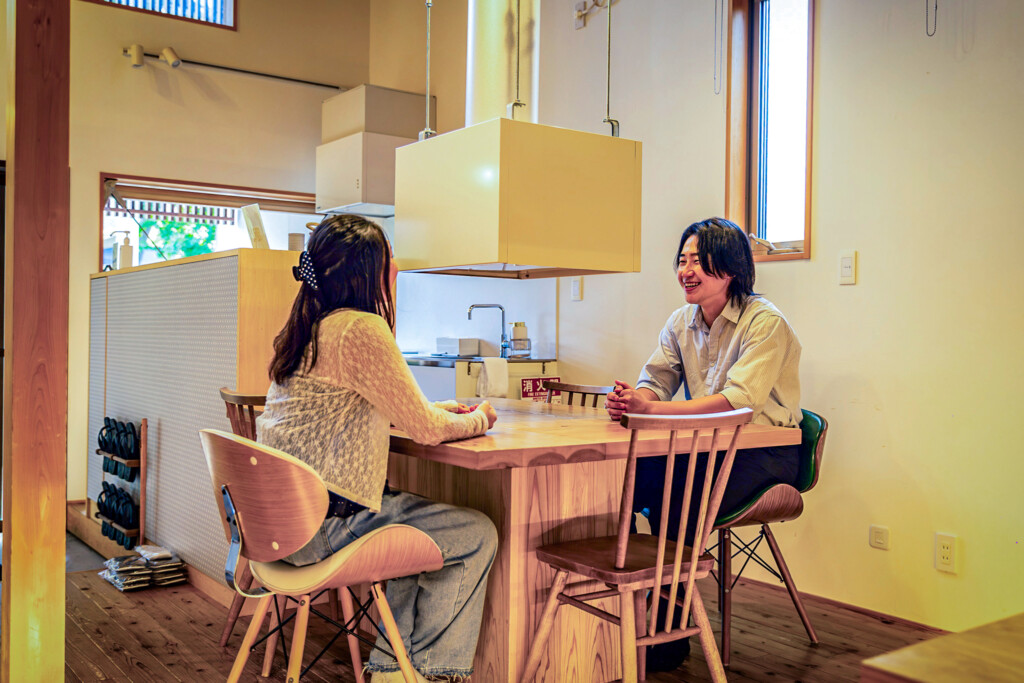
After looking around the house, I decided to take a short break in the living room. Shizuoka green tea was provided in the room, along with yokan, a traditional Japanese sweet made from red bean paste.
The yokan is made by Maeda Kinzaburo Shoten, a company based in Shizuoka City. Each yokan is given a name that matches one of the NIHON IRO houses, making it a small but thoughtful part of the experience.
I boiled some water, made a cup of green tea, and enjoyed it with the yokan. After the gentle sweetness of the yokan, the slight bitterness of the green tea left a clean and refreshing taste.
When I arrive somewhere new, I often want to head outside right away, thinking that I should make the most of my trip. But this time, I sat down on the sofa in the traditional house and started with a warm cup of tea. It was a simple moment, but I could feel myself slowly relaxing after the journey.
It felt a little different from having a welcome drink at a hotel. It was more like arriving at your own home and making yourself a cup of tea. And with that quiet, everyday moment, my stay at NIHON IRO began.
4:00 PM | Discovering Mochimune on a Walk by the Sea
After taking a short break, I decided to go for a walk around Mochimune. If you stay at NIHON IRO, I recommend leaving some free time in your schedule to simply wander around the town without making too many plans.
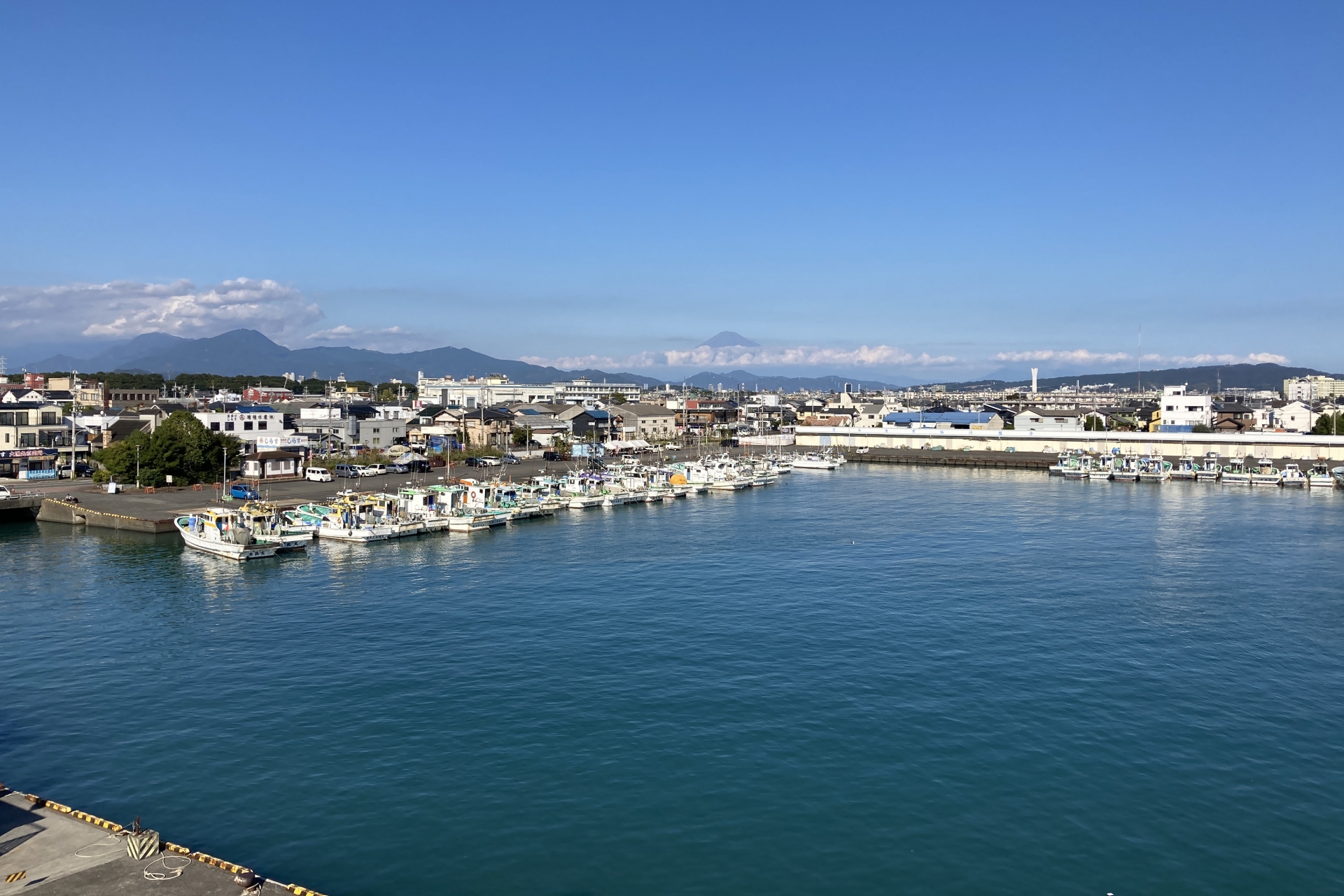
The seaside is just a short walk from the house. After walking for a few minutes, the view opens up and the ocean stretches out in front of you. I took my time walking along the coast, stopping whenever a view caught my attention to take a photo. Since I was not heading toward any particular tourist attraction, there was no need to watch the clock or worry about where I had to go next.
I walked while looking out at the sea and turned down small streets whenever something caught my eye. This kind of relaxed, unplanned walk feels especially fitting in Mochimune.
Mochimune is not a major tourist destination, and that is part of its charm. Unlike crowded sightseeing areas, it still feels like an everyday port town where local life continues at its own pace. As I walked, taking photos of the ocean and traditional houses, time seemed to slow down naturally.
I was not doing anything particularly special. Still, there was something surprisingly relaxing about stepping away from my usual routine and simply walking by the sea with nowhere in particular to go.
5:00 PM | A Soak in Mochimune’s Hot Spring After Walking Around the Port Town
After walking around town and working up a light sweat, I headed to Mochimune Minato Onsen. One of the great things about staying at NIHON IRO is being able to go straight to the hot spring after exploring the neighborhood. Even better, NIHON IRO guests can use Mochimune Minato Onsen for free as many times as they like during their stay.
The hot spring is about a seven-minute walk from the house. A tuk-tuk shuttle service is also available, but this time, I decided to walk so I could enjoy a little more of the town along the way.
Mochimune Minato Onsen offers natural hot spring water pumped from 1,000 meters underground. The water has a pH of 8.3 and is mildly alkaline, with sodium and calcium chloride. It is said to help keep the skin warm and moisturized, while also helping remove dead skin cells and impurities. In addition to the natural hot spring baths, the facility has a high-concentration carbonated bath, sauna, cold bath, and an outdoor relaxation area.
The sauna is spacious, and after working up a good sweat, you can cool down in the cold bath and then step outside to relax in the fresh air. The outdoor bath area also has a spot called Fujimi Goya, where you may be able to see Mt. Fuji when the weather is clear.
After walking so much, simply sinking into the large bath felt like the perfect way to let the tiredness of the day slowly fade away.
Another detail I found especially convenient was that there was no need to bring towels from the house. NIHON IRO guests can borrow both bath towels and face towels, so you only need to bring a change of clothes and anything else you may need.
Going to a hot spring while traveling can sometimes mean carrying extra things with you. Here, it felt much simpler: bring a change of clothes, walk to the neighborhood hot spring, freshen up, and then head back “home.” This simple routine was another part of what made staying at NIHON IRO feel so special.
6:30 PM | Craft Beer at WCB After the Hot Spring
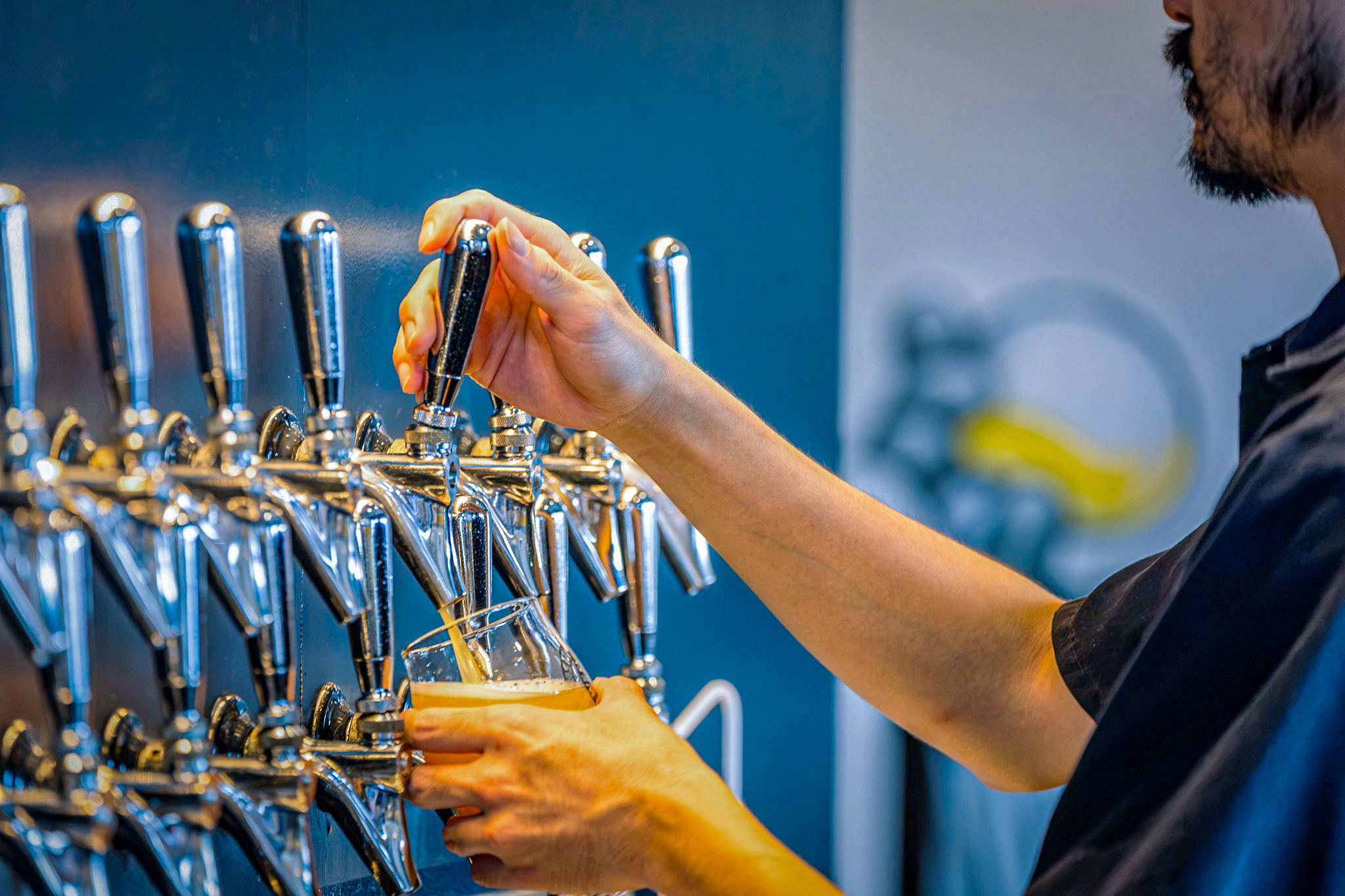
After relaxing at the hot spring, I headed straight to West Coast Brewing (WCB). Mochimune is home to a craft beer brewery where you can enjoy a wide variety of locally brewed beers. Being able to have a local craft beer right after a hot spring bath is a great way to spend the evening.
For beer lovers, this alone could be one of the reasons to visit Mochimune. One of the fun things about craft beer is how different each type can be, from its aroma and bitterness to its sweetness. If you already know what you like, you can choose a beer that matches your taste. If not, trying a few different styles and finding your favorite can be part of the experience.
This time, I chose a refreshing craft beer with citrus flavors. After warming up in the hot spring and sauna, its fresh aroma and light, crisp taste felt especially refreshing.

Drinking a beer made in Mochimune while actually being in Mochimune may sound simple, but enjoying something local in the place where it was made can make it feel much more special.
The WCB Mochimune taproom is open until 10:00 PM, with last orders at 9:00 PM. If you relax for too long after dinner, you may not make it in time. So, if you are staying at NIHON IRO, I recommend stopping by after the hot spring and before dinner.
7:30 PM | Back at the Traditional House for a Charcoal-Grilled Dinner
After enjoying some craft beer, I returned to Nadeshiko for dinner. When I opened the door, it strangely felt less like I was returning to my accommodation and more like I was coming home.
For dinner, we grilled meat, dried fish, and vegetables ourselves over a shichirin, a traditional Japanese charcoal grill. The staff prepared the charcoal before our scheduled dinner time, so once we sat down, we could simply start grilling whatever we wanted.
As soon as we placed the meat over the charcoal, it began to sizzle and a delicious smoky aroma filled the room. We found ourselves asking, “Is this ready yet?” and talking about what to grill next. Unlike at a restaurant, where a finished dish is brought to your table, here, the time spent cooking together was part of the dinner experience.
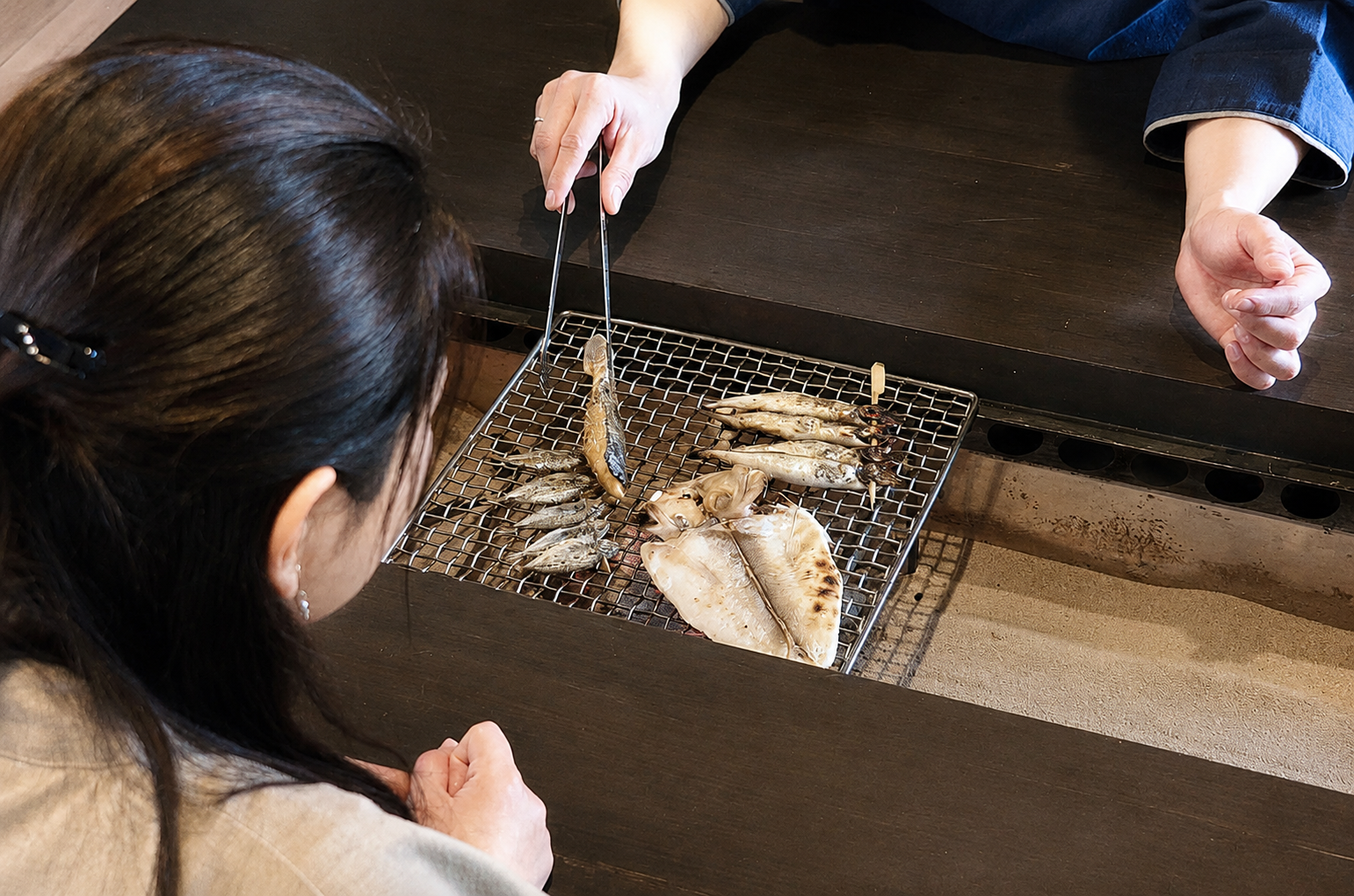
The meat was especially memorable. It was incredibly tender so soft that it almost felt like it required no chewing at all. The dried fish was full of flavor and paired perfectly with a drink. Each piece of vegetable was large and fresh, and grilling them over charcoal gave the outside a smoky flavor while keeping their natural sweetness inside.
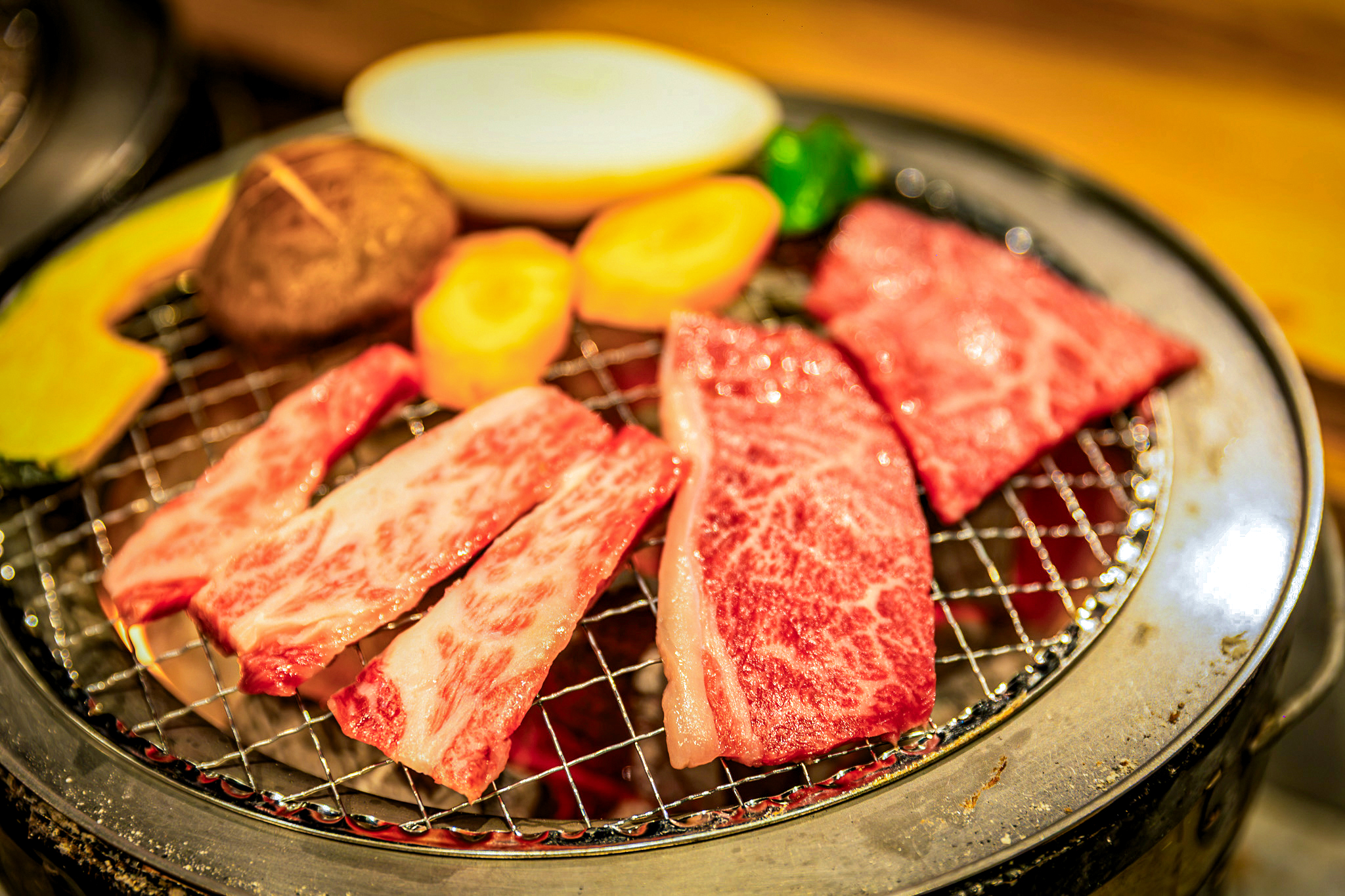
The ingredients also have strong connections to the local area. The additive-free dried fish comes from Kaneichi Himono, located right by the Mochimune coast. The meat comes from Hanashiro, a butcher shop in Shizuoka, while the vegetables are sourced from Super Osada, a local supermarket familiar to residents of Suruga Ward. The meal is served with Shizuoka-grown Koshihikari rice prepared by Maeda Rice Shop in Mochimune.
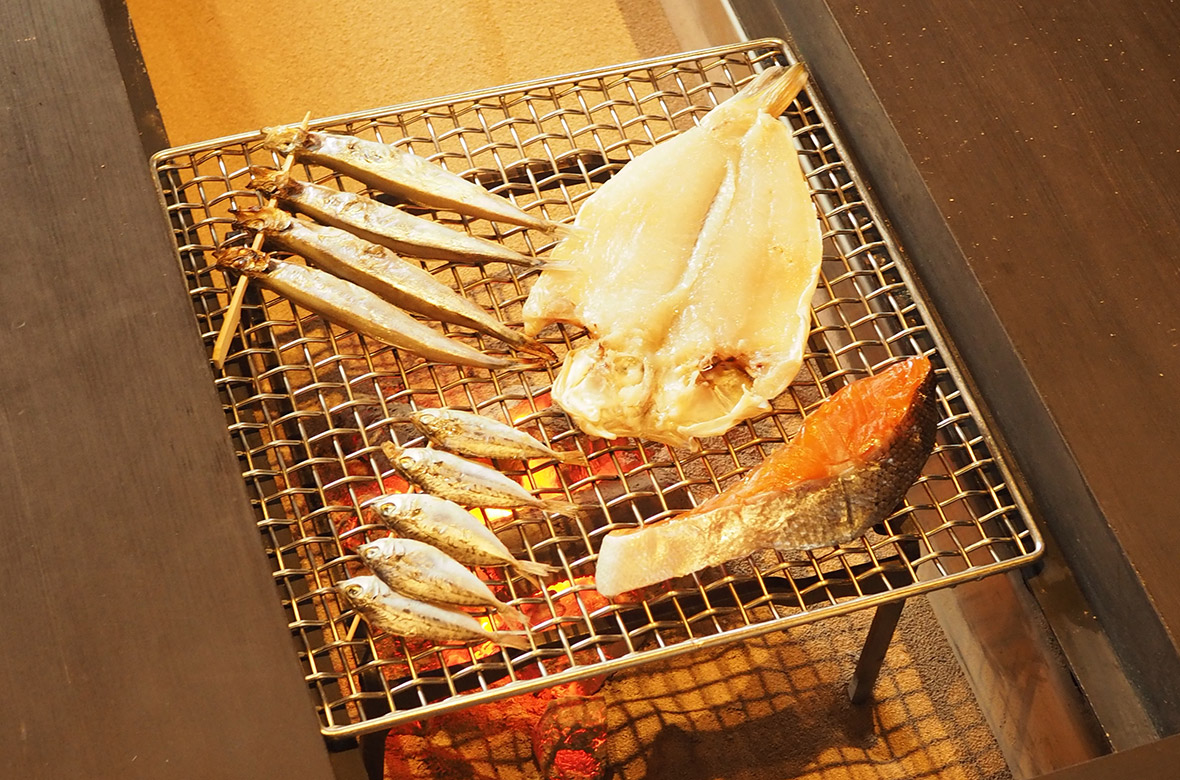
It was not only about eating local ingredients, but also about grilling and enjoying them ourselves inside a traditional Japanese house.
As we sat around the charcoal grill, eating and talking, the comforting feeling I had when I first entered the house, the feeling of being at my grandmother’s home became even stronger. Even though it was my first time there, there was something nostalgic about it.
Of course, the food itself was delicious. But what made the dinner especially enjoyable was the entire experience: sitting together around the charcoal fire, cooking at our own pace, and having plenty of time to talk.
8:45 PM | Taking Fireworks to Mochimune Beach at Night
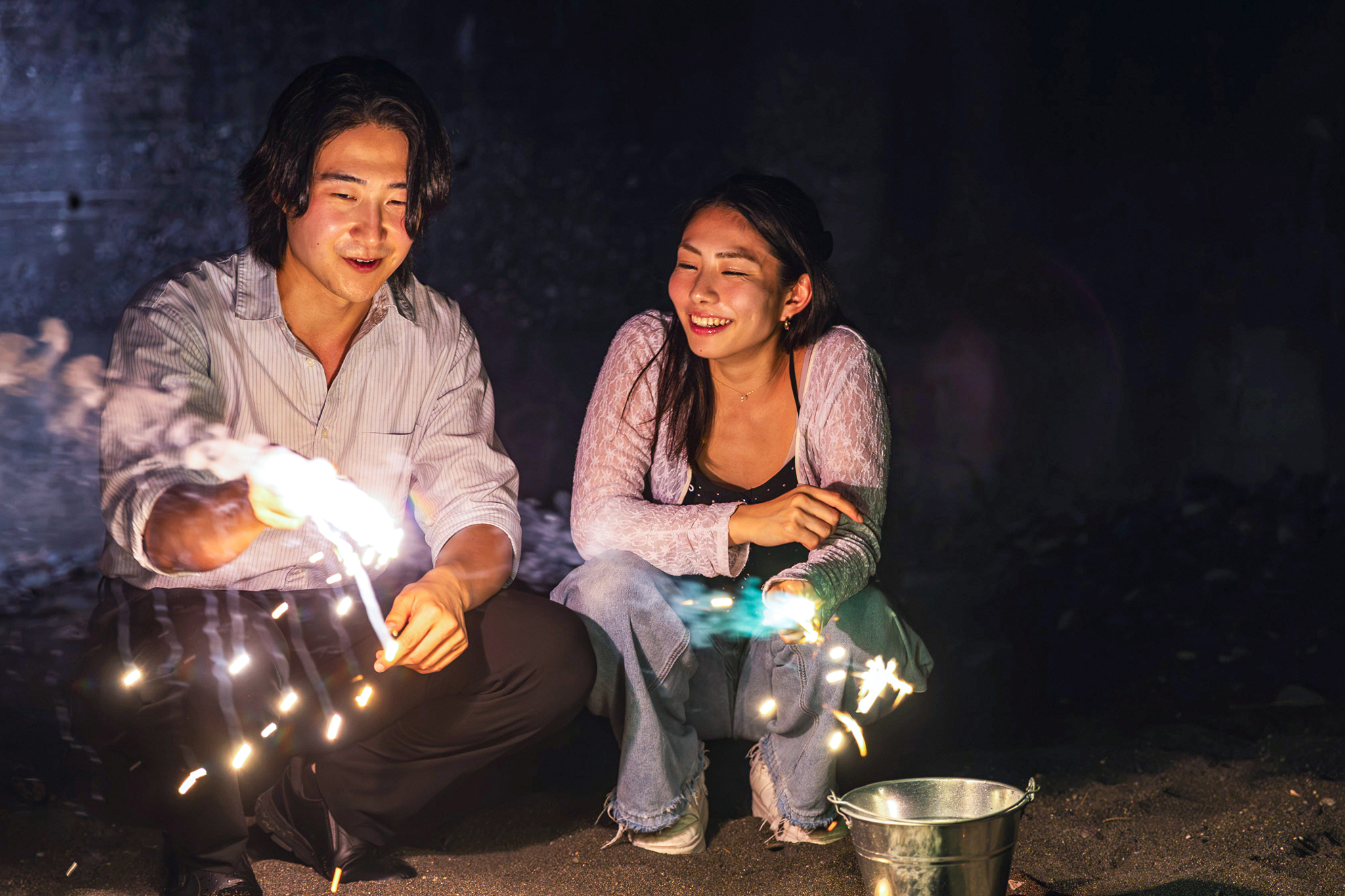
After dinner, we took the fireworks we had bought at reception and headed to the beach.
Mochimune Beach is very close to the house and easy to reach on foot. There are lights around the area, so we did not have to worry about walking along completely dark streets. Even the short walk to the beach with fireworks in hand made us excited for what was ahead.
The same beach we had walked along during the day felt completely different at night. Lights could be seen in the distance across the water, and when we looked up, the stars filled the sky. All we could hear was the steady sound of the waves. During the day, we walked along the coast taking photos and enjoying the scenery. At night, it became a place to simply enjoy the quiet atmosphere.
We started with handheld fireworks. As soon as we lit them, colorful sparks appeared against the dark seaside, briefly lighting up the area around us. Fireworks were something I often enjoyed as a child, but doing them by the sea while traveling made the experience feel a little more special.

We saved senko hanabi, traditional Japanese sparklers, for last. We watched the tiny sparks gently fall from the small ball of fire while listening to the waves behind us. In contrast to the bright and lively handheld fireworks, this quiet moment felt especially peaceful.
One thing I found very convenient was that NIHON IRO provides buckets for guests who want to enjoy fireworks. Once you are finished, you can simply leave the used bucket outside the entrance, and the staff will take care of it. When doing fireworks while traveling, safely putting them out and cleaning up afterward can sometimes be a concern. Here, it was easy to enjoy them without having to worry too much about the cleanup.
After dinner, we simply walked down to the beach and spent some time enjoying fireworks with the sound of the waves in the background. That quiet night by the sea in Mochimune became one of those moments I knew I would remember even after the trip was over.
The Next Morning, 8:00 AM | A Mochimune Breakfast Prepared by a Local Mother
One of the things I was looking forward to the most the next morning was breakfast prepared by a local mother. At NIHON IRO, local women known as “Omotenashi Mothers” visit the traditional house where you are staying and prepare breakfast for you right there.
What stayed with me was not only the food, but also the time spent watching breakfast being prepared. As she carefully made each dish in front of us, it felt less like having breakfast served at an accommodation and more like someone was cooking for us in a familiar family home. It perfectly matched the comforting feeling of “being at my grandmother’s house” that I had felt when I first entered Nadeshiko the day before.
Among all the dishes on the table, six small bowls arranged in a circle immediately caught my attention. They included grated Japanese yam, marinated eggplant, pickled daikon radish, egg tofu, shrimp satsuma-age (fried fish cake), and kamaboko (steamed fish cake). Each small dish had a different flavor and texture.
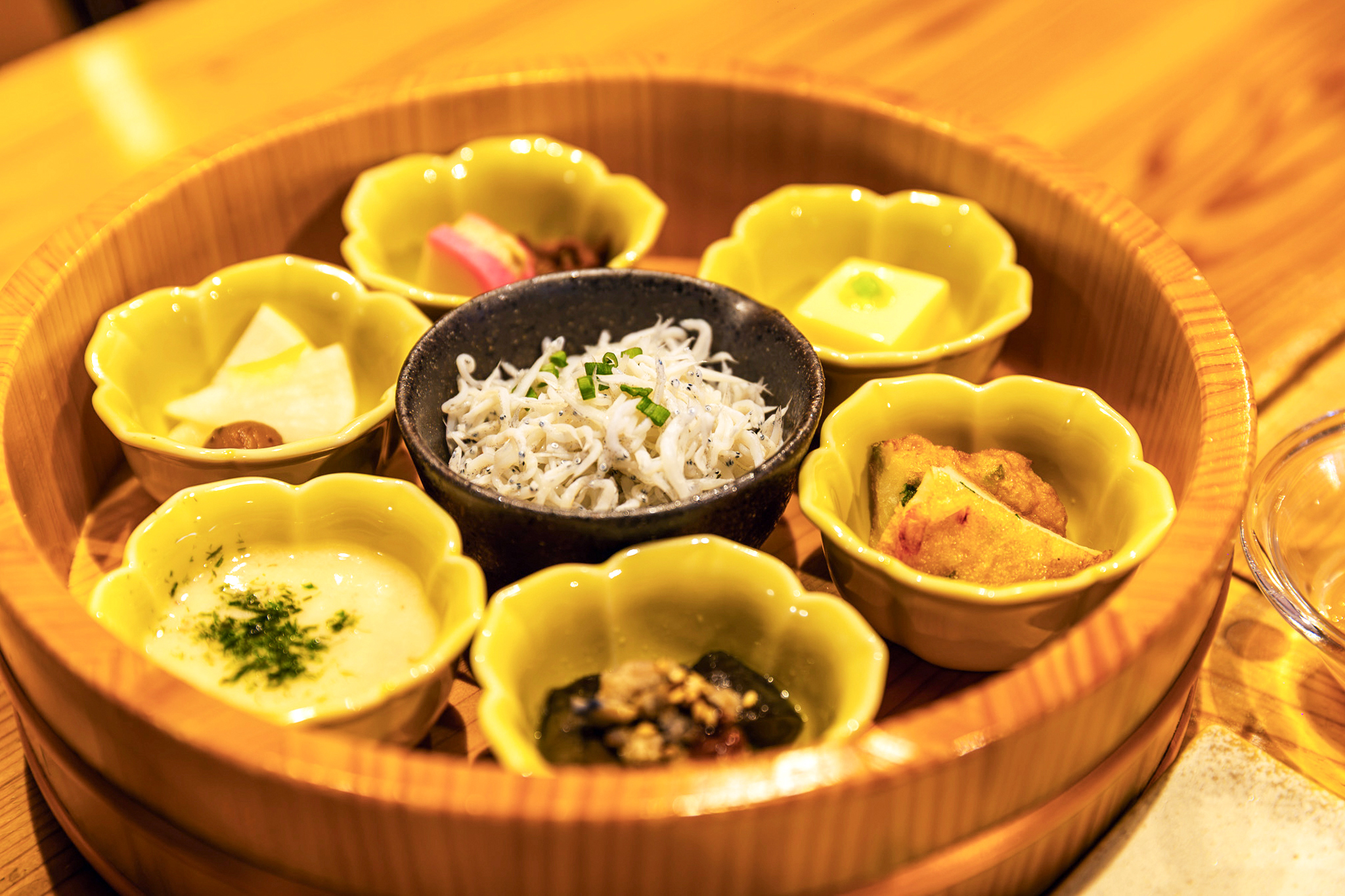
The egg tofu was especially memorable. The smooth, delicate tofu was served with a wasabi gel, adding a gentle touch of wasabi flavor. In the center of the six bowls was shirasu, or whitebait, one of Mochimune’s local specialties. I would try one small dish with a bite of rice, then some shirasu, followed by the eggplant. Everything paired so well with the rice that I naturally kept reaching for more.
The main dish that morning was made with tuna. The fish was surprisingly tender, without a strong fishy taste. It was seasoned with ginger and had plenty of flavor, making it another perfect match for the white rice.
The rice itself was also memorable. Each grain was plump and glossy, with a gentle sweetness. It went perfectly with the small dishes, shirasu, and tuna. As I tried a little of each dish, I found myself going back for more rice again and again.
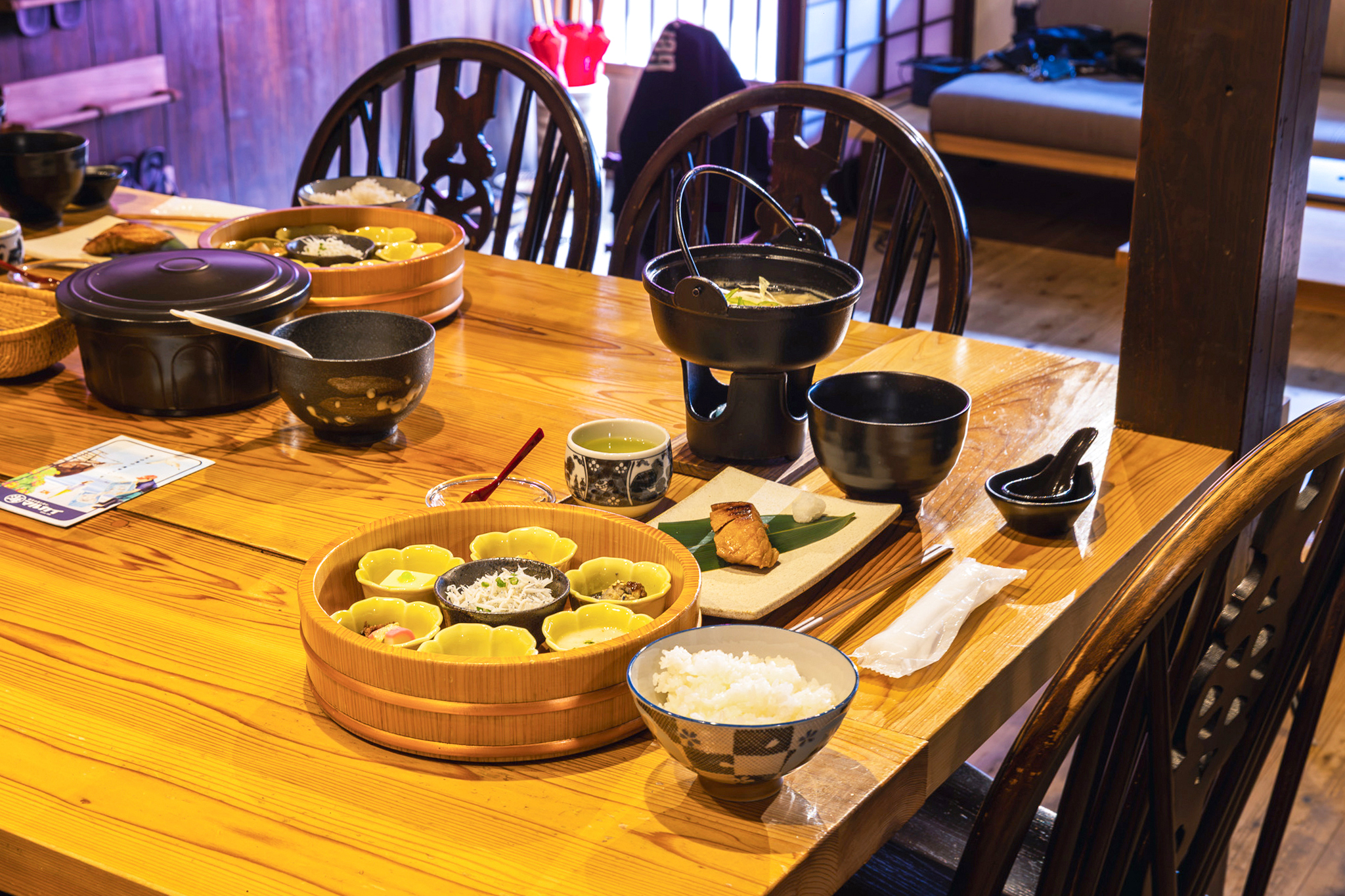
But what makes this breakfast special is not only how good the food tastes. A local mother who knows Mochimune and its food comes directly to the traditional house where you are staying and prepares breakfast in front of you. Watching each dish appear on the table and hearing the sounds of breakfast being prepared created a warm, nostalgic atmosphere almost like waking up to breakfast in a familiar family home.
11:00 AM | Check-Out: A Day That Felt More Like Living Than Staying
Before visiting NIHON IRO, I thought of it simply as a place where you could rent an entire renovated traditional Japanese house. But after spending one night there, I realized that the house itself was only one part of the experience.
After checking in, we started with green tea and yokan. We walked to the sea and stopped to take photos whenever something caught our attention. After working up a sweat, we headed to the local hot spring, followed by a craft beer brewed right here in Mochimune. Back at the house, we gathered around the charcoal grill for dinner, then spent the evening relaxing on the sofa, watching a movie and talking. The next morning, a local mother came to the house and prepared breakfast for us.
Looking back, none of these experiences involved visiting famous tourist attractions. Yet experiencing each of these simple moments in Mochimune left me with the feeling that, for one day, I had actually lived in the town.
When traveling, it is easy to look back on a day by thinking about where you went and what you saw. But when I think about my stay at NIHON IRO, what I remember most are the quieter moments: drinking green tea in the house, walking to the sea, and talking around the charcoal fire. You do not always need to do something extraordinary to experience a place. Sometimes, simply stepping into the everyday life of a town can become a journey of its own. My day at NIHON IRO reminded me of that.
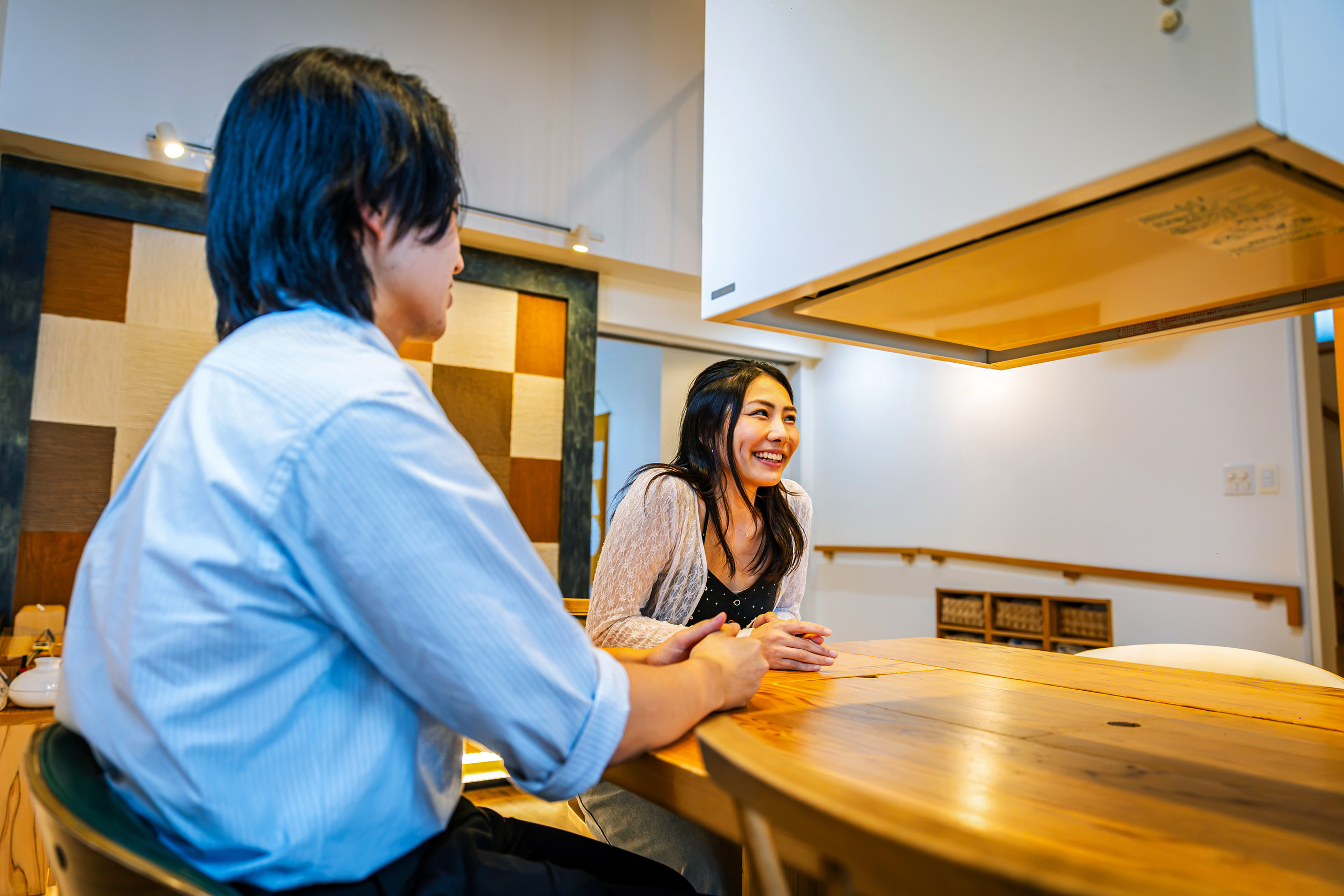
Each NIHON IRO house also has its own layout, facilities, and atmosphere. Nadeshiko, where we stayed, had a hinoki cypress bath, a spacious living room, and a tatami area upstairs. Choosing another house could offer a completely different way to experience the same town. That is another part of the charm of NIHON IRO. It is the kind of place that makes you think, “Next time, I want to stay in a different house.”
Shizuoka is known for Mt. Fuji and green tea, but it is also home to small port towns like Mochimune, where life moves at a slower pace by the sea. If you have the chance to visit Shizuoka, I recommend traveling a little further to Mochimune.
Stay in a traditional Japanese house, walk through the neighborhood, relax in a hot spring, and enjoy food and drinks from the local area. Rather than simply sightseeing, spend a day living in the town.
Perhaps this, too, is one way to truly experience Japan.
NIHON IRO
View Details