



In Tokyo, I was gradually losing the capacity to feel the “empty spaces” in life.
Recently, I have been completely consumed by work in Tokyo. I’d wake up in the morning, open my laptop, and before I knew it, the sky outside had turned dark. Even though my schedule was packed to the brim, I occasionally caught myself wondering: What did I actually accomplish today?
Rather than calling it business, it felt more like I was losing the margin to appreciate the quiet gaps in daily life. Time spent doing nothing, moments spent noticing subtle shifts in a room, or being wrapped in a scent I love while lazily easing through an afternoon—these were experiences I hadn’t had in a long time.
In the past, working as a brand designer, I took part in many projects related to Japanese craftsmanship. I listened to artisans share their stories, observed their creations, took photos, and thought about how to communicate their charm to the world. Yet, looking back, my personal experience of bringing craft items into my own daily life and actually using them was surprisingly rare. To me, traditional crafts had always been things to be observed.
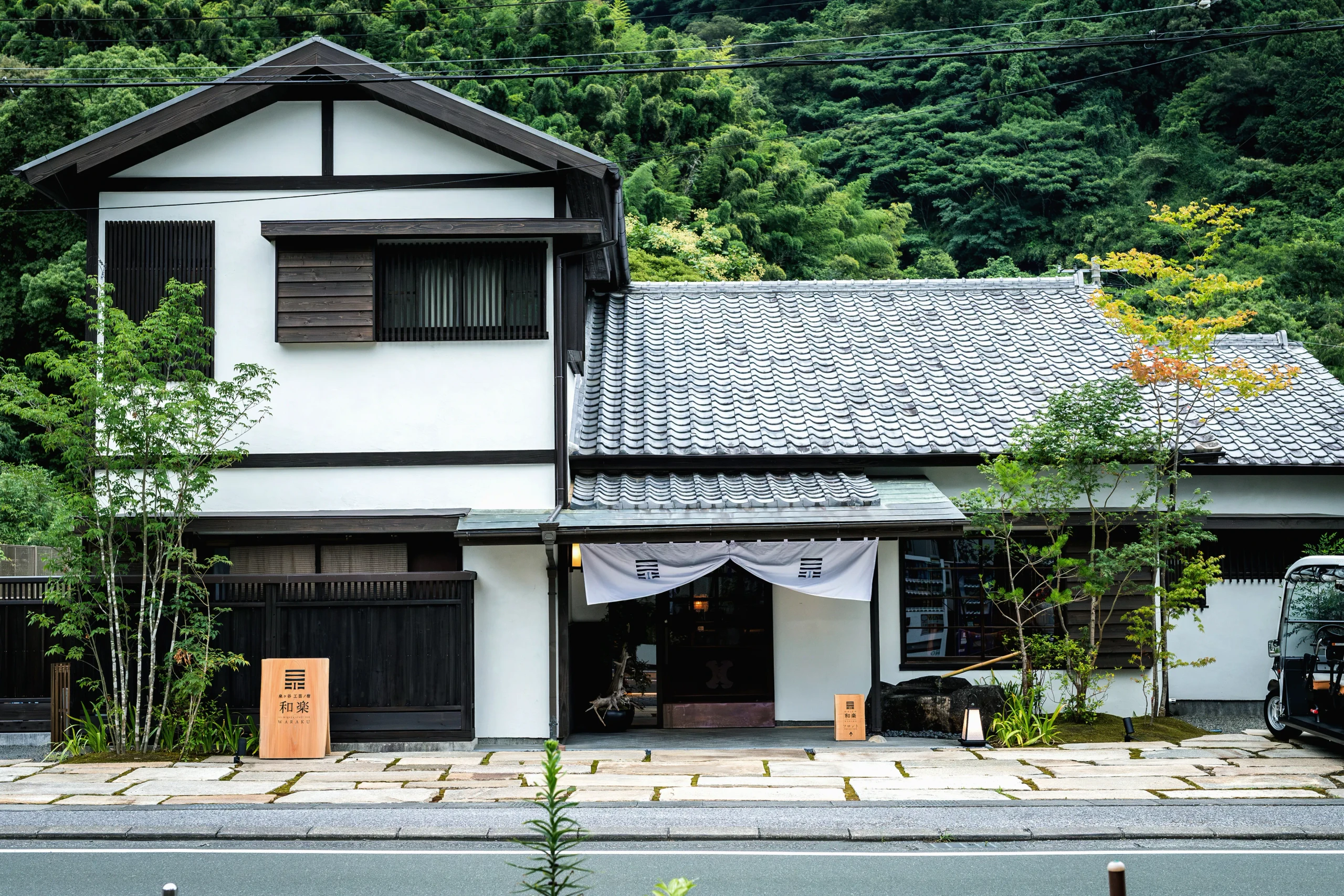
That was until I came across “Craft Inn Waraku” in Mariko, Shizuoka. It isn’t merely a place to admire craftsmanship; it’s a space where crafts exist naturally, allowing you to spend time as if you were actually living there. What kind of experience would it be? Filled with anticipation, I set off for Mariko.
From “admiring artisan goods” to “using them every day.”
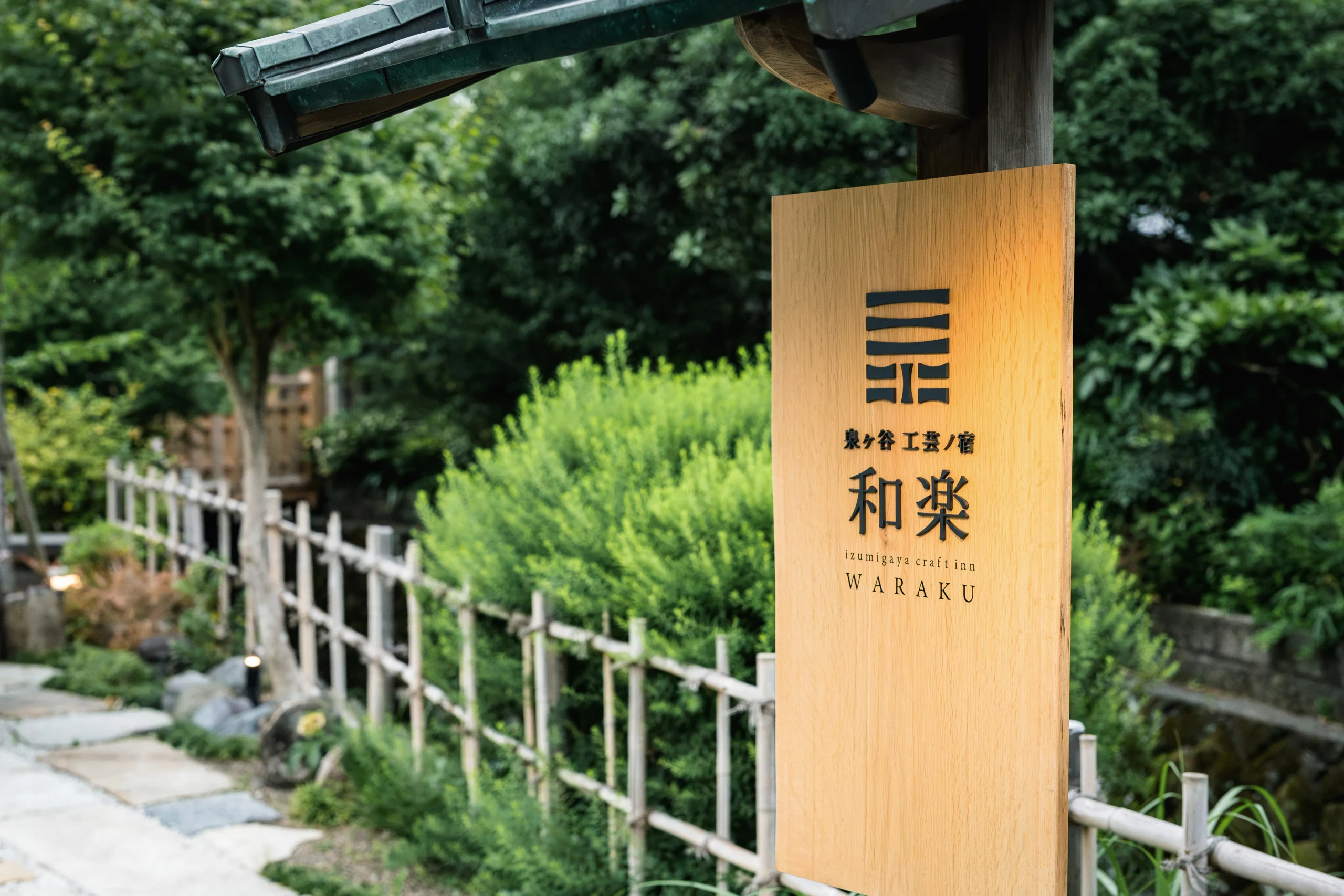
Mariko is located just outside central Shizuoka City and has flourished since the Edo period as a post town on the Tokaido road. Here sits a craft experience facility named “Sunpu Takumi-shuku,” which brings together various workshops including bamboo craft, dyeing and weaving, woodworking, lacquerware, and ceramics. Waraku is situated right beside it.
What I found particularly fascinating is that craft isn’t simply put on display here. There are spaces where crafts are created, places where they are used, and right next door, a place where you can stay overnight. Craftsmanship that used to be strictly “for viewing” naturally weaves itself into the flow of your stay.
Furthermore, guests staying at Waraku receive experience coupons to use at Takumi-shuku. After relaxing in the inn for a bit, you can walk over to Takumi-shuku to try your hand at crafting. Even in a short visit, you can truly connect with Japanese handiwork, making the accommodation and the creation process one seamless journey. For anyone interested in traditional Japanese crafts, going beyond passive viewing to personally feel the handmade spirit behind the work is genuinely exciting.
Bettei Kazu | A Subtle Thoughtfulness Starting from a Solid Wood Table
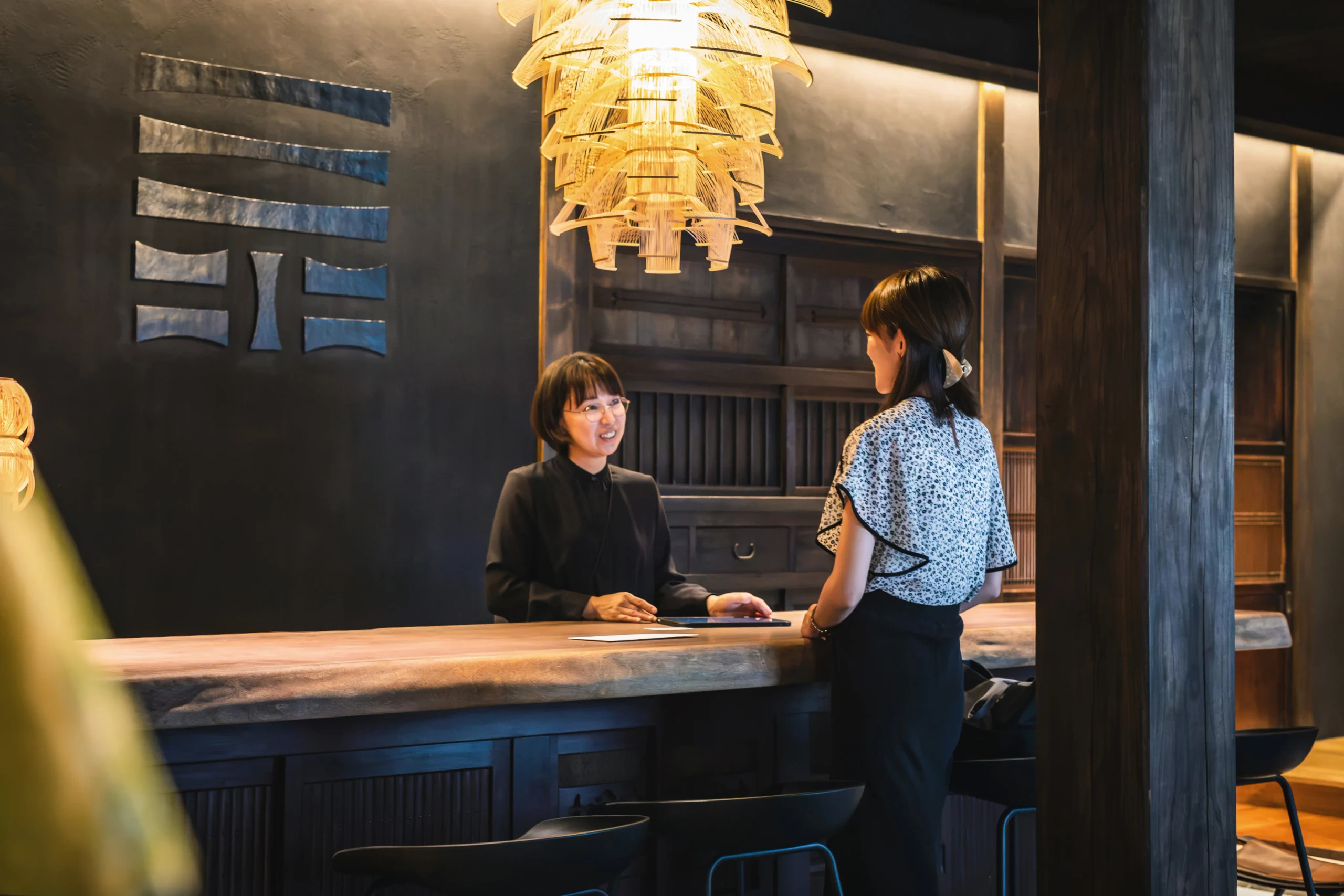
For this trip, I stayed in “Bettei Kazu,” which comes equipped with its own private sauna and hinoki (cypress) wood bath. From the moment I checked in and held the wooden room keycard, I could sense the unique atmosphere of this inn.
If you consider functionality alone, a room key doesn’t need to be made of wood. There are certainly simpler, more efficient ways to make one. Yet, they chose wood. It’s precisely these seemingly small choices that allow you to feel the essence of Mariko and its crafted heritage from the moment you step inside.
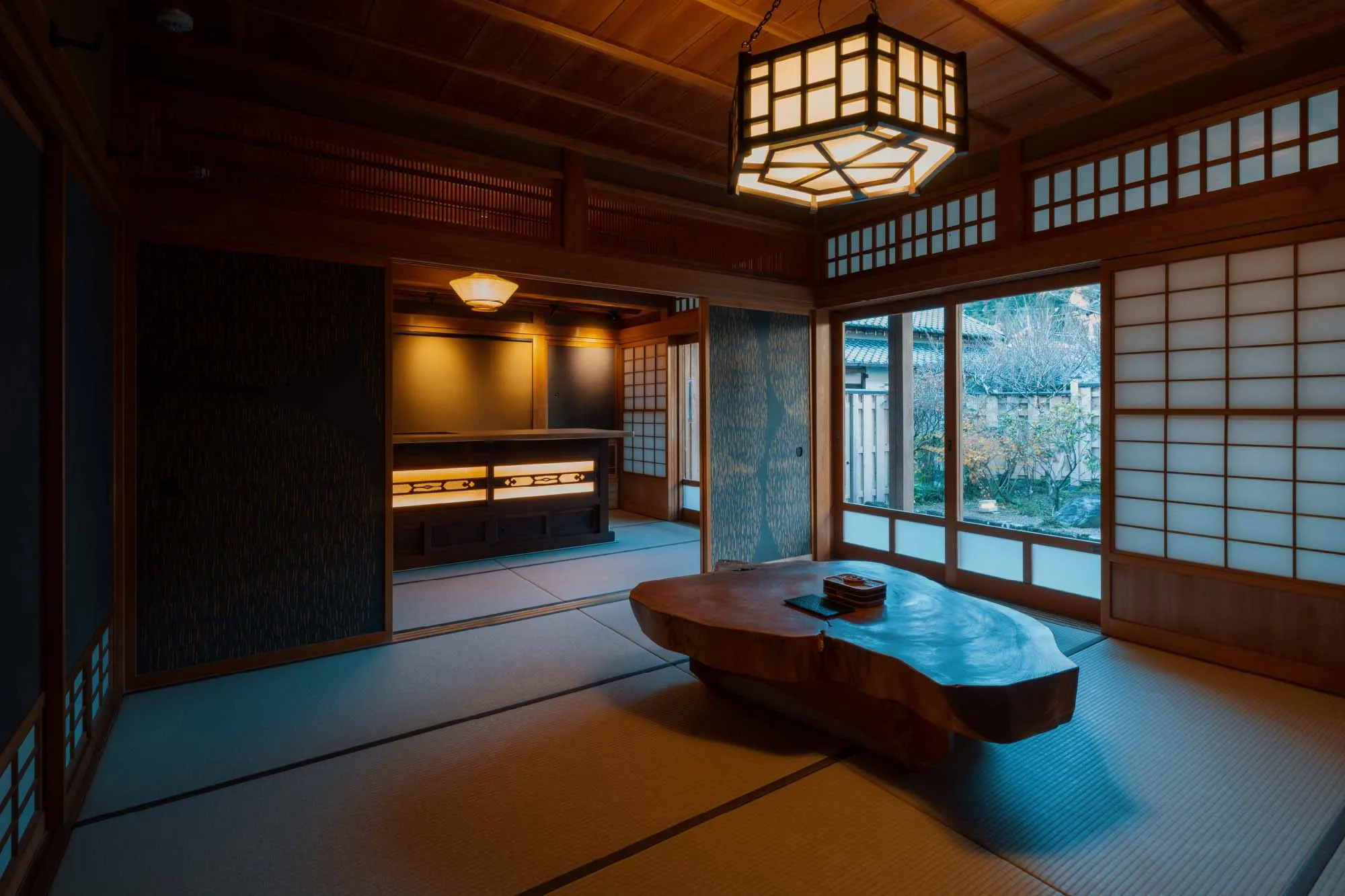
Walking into the room, the first thing that catches your eye is a massive solid wood table. As I admired the natural grain of the wood, I casually pulled open a drawer, only to find a vanity mirror with built-in lighting hidden inside. I loved this touch. It isn’t a flash or gimmicky trick, but it shows that the designer truly envisioned the guest’s movements—working, getting ready, or organizing luggage. It isn’t just about aesthetic beauty; it accounts for how things actually feel in use.
Because I do design related work myself, I always pay extra attention to these details. Beautiful, and functional. When an object embodies both, it naturally lingers longer in your memory.
Thoughtful Amenities and Bathing Time from a Female Perspective
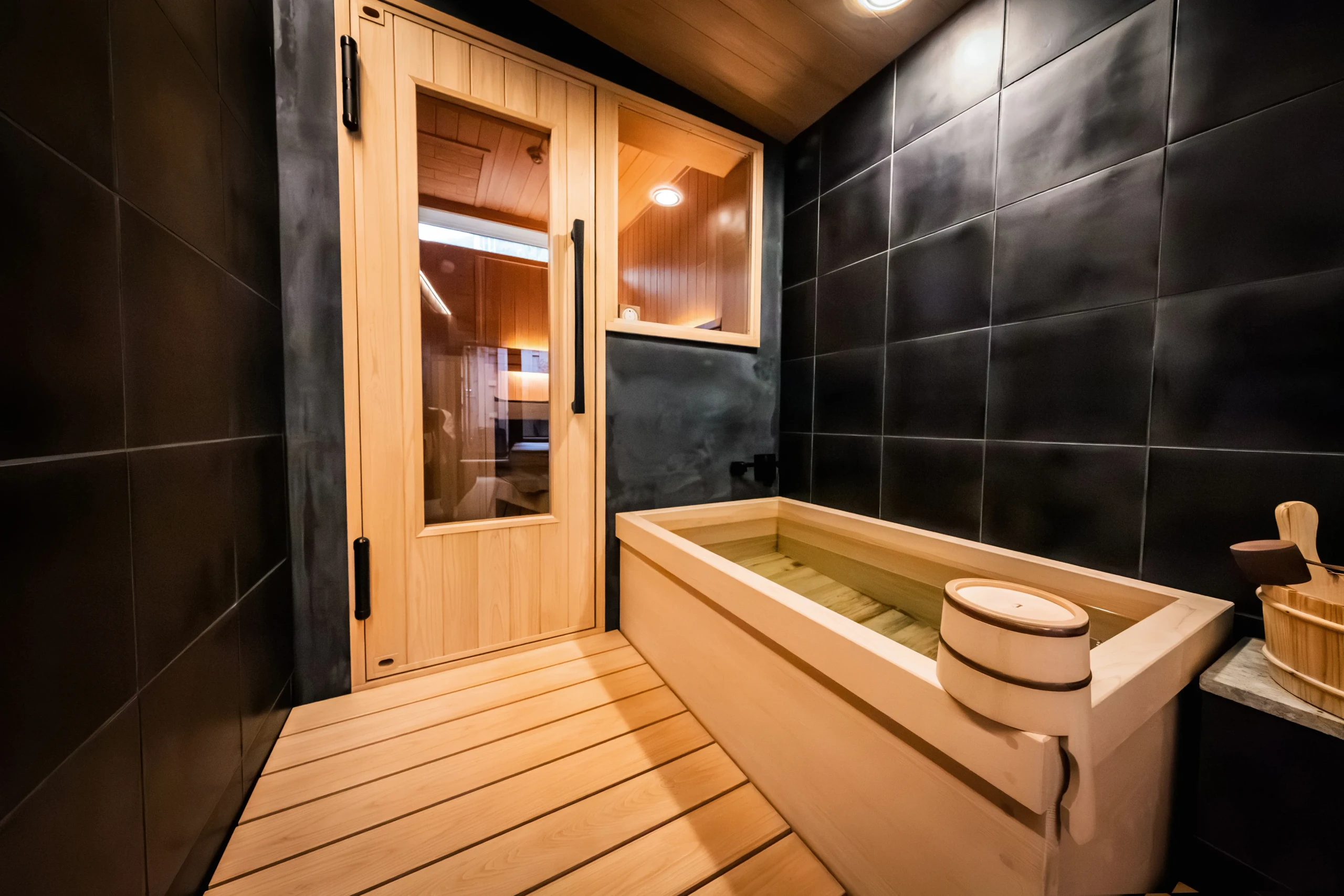
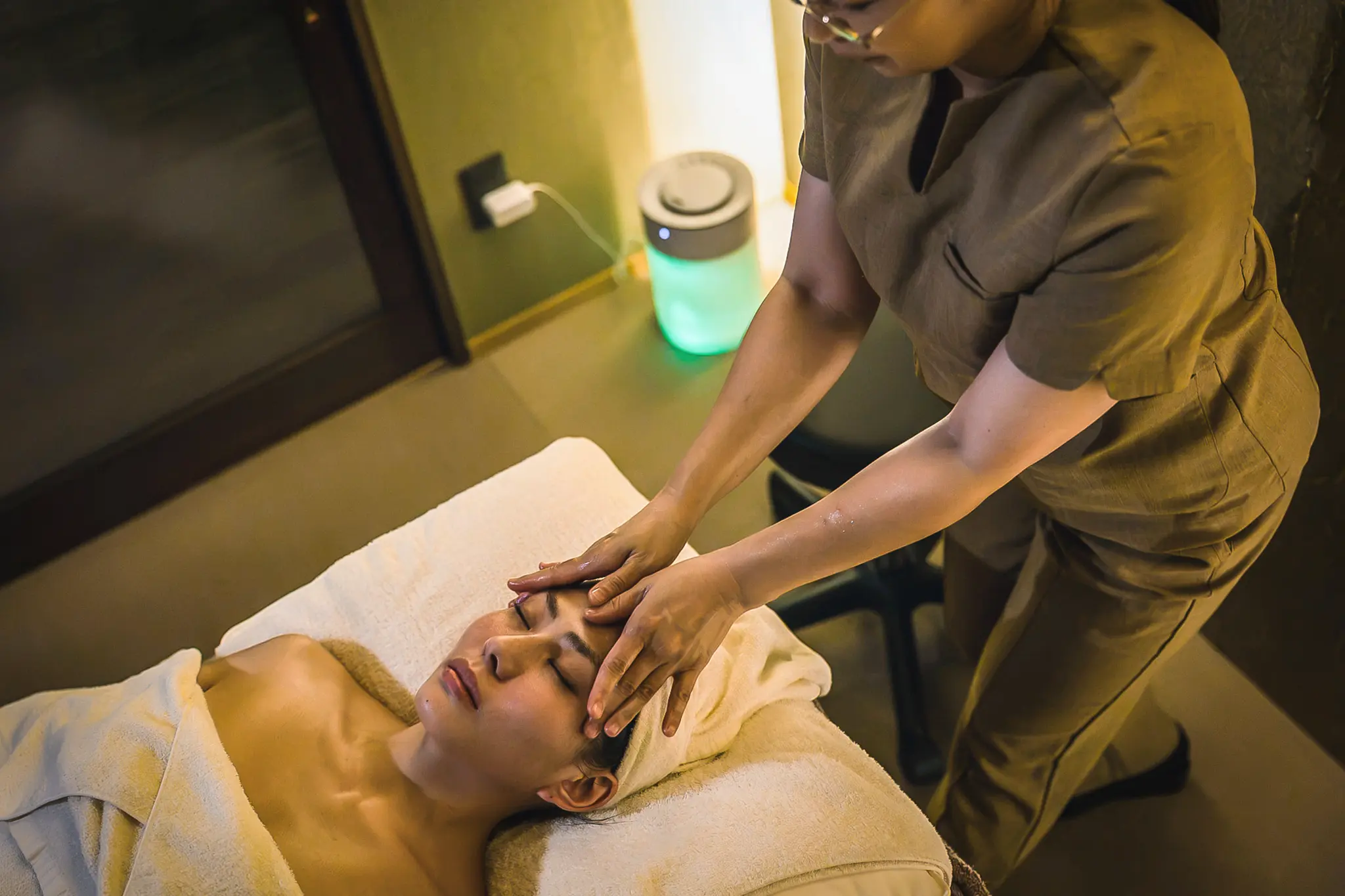
What made me personally very happy were the many female-friendly details throughout the room. Bettei features not only a sauna, but also a cold plunge bath and a hinoki bath. Sweating it out in the sauna, stepping into the cold plunge, and finally soaking slowly in the hinoki tub… On top of that, the amenities provided included face masks enriched with tea extract. Little touches like these during a trip gently encourage you to take good care of yourself.
After the sauna, applying a face mask, sipping a glass of ice water, and easing into deep rest… Things that usually feel too luxurious or wasteful of time back home can be done here at an unhurried pace. Rather than a grand beauty treatment, it feels like a time that naturally allows you to say, “Let’s take a proper break.” I really resonated with that feeling.
Tea Incense Burners and Solid Wood Furniture | Remembering a Room Through the Five Senses
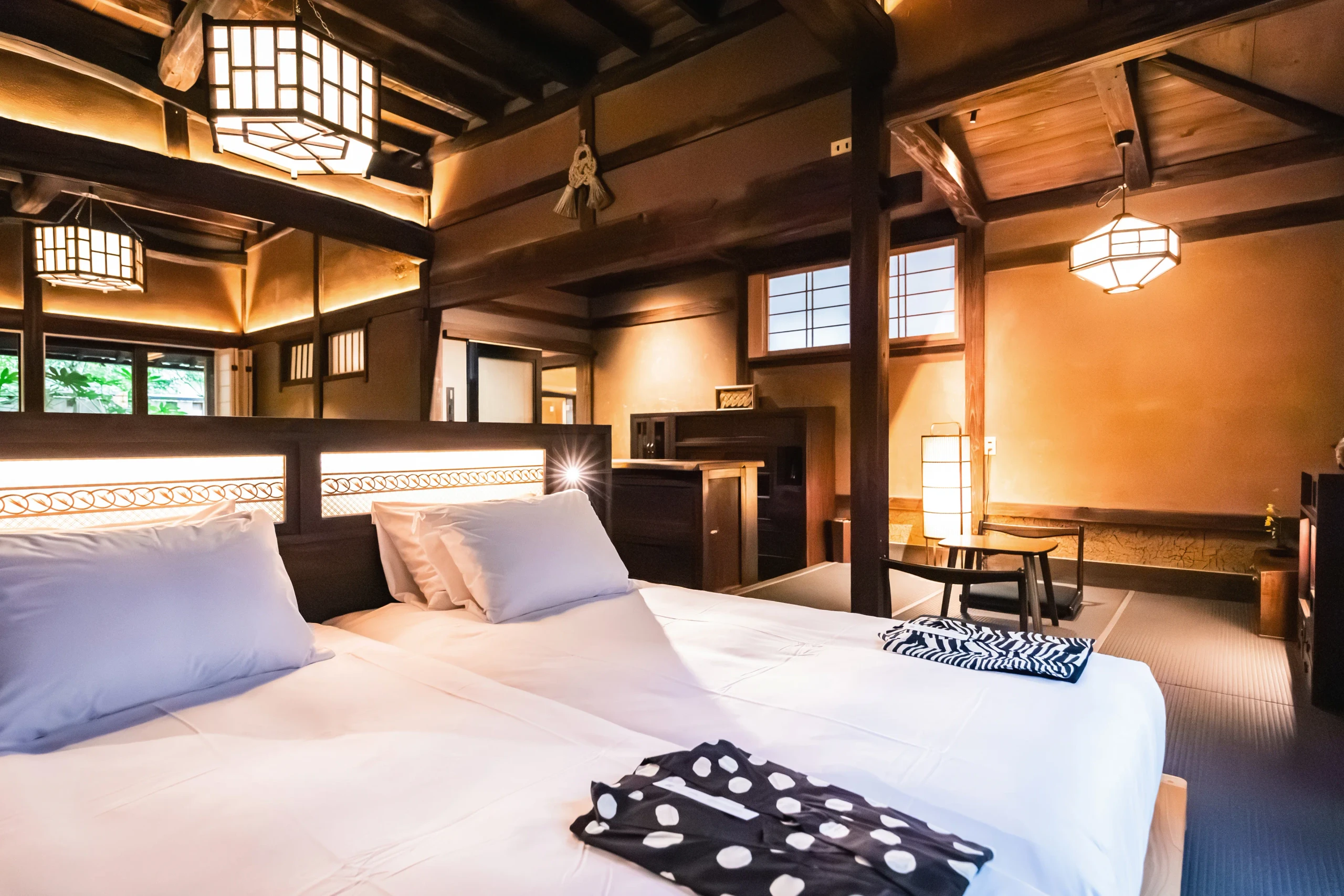
The room was also equipped with a tea incense burner (cha-ko-ro). It’s not used for brewing tea, but for enjoying its aroma. Once lit, a sweet, roasted tea fragrance slowly drifts throughout the room. Mingling with the scent of wood and tatami mats, the entire space is wrapped in a subtle tea aroma.
Honestly, at that moment, I couldn’t help but think: I want one of these in my house. If I could smell this fragrance every morning before starting work, perhaps even the start of the day would feel a little different.
It made me realize once again that travel memories don’t live solely in photos. The tactile feeling of touching wooden furniture, the tea scent filling the room, the steam rising from the hinoki bath… These seemingly ordinary sensory memories are often what resurface unexpectedly long after time has passed.
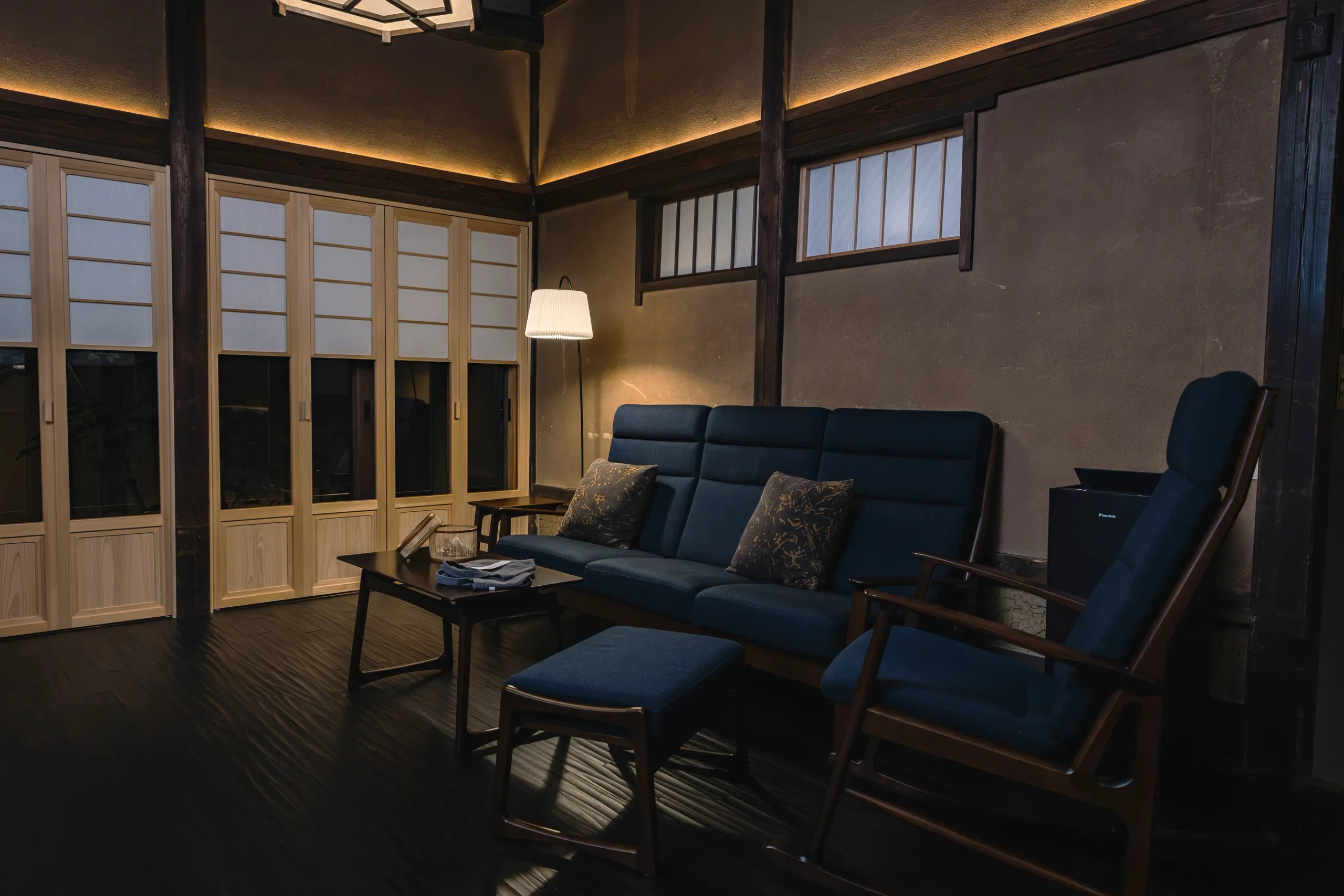
Lying on the sofa at night scrolling through my phone, I occasionally looked up at the ceiling beams. Just lying there, doing nothing, quietly gazing up. Even these mundane moments slowly became part of my memory of this place.
During trips, I occasionally have moments where I “don’t want to go home.” But rarely does a place make me think, I really want to live here for a while. Waraku gave me that exact thought. That’s because it isn’t a place that forcibly manufactures an “extraordinary experience,” but rather one that makes everyday life feel just a little more delicate and textured.
Tea Steam and Hinoki Bath | Experiencing Shizuoka Through the Senses
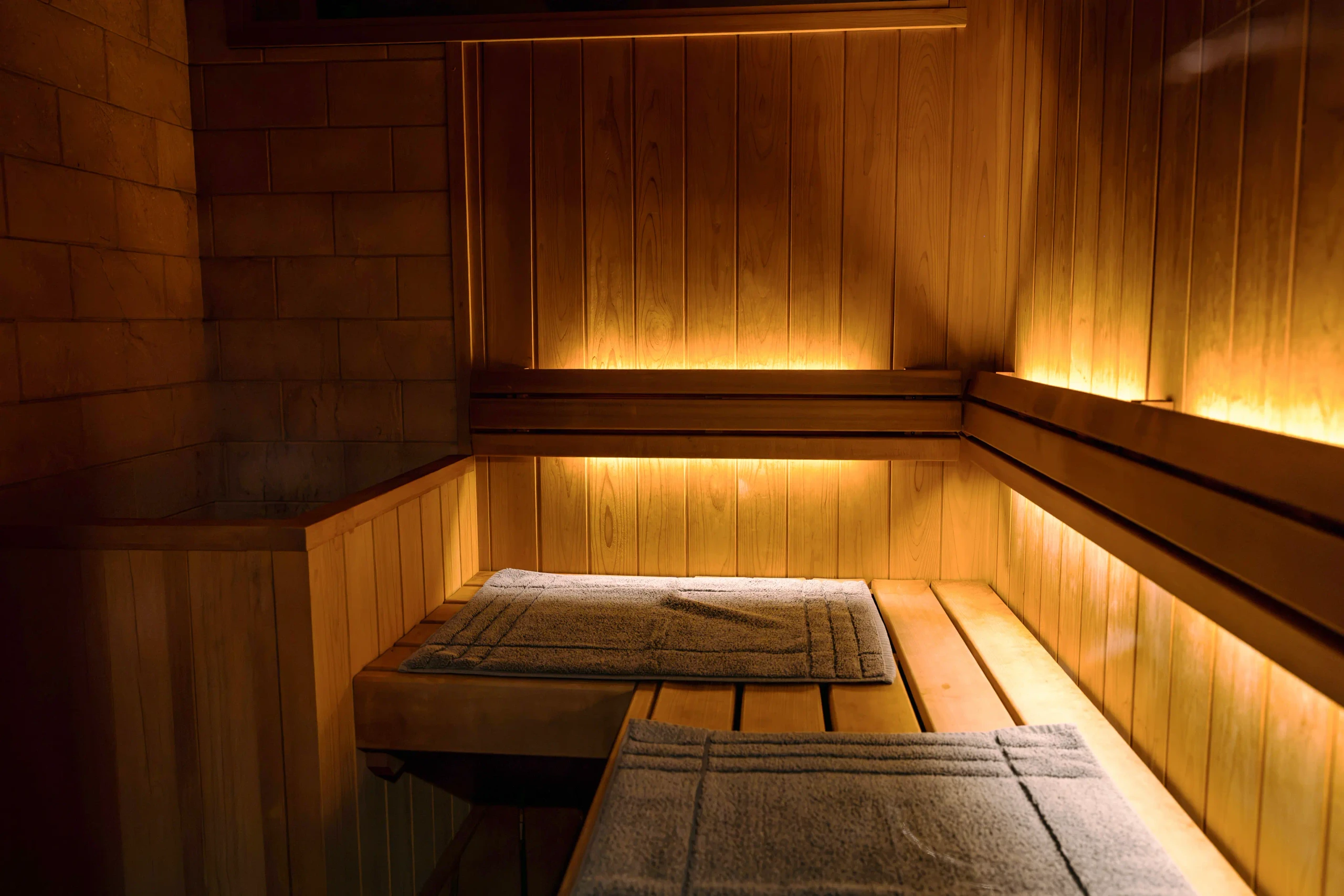
Bettei is outfitted with a private sauna and a hinoki bath. What impressed me most was that the water used for the sauna loyly (steam) was actually tea. Pouring tea over the heated sauna stones releases a burst of steam alongside the rich scent of tea leaves. Though it’s hot, it carries an incredibly refreshing quality.
When people think of Shizuoka, the first thing that comes to mind is tea. The most interesting aspect here is that they don’t just use decor or text to tell you “Shizuoka = Tea”; instead, they weave this local identity directly into the physical experience.
Next came the cold plunge. After breaking a good sweat, soaking in the cold water seemed to quiet down all the noisy thoughts buzzing in my head. Finally, returning to the hinoki bath. This time, the air was filled with the fragrance of cypress.
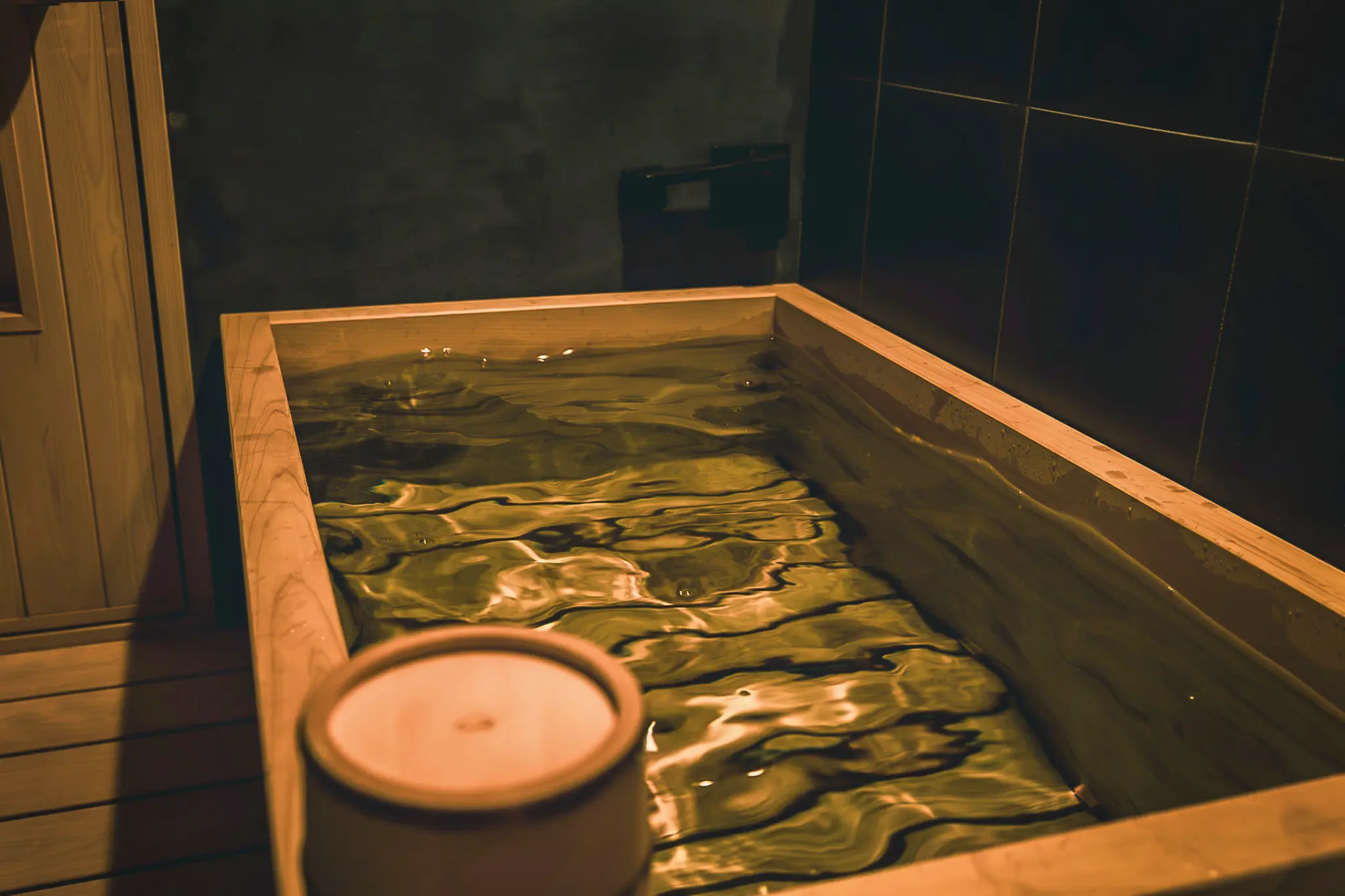
Tea and hinoki. Even now, these two scents remain my strongest memories of this inn. Rather than focusing on how luxurious the facilities are, it was truly a period of time etched into my five senses.
Mariko Black Tea and Honey | A Place’s Charm Lies Hidden in the Everyday
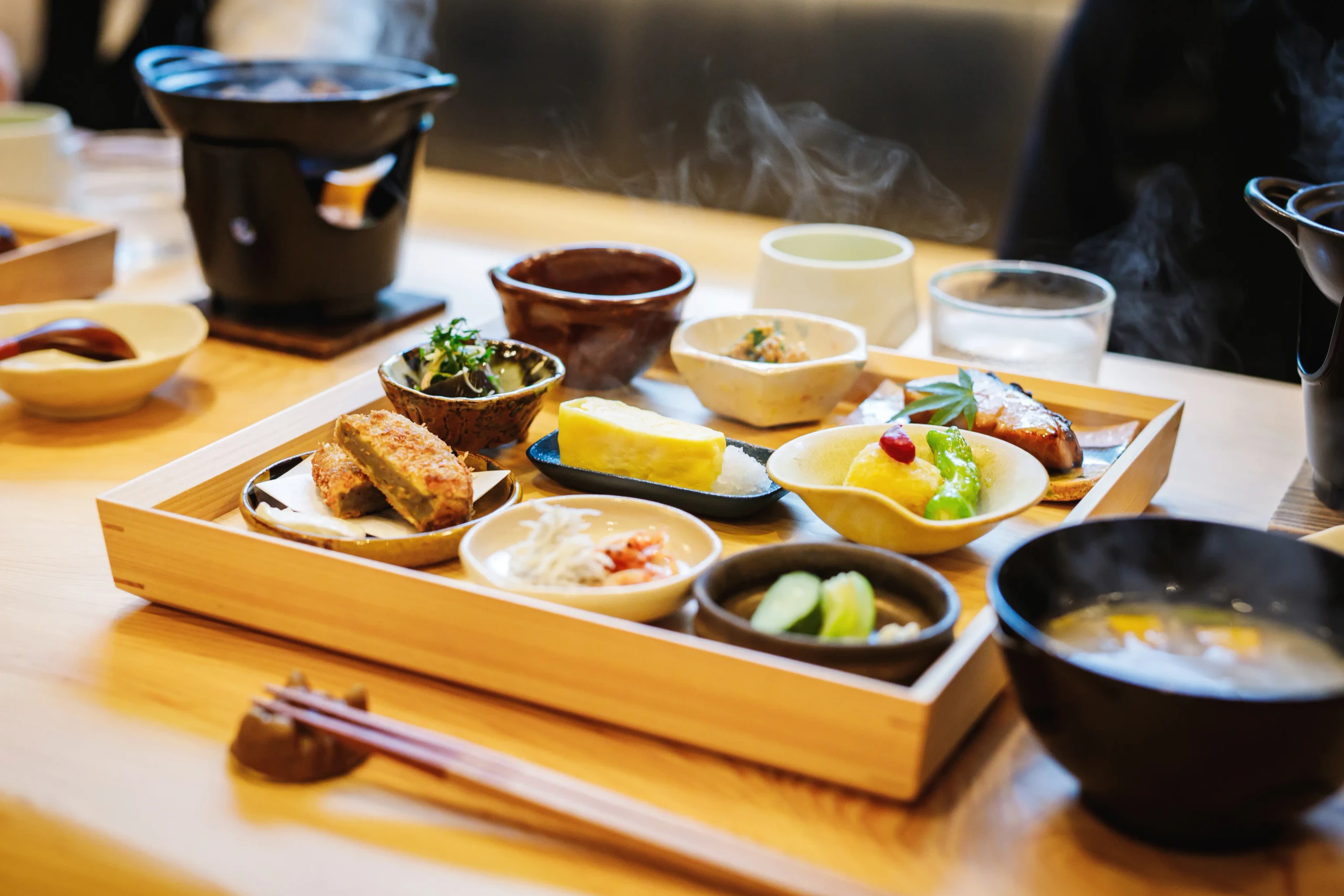
Another thing that left a deep impression on me after arriving in Mariko was “Mariko Black Tea” (Mariko Kocha). When Shizuoka is mentioned, green tea is usually what comes to mind. However, Mariko is actually the birthplace of Japanese black tea production. In addition, it is also known for honey, home to local beekeepers and honey specialty shops.
Tea, black tea, honey, and crafts. Viewed separately, each is simply a local specialty. But once you step onto this land, you realize they are all intimately tied to the daily rhythm of life in Mariko.
Savoring the tea aroma at the inn, learning about Mariko black tea, tasting local sweets, and then walking over to Takumi-shuku next door to touch the handiwork of artisans… As you get to know these elements piece by piece, you feel less like a “tourist” and more like someone allowed to briefly step into the lives of the locals.
If you have the chance to visit Japan, I think besides major tourist hubs like Tokyo and Kyoto, it’s wonderful to try staying in small towns like this. See what the land produces, what people eat, and what crafts and skills have been passed down through generations. When you begin to understand these things, the country of Japan gradually begins to reveal a different layer.
Mugwort Kingyoku in a Bamboo Basket
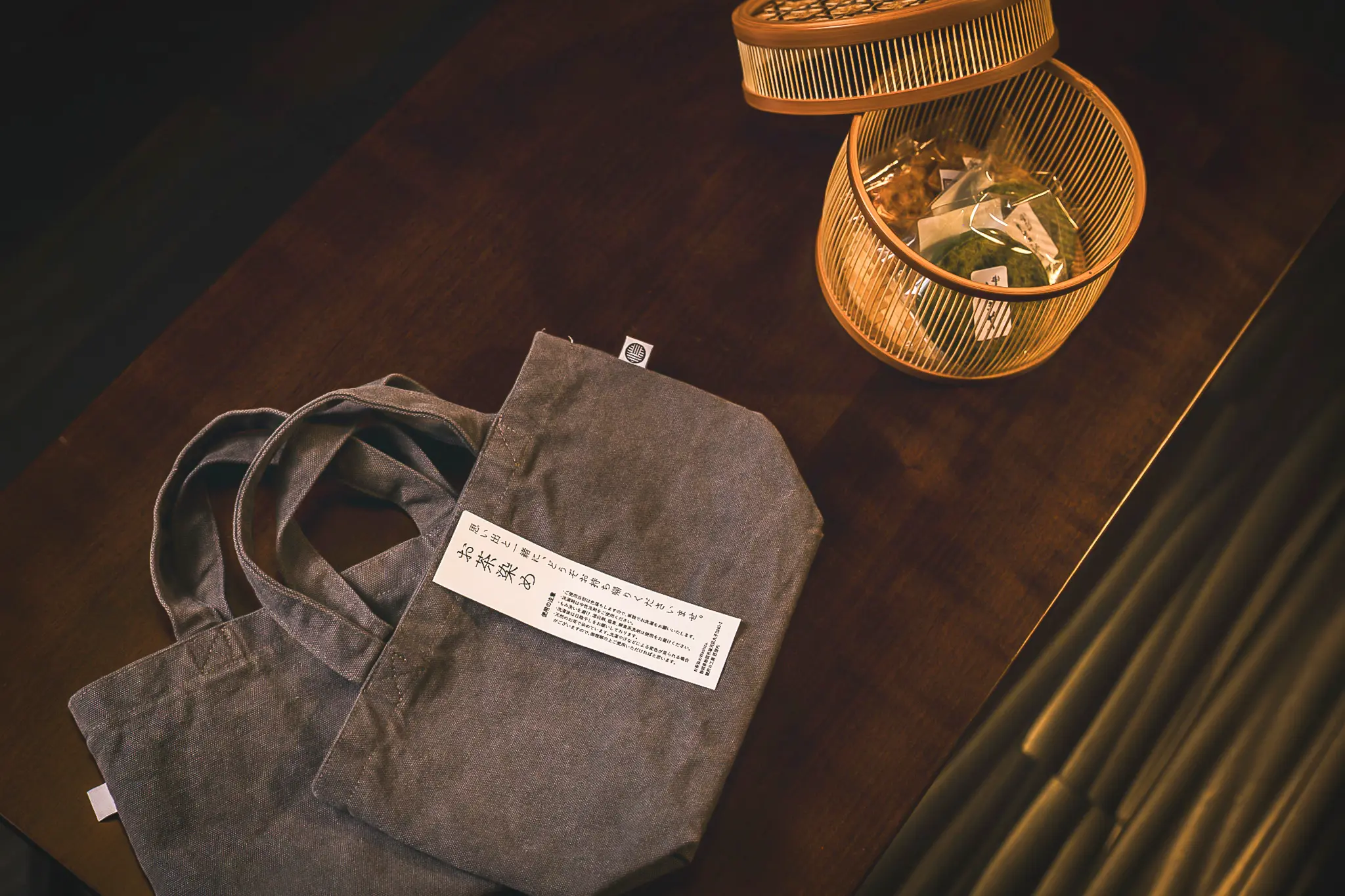
When I opened the bamboo basket in the room, I felt a small spark of anticipation. Inside was a local delicacy: Yomogi Kingyoku (mugwort sweet bean cake). Lately, I’ve been really into wagashi (traditional Japanese sweets), so receiving a little treat like this made me very happy.
However, due to my background in design, I couldn’t help but notice how it was presented. It wasn’t simply placed on a table; it was carefully set inside a woven bamboo basket. The material of bamboo itself connects back to local crafts and Takumi-shuku. Even the small act of “eating a sweet” was woven into the story of Mariko.
I think it’s precisely these accumulated details that build a place’s unique identity.
Next to it lay a tea-dyed cloth bag (cha-zome). Dyed using Shizuoka tea leaves, it carried a very soft, muted greyish tone. When I first heard “tea-dyed,” I had naively imagined a green color. Yet seeing it in person, it was a calm, sophisticated grey. If no one had told me, I never would have guessed this color originated from tea leaves.
Interestingly, this isn’t merely the continuation of an ancient technique, but a recent creation. It takes the deep-rooted “tea culture” of Shizuoka and extends it into the future through a different medium: dyeing.
Traditional crafts, perhaps, aren’t about preserving the past completely unchanged. It’s about re-observing what originally exists on the land and creating new value from it. Culture continues to exist through these repeated transformations, taking on different forms over time.
Japanese Artisans Do the “Troublesome Things”
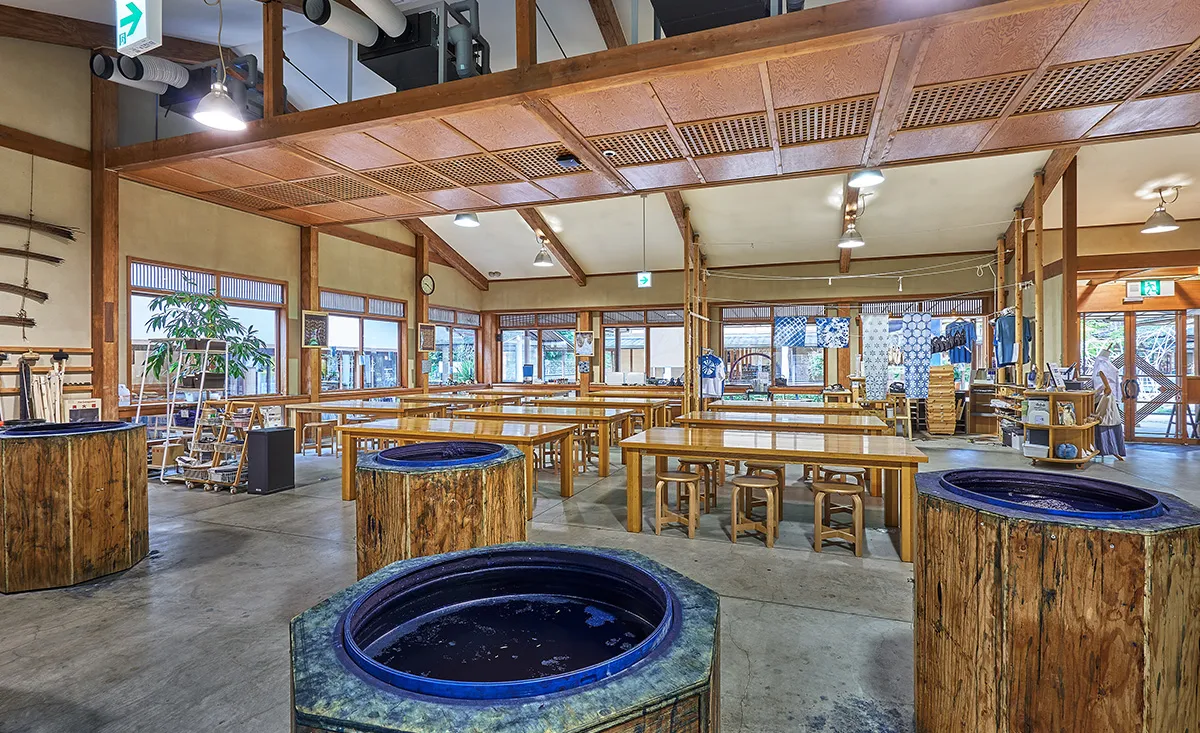
I also took a walk over to Takumi-shuku next door. Bamboo craft, dyeing and weaving, woodworking, lacquerware, and ceramics. Here, you can watch artisans craft their works up close.
Among them, something a bamboo artisan said stuck deeply in my mind: “Japanese people will go out of their way to do the troublesome things.”
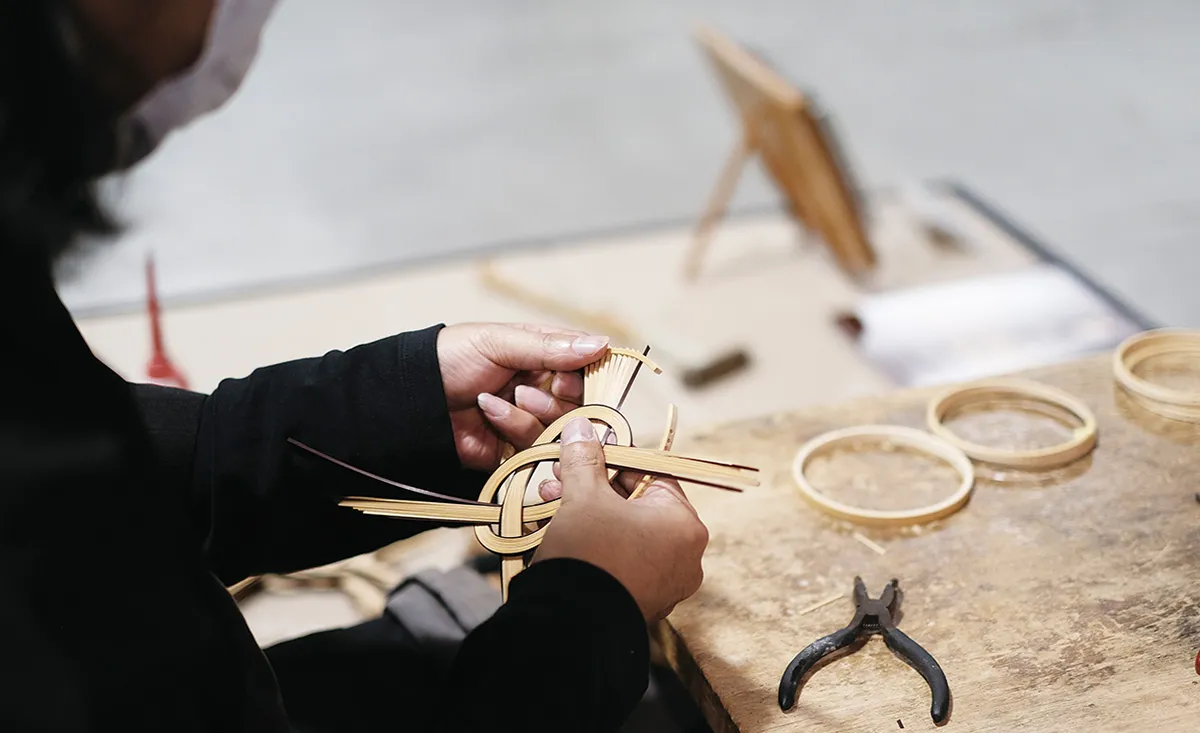
When preparing bamboo strips for delicate weaving, they deliberately round off the sharp edges to prevent harming the wings of insects that might land on them. If efficiency were the only goal, this step could easily be skipped. Yet, they choose to spend the time doing it anyway.
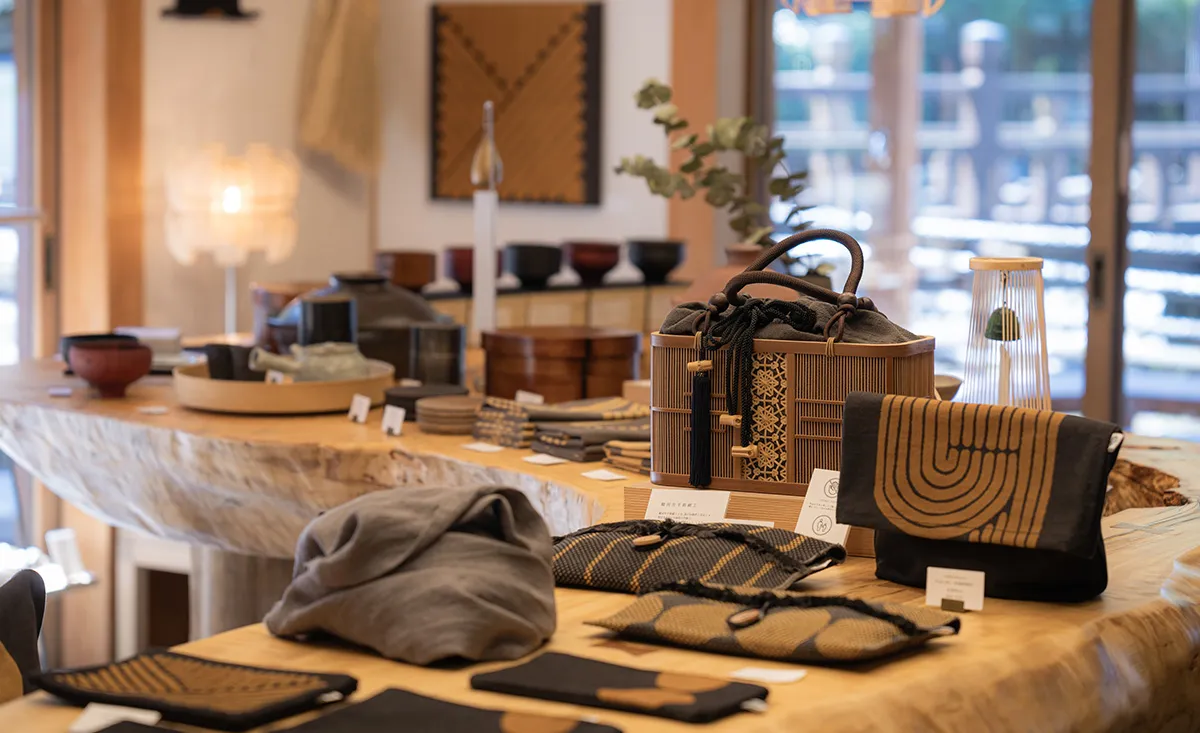
The moment I heard this, I suddenly remembered everything I had felt at Waraku. The wooden keycard, the tea incense burner, the bamboo basket, the tea-dyed bag, and the solid wood furniture. For every single one, a simpler, more efficient alternative definitely existed. Yet they chose to take the extra time.
For the maker, it might just be a subtle extra step. For the user, it can become a feeling that stays in memory for a long time. This was one of my deepest takeaways from this stay.
Doing the Unseen Things with Care
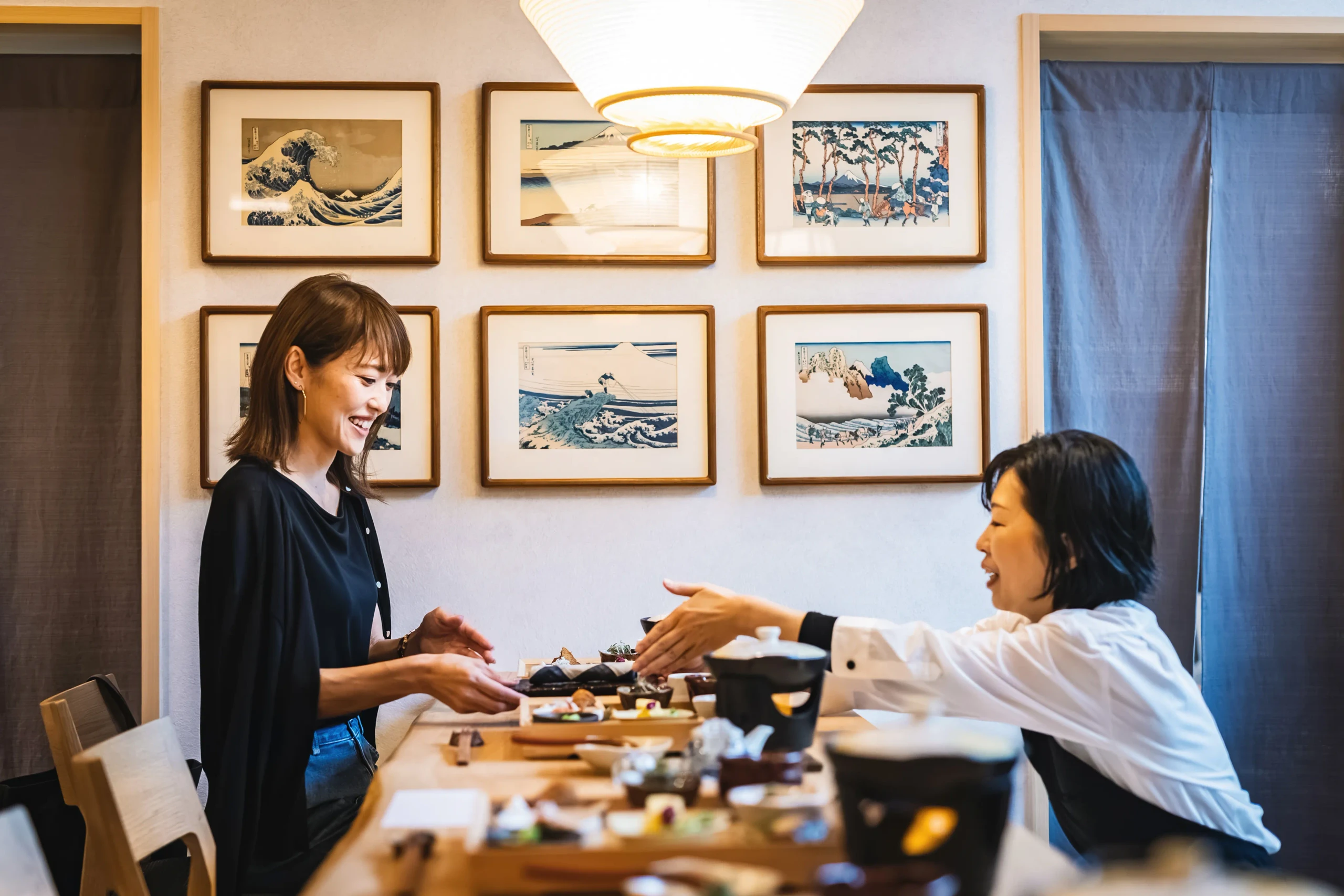
In my daily work, I design logos, curate photos, and select typography. I’m always thinking: How can I present something so its charm is visible to more people?
But after staying a night at Waraku, I began to appreciate that the things further upstream, the unseen, understated details, are just as vital. Doing things with care, even in places where you don’t know if anyone will notice. Imagining the user’s movements. Translating what the land originally holds into an experience that can be felt firsthand.
During the stay, these thoughtful touches appeared independent of one another. The wooden keycard, the solid wood furniture, the gentle scent of tea in the room. At the time, I simply felt they were “very comfortable.” It was only when it was time to leave that I realized all these pieces had long been connected, forming “what this place is.”
It wasn’t that one single design feature was mind-blowing. Rather, it was the accumulation of every small, intentional detail that ultimately made me remember the time I spent in Mariko.
Returning to Tokyo, I sat back in front of my computer. Yet the aroma of tea, the tactile feel of the wood, and that stretch of time spent doing nothing still seemed to linger on me.
All along, the things I deleted first amidst the busyness were perhaps the very things I truly needed. And I’ve come to feel that creation and travel are quite similar. It’s not about rushing to find the most eye-catching thing, but rather discovering what uniquely belongs to that piece of land. To feel for yourself the care, the fragrance, and the time embedded within it.
The time spent in Mariko didn’t just give me a new appreciation for craftsmanship; it revealed a way to enjoy Japan: To slow down. To stay, and to truly feel a place. And to allow yourself to step into the daily life of the land.
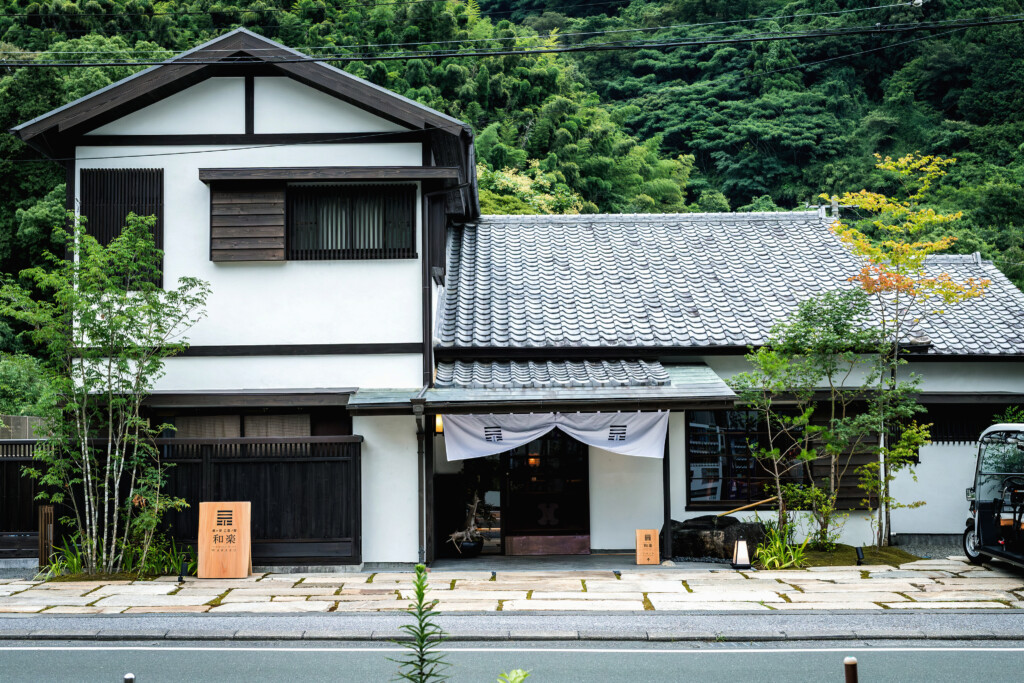
Waraku
View Details