


Aizu Local Food and Sakura Nabe Tsuruga Aizu Main Store
Cheers with premium "Basashi" and "Sakura Nabe". A renowned restaurant to enjoy Aizu's local cuisine in a relaxing atmosphere.

A World of Water and Colors Bathed in Autumn Foliage
Nearby Ryokans
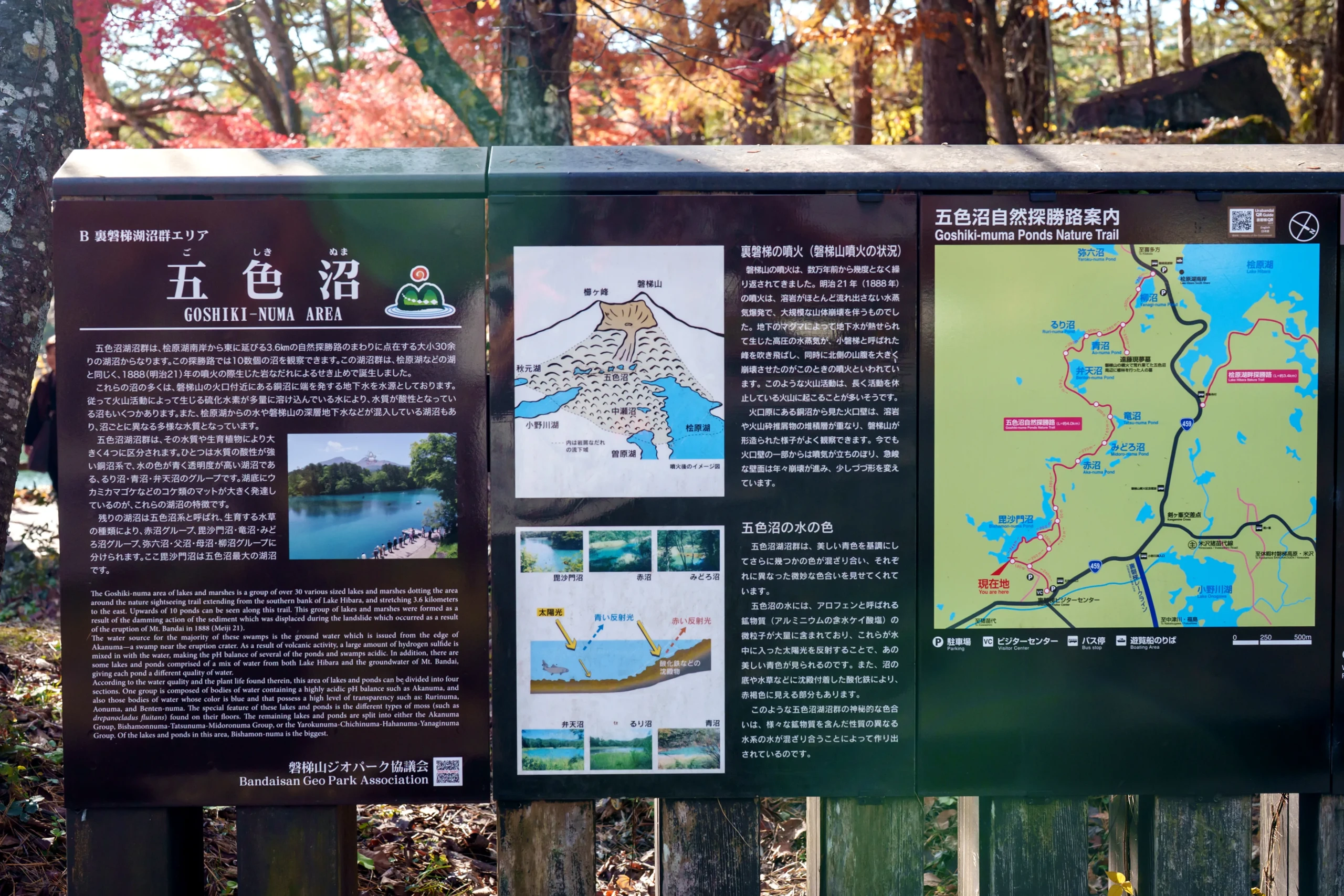
Emerald green, cobalt blue, reddish brown… the shimmering colors of Goshikinuma, a mystical group of ponds in the Urabandai area of northwest Fukushima, make it one of the region’s most iconic natural sights. These ponds were created by the 1888 steam eruption of Mount Bandai. When the volcano collapsed, a massive landslide dammed the local rivers, forming hundreds of lakes and ponds across the area. Their strikingly varied colors earned them the name “Goshikinuma,” meaning “Five-Colored Ponds,” and they have since become a must-see destination in Urabandai.
Among the most famous ponds are Bishamon-numa and Benten-numa. Despite the name “Five Colors,” there are not literally five ponds—each pond displays a different hue, from emerald green to cobalt blue to earthy red. The colors shift depending on volcanic minerals in the water, as well as the season, weather, and angle of sunlight, offering a new expression every time you visit.
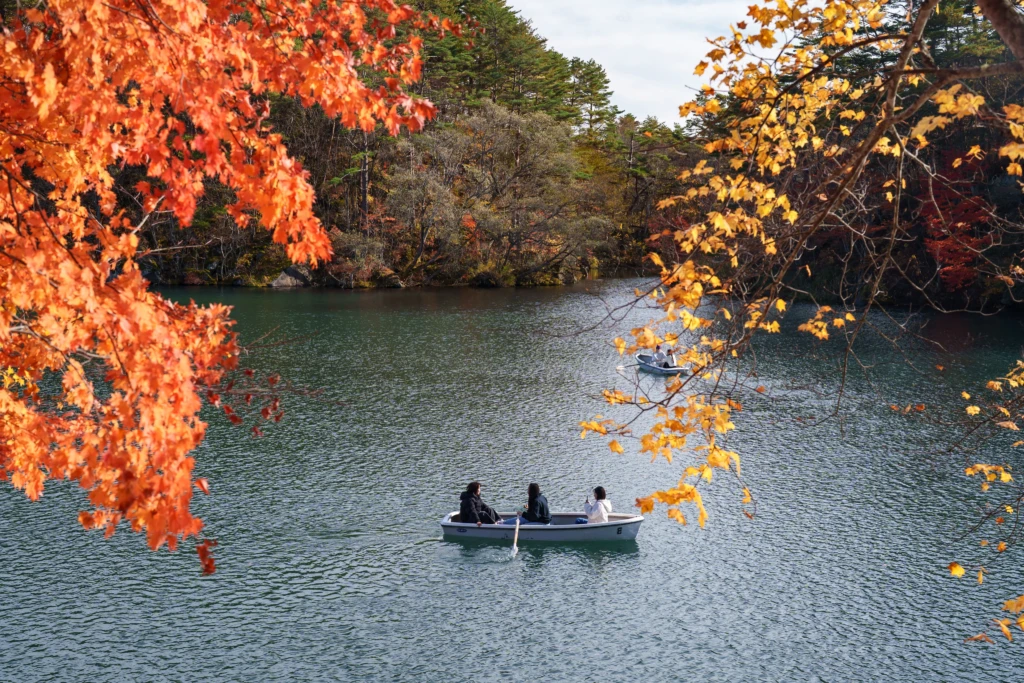
In recognition of this enchanting scenery, Goshikinuma was awarded one Michelin star in the 2016 Michelin Green Guide as a “year-round hiking spot where visitors can enjoy nature that changes with the seasons.
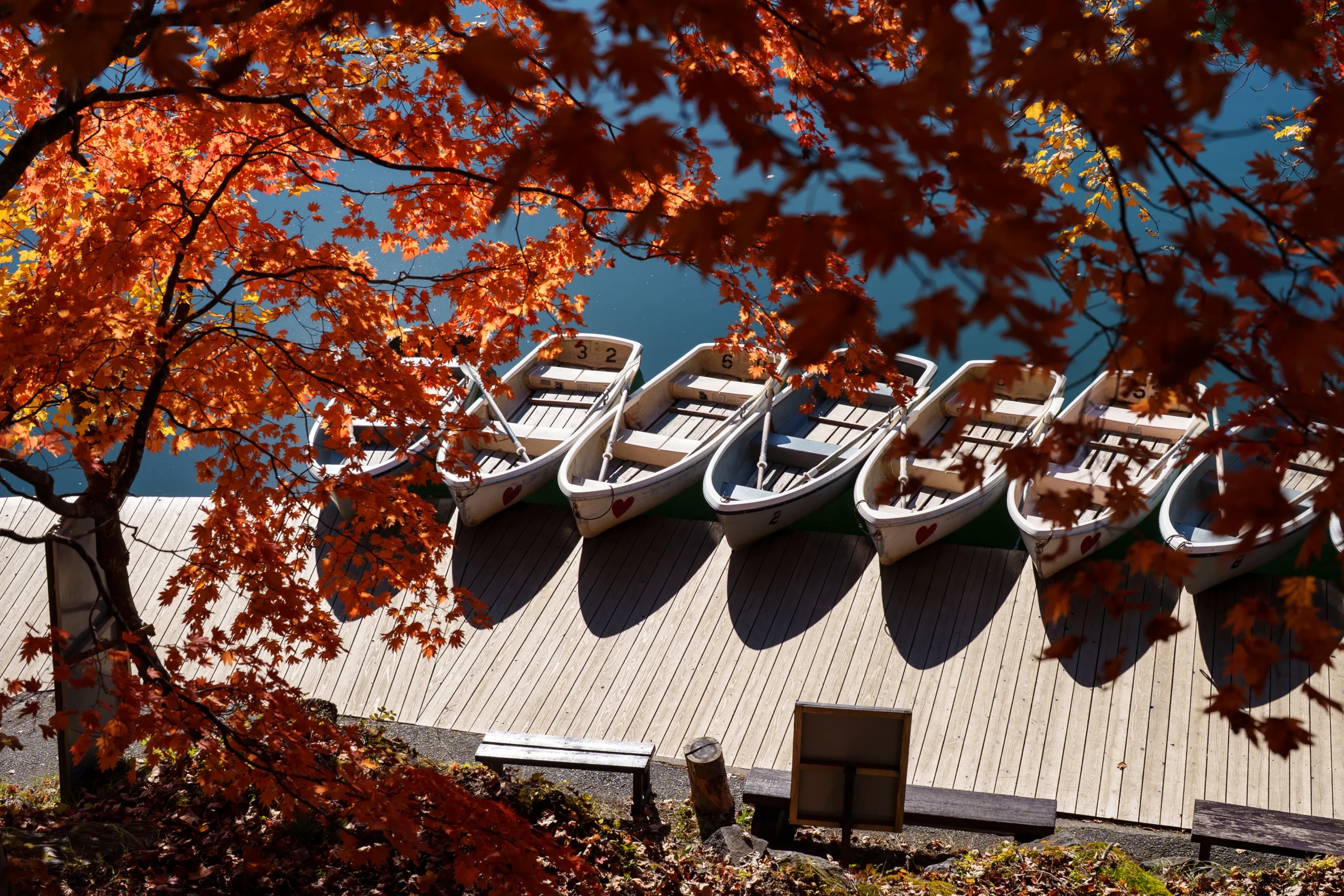
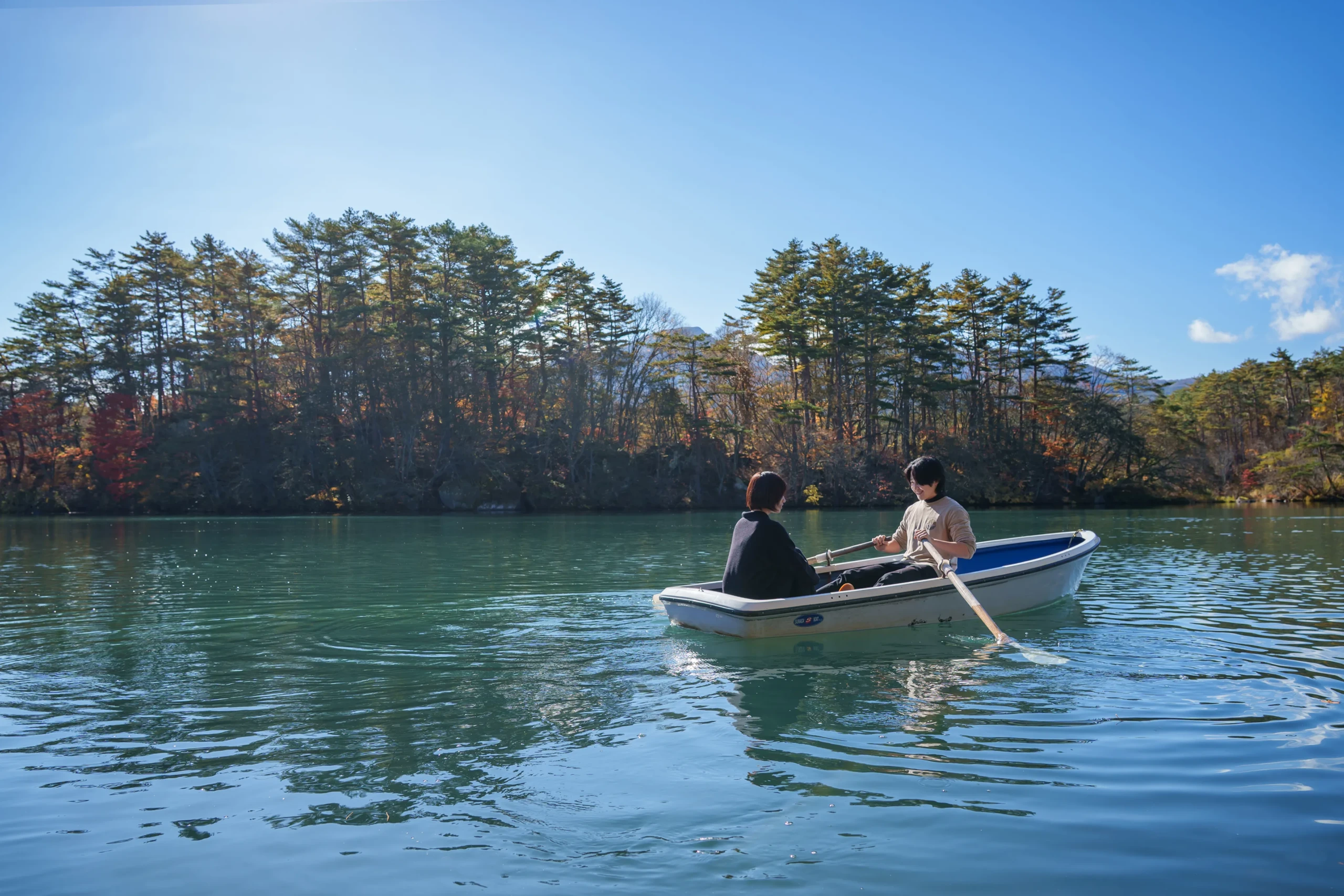
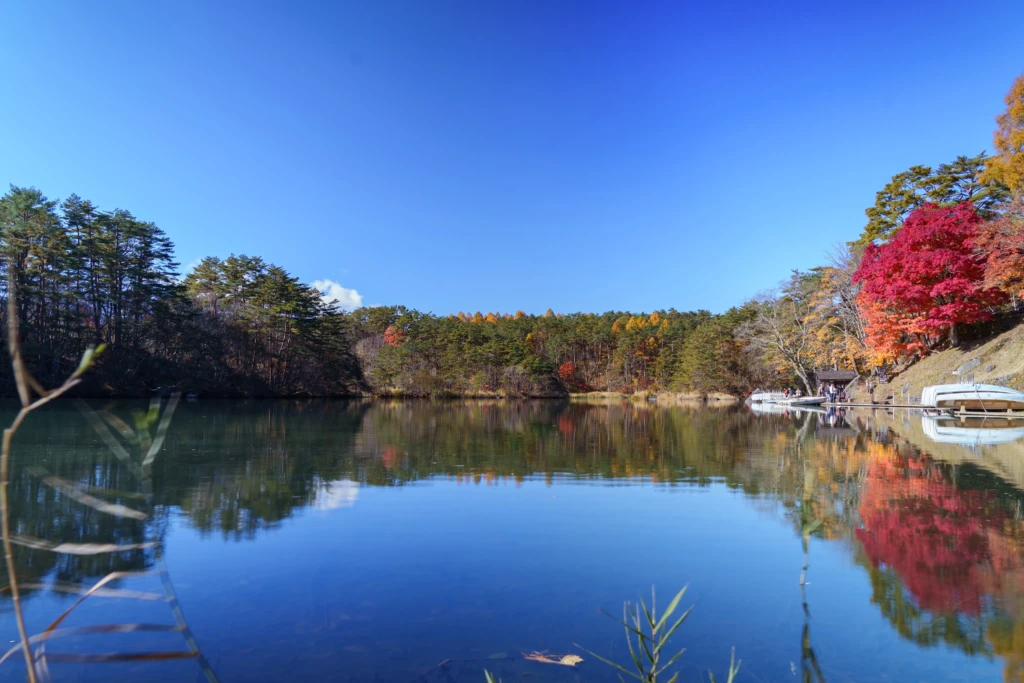
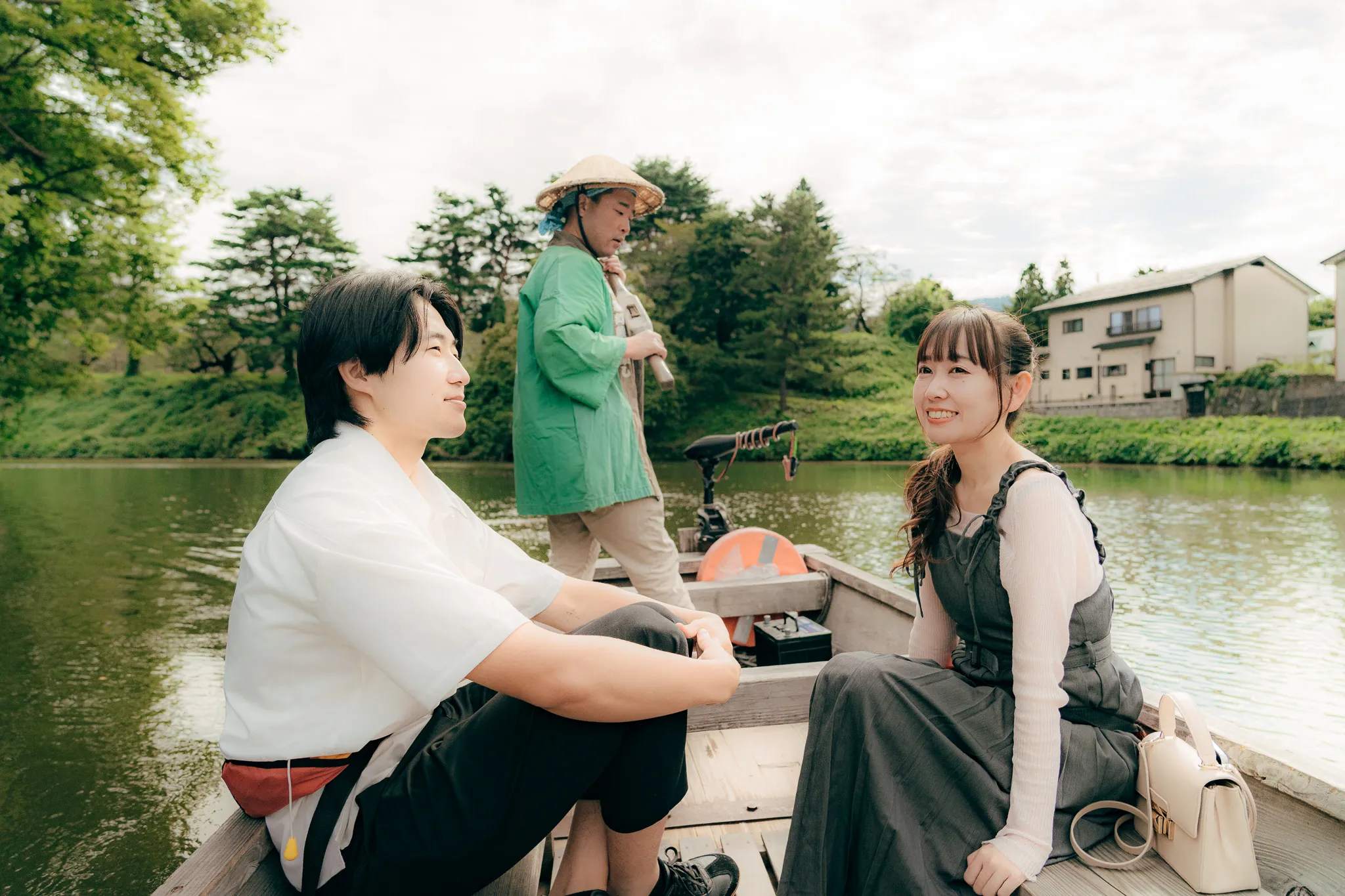
The breathtaking view of Lake Bishamon with Mount Bandai rising behind it is one of the most iconic sights of Urabandai. As the largest of the Goshikinuma ponds, it is famous for its vivid cobalt-blue surface. Here, you can rent a rowboat and enjoy the scenery from the water. The pond is also known for a legendary koi carp with a red heart-shaped mark on its pure white belly—said to bring good luck in love if you spot it.
Among all the ponds, Rurinuma is often considered the most mystical. Its surface glows with a deep lapis-blue color that shifts depending on where you stand. Aonuma, true to its name, is another striking cobalt-blue pond that captivates visitors with its mysterious beauty.
Walking the 4-kilometer nature trail offers a chance to admire each pond’s unique color and brilliance. The route is well maintained with very little elevation change, making it easy even for beginners and families with young children. This area is designated as a “Special Protection Zone” within a national park, where collecting any plants or animals is strictly prohibited, so please follow the rules as you walk. The full route takes about an hour and a half. As you stroll along the quiet forest path, listening to birdsong, you’ll find yourself refreshed in both body and mind.
Starting from the eastern entrance of the trail (near Lake Bishamon), the first pond you encounter is Bishamon-numa, the largest of all the Goshikinuma ponds. With Mount Bandai rising in the background and a vivid cobalt-green surface spreading before you, it offers a truly spectacular view. You can also enjoy a relaxing rowboat ride across the lake.
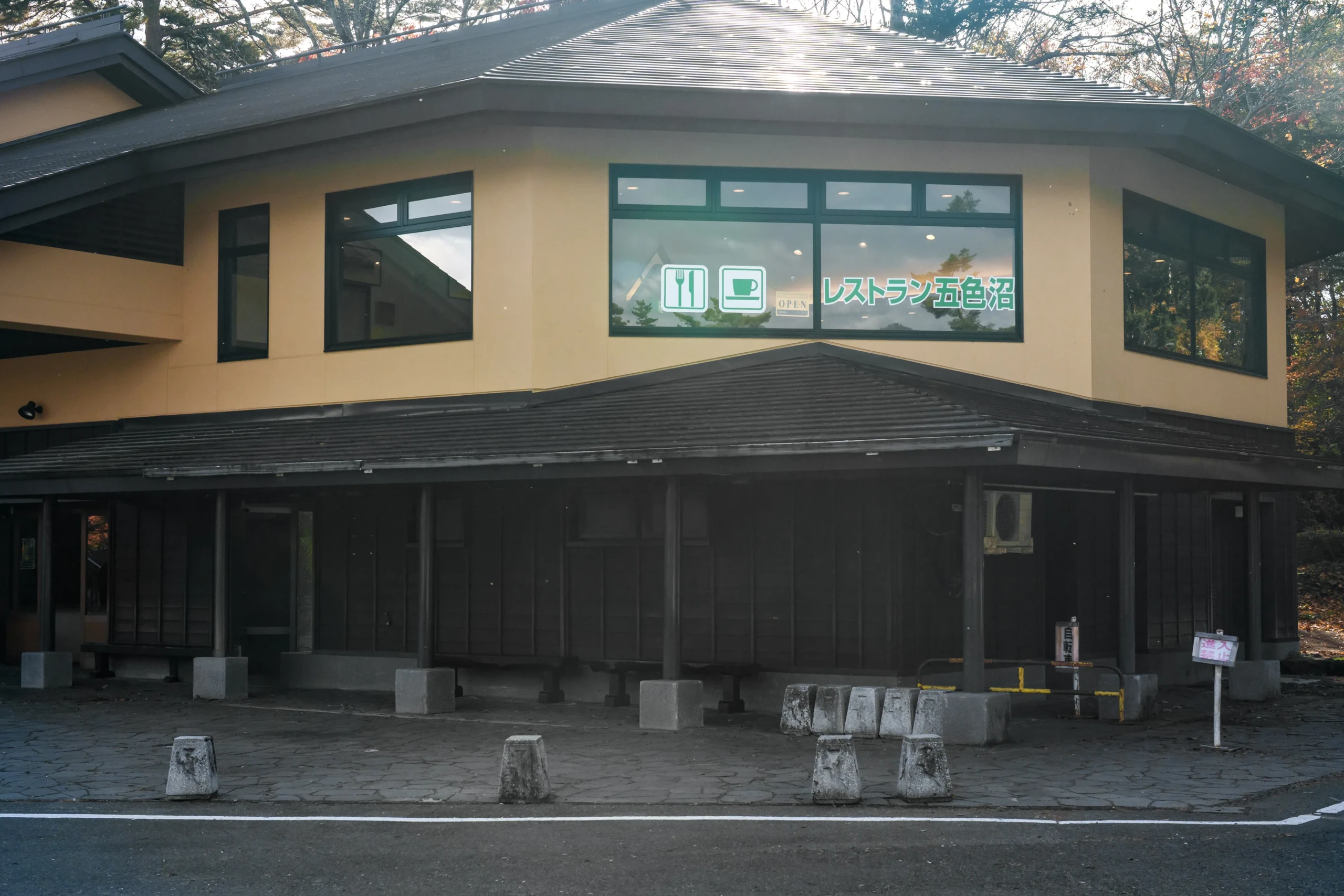
 HoshiAoi
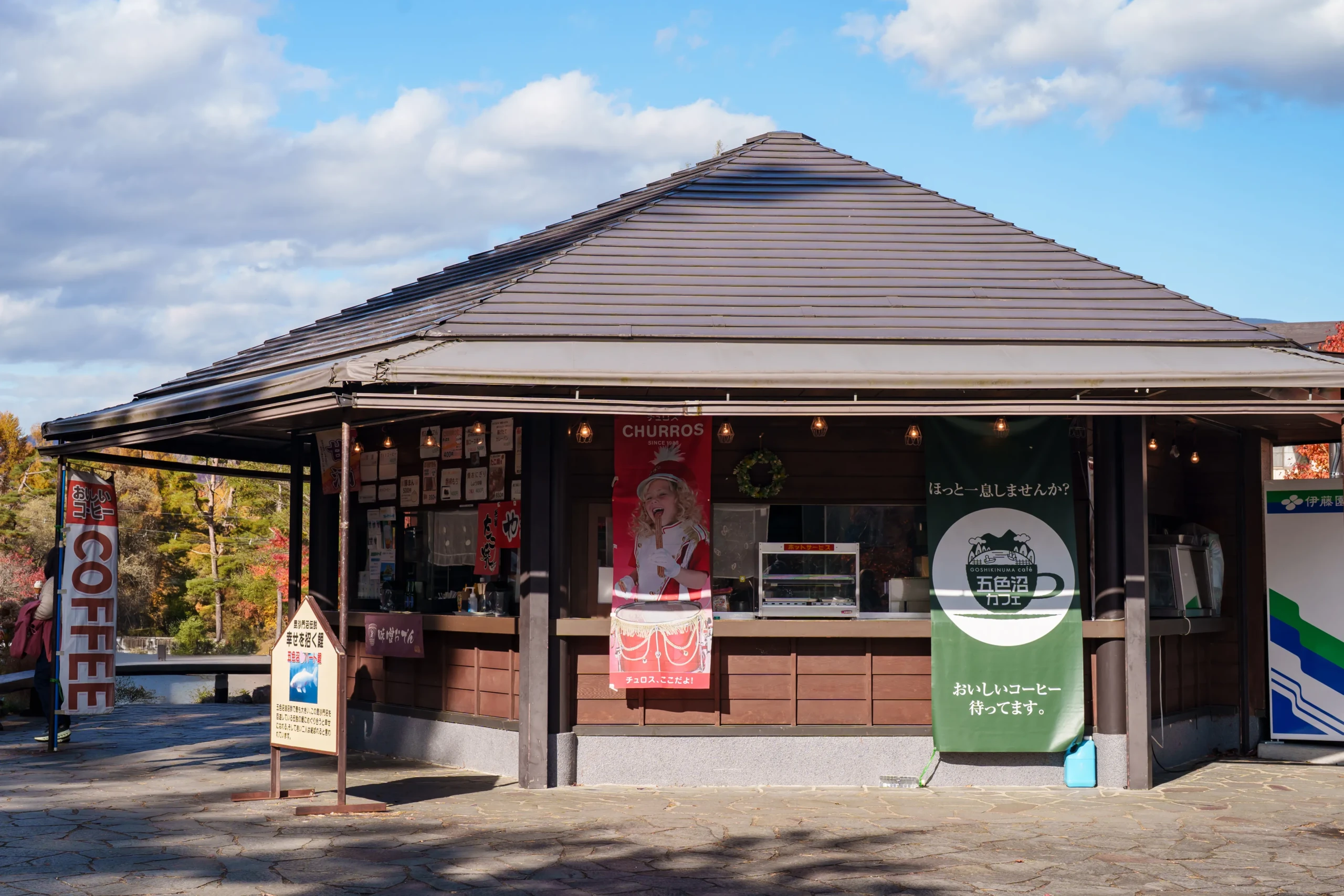
Restaurant Goshikinuma
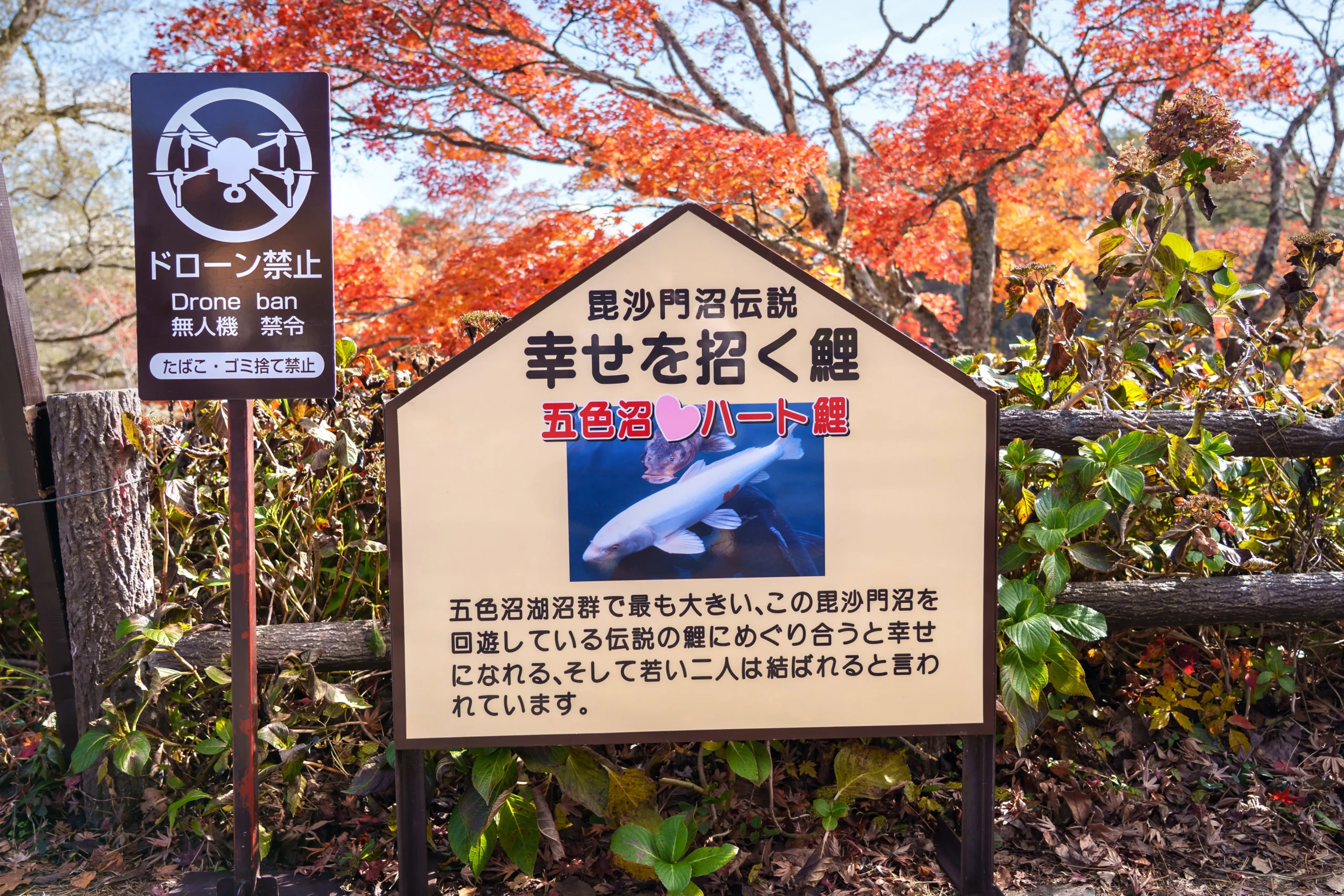 HoshiAoi
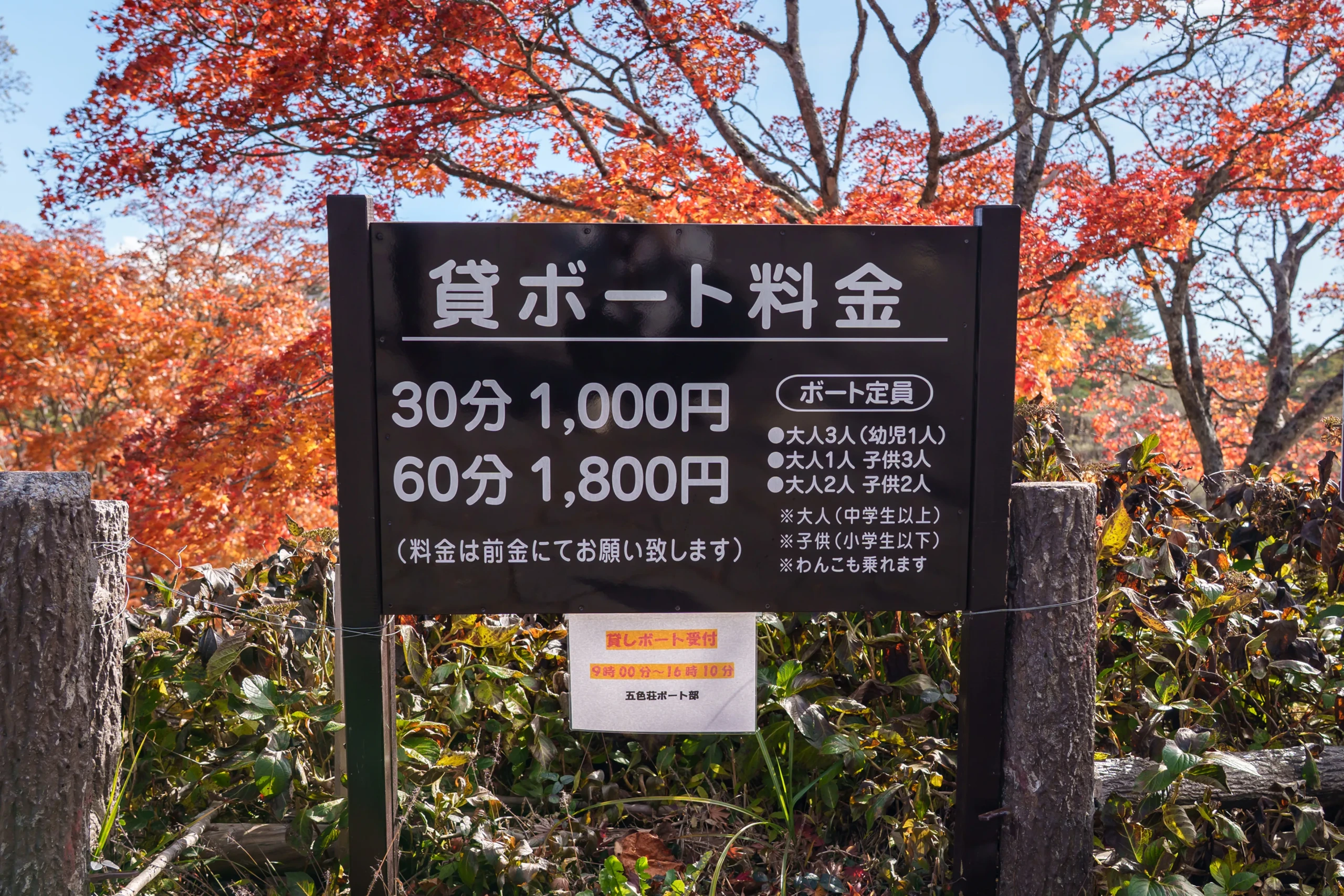
Sign at Goshikinuma
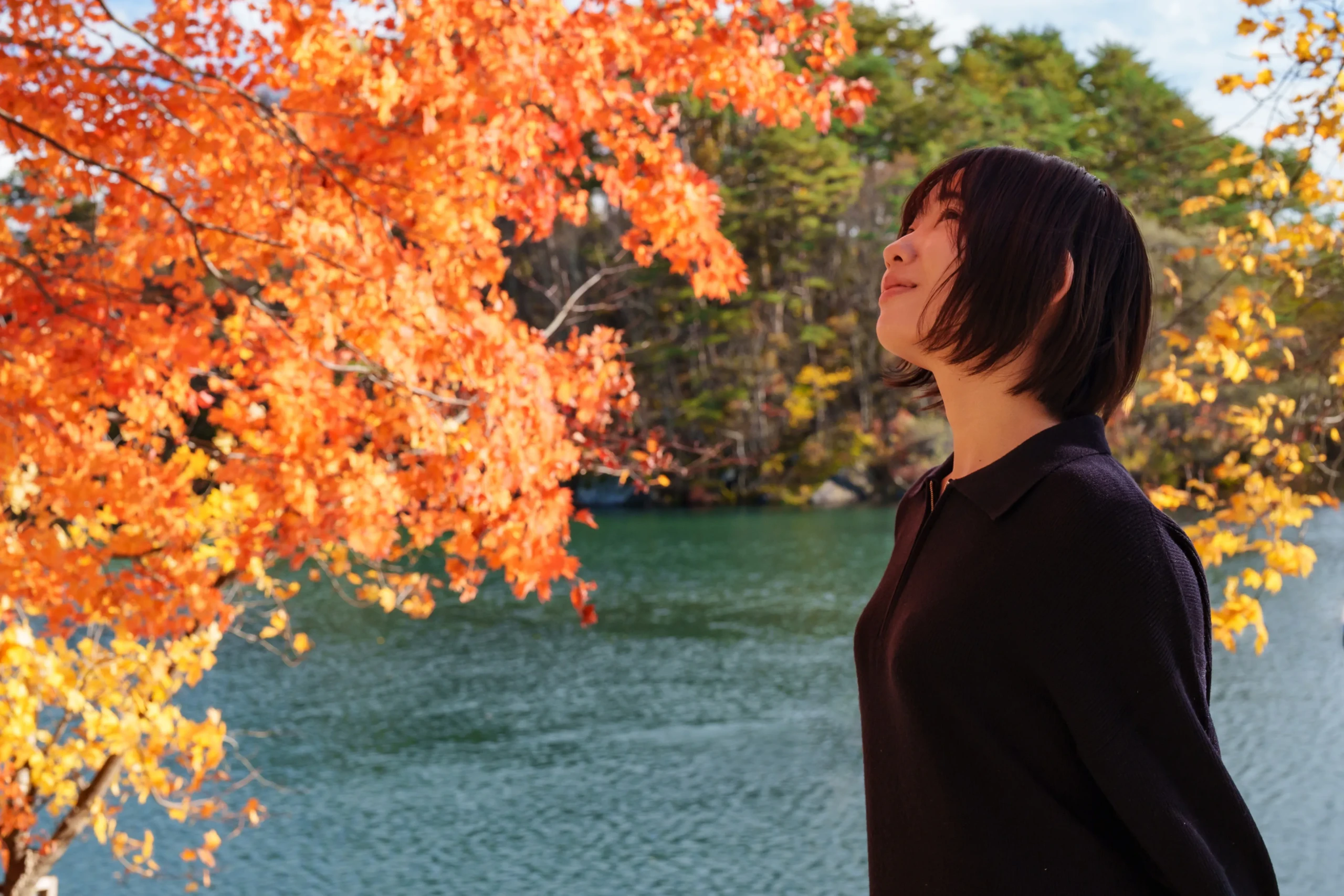 HoshiAoi
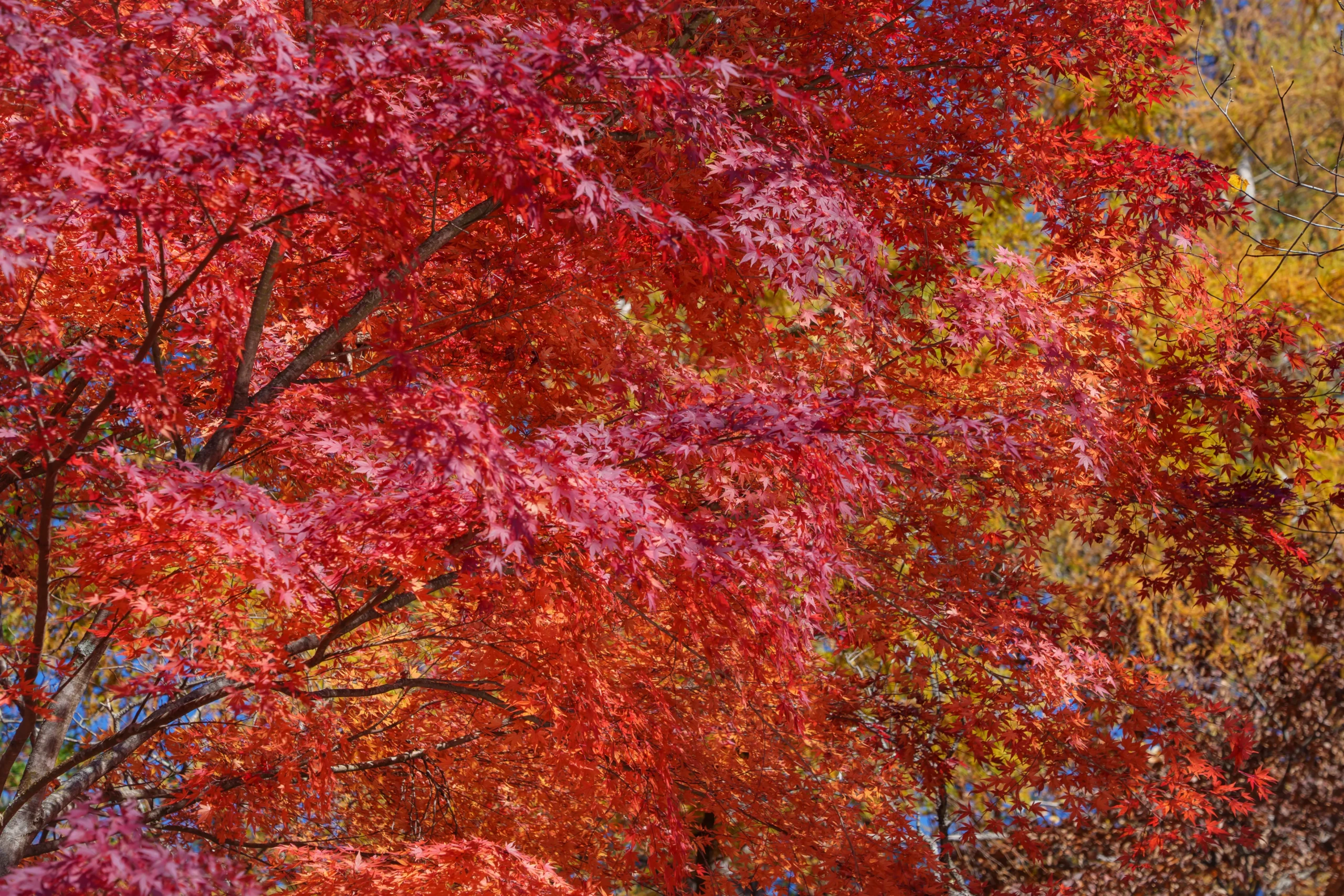
Autumn Foliage at Goshikinuma
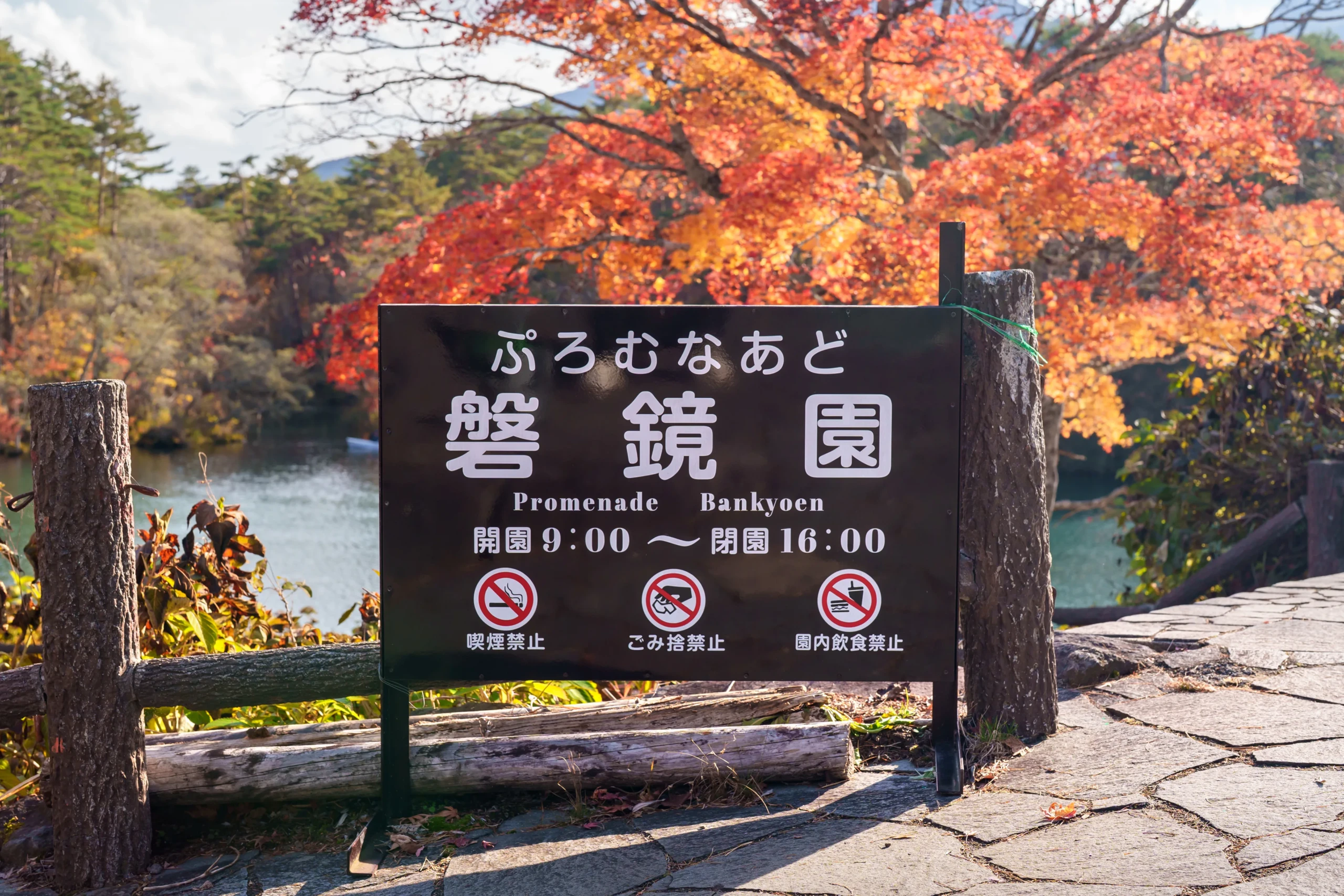 HoshiAoi
Goshikinuma
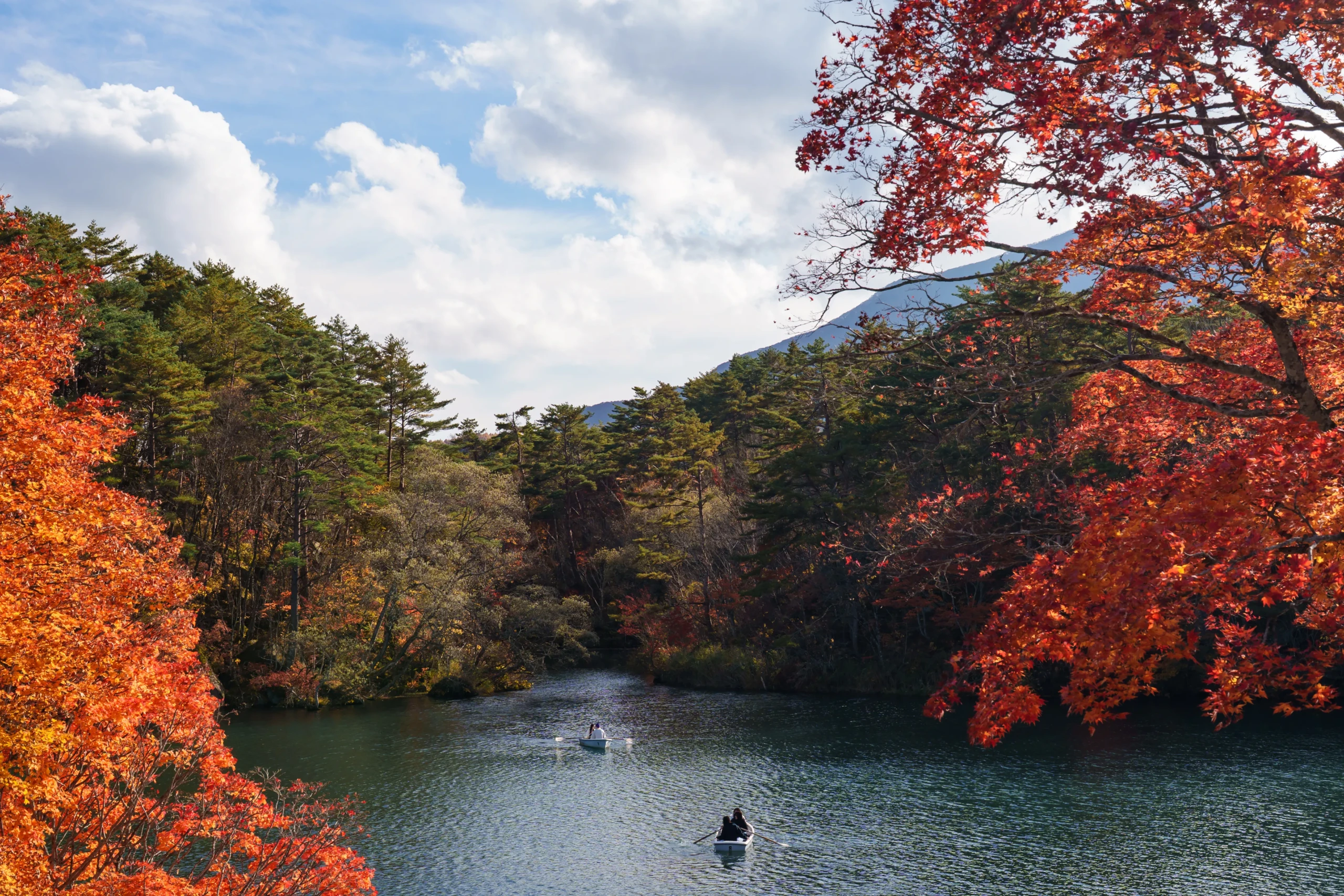 HoshiAoi
Boating on Goshikinuma
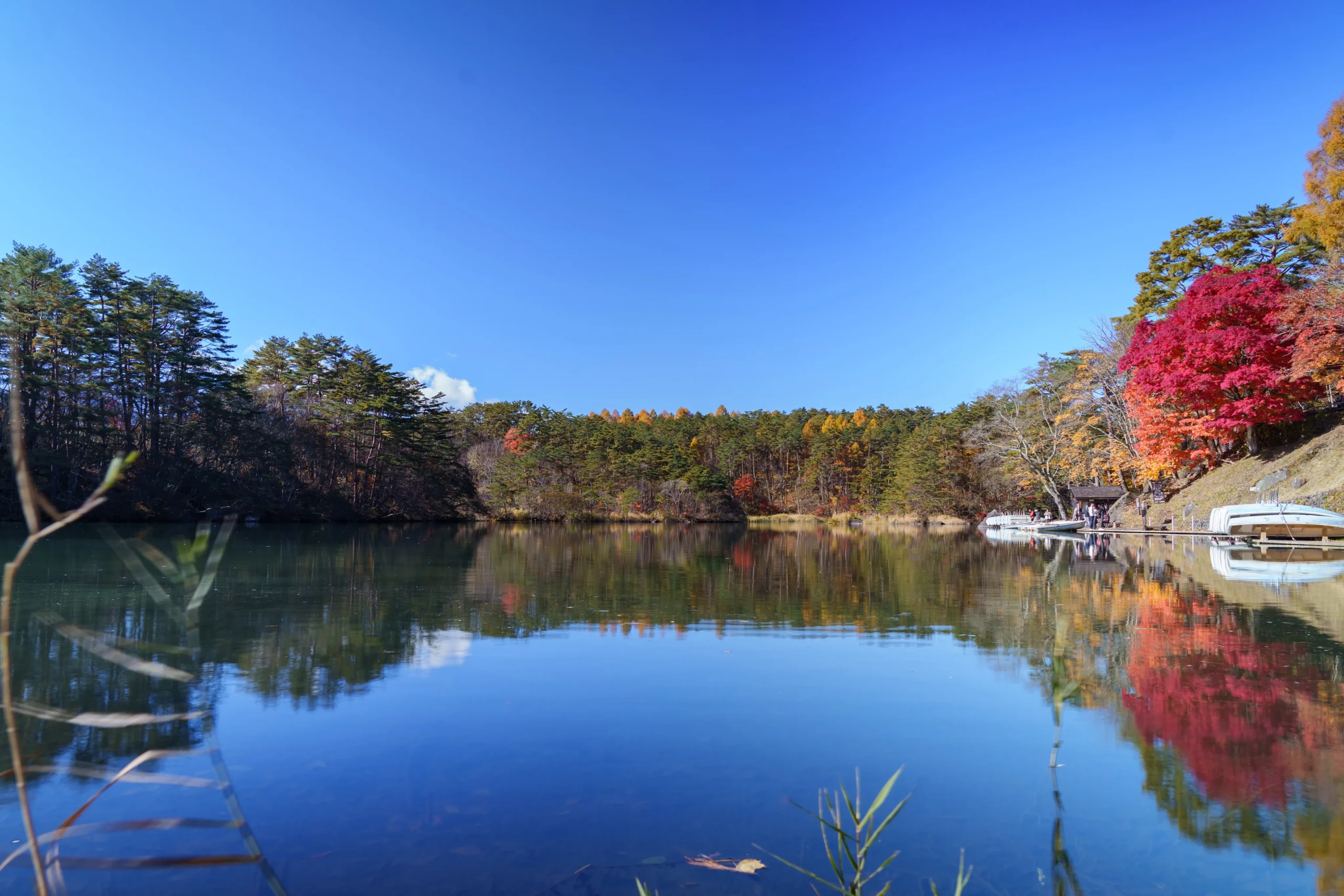 HoshiAoi
Goshikinuma
If you’re arriving by car, one of the best ways to explore is a one-way walk: park at either the east or west entrance, take the local bus to the opposite trailhead, and walk back at your own pace. This allows you to enjoy the trail without worrying about bus schedules.
The Goshikinuma Nature Trail is mostly flat and easy to walk, allowing you to enjoy the scenery at your own pace. Visit at different times of day or in different seasons, and you’ll discover new colors every time. If you begin your walk early in the morning, you may encounter a mystical layer of morning mist, giving you the ponds almost entirely to yourself in the clear, quiet air. Taking a break on one of the benches along the trail and listening to the wind rippling across the water or the calls of birds is a wonderful way to immerse yourself in the natural beauty of Urabandai.
In April, patches of snow often remain, and cherry blossoms typically bloom from late April to early May. This means you can enjoy sakura while walking during the Golden Week holidays.
Summer offers cool, shaded paths where you can enjoy a refreshing hike. In May and June, the fresh green foliage bursts to life, and the reflections on the water feel full of energy. Thanks to the abundant shade, temperatures remain comfortable—around 20°C even in August.
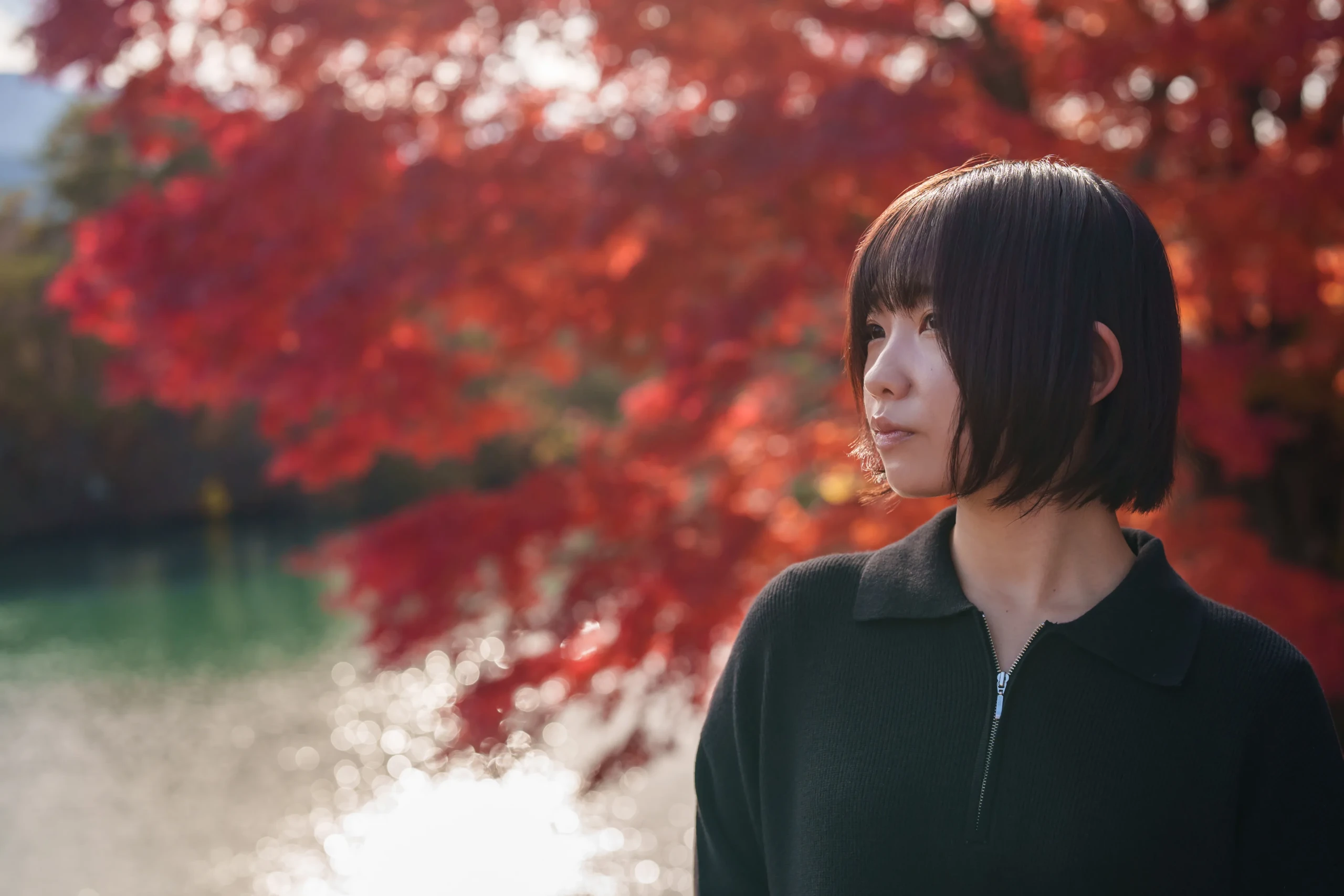
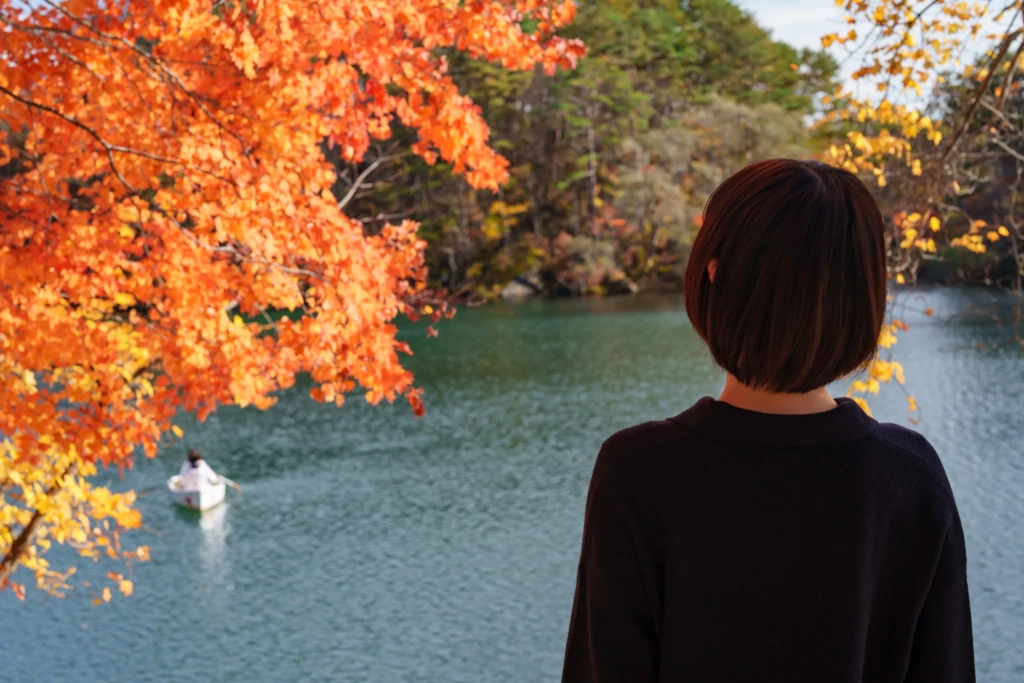
In autumn, the star of the season is the brilliant fall foliage. From late October to early November, maples and larches begin to turn vivid shades of red and yellow, painting the lakeshore in striking colors. The contrast between the foliage and the ponds is breathtaking, attracting many hikers with cameras in hand. Lake Hibara’s sightseeing boat operates until early November, allowing you to enjoy a spectacular view of the autumn colors from the water. This is the busiest time of year, so visiting early in the morning is recommended.
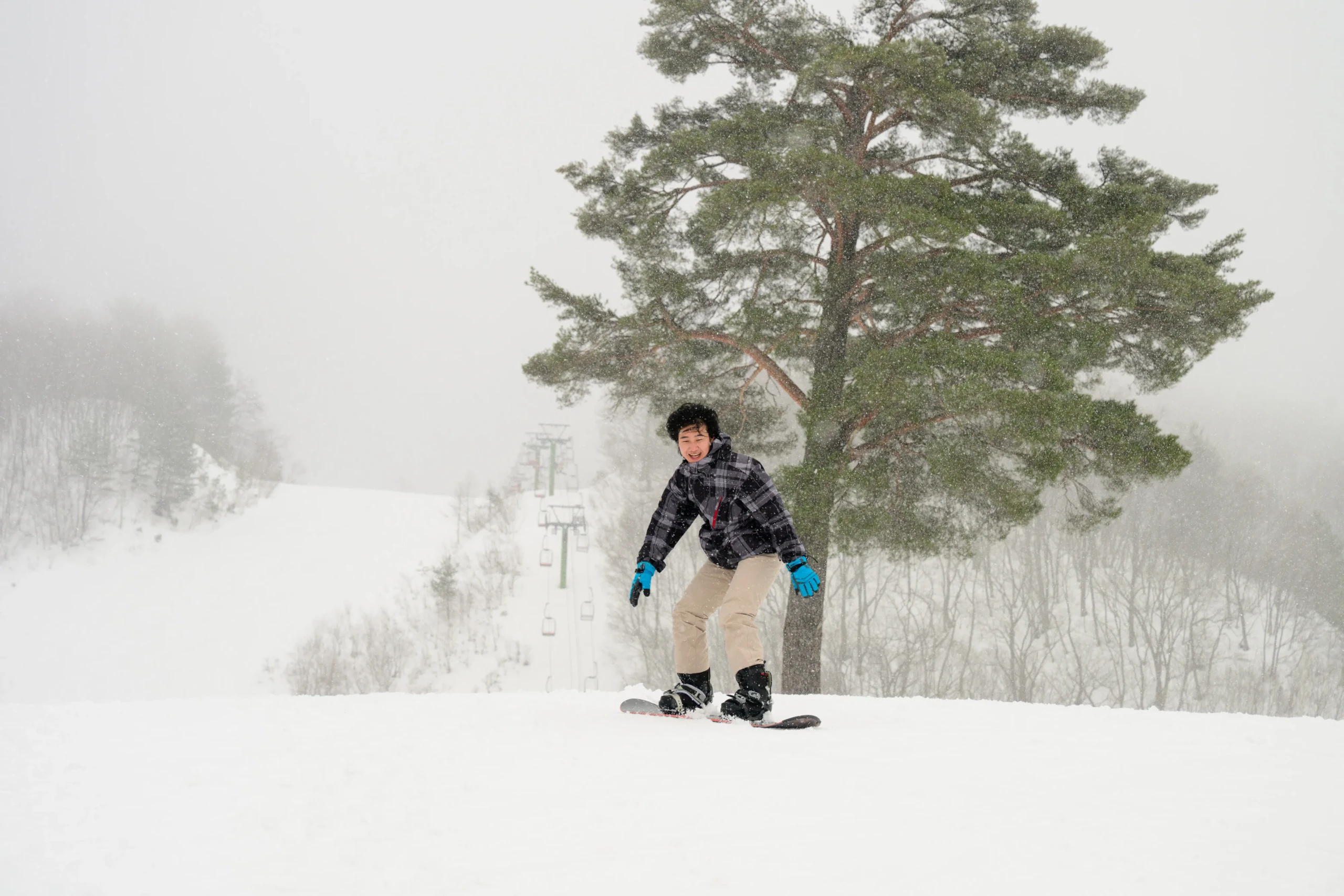
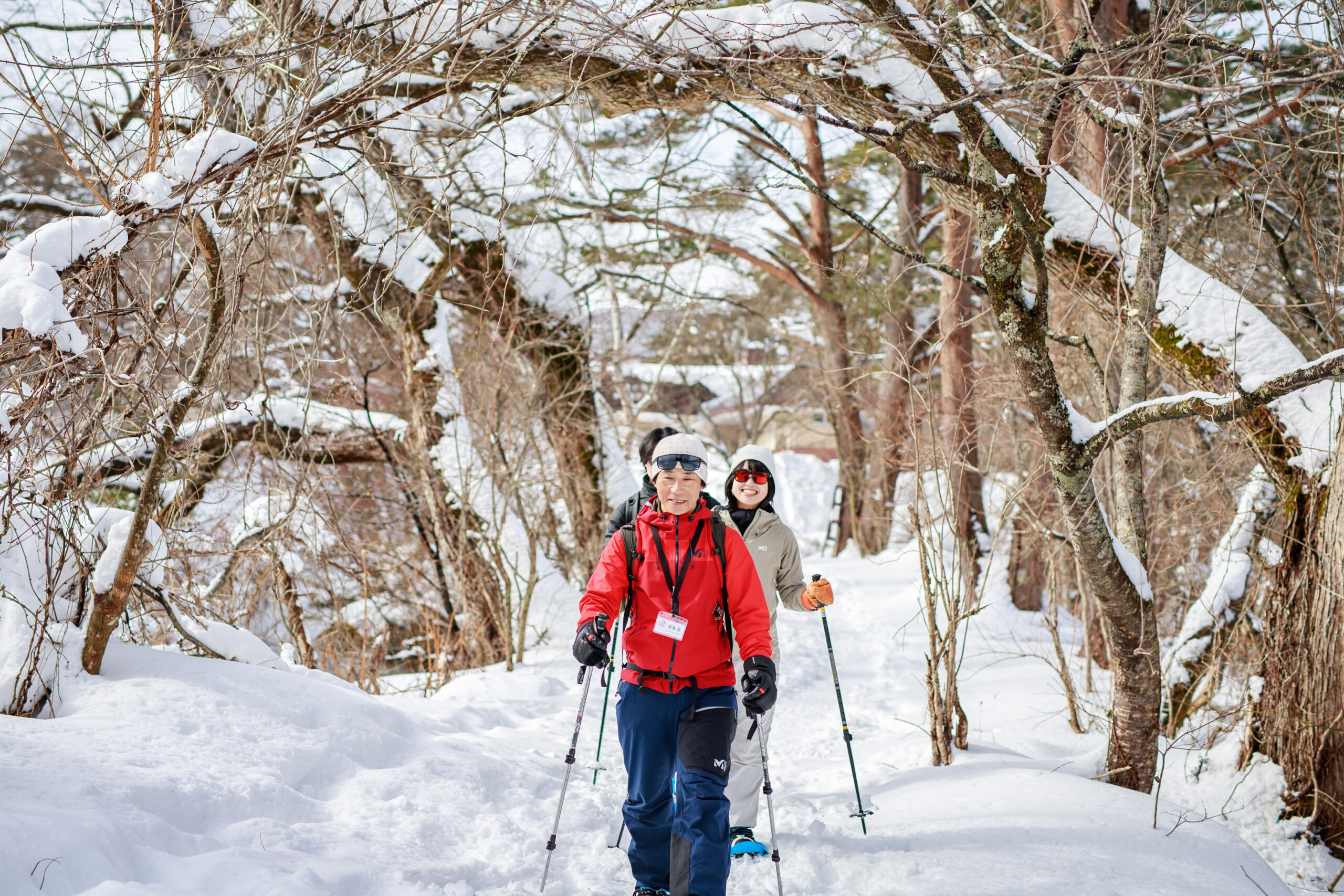
In winter, the entire landscape transforms into a world of snow, offering a chance to explore Goshikinuma on snowshoes in serene, undisturbed silence. The walking trails are buried under more than a meter of snow, so joining a guided snowshoe tour is the safest option.
Hours:No closing days (open year-round)
Price Range:Free
Address: Kengamine, Hibara, Kitashiobara Village, Yama District, Fukushima 966-0501, Japan
Access:



Rest Area